Muslim
Prime Video and MGM+’s Spider-Noir has arrived as a stylistic anomaly in the current superhero landscape. By grounding its high-concept premise in the grit, smoke, and moral ambiguity of 1930s detective fiction, the series has managed to carve out a unique aesthetic niche. While the show is replete with overt references to classic cinema—ranging from the visual language of German Expressionism to the hard-boiled dialogue of the post-Depression era—its most fascinating layers often lie in the subtle, metatextual choices made by its production team.
Perhaps the most compelling example of this is the strategic casting of Lukas Haas as Winston. For the cinephile, his presence is more than just a character beat; it is a twenty-year-old callback to Rian Johnson’s cult neo-noir masterpiece, Brick. By examining the intersection of Spider-Noir’s period-authentic world-building and its modern genre-bending ambitions, we can see how casting serves as a vital tool for establishing tone in a crowded television market.
The Architecture of Authenticity: Building a World in Shadow
To understand why Lukas Haas’ casting is so significant, one must first look at the foundational DNA of Spider-Noir. The series, which stars Nicolas Cage as the world-weary private detective Ben Reilly, does not merely adopt the aesthetic of 1930s noir; it attempts to live within it.
Ben Reilly’s characterization is a deliberate homage to the archetypes established by legends like Humphrey Bogart and Edward G. Robinson. The show’s production team has gone to great lengths to ensure that these references feel organic rather than performative. In several sequences, Reilly is shown actively engaging with the cinema of his time—watching films that serve as the blueprint for his own persona. This meta-layering of reality and fiction allows the viewer to see how Reilly is essentially "performing" the role of the noir detective to shield his identity as the costumed vigilante, The Spider.
This dedication to genre fidelity is what elevates Spider-Noir above a standard superhero procedural. The series operates on the understanding that noir is not just about trench coats and rain-slicked streets; it is about a specific rhythm of speech, a cynical worldview, and an inescapable sense of doom. By leaning into these tropes, the creators have provided a rich, textured backdrop that feels both ancient and refreshingly modern.
Chronology of a Genre-Bender: From ‘Brick’ to ‘Spider-Noir’
The inclusion of Lukas Haas acts as a bridge between two distinct eras of neo-noir. To appreciate the nuance here, one must look at the trajectory of the genre.
The 2006 Breakthrough: Brick
In 2006, a young Rian Johnson released Brick, a film that defied categorization. It took the hard-boiled tropes of Dashiell Hammett and Raymond Chandler and transplanted them into the sterile, fluorescent hallways of a modern American high school. Lukas Haas played The Pin, the de facto criminal kingpin of the student body. Despite his youth, Haas delivered a performance characterized by a chilling, detached calm—a menacing stillness that suggested a level of power and foresight far beyond his years.
The 2025 Evolution: Spider-Noir
Nearly two decades later, Haas assumes the role of Winston in Spider-Noir. As the right-hand man to the formidable crime lord Silvermane (played by Brendan Gleeson), Winston is a character defined by the same cool-under-pressure demeanor that defined The Pin. He is a man of few words, preferring to observe the chaos of the criminal underworld with an analytical, almost predatory detachment.
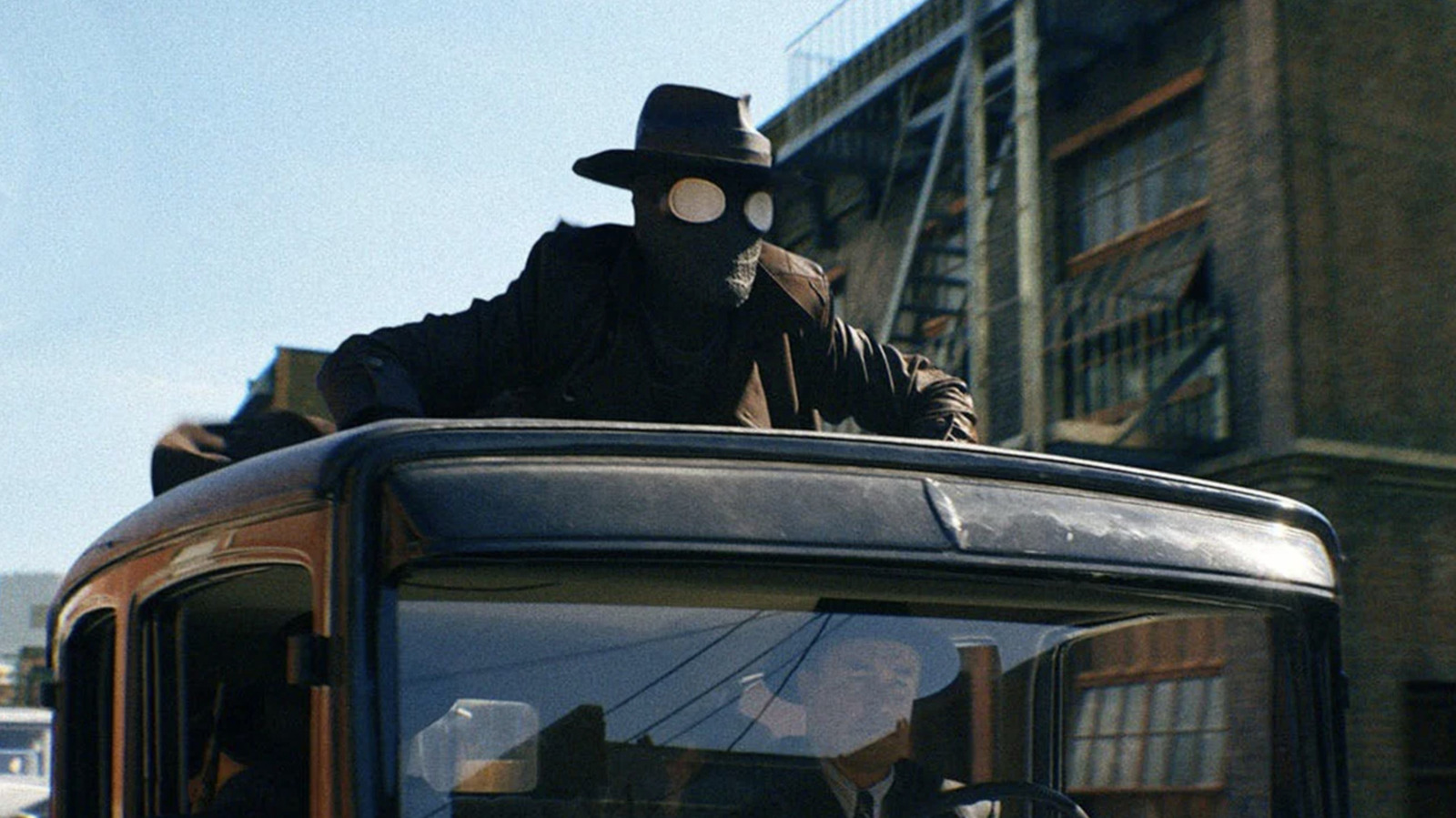
The chronological link between these two performances is not coincidental. It is a deliberate invocation of a specific type of villainy—one that eschews shouting and melodrama in favor of quiet, calculated malice. By casting an actor who has already mastered this specific frequency of neo-noir, the showrunners have successfully imported the gravitas of Brick into the comic-book world of Marvel.
Supporting Data: Why Casting Matters in Genre Television
In the era of "Easter egg" culture, where audiences are often treated to cameos that serve no purpose other than to elicit a "Leo pointing at the screen" reaction, Spider-Noir chooses a more sophisticated path. The casting of Haas is a functional choice.
Data regarding audience reception to genre-blending television suggests that viewers are increasingly looking for "authenticity" in style. When a series attempts to merge two distinct genres—in this case, superhero action and 1930s noir—it faces the risk of tonal dissonance. If the performances are not grounded in the conventions of the genre being emulated, the illusion breaks.
Haas’ performance acts as an anchor. Because he has proven his aptitude for noir rhythms in the past, his performance in Spider-Noir provides a shorthand for the audience. Savvy viewers who recognize the nod to Brick are immediately primed to understand the type of character Winston is: someone whose intelligence is his most dangerous weapon. This creates a shortcut for character development, allowing the writers to focus on the plot rather than spending unnecessary time establishing the character’s "vibe."
Official Perspectives: The Synergy of Vision
While official statements from the production team regarding specific casting callbacks are rare, the creative intent behind Spider-Noir is clear in its execution. The goal is to create a show that functions as both a homage to the past and a commentary on the present.
Nicolas Cage, who serves as the heart of the series, has long been a proponent of neo-noir. With credits like Rumble Fish, Wild at Heart, and Red Rock West, Cage brings his own pedigree to the table. His participation suggests that the production is intended for an audience that appreciates the nuance of the genre. When you pair an actor with Cage’s neo-noir history with a character actor like Haas, the result is a production that feels "in on the joke" without ever becoming a parody.
The production team has effectively turned the casting process into an act of world-building. By selecting actors who have lived in these genre spaces before, they have created an environment where the noir elements feel inherited rather than forced.
Implications: The Future of the Superhero Genre
The success of Spider-Noir and the positive reception of its casting choices have significant implications for the future of comic-book adaptations. As audiences grow increasingly fatigued with the standard "save the world" formula, there is a clear demand for projects that prioritize tone, style, and thematic depth.
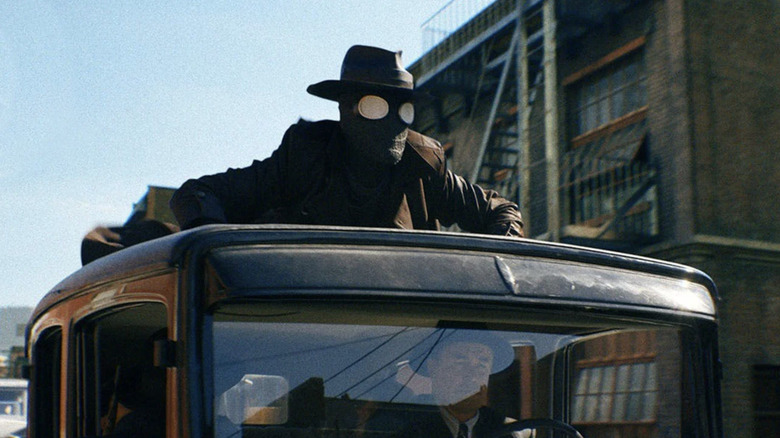
1. The Rise of "Genre-Hybrid" Narratives
Spider-Noir proves that superheroes can coexist within strict genre boundaries. By adopting the rules of noir, the show creates stakes that feel personal and gritty, contrasting sharply with the cosmic threats typically found in the MCU or DCEU.
2. Casting as Narrative shorthand
Moving forward, we can expect to see more productions utilize casting as a form of cultural shorthand. By hiring actors with specific genre histories, studios can quickly communicate the "language" of their shows to their target demographics.
3. The Death of the "Easter Egg"
The most vital takeaway from the Lukas Haas casting is that references work best when they serve the story. When an homage contributes to the atmosphere—as the Brick connection does here—it ceases to be a gimmick and becomes an essential component of the viewing experience.
Conclusion: A New Standard for Noir
Spider-Noir is a rare example of a series that respects its audience’s intelligence. It does not demand that you recognize Lukas Haas as The Pin from Brick to enjoy his performance as Winston, but it rewards those who do with a richer, more nuanced understanding of the show’s tone.
By blending the brooding intensity of modern neo-noir with the iconic tropes of 1930s crime dramas, the series has set a new standard for how comic-book adaptations can expand their horizons. As we watch Ben Reilly navigate the dark, rain-soaked streets of his city, we aren’t just watching a superhero story; we are watching a love letter to a genre that has shaped the way we define heroes, villains, and the gray areas in between.
For those who have yet to dive into the mystery, Spider-Noir is currently streaming on Prime Video and MGM+. It is a masterclass in atmosphere, a testament to the power of deliberate casting, and a reminder that the best stories are often the ones told in the shadows.

 Neng Nana
 Rifan Muazin