

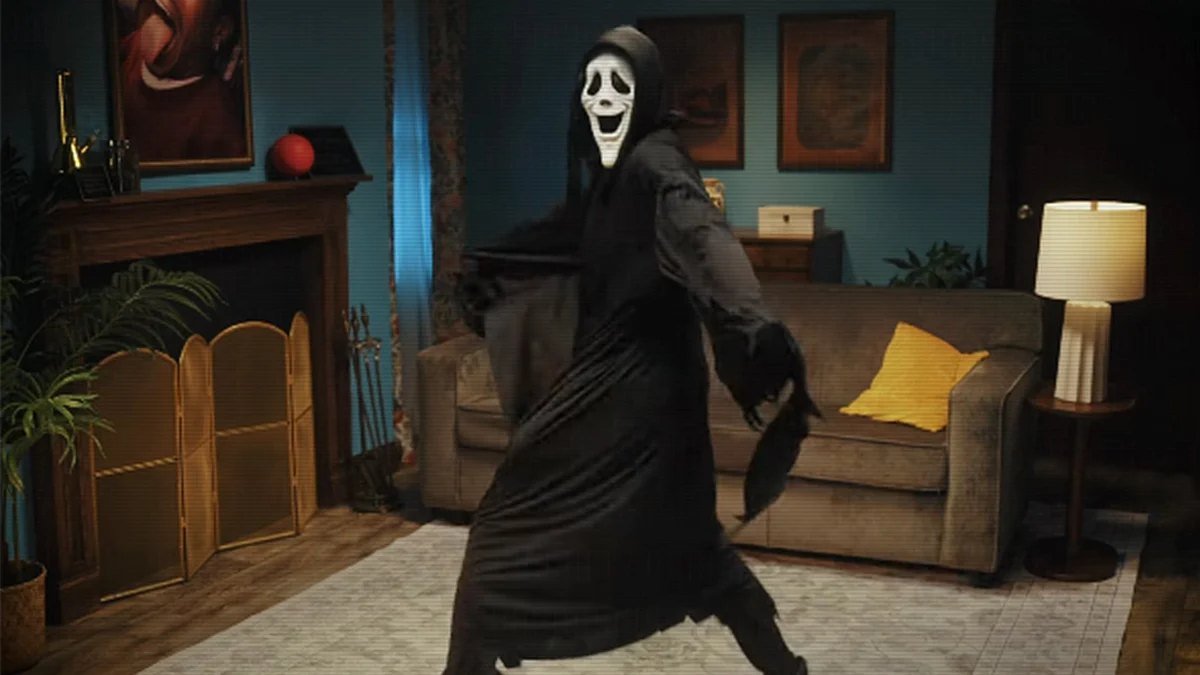
As the Scary Movie franchise prepares to return to the silver screen this June, the marketing team behind the revival has executed what industry experts are calling a masterclass in modern digital engagement. By launching an interactive, browser-based experience titled “Subservient Ghostface,” the studio has successfully tapped into the chaotic, meme-driven nature of internet culture to build hype for the upcoming horror-comedy.
This campaign departs from the traditional trailer-and-poster rollout, opting instead for a participatory experience that allows fans to command one of cinema’s most iconic slashers to perform a dizzying array of tasks. From viral TikTok dances to niche pop-culture references, the site has become an overnight sensation, proving that in the age of social media, interactivity is the most valuable currency in film marketing.
The Genesis of an Interactive Phenomenon
The "Subservient Ghostface" website (subservientghostface.com) operates on a deceptively simple premise. Upon entering the site and completing a mandatory age-verification check, users are presented with a text prompt bar. Here, they can input almost any command, and if that command is part of the site’s extensive library of pre-recorded content, Ghostface will immediately perform the requested action.
Contrary to what many users might assume, the site does not utilize generative AI to create these animations in real-time. Instead, the production team meticulously filmed a massive catalog of clips featuring an actor in the classic Ghostface mask and robe. This human element gives the site a tactile, slightly unhinged quality that AI currently struggles to replicate, ensuring that every reaction feels deliberate, comedic, and tailored to the specific prompt.
The chronology of the campaign’s success has been rapid. Within days of its quiet launch, social media platforms—particularly X (formerly Twitter) and TikTok—were flooded with screen-captured videos of Ghostface performing bizarre, often hilarious acts. By leaning into the “Brainrot” genre of internet humor, the team ensured that the content was highly shareable, creating a self-sustaining cycle of free promotion as users raced to find the most obscure or unexpected Easter eggs hidden within the site’s database.
A Deep Dive into the Pop-Culture Catalog
The "Subservient Ghostface" site is effectively a time capsule of 2024 and 2025 internet culture. By allowing users to input specific commands, the marketing team has created a playground of references that bridge the gap between the film’s comedic tone and the digital landscape its target audience inhabits.
Viral Trends and Meme Integration
The site’s most popular interactions are undoubtedly those tied to the current zeitgeist. Typing “hawk tuah” triggers an imitation of the viral meme that dominated social media cycles, while commands like “twerk” provide exactly what the audience expects: a jarring, comedic performance from a character usually associated with terror.
Other notable commands include:
- “Fortnite”: Ghostface performs a victory emote reminiscent of the popular battle royale game.
- “Tung Tung Sahur”: A nod to the “Steal a Brainrot” AI character phenomenon, showcasing how deeply integrated the marketing is with current online vernacular.
- “Kai Cenat”: This command triggers a skit where Ghostface channels the energy of the world-famous Twitch streamer, complete with a dramatic kick to a gaming chair.
Sophisticated Subtext
Interestingly, the marketing team has also utilized the site to offer meta-commentary on the state of the film industry and technology. When a user inputs the word “AI,” Ghostface pulls out a bottle of water and pours it onto the ground. This is a pointed, witty reference to the environmental impact of artificial intelligence—specifically the staggering amount of water required to cool the data centers that power massive server farms. It is a rare moment of environmental satire in a campaign designed primarily for laughs.
Athletic and Cinematic Homages
The site also caters to fans of sports and classic horror. Football enthusiasts can trigger the “Siuuu” celebration—a direct recreation of Cristiano Ronaldo’s iconic gesture. Meanwhile, fans of the Saw franchise are treated to a specific visual joke: when prompted with “I want to play a game,” Ghostface hops onto a small, undersized tricycle, lampooning the Jigsaw killer in a way that feels perfectly aligned with the Scary Movie brand’s history of spoofing iconic horror tropes.
Supporting Data and User Engagement Metrics
While official conversion numbers for the website remain proprietary, the sheer volume of social media engagement provides a clear picture of the campaign’s efficacy. Since the site’s debut, related hashtags have consistently trended on platforms like X.
The strategy of including a “randomizer” wheel—which allows users who are stuck for ideas to spin for a surprise action—has significantly increased session times. By gamifying the experience, the developers have ensured that users aren’t just visiting the site once; they are returning to see what new, hidden commands they can uncover.
The decision to limit the database to pre-recorded clips rather than generative AI was a strategic masterstroke. It avoids the legal and ethical minefields often associated with AI-generated content while maintaining a higher quality of physical comedy. Furthermore, the reliance on human performance ensures that the “ghost” in the machine feels consistent with the physical comedy established in the Scary Movie franchise’s long history.
The Intersection of Marketing and Feature Film Content
The brilliance of the "Subservient Ghostface" campaign lies in its synergy with the upcoming film. The inclusion of Kai Cenat, for example, is not merely a marketing gimmick; the streamer reportedly makes a cameo in the film itself.
According to reports from the production, the Scary Movie team leaned into the culture of streaming and content creation, including specific gags about the “wheel-spin” mechanics often used by streamers to reward subscribers and donors. By integrating these elements into the marketing website, the studio has effectively “pre-trained” the audience to understand the film’s specific brand of humor. When viewers see these scenes on the big screen, they will have already experienced the meta-layer of the joke in their own web browser, creating a sense of familiarity and community.
Implications for the Future of Film Promotion
The success of "Subservient Ghostface" marks a significant shift in how studios approach digital marketing. As audiences become increasingly adept at tuning out traditional banner ads and static trailers, the demand for "participatory marketing" is growing.
The Death of Passive Consumption
The traditional model of a film release—teasers, trailers, and press junkets—is increasingly viewed as insufficient for a generation raised on interactive media. "Subservient Ghostface" proves that if you give the audience a tool to play with, they will become your most effective marketers. By allowing fans to curate their own short clips of the character, the studio has effectively outsourced a portion of its content creation to the public.
The Role of Niche Humor
Furthermore, the campaign demonstrates the power of niche cultural references. Rather than aiming for the widest possible demographic, the marketing team targeted the "chronically online" demographic—the very people who are most likely to buy tickets opening weekend and discuss the film on social media. By validating these niche interests (like the Steal a Brainrot trend or the specific mechanics of Twitch streaming), the film builds a rapport with its core audience.
The Ethical and Technical Horizon
As the industry moves forward, other studios will likely attempt to replicate this model. However, the lesson of "Subservient Ghostface" is that authenticity matters. The use of real actors in a high-quality, polished web environment avoids the "uncanny valley" and ethical pitfalls associated with deepfakes or AI-generated character voiceovers. The campaign serves as a reminder that technology should be used to augment, not replace, the creative vision of a production.
Conclusion: A New Standard for Horror Comedy
The upcoming Scary Movie installment is already shaping up to be a defining moment for the franchise, not just because of its content, but because of its reach. The "Subservient Ghostface" website has set a new standard for how a film can interact with its audience in the digital space.
By blending the absurdity of modern meme culture with the classic, slasher-spoofing identity of the Scary Movie brand, the marketing team has created a bridge between the theater and the web. Whether it is through the satire of data center water consumption or the sheer joy of watching a masked killer perform a TikTok dance, the campaign proves that engagement is about more than just showing a trailer—it is about inviting the audience to play along.
As we approach the June release date, one thing is certain: Ghostface has successfully transitioned from the screen to the browser, and in doing so, has become more relevant than ever. For fans of the franchise and industry observers alike, this campaign is a testament to the fact that when you give the internet a mask, they will make sure it never stops talking.










No comments yet. Be the first to join the conversation!