Muslim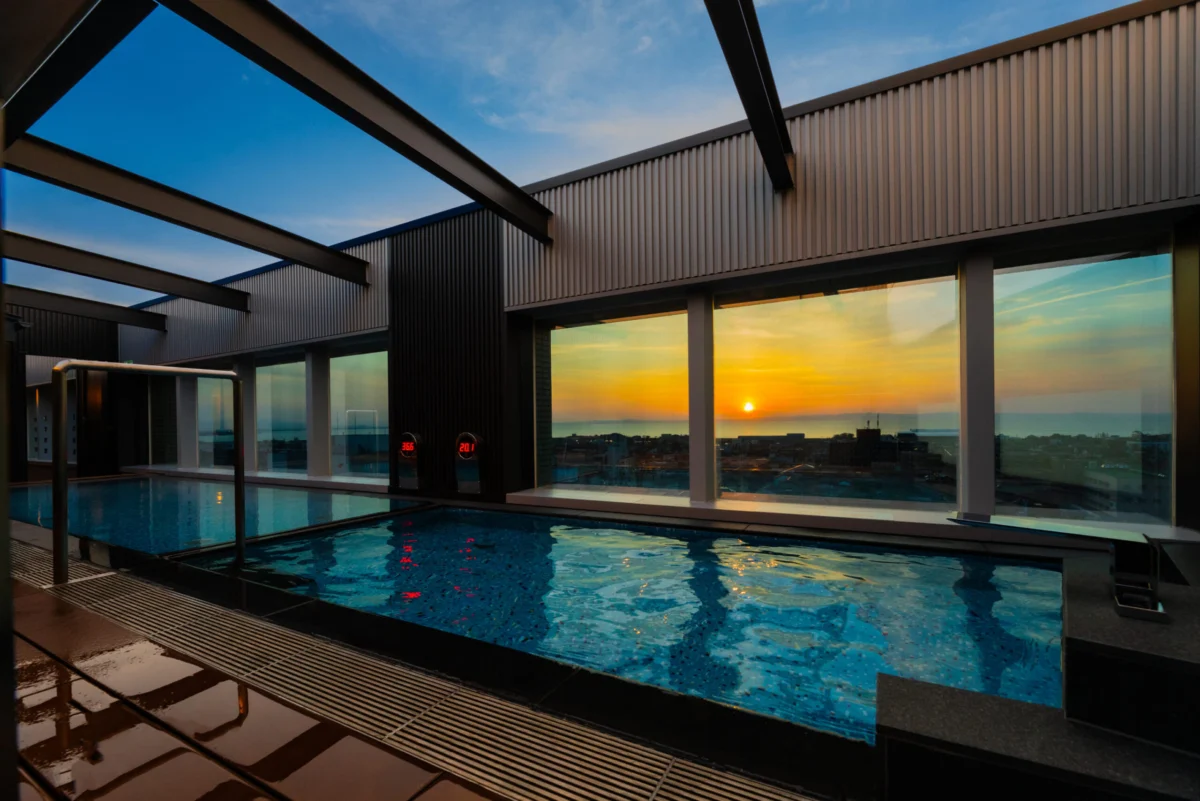
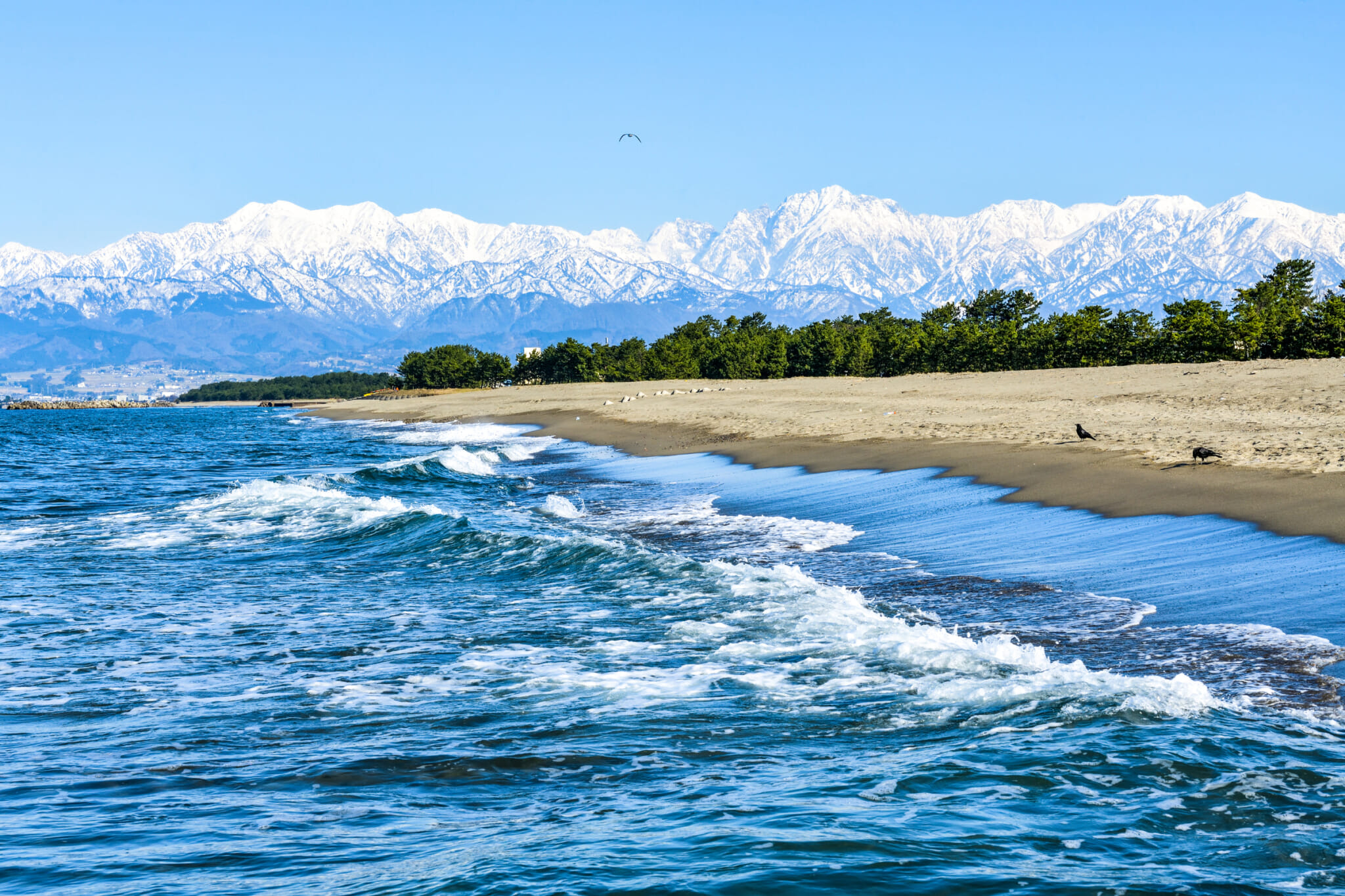
Few places on the Japanese archipelago are as inextricably tethered to the sea as Toyama Prefecture. Framed by the soaring, snow-capped peaks of the Tateyama Mountain Range and the plunging, mysterious depths of Toyama Bay, the region serves as a living laboratory for the intersection of land and water. For the culinary traveler, Toyama is not merely a destination; it is a pilgrimage site. Renowned for its pristine, mineral-rich waters and a marine ecosystem so abundant it is described locally as kito kito (a dialect term meaning fresh, lively, and full of life), the region offers a sensory experience that defines the very essence of Edomae sushi culture.
During a recent expedition to this coastal jewel, I explored the symbiotic relationship between Toyama’s historic maritime traditions and its modern-day gastronomic scene, culminating in an otherworldly encounter with the bioluminescent firefly squid beneath the pre-dawn stars.
The Culinary Foundation: Edomae and Beyond
Our journey began at Ayumi Sushi Honke, an establishment that stands as a bastion of authentic Edomae-style craftsmanship. In an era of mass-produced dining, Ayumi Sushi remains committed to the provenance of its ingredients. The menu is a rhythmic tribute to the daily catch from Toyama Bay, where the sudden drop in seafloor depth allows deep-sea species to thrive in proximity to the coast.
The highlights of the meal were a masterclass in texture and subtlety. We sampled nodoguro (blackthroat seaperch), known for its rich, buttery fat content; kawahagi (filefish), served with its own liver for a creamy, oceanic depth; and, inevitably, the signature hotaru ika (firefly squid). Each piece of sushi served as a reminder that the quality of Toyama’s seafood is derived from the bay’s unique topography, which creates a nutrient-rich environment unlike any other in Japan.
Iwase: A Historic Port and the Future of Sushi
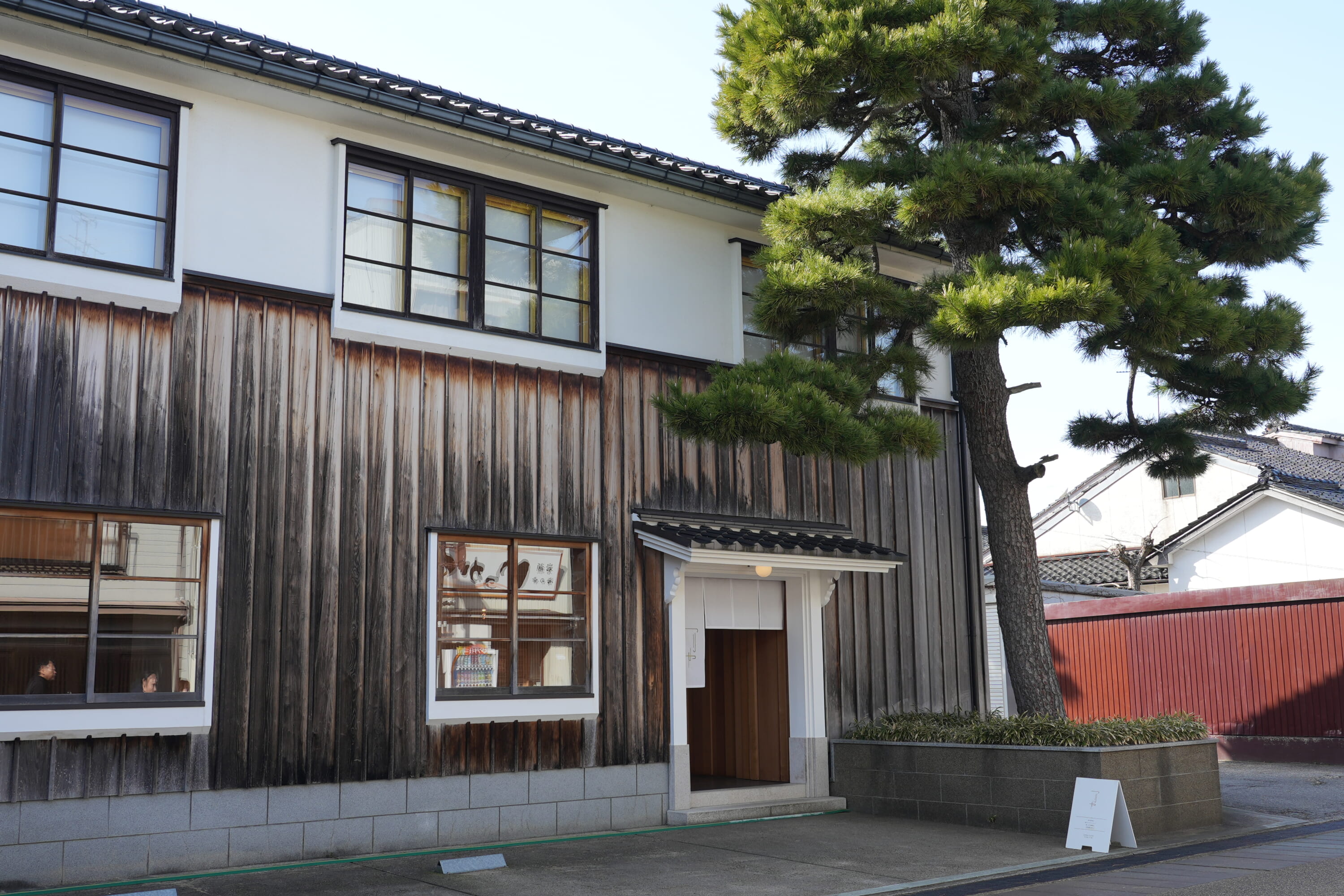
Leaving the city center, we traveled to the Iwase district, a place that feels as if it has been preserved in amber. Once a bustling hub for the Kitamaebune merchant ships that plied the Sea of Japan, Iwase is now a sanctuary of traditional wooden architecture and sprawling storehouses. Often whispered to be a more tranquil, coastal cousin to Kyoto’s Gion district, its narrow, labyrinthine streets invite a slower pace of life.
The Preservation of Craft
In Iwase, history is not stagnant; it is being actively taught. We visited the Hokuriku Sushi Academy, the region’s first dedicated, intensive training facility for sushi artisans. By institutionalizing the rigorous techniques required to prepare Toyama’s complex bounty, the academy ensures that the cultural heritage of the region’s cuisine will survive for generations to come.
Nearby, the Former Baba Family Residence offered a poignant look at the immense wealth generated by the sea during the late Edo period. Walking through its halls, one gains a profound appreciation for the merchants who built Japan’s early trade networks, turning a simple port into an economic engine.
The Masuizumi Legacy
No discussion of Toyama’s flavor profile is complete without nihonshu (sake). At the Masuda Shuzoten brewery, founded in 1893, we explored the technical side of Japan’s national drink. The brewery is famous for pioneering the ginjo-style sake—a refined, fragrant, and labor-intensive process. During a curated tasting experience, guests are invited to sample from a vast array of vintages. The standout was the Masuizumi SP, a sake defined by its clean, crisp finish and subtle, fruit-forward notes—a perfect pairing for the salinity of the local seafood.
Architectural Modernity and Retro Nostalgia
Toyama’s identity is not solely anchored in the past. Upon returning to the city, we visited Toyama Kirari, a multipurpose cultural complex designed by the world-renowned architect Kengo Kuma. The structure, which houses a public library, a bank, and a museum of glass, is a feat of design. Its jagged, crystalline exterior mirrors the peaks of the Tateyama range, while the interior—a warm, soaring atrium of wood and light—offers a stark, beautiful contrast to the glasswork it protects.
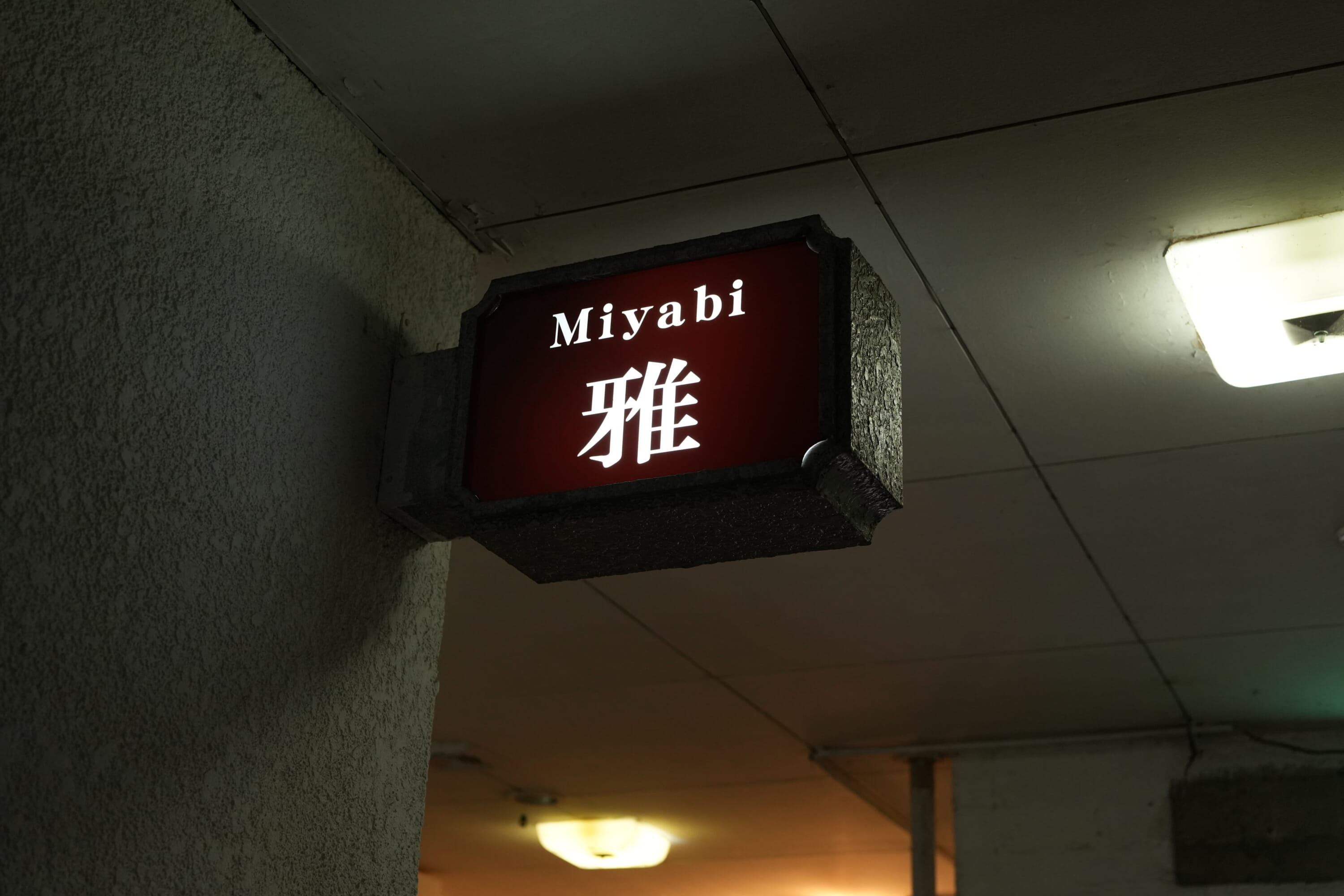
However, the evening demanded a shift in atmosphere. We retreated to Miyabi, a "snack bar" that defies modern culinary pretension. With 1980s posters lining the walls and the warm, dim glow of vintage lamps, Miyabi acts as a time capsule. Here, the sushi is unpretentious, the conversation flows freely with the Mama-san, and the experience is entirely communal. It is a reminder that in Japan, the most profound meals are often found in the most intimate, lived-in spaces.
The Bioluminescent Hunt: A Pre-Dawn Odyssey
The crown jewel of the trip began at 2 a.m. Departing from Namerikawa Port, we ventured into the absolute darkness of Toyama Bay. The goal: to witness the harvest of the hotaru ika.
As the boat cut through the silent, ink-black water, the anticipation was palpable. The firefly squid, which rise to the surface at night, are a natural phenomenon unique to this region. As the nets were hauled in, the deck was suddenly illuminated by a pulsing, neon-blue light. Thousands of tiny cephalopods, each no larger than a few inches, flickered in a synchronized display of bioluminescence. It was a surreal, humbling spectacle of nature, a silent light show occurring far from the eyes of the modern world.
Following the harvest, we sat with the fishermen for a breakfast of kito kito seafood. There is a primal truth in eating a creature moments after it has been pulled from the ocean. The texture was crisp, the flavor clean and sweet, providing a stark contrast to the sophisticated, prepared sushi we had enjoyed earlier in the day.
Chronology of the Expedition
- Day 1, 11:00 AM: Arrival and lunch at Ayumi Sushi Honke.
- Day 1, 2:30 PM: Cultural tour of Iwase, including the Former Baba Family Residence.
- Day 1, 4:00 PM: Sake tasting at Masuda Shuzoten.
- Day 1, 6:00 PM: Architectural visit to Toyama Kirari.
- Day 1, 8:00 PM: Dinner at the retro snack bar, Miyabi.
- Day 2, 2:00 AM: Departure from Namerikawa Port for the firefly squid fishing expedition.
- Day 2, 6:00 AM: Breakfast at the port with local fishermen.
- Day 2, 10:00 AM: Recovery at Hotel Gran Mirage’s onsen facilities.
- Day 2, 12:00 PM: Final culinary stop at Sakana no Eki Ikuji.
Implications and Reflections
The journey to Toyama offers more than just a culinary vacation; it presents a case study in regional preservation. The local fisheries, supported by the Kurobe Fisheries Cooperative and the educational efforts of institutions like the Hokuriku Sushi Academy, are successfully balancing the demands of modern tourism with the ecological realities of the bay.
Official Perspective
According to local industry reports, the hotaru ika season is strictly managed to ensure the sustainability of the bioluminescent population. Fishermen in Namerikawa have implemented rigorous harvesting limits, viewing their role as stewards of the bay rather than mere extractors of resources. This philosophy, known as satoyama and satoumi—the harmony between human life and the natural environment—is the heartbeat of Toyama.
Final Thoughts
As I sat on the shinkansen back to Tokyo, watching the rugged coastline fade into the distance, the memories of the trip crystallized. While the architecture of Kengo Kuma and the refined sake of Masuda Shuzoten were undeniably impressive, it was the blue, flickering light of the firefly squid that remained the most vivid.

Toyama teaches us that when we engage with the sea on its own terms—through the respect of the artisan, the preservation of history, and the humility of the midnight fisherman—we are rewarded with something that cannot be found in any restaurant menu: a direct, flickering connection to the natural world. It is a region that demands to be tasted, felt, and above all, respected.


 Neng Nana
 Asro
Asro