Asro
Asro
YouTube has long since transcended its origins as a simple repository for home videos. By 2026, it has cemented its position as the bedrock of global digital culture, a primary search engine, and a critical frontier for enterprise marketing. As the platform navigates its third decade, it remains the second most visited website on the planet, trailing only its parent company, Google.
For brands, creators, and analysts, understanding the current landscape of YouTube is no longer optional—it is a competitive necessity. With over 2.6 billion monthly active users and a staggering volume of daily uploads, the platform is evolving faster than ever. Below is an in-depth examination of the state of YouTube in 2026, the data driving its growth, and the strategic implications for the future of digital media.

The Core Landscape: Main Facts and Global Reach
At its core, YouTube is a titan of attention. It is currently the most popular social media platform in the United States, outpacing industry giants like Facebook, Instagram, and TikTok. This dominance is not limited to a single demographic or region; it is a global phenomenon.
Global Ubiquity
YouTube is available in over 100 countries and supports 80 different languages, making it the most accessible video platform in history. India currently leads the world in terms of total user count, boasting 491 million users, followed by the United States (253 million) and Brazil (144 million).

The Economics of Attention
The platform’s financial health is equally robust. In 2025, YouTube generated over $40 billion in advertising revenue, an 11% increase from the previous year. This growth is bolstered by a thriving ecosystem of 125 million paid subscribers across YouTube Premium and YouTube Music, proving that users are increasingly willing to pay for an ad-free, high-fidelity experience.
A Chronology of Evolution: From Home Videos to Streaming Dominance
To understand where YouTube is going, one must look at how it arrived here.
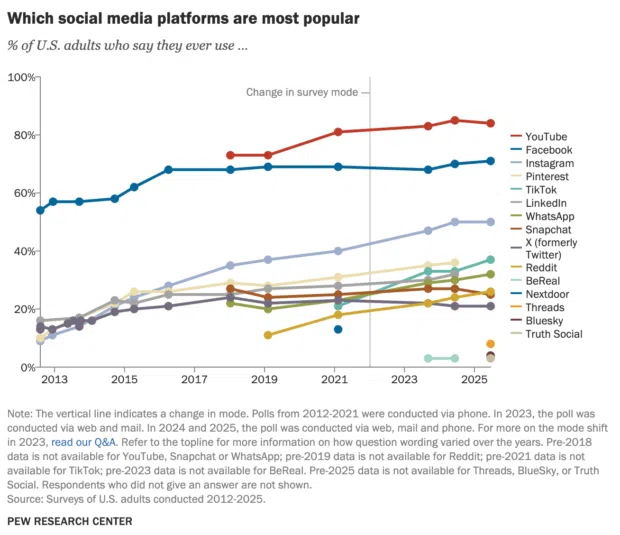
- The Early Years (2005–2010): The era of viral, low-fidelity content. YouTube proved that user-generated content could capture mass attention, leading to its acquisition by Google.
- The Creator Economy Surge (2011–2018): YouTube introduced monetization tools, shifting the platform from a hobbyist site to a professional career path for creators like MrBeast, who has since become the most subscribed channel with 492 million followers.
- The Short-Form Pivot (2019–2024): Facing existential pressure from TikTok, YouTube launched "Shorts." By 2026, Shorts have become the platform’s fastest-growing feature, averaging over 200 billion daily views.
- The Modern Era (2025–2026): YouTube has transitioned into a "living room" platform. It is now the most-watched streaming service in the U.S., with a significant shift toward connected TV (CTV) viewing, where 40% of users now encounter ads on their television screens.
Supporting Data: Understanding the User Base
Who is actually watching? The data suggests that YouTube’s appeal is far broader than its competitors.
Demographic Breakdown
While TikTok skews heavily toward Gen Z, YouTube maintains a stable, multigenerational audience. The largest age cohort on the platform is the 25-34 range, followed by the 35-44 group. This represents the most economically active demographic, a detail that is not lost on advertisers.
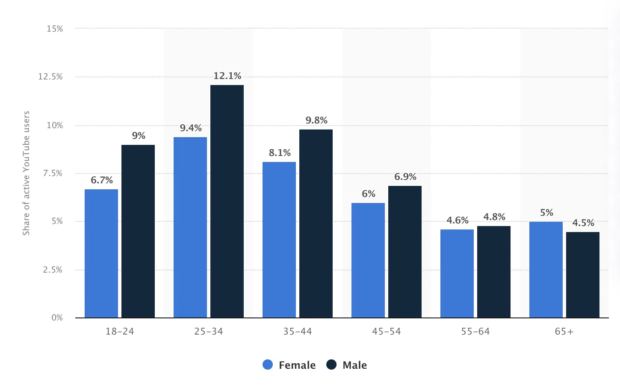
- Gender: The user base is relatively balanced, with 54.3% identifying as male and 45.7% as female.
- Education: YouTube users in the U.S. report high levels of formal education, with 89% of its user base being college graduates.
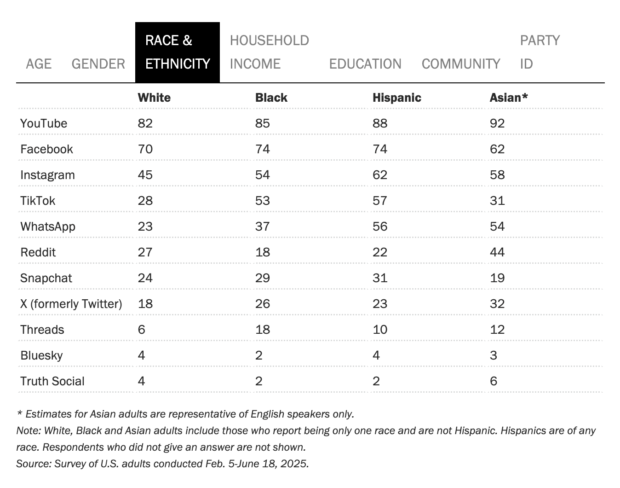
- Diversity: Usage across racial and ethnic groups in the U.S. is remarkably consistent, ranging from 82% to 92% across White, Black, Hispanic, and Asian populations.
Behavioral Insights
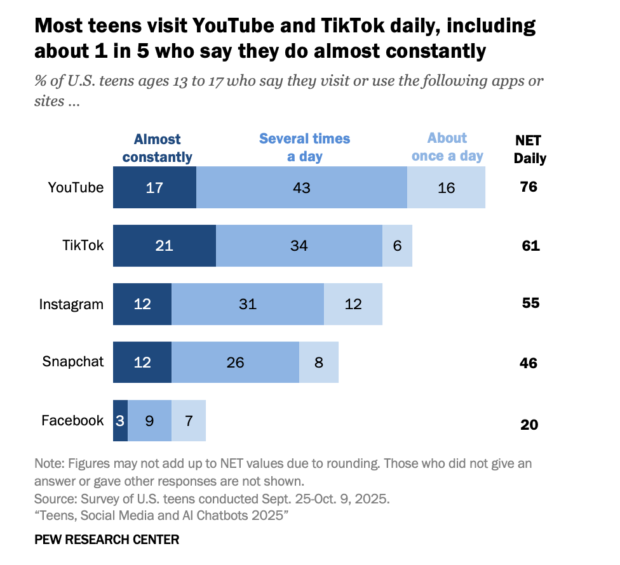
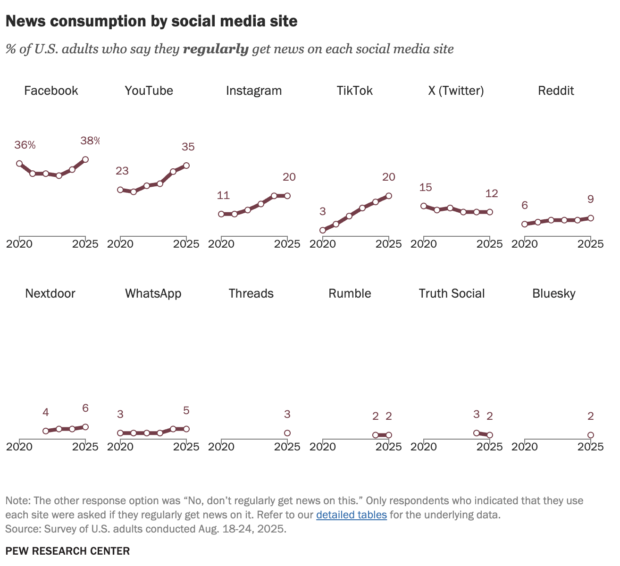
The "constant" nature of YouTube usage is perhaps its most significant metric. 76% of U.S. teens report using YouTube daily, with 17% admitting to using it "almost constantly." Furthermore, YouTube has become a primary news source, with 35% of U.S. adults reporting that they receive their news through the platform.
Official Responses and Strategic Shifts
YouTube’s leadership has focused heavily on the "multi-format" experience. By integrating long-form content, Shorts, and Live streaming into a single dashboard, the company has successfully kept users within the "walled garden" for longer periods.
The Rise of YouTube Music
YouTube Music is no longer just a secondary feature; it is a core pillar of the company’s revenue strategy. With 127 million users, the service is now a formidable competitor to Spotify and Apple Music. Notably, 40% of the top 1,000 most-viewed videos on the platform are music videos, with hits like "Despacito" crossing the 9-billion-view threshold.
Creator Monetization
Recognizing that creators are the lifeblood of the platform, YouTube has implemented revenue-sharing models for Shorts, allowing creators to retain 45% of ad revenue. This has incentivized professional-grade production values even in the short-form space, creating a more sustainable environment for creators.
Implications for Brands and Enterprises
For businesses, the data provided for 2026 yields three critical takeaways for marketing strategy:
1. The Multi-Format Necessity
With 69% of companies now using YouTube for marketing, the platform is no longer optional. However, success in 2026 requires a hybrid approach. Brands must leverage Shorts for rapid reach and brand awareness, while utilizing long-form content to build the "deep trust" that drives conversions.
2. The Connected TV (CTV) Opportunity
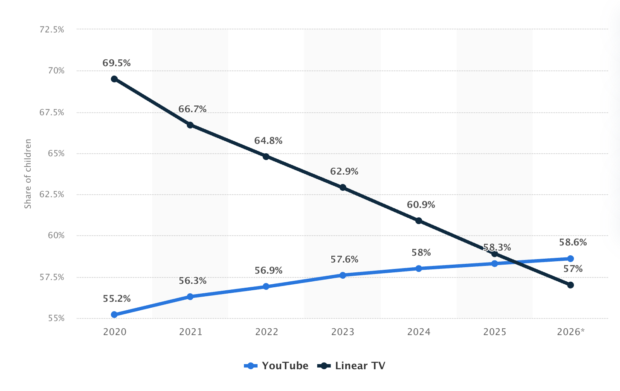
The shift toward watching YouTube on television sets is perhaps the most important trend for high-end advertisers. As linear TV continues to decline, YouTube has become the primary destination for "lean-back" video consumption. Ads placed on connected TVs offer a premium, cinematic experience that was previously only available through traditional television buys.
3. Shopping as a Content Pillar
Last year, users watched over 35 billion hours of shopping-related content. YouTube is effectively acting as the world’s largest search engine for product reviews and purchasing decisions. Brands that fail to integrate their products into "how-to" or "review-style" content are missing the point of the customer journey where the actual decision to buy is made.
Conclusion: The Path Forward
The numbers for 2026 paint a clear picture: YouTube is the backbone of the digital media ecosystem. With 87 million creators worldwide and billions of hours of content consumed daily, it has successfully transitioned from a library of videos to a fundamental pillar of human communication and commerce.
For the modern marketer, the strategy is clear. Do not treat YouTube as a static platform for "post-and-pray" videos. Instead, treat it as a sophisticated, multi-format funnel. By tracking the right metrics—specifically watch time, audience retention, and conversion rates—brands can move beyond simple vanity numbers and tap into the immense, consistent ROI that YouTube offers. As we look toward the remainder of the decade, YouTube’s ability to adapt to new technologies like AI and AR will likely keep it at the top of the social media hierarchy for years to come.


 Jia Lissa
 Raul Delapena Setiawan