Azzam Bilal Chamdy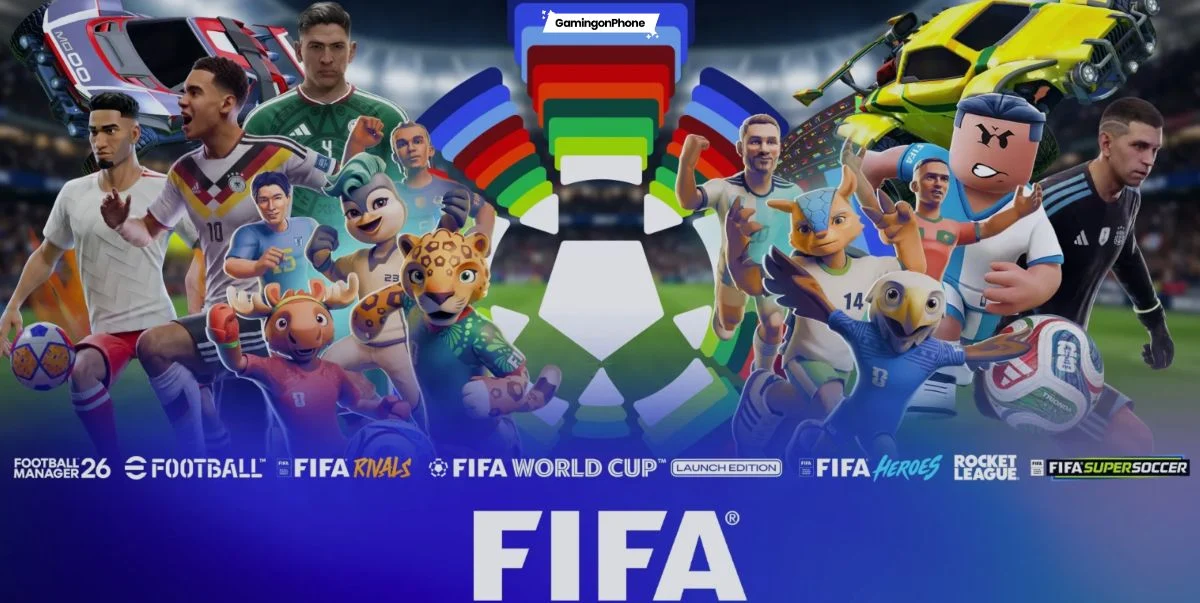
The landscape of virtual football has undergone a seismic shift. For decades, the name "FIFA" was synonymous with a single, monolithic video game franchise developed by Electronic Arts. However, as the countdown to the FIFA World Cup 2026 intensifies, the world’s football governing body has officially unveiled a bold, decentralized "Digital Football Strategy." By moving away from an exclusive licensing model, FIFA is evolving into a multi-platform, multi-genre ecosystem, signaling that the future of digital football is not tied to one game, but spread across a diverse array of interactive experiences.
The Strategic Pivot: A Multi-Partner Ecosystem
In a clear departure from its previous reliance on a single primary publisher, FIFA is now orchestrating a sprawling gaming network. This new strategy aims to capture audiences across every segment of the gaming market—from hardcore simulation enthusiasts to casual mobile gamers and Gen Alpha users on social platforms.
This "Digital Football Strategy" is designed to act as a bridge between the physical tournament—the 2026 World Cup—and a digital landscape that remains active 365 days a year. By diversifying its partnerships, FIFA is no longer putting all its eggs in one basket; instead, it is curating a portfolio of games that serve different demographics.
A Chronology of the Split and Rebirth
To understand the significance of this move, one must look at the timeline of the last few years:
- Pre-2022: The "EA Sports FIFA" era dominated the market, with the game serving as the de facto face of the brand.
- May 2022: The historic split between FIFA and Electronic Arts. Following failed negotiations over the cost of the licensing fee and the scope of usage, the two parties parted ways, ending a partnership that spanned nearly 30 years.
- 2022–2024: A period of transition. FIFA began testing the waters with smaller, experimental titles and non-traditional gaming experiences while EA successfully rebranded to EA Sports FC.
- 2025–2026: The current "Digital Football Strategy" implementation. FIFA has now solidified its roster of partners, incorporating heavy hitters like KONAMI and specialized mobile developers to build a comprehensive digital footprint.
Supporting Data: By the Numbers
The scale of FIFA’s digital footprint is immense. During the announcement of the new strategy, the governing body provided key performance metrics that highlight the success of their multi-platform approach:
- Roblox Dominance: FIFA Super Soccer, developed in collaboration with Gamefam, has achieved monumental success, boasting over 10 million monthly active users and surpassing one billion total plays. This proves the viability of reaching younger demographics on metaverse-style platforms.
- Mobile Engagement: FIFA Rivals has solidified its place in the mobile market, crossing the 2.5 million download milestone shortly after its global release.
- Esports Reach: Perhaps the most impressive figure comes from the integration with KONAMI’s eFootball. Over 16 million players participated in FIFAe competitions last year, with the ecosystem generating over 1.1 billion total views. These numbers prove that the "FIFA" brand remains a massive draw for competitive gaming, regardless of the underlying engine.
Current Roster: A Diverse Portfolio
FIFA’s current gaming lineup is a testament to its "multi-genre" philosophy. Rather than forcing every game to be a 1:1 simulation, the organization is licensing its brand to games that suit their specific gameplay loops:
- eFootball (KONAMI): Acting as the primary competitive simulation, it provides the backbone for the FIFAe World Cup 2026 Challenger Series.
- Football Manager 26: By bringing official World Cup content to the world’s most detailed management sim, FIFA captures the analytical, long-term strategic audience.
- FIFA Rivals & FIFA Heroes: These titles focus on the burgeoning mobile-first market, prioritizing quick, accessible sessions.
- FIFA Super Soccer (Roblox): Targeted at a younger, social-focused demographic, this title ensures the brand remains relevant to the next generation of football fans.
- Rocket League: Through strategic esports collaborations, FIFA has tapped into the high-octane, arcade-style vehicle sports scene, proving that "football" can be interpreted in creative, non-traditional ways.
Implications for the Industry
The move to a multi-partner strategy has profound implications for the gaming industry.

The End of the "Untouchable" License
For years, the FIFA license was seen as the "gold standard" for realism. When EA and FIFA split, many pundits believed the governing body would struggle to remain relevant without a major simulation title. However, by embracing smaller, more frequent collaborations, FIFA has essentially made itself "untouchable" by becoming ubiquitous. Instead of one game representing the World Cup, the World Cup will be present in every game.
Competition and Innovation
By spreading its licensing across different companies, FIFA is encouraging competition. KONAMI, Sports Interactive, and various mobile developers are now under pressure to prove their value to the FIFA brand. This creates an environment where developers are incentivized to innovate, as FIFA is clearly willing to seek out the best-in-class for every specific genre.
The Role of the World Cup 2026
The 2026 World Cup serves as the ultimate "anchor" for this strategy. In the past, the World Cup was a game mode inside a single title. Now, it will be a multi-platform event. Fans playing Football Manager will experience the tournament through tactical lenses; those in eFootball will play through the competitive bracket; and casual players in Roblox will interact with the branding and atmosphere of the event. This creates a cohesive marketing funnel that keeps the user engaged regardless of what they are playing.
Official Stance and Future Outlook
FIFA has been transparent about its goals: it is no longer looking for a "one-stop-shop" gaming partner. The governing body’s leadership has emphasized that they are building an ecosystem, not a product. Their aim is to integrate the "FIFA experience" into the daily habits of football fans globally.
As we look toward 2026, the question is not "Which game will be the official FIFA game?" but rather "How many ways can we interact with the FIFA brand today?"
Whether it is the deep tactical simulation of Football Manager, the high-speed competitive play of eFootball, or the social sandbox of Roblox, FIFA has successfully decentralized its identity. By prioritizing accessibility and variety, the governing body has arguably secured a more resilient and far-reaching future for the brand than it ever had under the old, exclusive model.
The "Digital Football Strategy" is more than just a list of games; it is a declaration that FIFA intends to own the digital space in the same way it owns the physical pitch. With millions of players already onboard, the stage is set for a truly global, multi-platform celebration of the beautiful game.

 Asro
Asro
 Nana Wu