

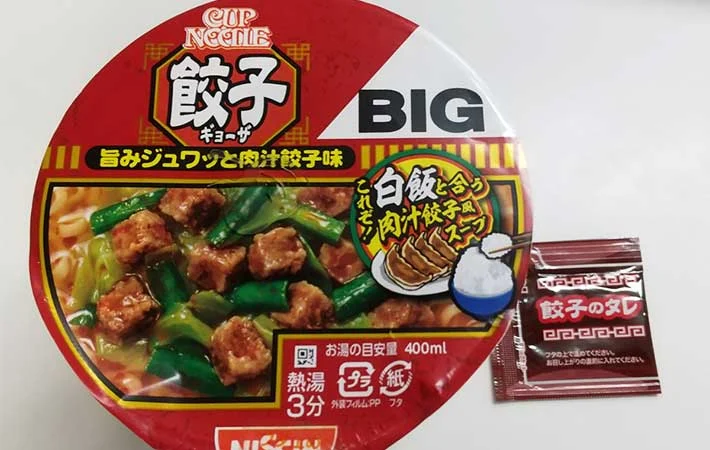
In the world of Japanese comfort food, few pairings are as iconic or as universally celebrated as ramen and gyoza. The juxtaposition of savory, slurpable noodles and the crispy, juicy bite of a pan-fried dumpling has served as the backbone of Japanese dining culture for decades. Recognizing the fervor surrounding this classic duo, industry titan Nissin Foods recently unveiled an ambitious innovation: the "Cup Noodle Gyoza BIG." By condensing the essence of a dumpling house visit into a single, shelf-stable serving, Nissin has once again pushed the boundaries of instant food technology.
Main Facts: A Bold Culinary Experiment
The "Cup Noodle Gyoza BIG" is more than just a flavor experiment; it is a calculated effort to replicate the complex flavor profile of a gyoza—specifically the aromatic punch of ginger, garlic, chives, and sesame—within the infrastructure of an instant ramen cup.
The product features several key components that distinguish it from standard Cup Noodle offerings:
- The Broth Base: A savory soup formulated to mirror the umami depth of gyoza filling.
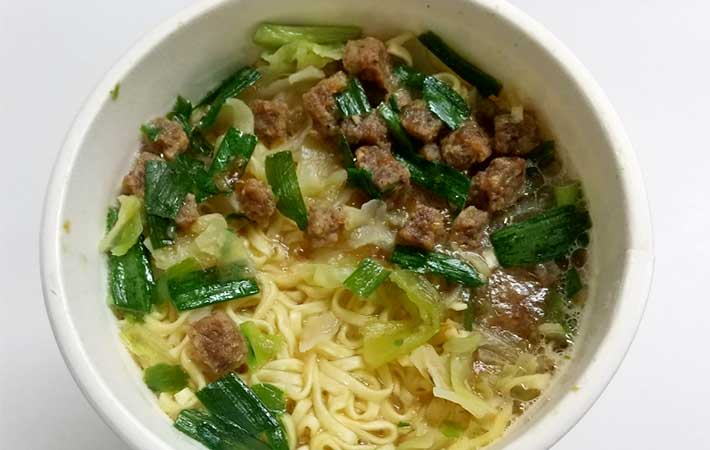
- The Inclusions: Rehydratable cabbage and chives, which provide the authentic texture of dumpling contents, alongside Nissin’s iconic "mystery meat" (seasoned pork).
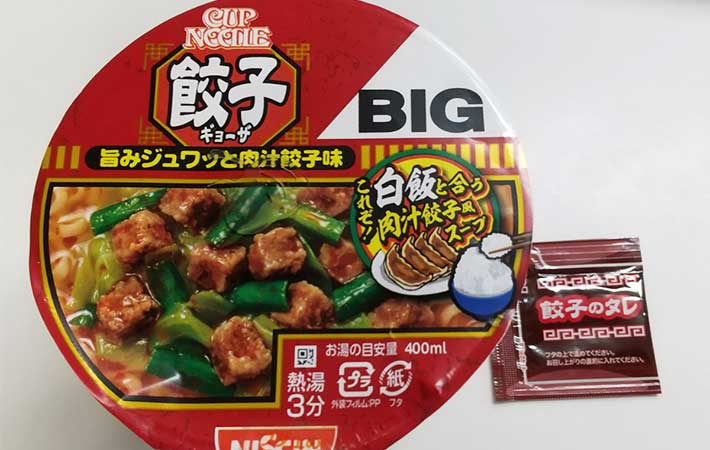
- The Gyoza Sauce Packet: A specialized finishing oil containing a potent blend of soy sauce, sesame chili oil (rayu), and vinegar.
This product is categorized under Nissin’s "BIG" series, implying a larger portion size designed to satisfy those who would typically order both a ramen bowl and a side of dumplings. By providing the sauce as an add-on, Nissin allows the consumer to control the acidity and the aromatic impact of the dish, mimicking the act of dipping a freshly fried gyoza into a custom sauce mixture.
Chronology: From Concept to Slurp
The journey of the Cup Noodle Gyoza BIG follows a rigorous development schedule typical of Nissin’s R&D department in Yokohama.
- Ideation Phase: Nissin researchers identified that the most popular request among instant noodle consumers was the ability to replicate the "restaurant experience" at home without the logistical burden of frying dumplings.
- Flavor Prototyping: The team spent months perfecting the ratio of vinegar to chili oil. The primary challenge was ensuring the acidity of the vinegar did not degrade the noodle texture during the three-minute rehydration process.
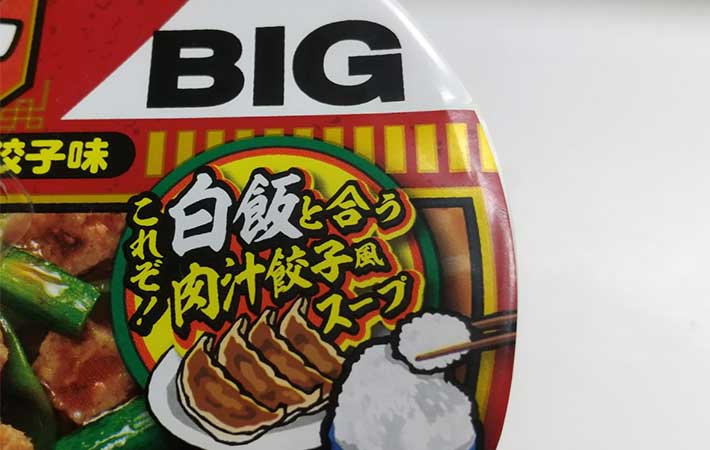
- Launch and Market Entry: The product hit Japanese convenience store shelves in early 2023. The marketing campaign focused heavily on the "rice-compatibility" factor, a staple of Japanese culinary marketing that highlights dishes salty or savory enough to pair perfectly with a side of steamed white rice.
- The Tasting Experience: Upon opening the package, the user follows a standard procedure: adding boiling water, sealing the lid for three minutes, and—crucially—adding the gyoza dipping sauce packet only after the noodles have reached the ideal consistency.
Supporting Data: Why the Gyoza-Ramen Hybrid Works
The effectiveness of this product lies in the sensory profile of the ingredients. When analyzing the components, it becomes clear that Nissin has leveraged food science to manipulate the consumer’s palate:
- Olfactory Impact: The chili oil (rayu) acts as a flavor enhancer, stimulating the olfactory senses before the first bite is even taken. This is essential for recreating the sensation of eating a hot, pan-seared dumpling.
- Texture Contrast: The inclusion of dehydrated cabbage is a masterstroke. Unlike standard ramen toppings like green onions, which provide a sharp, crisp bite, the rehydrated cabbage softens in the broth, perfectly mimicking the texture of the steamed cabbage found inside a traditional gyoza.
- Umami Synergy: The interaction between the soy-based broth and the vinegar in the sauce packet creates a "bright" flavor profile. In culinary terms, the acidity cuts through the richness of the pork-based "mystery meat," preventing the palate from becoming fatigued—a common issue with heavier instant noodle soups.
Official Responses and Consumer Sentiment
While Nissin has not released specific sales figures, the reception on social media and Japanese consumer forums has been overwhelmingly positive. The "Grape Japan" editorial staff, who conducted a hands-on review, noted that the flavor profile leans heavily into the "gyoza" side of the equation.
"When we took a sip of the soup, the flavor of spicy sesame oil from the gyoza sauce quickly spread through our mouth and gave a delicious, yet not overpowering, punch from the get-go," the staff reported. "Even though we were slurping ramen, it somehow gave us the illusion that we were eating gyoza."
The consensus among early adopters is that the product succeeds in its primary goal: it offers the psychological satisfaction of a full meal combo. The "rice-pairing" factor mentioned on the packaging was verified by reviewers, who noted that the broth’s savory, oily nature demands a side of carbohydrates to soak up the remaining liquid.
Implications: The Future of Instant Fusion
The success of the Cup Noodle Gyoza BIG suggests a shift in the instant noodle market. We are moving away from simple "beef" or "chicken" flavors and toward "experience-based" flavors. Nissin is no longer just selling a bowl of soup; they are selling a specific moment in time—the act of sitting at a ramen counter, the smell of frying oil, and the satisfaction of a complete meal.
The Rise of "Complex" Instant Meals
This trend has significant implications for the future of global food manufacturing. As consumers become more sophisticated, the demand for "fusion" instant meals will likely grow. We can expect to see more products that require "finishing steps"—such as adding a specialized sauce or oil packet at the end of the cooking process—to ensure freshness and complexity.
Environmental and Logistical Considerations
However, this trend does come with challenges. The inclusion of multiple packets (soup base, inclusions, and finishing sauces) increases the amount of packaging waste per serving. Furthermore, the shelf-life of liquid-based sauce packets is shorter than that of dehydrated powders, which may limit the global distribution of these more complex flavor profiles.
Cultural Preservation through Innovation
Finally, it is worth noting how Nissin’s product serves as a form of cultural shorthand. By distilling the gyoza-ramen combo into a single cup, Nissin is making a piece of Japanese culinary heritage accessible to those who may not have access to a local ramen shop. It is a democratization of a classic pairing, allowing anyone with a kettle and three minutes to partake in a cultural staple.
Conclusion: A Must-Try for the Instant Noodle Connoisseur
For those who find themselves caught in the eternal struggle of choosing between a hearty bowl of noodles or a plate of crispy dumplings, the Cup Noodle Gyoza BIG offers a compromise that refuses to sacrifice flavor. It is a testament to the ingenuity of Japanese food engineering, proving that even the most complex restaurant-style meals can be successfully miniaturized.
Whether or not this becomes a permanent fixture in the Nissin lineup remains to be seen, but for now, it stands as a shining example of how instant food can surprise, delight, and satisfy. If you find yourself in the mood for a robust, savory, and aromatic meal that pushes the boundaries of what a "cup of noodles" can be, the Gyoza BIG is not just an option—it is an essential experience for any fan of Japanese cuisine.
As the industry continues to evolve, one thing is certain: the line between "instant" and "gourmet" is becoming increasingly blurred. With products like the Cup Noodle Gyoza BIG, the future of our kitchen pantries looks significantly more delicious.












No comments yet. Be the first to join the conversation!