

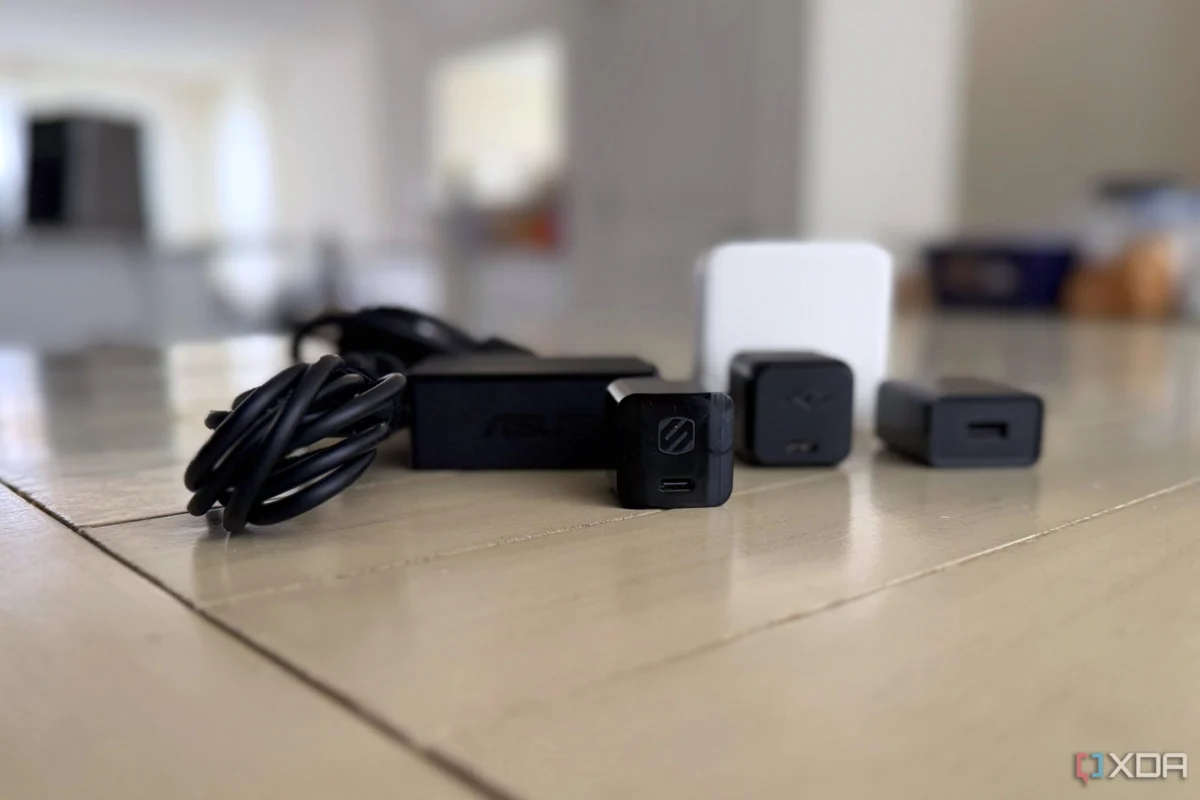
In an era where our lives are tethered to high-performance smartphones, gaming handhelds, and power-hungry laptops, the humble power brick has become an essential utility. However, beneath the sleek, minimalist exteriors of modern chargers lies a complex piece of engineering—a miniature computer dedicated to managing the delicate flow of electricity into your expensive hardware.
While we often obsess over the latest processor benchmarks or display refresh rates, the component responsible for keeping those devices alive is frequently treated as an afterthought. This neglect leads to a dangerous trend: the procurement of budget, unbranded charging bricks that promise high performance at a fraction of the cost. As someone who has spent years testing hardware and dissecting the mechanics of power delivery, I am here to issue a warning: not all chargers are created equal, and a "bargain" purchase today could result in a catastrophic failure tomorrow.
The Anatomy of Power: Why Certification Matters
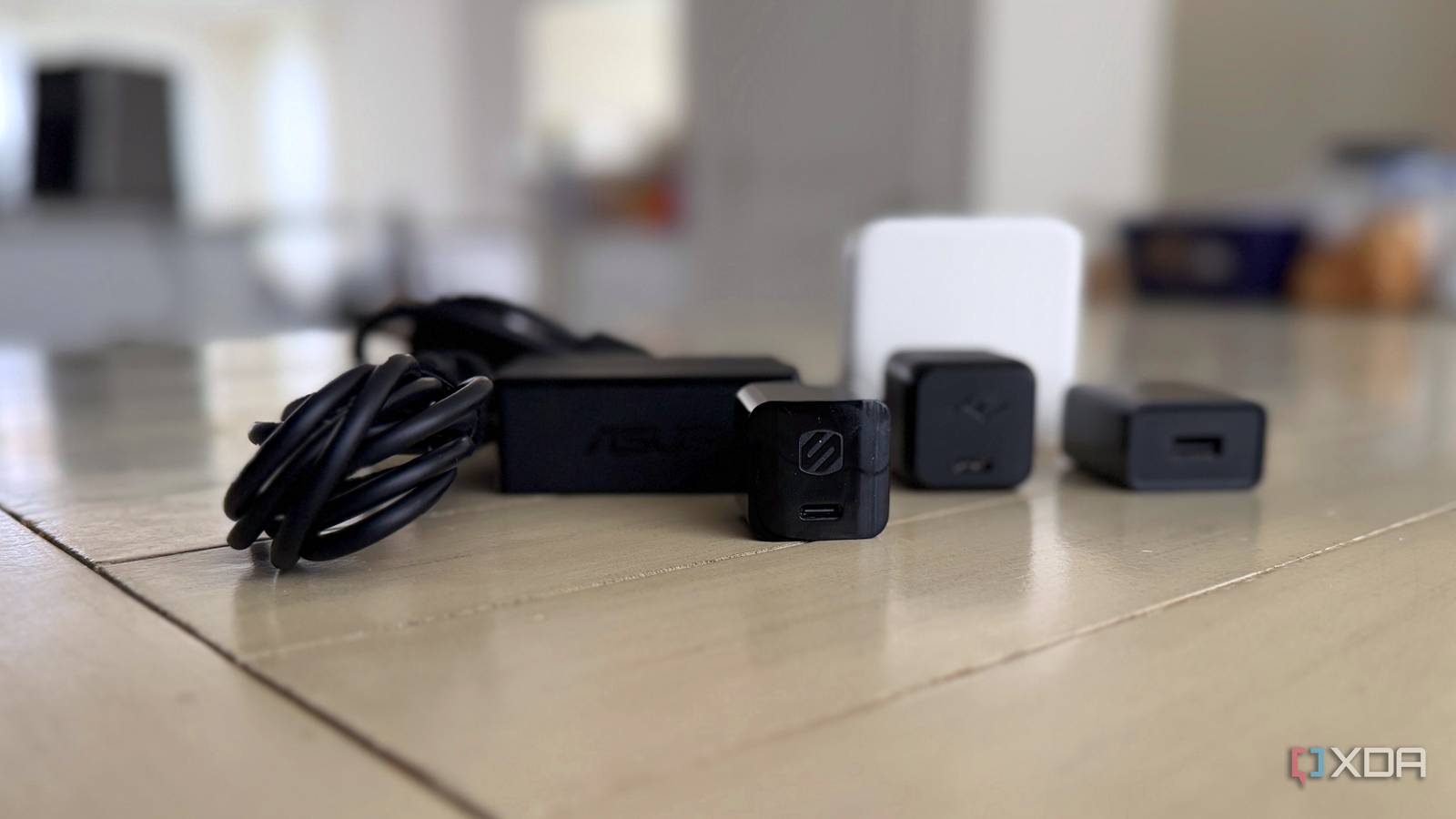
At the core of any reputable charger is a series of sophisticated safety protocols. A well-designed power brick is not merely a transformer; it is an intelligent device that negotiates with your hardware to determine the precise voltage and current required.
Core Concepts: Voltage, Current, and Protection
The fundamentals of power are defined by the equation Power (W) = Voltage (V) × Current (A). Modern standards, specifically USB Power Delivery (USB-PD) and the newer PD 3.1, allow for a dynamic range of power delivery—from standard 5V mobile charging to the 48V profiles required for 240W heavy-duty hardware.

Crucially, a safe charger must integrate a suite of protective circuits:
- Over-Voltage Protection (OVP): Prevents voltage spikes from reaching and frying your device’s motherboard.
- Over-Current Protection (OCP): Ensures the device doesn’t draw more power than it can handle.
- Short-Circuit Protection (SCP): Immediately cuts power if a fault is detected to prevent overheating or fire.
- Over-Temperature Protection (OTP): Shuts down the unit if internal temperatures exceed safety thresholds.
Cheap, no-name chargers frequently omit these components to cut manufacturing costs. When these protections are absent, the "dice roll" begins. A minor power fluctuation in your home grid, which a quality charger would ignore, can become a fatal surge for your smartphone or laptop if the power brick is inadequately shielded.
The Gold Standard: USB-IF and PPS
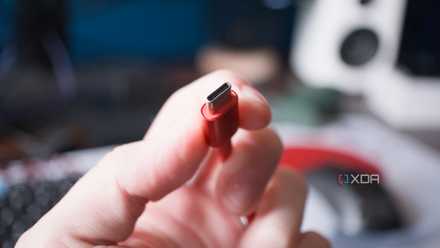
Certification is the only objective way to verify safety. The USB Implementers Forum (USB-IF) sets the standard for interoperability and safety. When you see the USB-IF logo on a charger or a cable, it signifies that the product has undergone rigorous compliance testing.
Furthermore, you should prioritize Programmable Power Supply (PPS) support. PPS allows the charger to adjust voltage and current in real-time based on the device’s thermal state and battery charge level. This isn’t just about efficiency; it’s about heat management. A charger that supports PPS runs cooler and extends the lifespan of your device’s battery by minimizing unnecessary heat stress during the charging cycle.

The GaN Revolution: Understanding the Hype
The last few years have seen the widespread adoption of Gallium Nitride (GaN) technology. GaN is a semiconductor material that enables chargers to be significantly smaller and more efficient than their traditional silicon-based counterparts.
However, a common misconception is that "GaN" is a synonym for "safer." While GaN allows for higher efficiency and better heat dissipation, it does not guarantee quality. A poorly engineered GaN charger can be just as dangerous as a poor-quality silicon one. GaN technology is most impactful at the 65W threshold and above. If you are looking at a 20W charger, the benefits of GaN are marginal. When buying high-wattage travel bricks—essential for powering laptops and gaming consoles—GaN is preferred, but always verify that the manufacturer is reputable.
Chronology of Charging Standards: From Proprietary to Universal
The landscape of charging has evolved through three distinct eras:
- The Proprietary Era (Pre-2015): Every laptop and phone manufacturer utilized unique, non-interchangeable barrel jacks or proprietary USB configurations. Safety was managed by the OEM, but consumer flexibility was non-existent.
- The Transition Era (2015–2020): The introduction of USB-C and the early iterations of USB-PD brought hope for a universal standard. However, this period was plagued by "bad cables" and non-compliant chargers that caused widespread device damage, leading to a massive push for stricter enforcement of standards.
- The Modern Standard Era (2021–Present): With the arrival of USB-PD 3.1 and the global mandate for standardized charging (championed by the EU), we have entered a phase where, in theory, one charger can power everything. Yet, this has created a market saturation of low-quality "universal" chargers that claim to meet these standards but fail to deliver on safety.
Per-Device Class Breakdown: Matching Your Needs
It is a common myth that using a high-wattage charger will "force" too much power into a phone, potentially causing damage. In reality, the device dictates the power draw. However, you should be mindful of how different device classes interact with power adapters:
Laptops and Gaming Handhelds
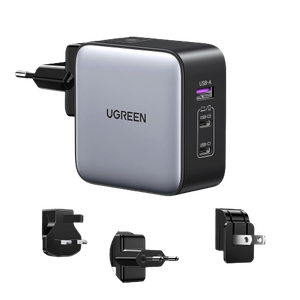
For devices like the Steam Deck or the ASUS ROG Ally, you are dealing with high power draws (45W–100W+). These devices require consistent, clean power. For laptops, if your device uses a proprietary connector, I strongly recommend sticking to the OEM charger. If you use a third-party USB-C charger, ensure it is from a reputable brand and supports the required PD profile. Never compromise on cables here. Using a low-quality cable for 100W+ charging can lead to melted connectors and potential fire hazards.
Phones and Tablets
Most modern mobile devices thrive on 25W–45W charging. If you have a phone with a proprietary fast-charging protocol (like those seen from some Chinese OEMs), you are often tethered to the brand’s specific charger to achieve those "super-fast" speeds. For everything else, a high-quality 30W–45W PD+PPS charger is the gold standard for versatility.
Implications: The High Cost of Cheap Deals
The implications of using shoddy charging equipment go beyond simple device failure. There are three tiers of risk:
- Performance Degradation: Inconsistent voltage causes the device’s internal power management IC (PMIC) to work harder, leading to faster battery degradation and potential "throttling" of performance during charging.
- Data Loss and Hardware Death: A single surge can destroy a device’s logic board, rendering it unrecoverable.
- The Fire Hazard: This is the most critical implication. Chargers that lack proper isolation between the high-voltage AC side and the low-voltage DC side can, under fault conditions, transfer dangerous voltages directly to the device chassis or the charging cable. This has led to countless documented cases of electrical fires.
Practical Advice: How to Keep Your Home and Gear Safe
If you are looking to audit your current setup, follow these rules:

- Audit Your Cables: If a cable has a kink, a frayed sleeve, or a loose connector, discard it immediately. Never use cables that came with "mystery" devices.
- The "30-40% Rule": Size your charger to be 30% to 40% more powerful than your maximum draw. If your laptop needs 65W, use a 100W charger. This ensures the charger operates well within its comfort zone, reducing thermal stress and increasing longevity.
- Sensory Checks: A charger should get warm, not hot. If you cannot touch the brick comfortably, or if you hear a high-pitched buzzing or "whining" noise, it is an immediate red flag. Unplug it and replace it.
- Brand Loyalty: Stick to established names. While they carry a price premium, you are paying for the R&D, the safety testing, and the adherence to international standards (such as UL, CE, and FCC marks).
In conclusion, the next time you find a "deal" on a multi-port charger that seems too good to be true, remember that you aren’t just buying a piece of plastic—you are buying a safety system. Do not gamble your home or your devices for the sake of saving a few dollars. Invest in quality, look for the certifications, and keep your power delivery as reliable as the devices it supports.












No comments yet. Be the first to join the conversation!