

The daily ritual of the New York Times Connections puzzle has become a cornerstone of morning routines for millions of players worldwide. As game #1083 arrives, enthusiasts find themselves once again staring down a sixteen-word grid, tasked with the cerebral challenge of uncovering hidden linguistic, thematic, and lateral associations. Whether you are a seasoned veteran looking to maintain a perfect streak or a newcomer struggling with the day’s trickier categories, this guide provides the context, strategy, and necessary insights to navigate today’s puzzle successfully.
Understanding the Landscape of Connections #1083
For the uninitiated, NYT Connections is a masterclass in lexical dexterity. The game presents a 4×4 grid of words, requiring the player to identify four distinct groups of four items, each linked by a specific commonality. The game’s brilliance lies in its use of "red herrings"—words that appear to fit into multiple categories, designed to lead the unwary player toward a premature loss.
Today’s puzzle, game #1083, maintains the high standard of difficulty that the New York Times editorial team has established. As with every release, the puzzle went live at midnight in your local time zone, marking a fresh opportunity to test your pattern-recognition skills. If you find yourself lingering on yesterday’s challenges, ensure you have navigated to the correct edition; puzzle #1082 (May 28) offers a different set of obstacles, and maintaining consistency is key to long-term success.
A Chronology of the Daily Challenge
The evolution of Connections within the New York Times portfolio reflects a broader shift in digital entertainment. Following the viral success of Wordle, the Times expanded its gaming suite to include Strands, Quordle (as a common external association), and Connections.
The chronology of a standard Connections game is straightforward yet demanding:
- The Midnight Launch: The puzzle refreshes daily, creating a synchronized global event where the internet collectively tackles the same linguistic hurdles.
- The Initial Scan: Experienced players begin by identifying obvious groupings—often the "easy" (Yellow) or "straightforward" (Green) categories.
- The Trap Phase: As the grid clears, the remaining words often share ambiguous traits, forcing players to confront the "Purple" category—a group usually reserved for wordplay, puns, or highly specific cultural niches.
- The Resolution: Through deduction, elimination, or, occasionally, a stroke of genius, the grid is completed, revealing the final thematic threads.
Supporting Data: The Mechanics of Difficulty
To understand Connections, one must look at the color-coded difficulty system:
- Yellow: Typically the most direct, often involving synonyms or straightforward commonalities.
- Green: Slightly more abstract, often requiring a moderate level of knowledge about a specific field or subject.
- Blue: The "expert" level, where words might be linked by their role in phrases, prefixes, or suffixes.
- Purple: The wild card. This is where the Times exercises its most creative, often frustrating, lateral thinking, utilizing everything from pop culture references to archaic word roots.
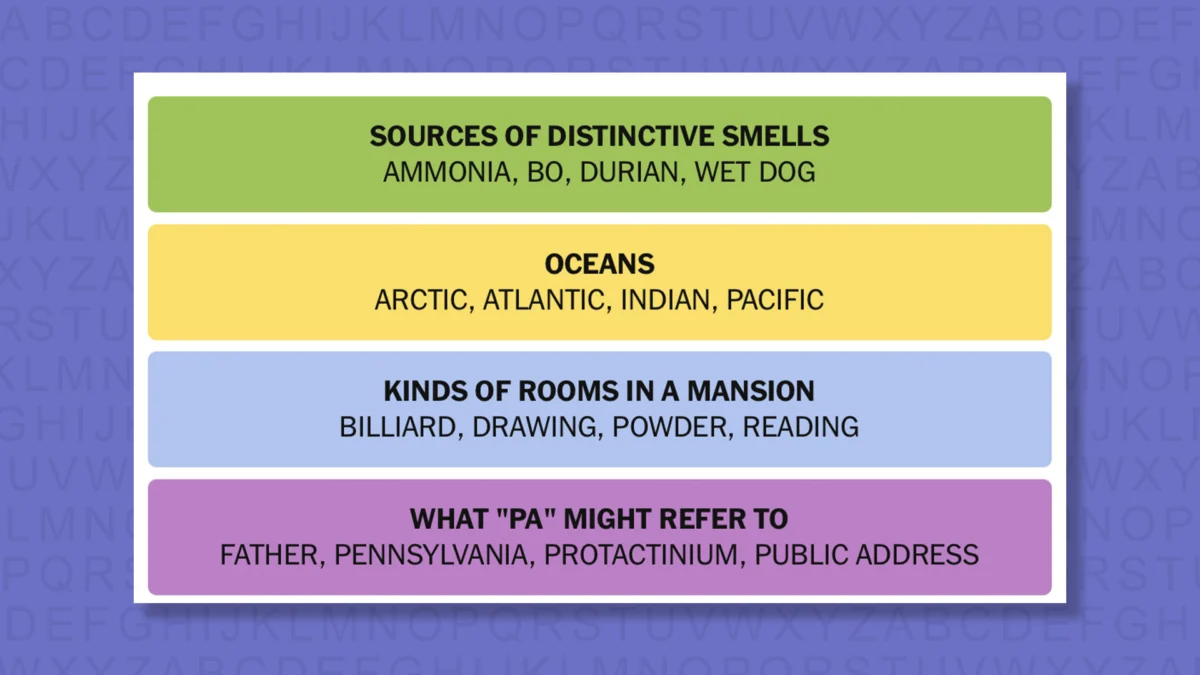
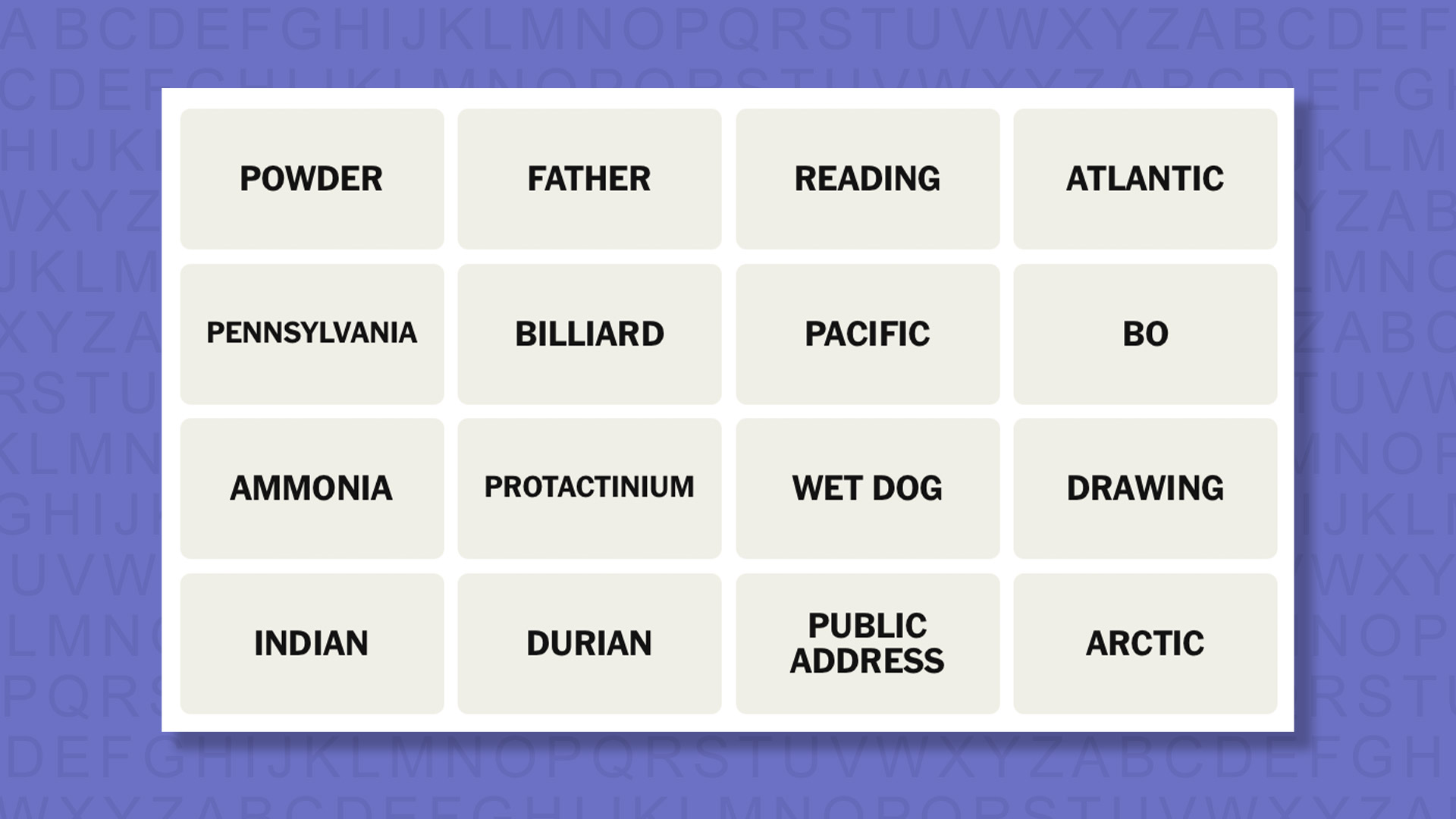
In today’s iteration, players were met with a particularly devious intersection of scientific terminology and colloquialisms. For instance, the inclusion of "PROTACTINIUM"—a dense, radioactive actinide metal—initially caused confusion for many. The challenge lies in how such a word interacts with mundane items. In the case of game #1083, the temptation to group "PROTACTINIUM" with "DURIAN" and "WET DOG" based on the assumption that all three are "stinky" or unpleasant proved to be a classic "red herring" trap. The realization that "BO" refers to body odor—not a hip-hop greeting—is the kind of pivot that defines a successful Connections session.
Implications of the "Red Herring" Strategy
The primary implication for players is the necessity of patience. The game encourages "testing" theories by submitting a group, but with only four allowed mistakes, the margin for error is slim. The "red herring" is the game’s primary mechanism for maintaining engagement. By providing words that could belong to two different groups simultaneously, the editors ensure that even the most confident players must pause and re-evaluate their logic.
When a player encounters a word they don’t recognize, such as a specialized scientific term, the immediate reaction is often to discard it or miscategorize it. However, the implication of modern puzzle design is that every word is essential. If you cannot place a word, it often acts as the "anchor" for a category you haven’t yet realized exists.
Expert Strategy: How to Approach the Grid
To improve your performance on puzzles like #1083, consider these tactical approaches:
- Identify the Obvious First: Do not overthink the early stages. If four words jump out as a clear category, lock them in. This reduces the grid complexity and limits the number of potential red herrings.
- Look for "The Extra Fifth": If you see five words that might fit a category, stop. The puzzle is designed to give you five options for a four-word group to force a mistake. Re-examine the fifth word; it likely belongs to a completely different group.
- The "Process of Elimination" Rule: As noted, you do not always need to know the final group. If you have successfully identified the other three categories, the final four words will group themselves by default. This is a legitimate strategy and a common way to solve the toughest (often Purple) category.
- Contextual Awareness: Keep an eye out for categories that are based on grammar or word structure rather than meaning. "Words that start with X" or "Words that are anagrams of Y" are frequent staples of the harder categories.
The Cultural Significance of NYT Games
The rise of the New York Times as a hub for daily gaming has changed how we consume information. These games are not merely distractions; they are exercises in cognitive flexibility. By requiring players to switch between disparate domains—from chemistry and biology to slang and pop culture—the Times has created a platform that rewards a "Renaissance" style of thinking.
For those who find themselves addicted to the Connections format, it is worth noting that the skill sets are transferable. The analytical rigor required to solve these puzzles mirrors the critical thinking needed in professional environments, albeit with much lower stakes. The community surrounding these games, often found in social media threads and subreddit discussions, has turned the solitary act of solving a puzzle into a communal experience, where participants compare strategies and vent about the day’s "Purple" category.
Looking Forward: Beyond Today’s Puzzle
As we move past game #1083, the cycle continues. Whether you solved it with ease or were tripped up by the radioactive properties of "PROTACTINIUM," the beauty of Connections is its infinite variety. Tomorrow, a new set of sixteen words will appear, bringing with them a fresh set of frustrations and triumphs.
If you are looking to round out your daily word game repertoire, consider the following:
- Wordle: The foundational game of the current era, focusing on vocabulary and letter placement.
- Strands: A thematic search game that challenges your ability to find hidden words within a letter-soup grid.
- Quordle: For those who find Wordle too simple, Quordle demands you manage four grids simultaneously, turning a game of deduction into a race against the clock.
In conclusion, NYT Connections #1083 serves as a reminder that language is fluid and often deceptive. Success in this game requires more than just a broad vocabulary; it requires the ability to step back, recognize the trap, and pivot when your initial assumptions fall short. Keep your mind open, watch out for those sneaky red herrings, and remember: even when the categories seem impossible, there is always a logical path to the finish.












No comments yet. Be the first to join the conversation!