

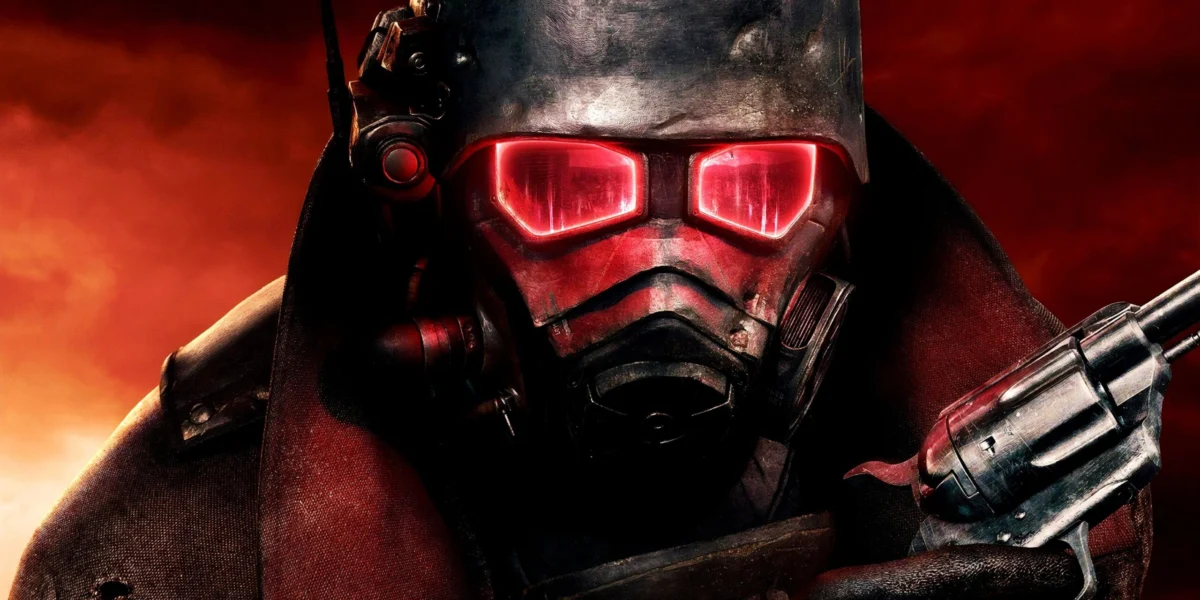
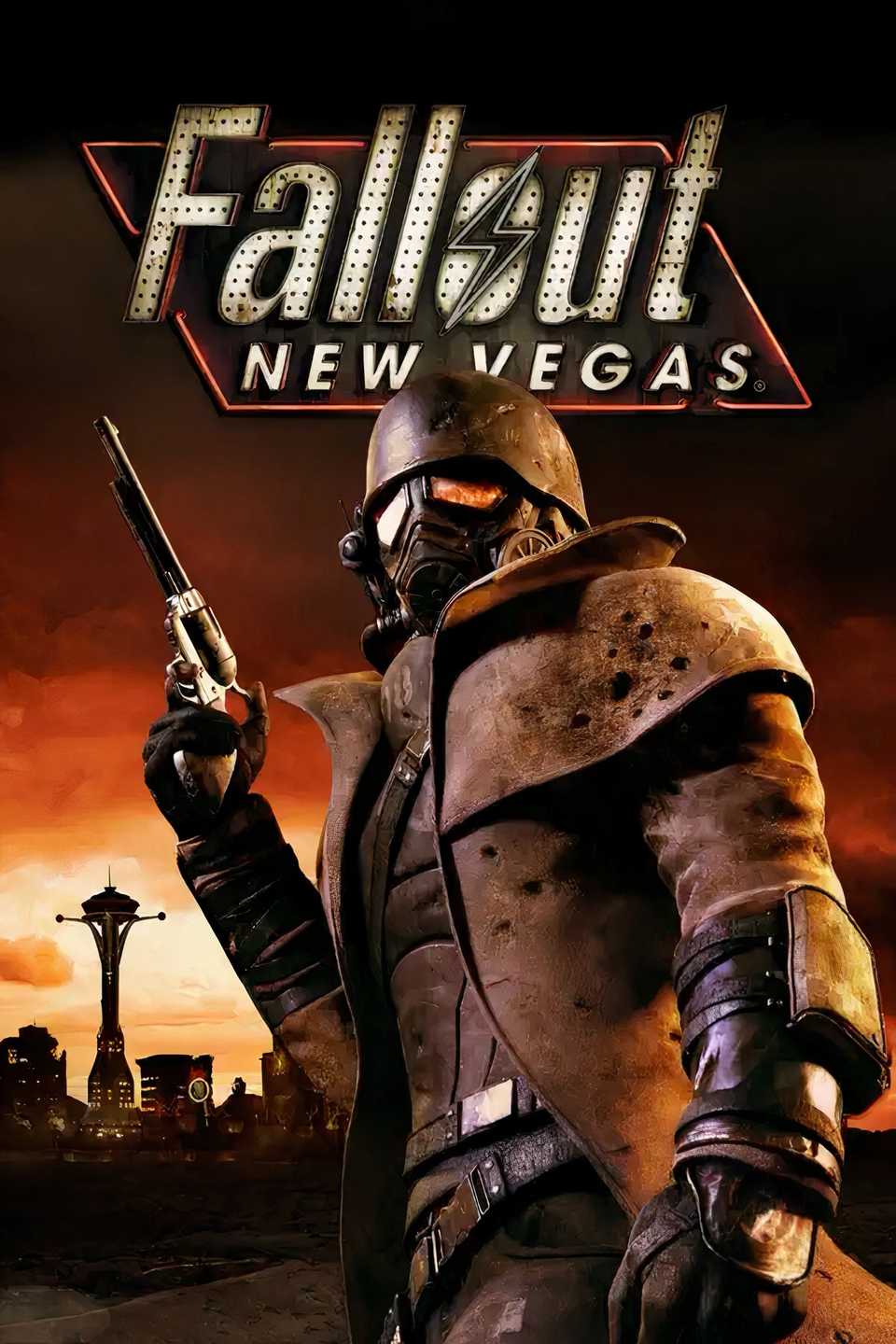
For over a decade and a half, Fallout: New Vegas has occupied a hallowed space in the pantheon of role-playing games. Developed by Obsidian Entertainment and released in 2010, the title is frequently cited by enthusiasts as the pinnacle of the Fallout franchise. Its complex faction politics, moral ambiguity, and the distinct, rugged charm of the Mojave Wasteland have kept the community engaged long after the game’s initial lifecycle. Now, a new, ambitious fan-led project titled Fallout: Siege of New Vegas is breathing fresh life into this iconic setting, utilizing modern technology to push the boundaries of what fan-made content can achieve.
The Core Concept: A Cinematic Reimagining
Fallout: Siege of New Vegas is not a mod in the traditional sense, but a cinematic film project built entirely within Unreal Engine. By leveraging the advanced lighting, rendering, and asset-handling capabilities of modern game engines, the project aims to deliver a visual fidelity that far surpasses the original Gamebryo engine limits of 2010.
At its heart, the project is a love letter to the lore of the Mojave. While the Fallout community has seen countless mods, texture packs, and total conversions, Siege of New Vegas focuses on narrative expansion. The film serves as an unofficial epilogue or alternate-history exploration, picking up the pieces following the New California Republic (NCR) ending of the base game. By focusing on a high-stakes military conflict, the project creators are attempting to capture the scale of a total war between the Brotherhood of Steel and the NCR—a conflict that was often alluded to in the original game but rarely depicted with such cinematic gravitas.
Chronology and Narrative Context
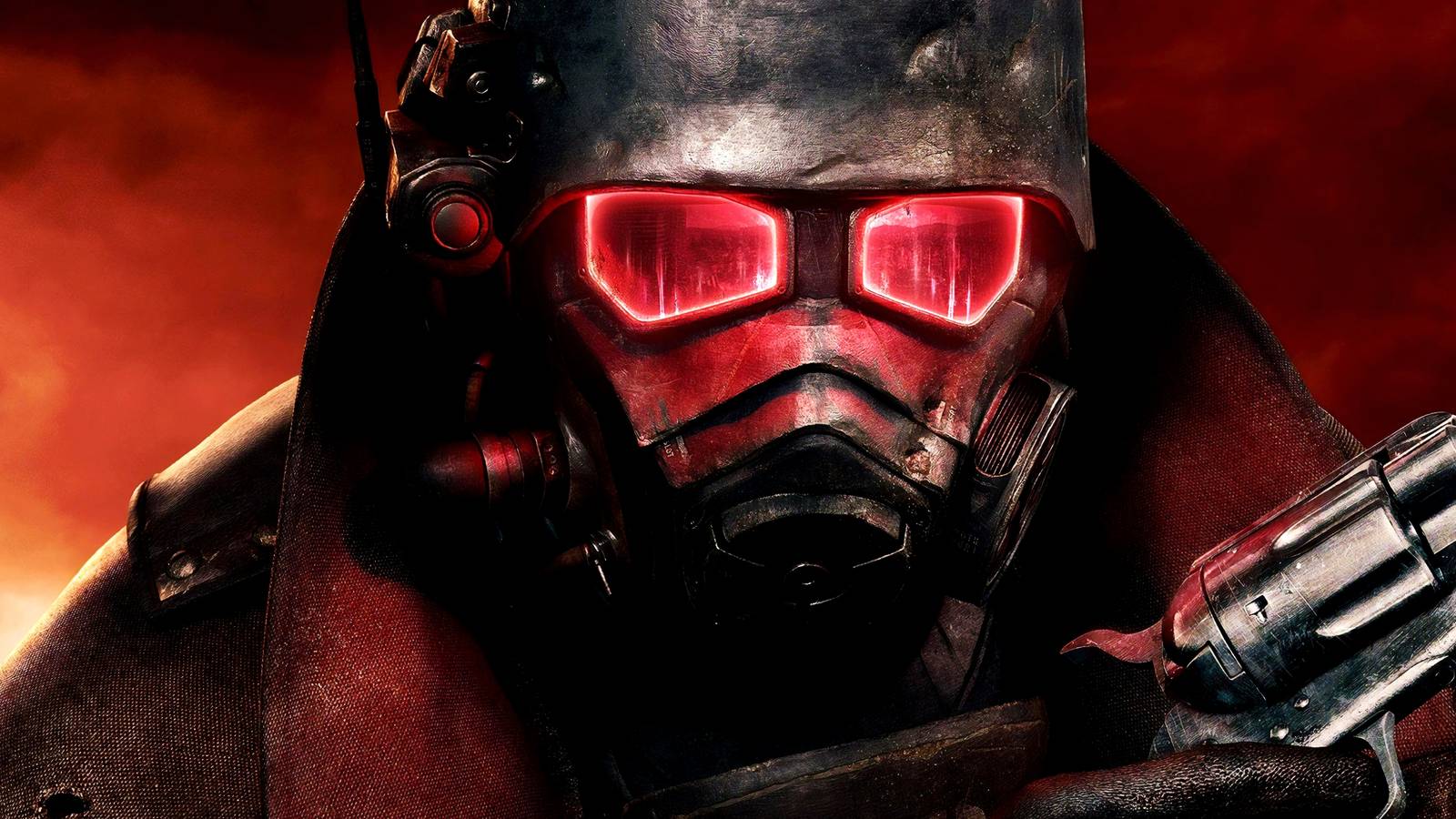
The narrative of Siege of New Vegas is positioned as a divergent path from the established canon. As many veteran players know, Bethesda Softworks has yet to provide an official, definitive answer as to which of the New Vegas endings is strictly canon. This lack of closure has become a fertile ground for storytellers within the community.
The NCR-Brotherhood Conflict
The central tension of the film revolves around an escalating military campaign. According to project updates from the director, the narrative leans heavily into the inherent ideological clash between the NCR’s bureaucratic expansionism and the Brotherhood of Steel’s isolationist, technology-hoarding agenda. By centering the story on the "Siege" of the Mojave, the project provides a spectacle that the original game’s engine could only suggest through dialogue and static set pieces.
Integration of Franchise Lore
One of the most intriguing aspects of this project is its commitment to "franchise synergy." The creators have confirmed the inclusion of assets and design elements from later titles, such as the power armor designs from Fallout 4. This stylistic choice bridges the gap between the aesthetic of the West Coast games and the more modern, detailed designs found in Bethesda’s later offerings.

Additionally, the project touches upon the lore of The Institute. While the film’s author has clarified that the Institute does not play an active role in the film’s "current" timeline—as they are essentially non-existent in the post-war West Coast setting—they are utilized in flashback sequences. These scenes provide context regarding the abduction of a female synth by the Enclave, a nod to the wider, interconnected narrative web that defines the Fallout universe.
Supporting Data and Technical Architecture
The shift to Unreal Engine represents a massive leap forward for Fallout fan projects. The original New Vegas was constrained by the limitations of the Gamebryo engine, which struggled with modern lighting, complex character animations, and high-fidelity texture rendering.
The Unreal Advantage
By moving the assets into Unreal, the team behind Siege of New Vegas is able to utilize:
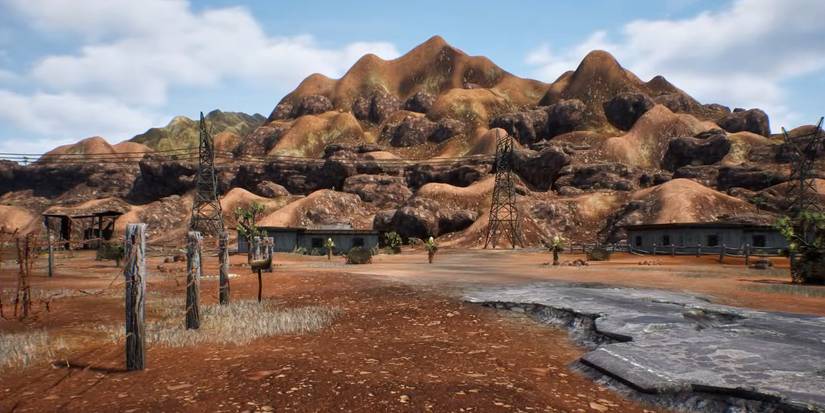
- Lumen and Nanite: These technologies allow for real-time global illumination and high-poly geometry, making the neon-drenched streets of the Strip feel truly vibrant and oppressive, rather than static.
- Physics-Based Rendering (PBR): The weathered metal of T-51 power armor and the dust-caked cloth of NCR Ranger gear now react to light as they would in the real world, adding a layer of tactile realism that was previously impossible.
- Cinematic Pacing: Utilizing a film-first approach rather than a gameplay-first approach allows the director to focus on camera work, framing, and storytelling in a way that traditional "let’s play" or "mod showcase" videos cannot.
Implications for the Community
The existence of Fallout: Siege of New Vegas signals a shift in how fans interact with their favorite IPs. It is no longer enough to simply "play" the game; there is a growing desire to "author" the game. This project highlights a trend where the community takes the mantle of developer to address the "content drought" that often follows long periods of silence from IP holders.
The "Fan-Made" Renaissance
For years, the Fallout community has sustained itself on the back of monumental mods like Fallout: London or the various Tale of Two Wastelands projects. However, Siege of New Vegas pushes into the realm of digital filmmaking. This is significant because it bypasses the technical limitations of modding the original game files. Instead of being shackled to the source code of 2010, the creators are free to build a bespoke experience that looks like a modern-day AAA title.
The Relationship with Bethesda
While Bethesda has historically been supportive of the modding community—often hiring modders or providing tools like the Creation Kit—projects like Siege of New Vegas sit in a complex legal and creative grey area. By utilizing the intellectual property of Fallout to create a standalone film, the project relies on the goodwill of the publisher. Thus far, the community’s appetite for such content has been met with quiet observation from the industry, suggesting a mutual understanding that these projects, when kept non-commercial and high-quality, actually serve to keep the franchise relevant during the long gaps between official releases.
Future Outlook: When Will the Dust Settle?
As of mid-2026, there is no definitive release date for the full production of Fallout: Siege of New Vegas. The nature of volunteer-driven projects is inherently unpredictable. However, the teasers released thus far have served their purpose: they have generated a significant "must-watch" status among the core fanbase.
For those interested in the development process or wishing to support the creator, the project maintains a presence on platforms like Patreon. This crowd-funded model ensures that the creator has the resources to acquire assets and spend the thousands of hours required to render a high-fidelity cinematic project.
Conclusion
Fallout: Siege of New Vegas is more than just a fan film; it is a testament to the enduring power of the New Vegas legacy. By synthesizing the best of the franchise’s lore—from the gritty survivalism of the West Coast to the high-tech intrigue of the East—the project is crafting a narrative that feels both familiar and refreshingly new.
While the community continues to wait for official word from Bethesda regarding the next chapter in the Fallout saga, projects like this serve as a vital heartbeat for the fandom. They prove that as long as there is a story to be told in the wasteland, there will be someone there with a camera, an engine, and the passion to bring the Mojave to life once more. The siege may be a work of fiction, but the dedication of its creators is a very real, driving force that continues to shape the future of gaming culture.











No comments yet. Be the first to join the conversation!