

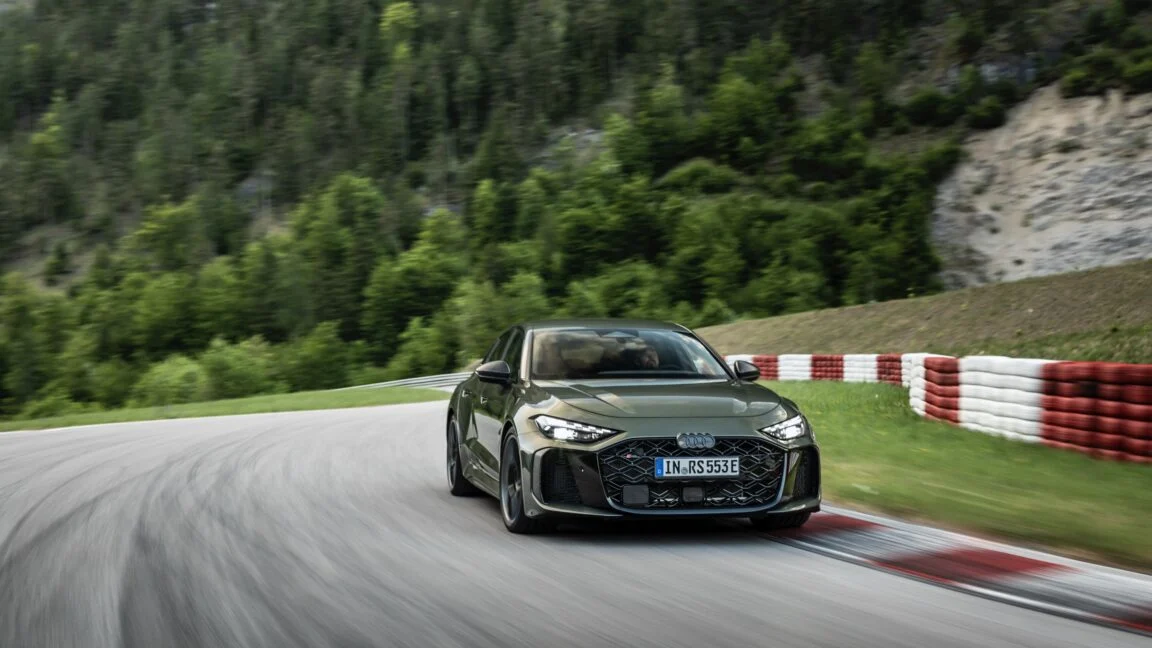
SAALFELDEN, Austria — For decades, the four rings of Audi have been synonymous with a specific brand of technological pragmatism. From the early adoption of Quattro all-wheel drive to the refinement of direct-injection combustion engines, the Ingolstadt-based manufacturer has built its identity on the bedrock of engineering-led progress. However, as the automotive industry pivots toward electrification, Audi has faced a recurring critique: while its vehicles are undeniably sophisticated and aesthetically polished, they have occasionally been accused of lacking the visceral, "seat-of-the-pants" soul that defines the world’s greatest performance machines.
Enter the 2027 Audi RS5. Developed by Audi Sport—the same division currently spearheading the company’s ambitious Formula 1 power unit program—the new RS5 represents a radical departure from the status quo. It is a dual-natured beast, blending a turbocharged V6 engine with a high-voltage hybrid system. It is a car that exists at the intersection of extreme efficiency and raw, track-focused aggression.
The Engineering Pedigree: A New Era for RS
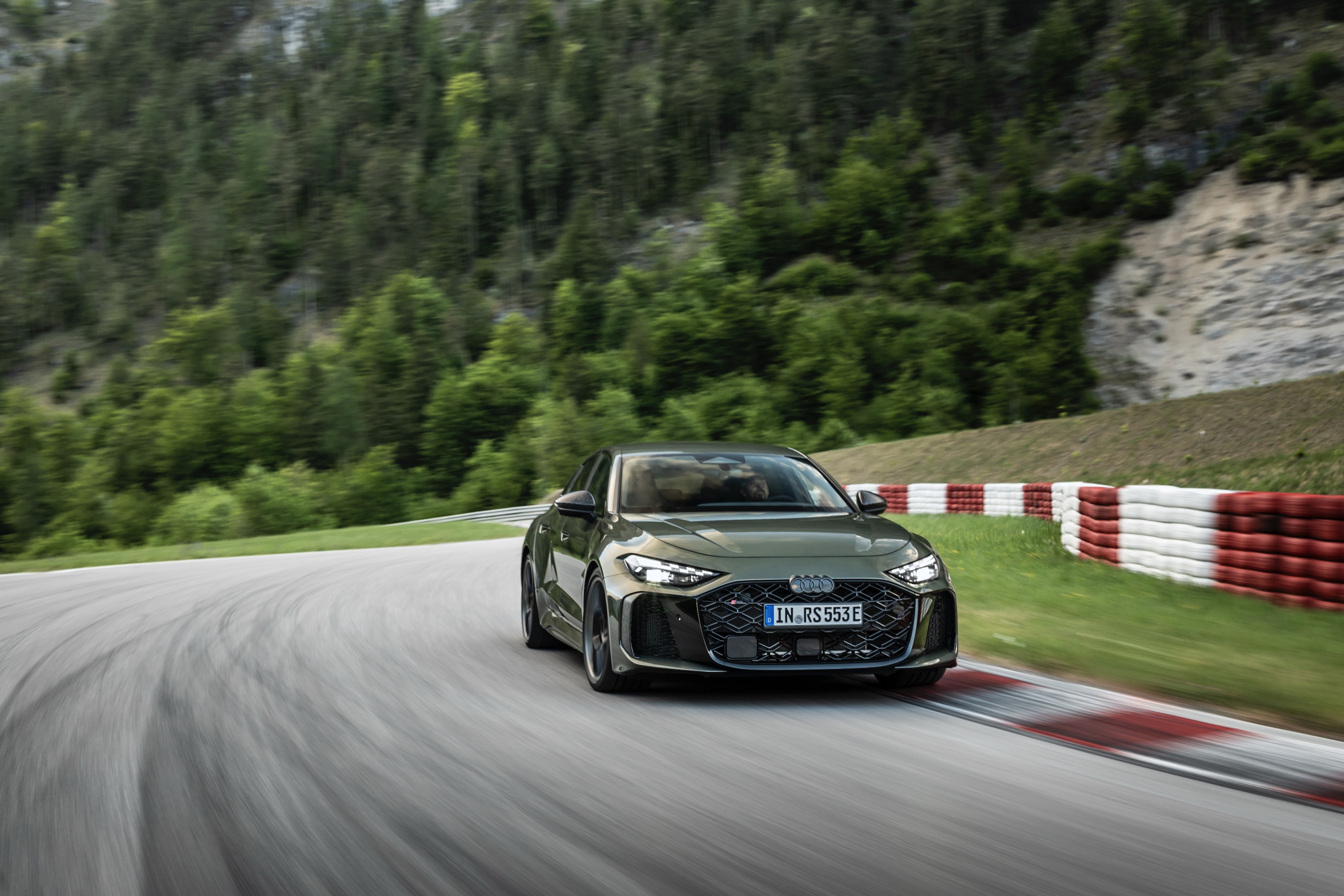
The foundation of the 2027 RS5 is built upon the chassis architecture introduced with the latest A5, but the resemblance is purely skin-deep. Only the hood remains shared between the mass-market A5 and this performance variant. The RS5 features a wide-body aesthetic, with aggressive wheel arch blisters that stretch the vehicle’s stance by 3.5 inches (90 mm). The front fascia is dominated by massive air intakes designed to feed the cooling requirements of its high-performance powertrain, while the rear is anchored by a diffuser framing signature oval exhaust pipes.
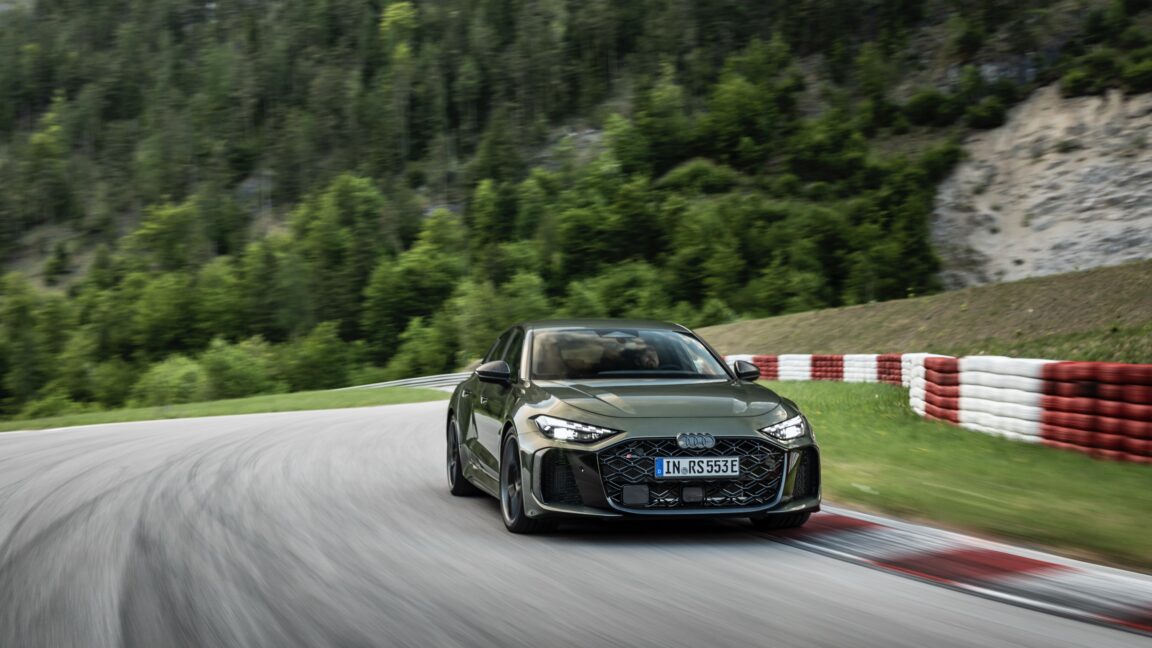
Stylistic flourishes, such as carbon-fiber accents and OLED taillights with a distinctive checkered-flag animation, signal that this is not merely an appliance, but a statement. Yet, the true revolution is hidden beneath the aluminum and composite bodywork: the marriage of a 2.9L twin-turbo V6 with a robust plug-in hybrid (PHEV) architecture.
Chronology of a Hybrid Powerhouse
Audi Sport’s decision to embrace electrification was not a move born of regulation alone, but of opportunity. Engineers realized that by integrating a 400V electrical system with a highly tuned internal combustion engine, they could solve the "performance gap" often found in forced-induction vehicles.
The Combustion Component
The 2.9L V6 is an all-new unit, though it retains the displacement of its predecessor. It features a "hot-vee" configuration, placing the variable geometry turbochargers between the cylinder banks to minimize the distance intake air must travel. This design, paired with water-to-air intercoolers, allows for near-instantaneous throttle response. Even while utilizing a modified Miller cycle for improved partial-load efficiency, the engine generates an impressive 502 hp (375 kW) and 442 lb-ft (600 Nm) of torque—a 60 hp increase over the outgoing model while simultaneously achieving a 20 percent reduction in fuel consumption.
The Electric Assist
The V6 is bolstered by a 174 hp (130 kW) electric motor integrated into the eight-speed ZF automatic transmission. This motor draws power from a 22 kWh (net) lithium-ion battery pack tucked beneath the cargo floor. The result is a combined output of 630 hp (470 kW) and a massive 609 lb-ft (825 Nm) of torque.
In terms of real-world utility, the system provides approximately 50 miles (80 km) of pure electric range. While the car lacks DC fast charging, its 11 kW AC charging capability allows for a full recharge in roughly 2.5 hours—perfect for home-charging cycles.
Supporting Data: The Innovation of Dynamic Torque Control
Perhaps the most significant mechanical innovation in the 2027 RS5 is the debut of "Dynamic Torque Control." Audi has historically relied on hydraulic clutches for torque vectoring, but the new system replaces these with an 8 kW, 40 Nm electric motor working in tandem with a set of planetary gears.
This system operates at the rear axle, where the electric motor acts upon a powered sun gear. This setup allows the car to either add or subtract torque to individual half-shafts, or revert to a standard 50:50 split. The brilliance of this design is its latency; because it is controlled electronically rather than hydraulically, the system can react to traction loss or driver input in just 15 milliseconds. This enables the car to remain composed during mundane commuting while offering the capability for aggressive, rear-biased oversteer when the electronic safety nets are dialed back on a track.
Official Responses and Driving Impressions
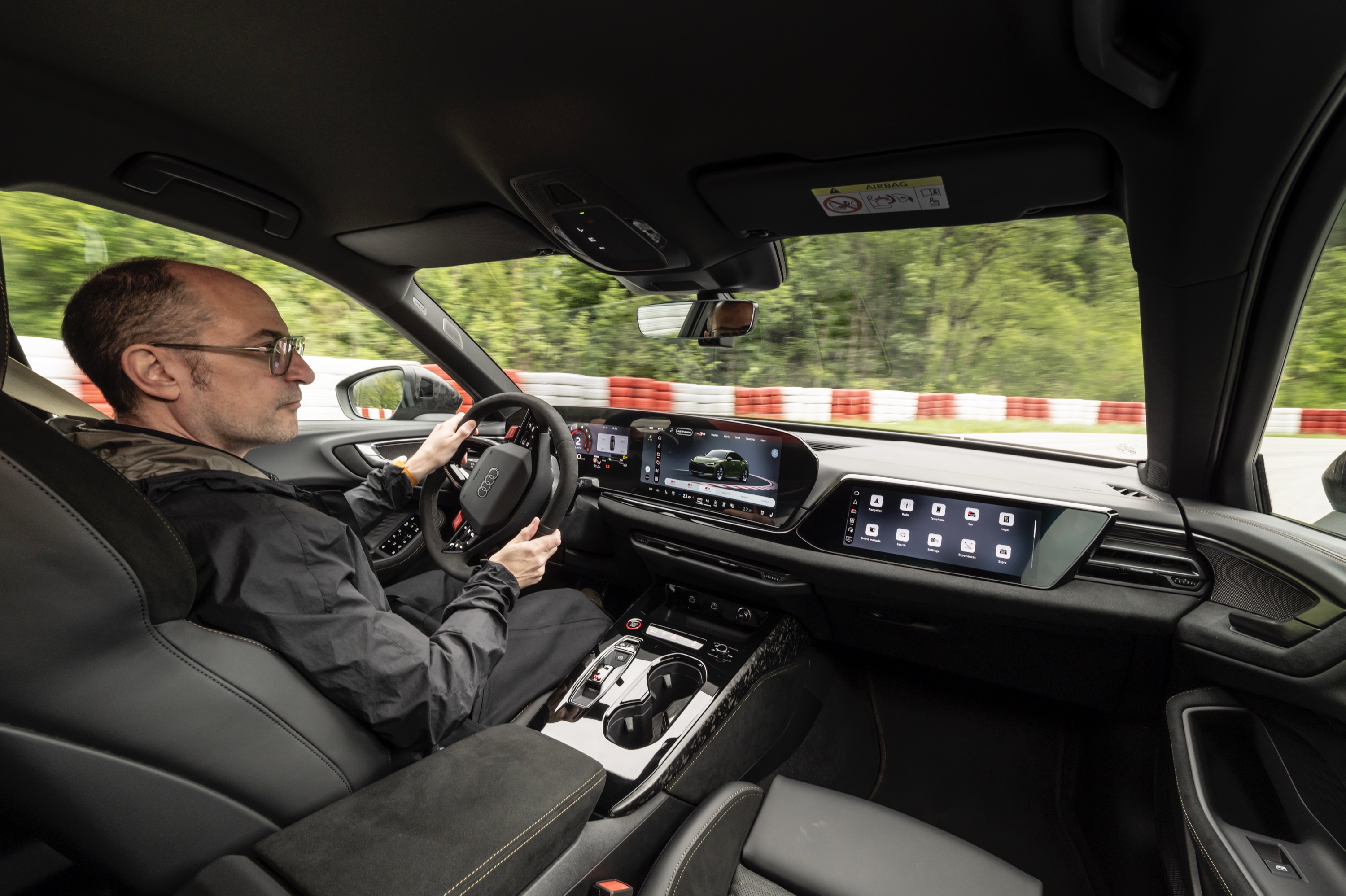
During our test sessions in Saalfelden, the weather fluctuated from rain to late-spring snow, providing the perfect proving ground for the Quattro system. On the road, the RS5 is a master of stability. Even when wearing wide summer tires, the car felt locked to the tarmac.
However, the car’s character is entirely dependent on the drive mode. In "Balanced" or "Comfort," the hybrid assistance is subtle, providing a smooth, near-silent driving experience. Shift the vehicle into "RS Sport," and the personality shift is palpable. The suspension stiffens, the steering weight increases, and the interaction between the V6 and the electric motor becomes visceral.
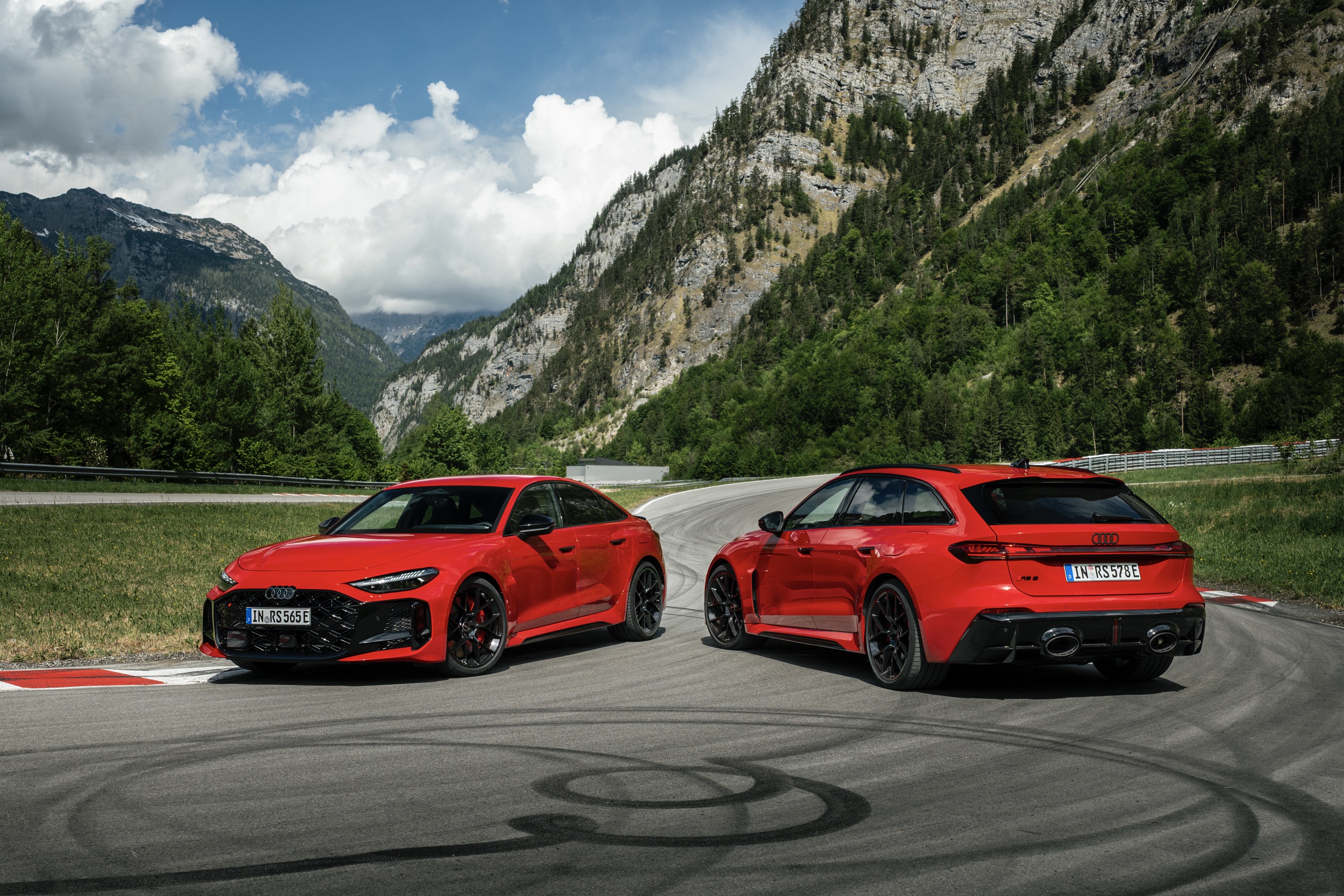
The weight of the 5,180 lb (2,350 kg) vehicle is masked effectively by the twin-valve dampers, which provide exceptional body control. While the transmission can occasionally hesitate when asked for a sudden downshift, the instant torque from the electric motor provides a surge of acceleration that bridges the gap. On the track, the car sheds its "grand tourer" persona and becomes a playful, drift-happy machine, proving that hybridization can indeed enhance, rather than stifle, driver engagement.
Implications for the Future
The 2027 RS5 signals a turning point for Audi’s performance hierarchy. With a starting price expected to hover around the $100,000 mark in the United States, it occupies a rarefied space.
The biggest question remains the availability of the RS5 Avant (wagon). Currently, Audi has no official plans to bring the long-roof variant to the U.S. market. However, history suggests that dealer pressure and consumer demand can force a change in strategy—a phenomenon we recently saw with the successful lobbying for the RS6 Avant.

Key Takeaways:
- Performance: A combined 630 hp and 609 lb-ft of torque make this the most powerful and complex RS5 to date.
- Efficiency: A 50-mile electric range and 20 percent better fuel economy reflect a modern, responsible approach to high-performance motoring.
- Technology: The new Dynamic Torque Control system is a masterclass in electronic integration, offering a 15ms response time that traditional mechanical diffs cannot match.
- Market Position: At $100,000, it challenges the established leaders in the luxury performance segment by offering a unique hybrid of daily usability and track-day capability.
As we look toward the future of Audi Sport, the 2027 RS5 provides a blueprint. By successfully integrating the lessons learned from their Formula 1 development—specifically in energy recovery and electrical management—Audi has created a vehicle that is not just a technological showcase, but a genuinely exciting driver’s car. Whether it will convince the traditionalists remains to be seen, but for those willing to embrace the hybrid future, the new RS5 offers a compelling argument that the best is yet to come.











No comments yet. Be the first to join the conversation!