

The landscape of the American comic book industry is undergoing a significant transformation as employees at one of its most storied institutions, Dark Horse Comics, have officially announced their intent to unionize. On a day marked by both tension and anticipation, the staff declared the formation of "Dark Horse Workers United" (DHWU), an initiative aimed at securing collective bargaining rights and addressing systemic concerns regarding workplace stability, compensation, and the evolving role of artificial intelligence within the creative sector.
As Dark Horse navigates a post-founder era following its acquisition by the Swedish conglomerate Embracer Group, the push for unionization represents a broader trend of labor advocacy sweeping through the publishing and entertainment industries.
The Push for Representation: Main Facts
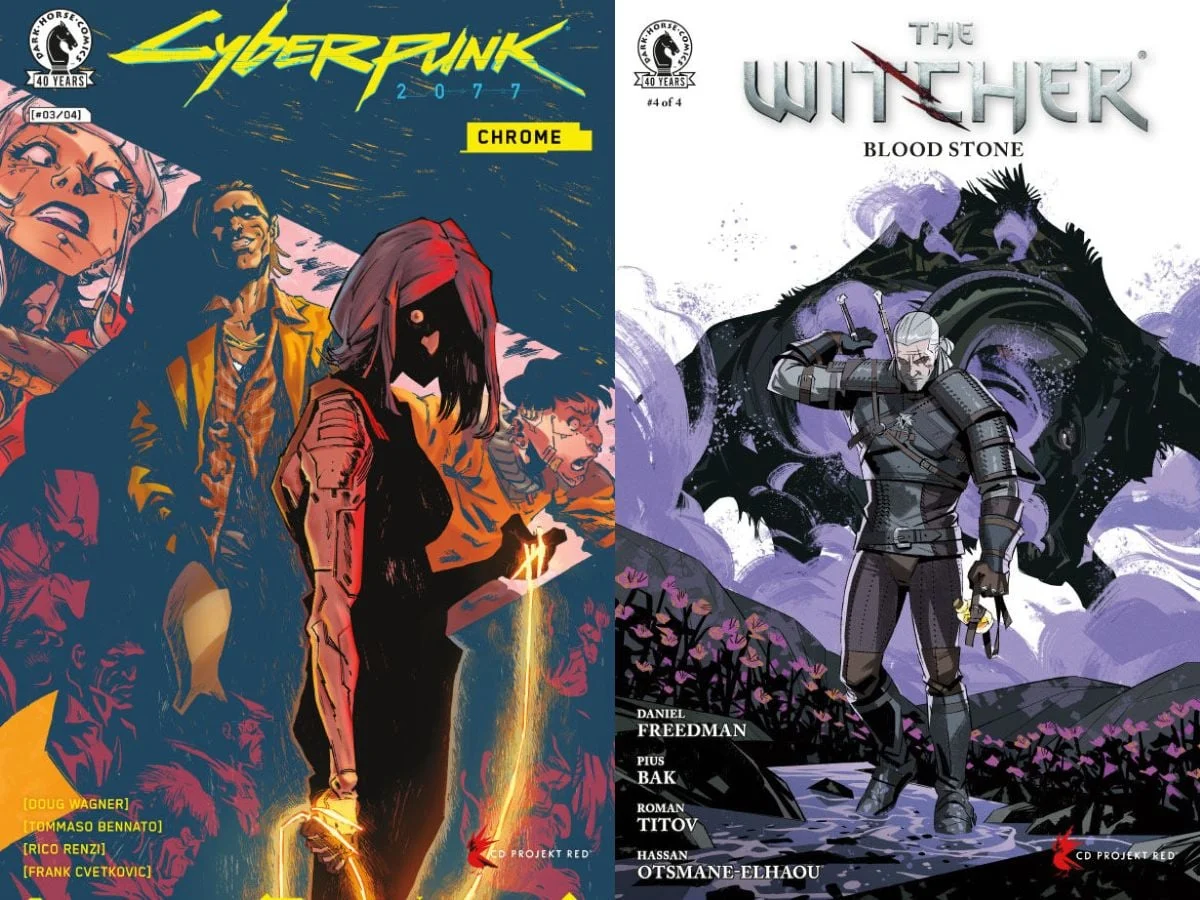
Dark Horse Comics, a titan in the graphic novel sphere known for publishing iconic titles like Star Wars, Cyberpunk, and Avatar: The Last Airbender, now faces a critical juncture. According to a formal press release issued by the organizers, 59 eligible employees have signed a letter addressed to Interim CEO Jay Komas.
The core of the workers’ mandate is threefold: they are seeking equitable pay, the establishment of workplace democracy, and a binding commitment to the preservation of creator-owned comics—the bedrock of Dark Horse’s reputation. The employees have presented a clear deadline, requesting that leadership voluntarily recognize the union by June 3. Should the company decline, the group is prepared to file a formal petition for a union election through the National Labor Relations Board (NLRB), escalating the dispute into a federally overseen process.
A Timeline of Transformation
The decision to unionize did not happen in a vacuum. To understand the current climate at Dark Horse, one must look at the timeline of events that have reshaped the company’s internal culture and operational structure over the past few years:
- 2022: The Embracer Acquisition: Dark Horse Media was acquired by Embracer Group, a move that brought the publisher under the umbrella of a massive international gaming and media corporation. While intended to expand the company’s reach, the acquisition introduced new layers of corporate bureaucracy and shifted the company’s long-term strategic priorities.
- Early 2024: Departure of Mike Richardson: The departure of founder Mike Richardson marked the end of an era. Richardson, who had steered the company since its inception in 1986, was a central figure in cultivating the company’s "creator-first" ethos. His exit triggered widespread anxiety among the staff regarding the future of the company’s creative direction.
- Mid-2024: Mounting Internal Pressures: Throughout the first half of the year, employees reported a series of destabilizing factors. These included rounds of layoffs, an imposed wage and hiring freeze, and an abrupt shift in leadership power.
- Present Day: The formal announcement of Dark Horse Workers United (DHWU), affiliated with the Communications Workers of America (CWA), signifies the transition from private internal frustration to public collective action.
The Drivers of Discontent: Supporting Data and Context
The letter circulated by the DHWU provides a candid look at the challenges facing modern media workers. While the demand for fair pay is a standard pillar of labor negotiations, the specific concerns raised by the Dark Horse staff highlight the unique vulnerabilities of the modern comic book industry.
The Looming Shadow of Artificial Intelligence
Perhaps the most forward-looking aspect of the union’s manifesto is their focus on the "emergence of artificial intelligence." In the creative industries, the rapid proliferation of generative AI tools has created a climate of existential dread. Employees are concerned not only with the displacement of human labor but with the potential for AI to undermine the quality and soul of creator-owned projects. By unionizing, staff members hope to codify protections that ensure human artistry remains the focal point of the company’s output.
Corporate Austerity and Return-to-Office Policies
The letter explicitly cites "return-to-office" (RTO) mandates as a point of contention. Despite the industry’s ability to function remotely during the pandemic, the push to bring employees back into physical offices—often without regard for the economic impact of commuting or the loss of flexibility—has been a major friction point. Coupled with wage freezes and layoffs, many staff members feel that the current corporate leadership is prioritizing cost-cutting over the well-being of the human capital that drives the company’s success.
Official Responses and Corporate Stance
At the time of this writing, Interim CEO Jay Komas and the leadership team at Embracer Group have yet to issue a definitive statement regarding their intent to recognize the union. The deadline of June 3 acts as the "go/no-go" point for the company.
Historically, parent companies in the media space have approached such unionization efforts with caution. The CWA, which is backing the Dark Horse effort, is a seasoned veteran in these negotiations, having successfully shepherded other media and tech entities through the process. The union’s public strategy—making their demands public, transparent, and linked to the preservation of the company’s legacy—is designed to put immense public pressure on Komas to avoid a prolonged, contentious, and potentially brand-damaging legal battle with the NLRB.
Implications for the Comic Book Industry
The success or failure of the Dark Horse union drive will likely send ripples across the entire comic book industry.
The "Domino Effect"
Dark Horse is not the first publisher to see its workers organize. Similar efforts have taken place at Image Comics and Seven Seas Publishing. The momentum building across these companies suggests a maturation of the comic book labor movement. If Dark Horse employees successfully win recognition and secure a collective bargaining agreement, it will likely provide a blueprint for workers at other mid-to-large-sized publishers who may be hesitant to take the first step.
Protecting the "Creator-Owned" Legacy
The emphasis on "maintaining Richardson’s legacy of publishing creator-owned comics" is a sophisticated strategic move. By framing the union as a guardian of the company’s history and creative integrity, the workers have effectively aligned their interests with those of the fanbase. Readers who care about the future of independent storytelling are more likely to support the union if they believe the union is the only entity protecting those stories from corporate homogenization or AI-driven shortcuts.
A New Standard for Workplace Democracy
The call for "workplace democracy" is the most ambitious part of the union’s agenda. In a traditional corporate structure, decisions regarding layoffs, RTO policies, and resource allocation are made behind closed doors. By demanding a seat at the table, the DHWU is challenging the top-down authority of the Embracer Group. If they succeed, it could fundamentally change the power dynamic at Dark Horse, moving the company toward a model where creative talent has a greater say in the business decisions that directly affect their livelihood.
Conclusion: The Road Ahead
As the June 3 deadline approaches, all eyes remain on the offices of Dark Horse. For the employees, this is a fight for dignity and longevity in an industry that has historically relied on the passion of its workers to compensate for low wages and job insecurity. For the fans, the outcome of this unionization effort could determine the long-term quality and character of the stories they love.
Whether Dark Horse leadership chooses the path of voluntary recognition or the path of resistance will define the company’s culture for years to come. In the world of comics, where heroes often rise to face overwhelming odds, the employees of Dark Horse are currently writing their own origin story—one where collective action, not individual heroics, is the key to securing a more stable and equitable future.









No comments yet. Be the first to join the conversation!