

By Tech Desk
May 31, 2026
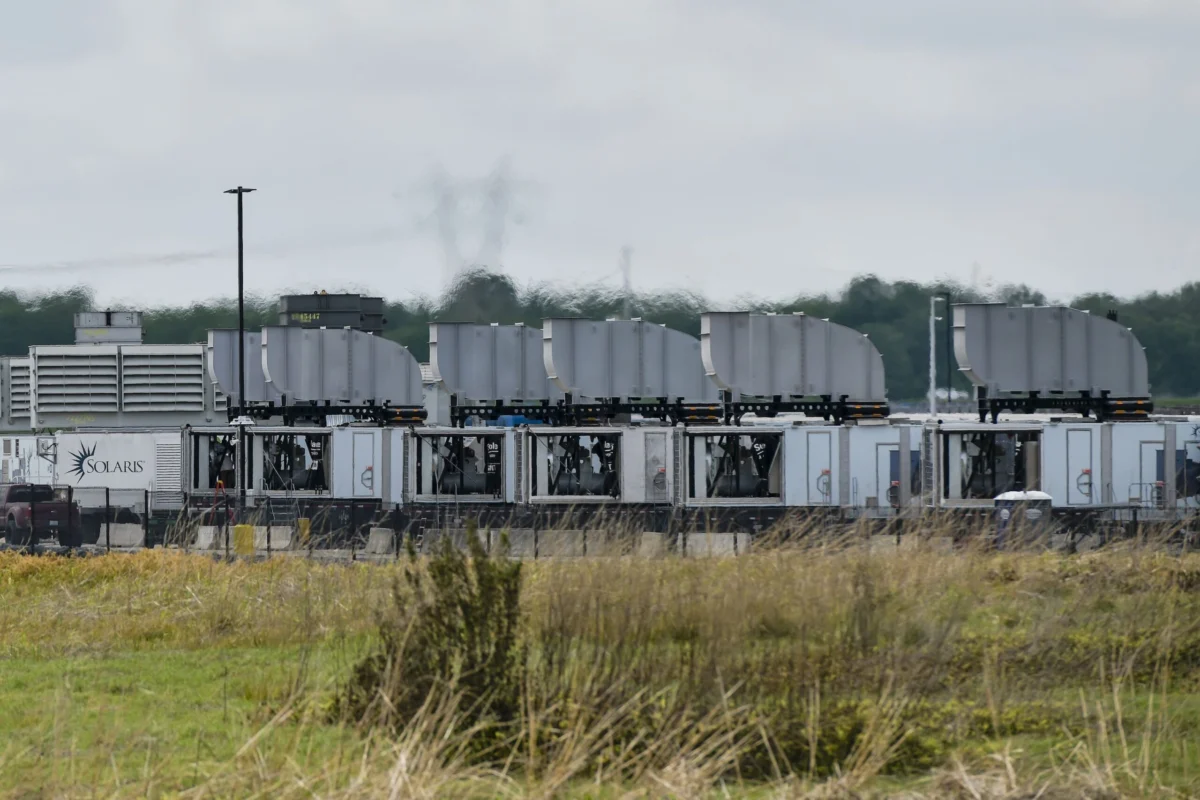
In the landscape of 21st-century industrial expansion, few infrastructure projects have ignited as much quiet resentment as the modern data center. While these windowless, humming fortresses serve as the bedrock of the generative AI boom, they are increasingly viewed by local residents as "black boxes"—both in their technological function and their administrative approval. Now, environmental advocate Erin Brockovich, the figurehead of modern consumer and environmental protection, is turning her sights toward this digital industrial complex.
As of late May 2026, Brockovich has unveiled a nationwide, interactive mapping initiative designed to pull back the curtain on the rapid proliferation of data centers across the United States. The project, which seeks to crowdsource reports from residents living in the shadows of these facilities, represents a significant escalation in the battle between hyper-growth tech companies and the communities tasked with hosting their physical footprint.
The Core Conflict: Transparency vs. The AI Gold Rush
The primary mission of Brockovich’s new initiative is not necessarily to halt the progress of artificial intelligence, but to demand a seat at the table for those most impacted by it. In a field dominated by massive capital expenditure and rapid-fire construction, local municipalities often find themselves outmatched by tech giants and their legal teams.
The central grievance identified by Brockovich is a systemic lack of transparency. According to her analysis, the pattern is consistent: projects are announced only after critical permits are already secured; developers frequently ignore inquiries from concerned citizens; and, perhaps most controversially, local officials are often bound by non-disclosure agreements (NDAs) that prevent them from informing their constituents about the scope of upcoming projects until the deal is effectively done.
"The single most common concern—more than noise, more than water usage, more than rising utility bills—is the one word that keeps appearing in submission after submission: transparency," Brockovich wrote in a recent Substack analysis. Her project serves as a digital ledger for these concerns, documenting the growing friction between the "AI revolution" and the physical realities of the power grid, water supply, and local property rights.
A Chronology of the Data Center Surge
To understand the current tension, one must look at the meteoric rise of the data center industry over the last 24 months.
- 2024 (The Infrastructure Boom): As generative AI models require exponentially more compute power, tech giants and specialized infrastructure firms accelerate land acquisitions. Prime locations are targeted near major power substations and water sources.
- Early 2025 (The Regulatory Gap): Communities begin noticing sudden spikes in energy costs and increased seismic or noise disturbances. Local zoning boards are flooded with complaints, but residents find that the projects have been fast-tracked through state-level economic development incentives.
- April 2026 (The Call to Action): Erin Brockovich issues a public call for reports from citizens across the country regarding the impact of data centers in their backyards. The response is instantaneous and overwhelming.
- May 2026 (The Launch): Within one month, Brockovich receives nearly 4,000 detailed submissions from across the U.S. The "Brockovich Data Center Map" goes live, intended as a living document to track both the physical locations of these facilities and the documented grievances of their neighbors.
Supporting Data: The Magnitude of Public Concern
The numbers behind the project suggest that this is not a localized or "NIMBY" (Not In My Backyard) issue, but a widespread national sentiment. The receipt of 4,000 submissions in the first 30 days of the project indicates a high level of organized frustration.
While Brockovich acknowledges that the map is a "work in progress," the initial data points highlight a diverse range of environmental and economic anxieties:

- Energy Sovereignty: As data centers consume massive amounts of electricity, residents are reporting concerns about the stability of local power grids and the subsequent rise in utility rates, which are often passed down to residential customers to cover the cost of grid expansion.
- Resource Depletion: Many data centers require significant amounts of water for liquid cooling systems, putting them in direct competition with local agricultural interests and municipal water supplies.
- The "Black Box" Approval Process: A recurring theme in the submissions is the use of NDAs by developers and local government officials. This prevents public hearings from being meaningful, as the "community engagement" phase often occurs after the contracts have been signed.
- Acoustic Pollution: Unlike traditional factories, data centers generate a low-frequency, persistent hum from cooling fans that can affect the quality of life for residents living within a few miles of the facility.
The Industry and Government Response
The technology sector has largely framed data centers as "critical infrastructure" equivalent to power plants or highways, necessary for the economic survival of the nation in an era of global AI competition. Industry lobbyists often argue that the speed of construction is essential to keep pace with international rivals and that public transparency—while a noble goal—often introduces unnecessary delays that stall multi-billion-dollar investments.
However, the political response is beginning to shift. In several states, legislators have begun proposing bills that would ban the use of NDAs for infrastructure projects receiving state-level tax incentives. Local town councils are also becoming more assertive, with some moving to place moratoriums on data center construction until more comprehensive environmental and social impact studies can be conducted.
Tech giants, including the likes of Microsoft, Google, and xAI, have generally maintained that they work within the confines of local zoning laws. Most companies emphasize their commitment to "net-zero" goals, investing in renewable energy projects to offset the massive power consumption of their server farms. Yet, as Brockovich points out, a commitment to carbon neutrality does not necessarily translate to a commitment to community transparency.
Implications: The Future of AI Infrastructure
The launch of the Brockovich map marks a turning point in the public discourse surrounding AI. For the first time, the "cloud" is being brought back to earth.
If the movement gains momentum, the implications for the tech industry could be significant:
- Increased Regulatory Burden: Expect to see a push for federal or state-level "Right to Know" laws regarding data center development. This would force companies to disclose project specifications, power requirements, and water usage projections at the onset of the planning phase.
- Litigation Risk: With a centralized database of grievances, it becomes much easier for public interest law firms to identify patterns of negligence or environmental impact, potentially leading to a wave of class-action lawsuits similar to those Brockovich famously spearheaded in the 1990s.
- The Cost of "Secrecy": The reputational damage of being perceived as a "bad neighbor" could force tech companies to adopt more transparent community relations strategies. Companies that proactively share their plans and invest in local community benefits—such as waste-heat utilization for district heating or improved local infrastructure—may find themselves in a better position than those that rely on opaque legal maneuverings.
A Call for Collaborative Growth
In her concluding remarks on the project, Brockovich reiterated that she is not making a blanket argument against the necessity of data centers or the potential of AI. Rather, she is advocating for a shift in the power dynamic.
"Technology should serve the community, not the other way around," she noted. As the map continues to grow, it serves as a stark reminder that in the rush to build the digital infrastructure of the future, the physical, human infrastructure of the present cannot be treated as an afterthought.
The battle over the next generation of computing is no longer just happening in Silicon Valley boardrooms; it is happening on the town hall floors of rural and suburban America. And if the last 30 days are any indication, the residents living in those towns are ready to be heard.












No comments yet. Be the first to join the conversation!