Dwi Wanna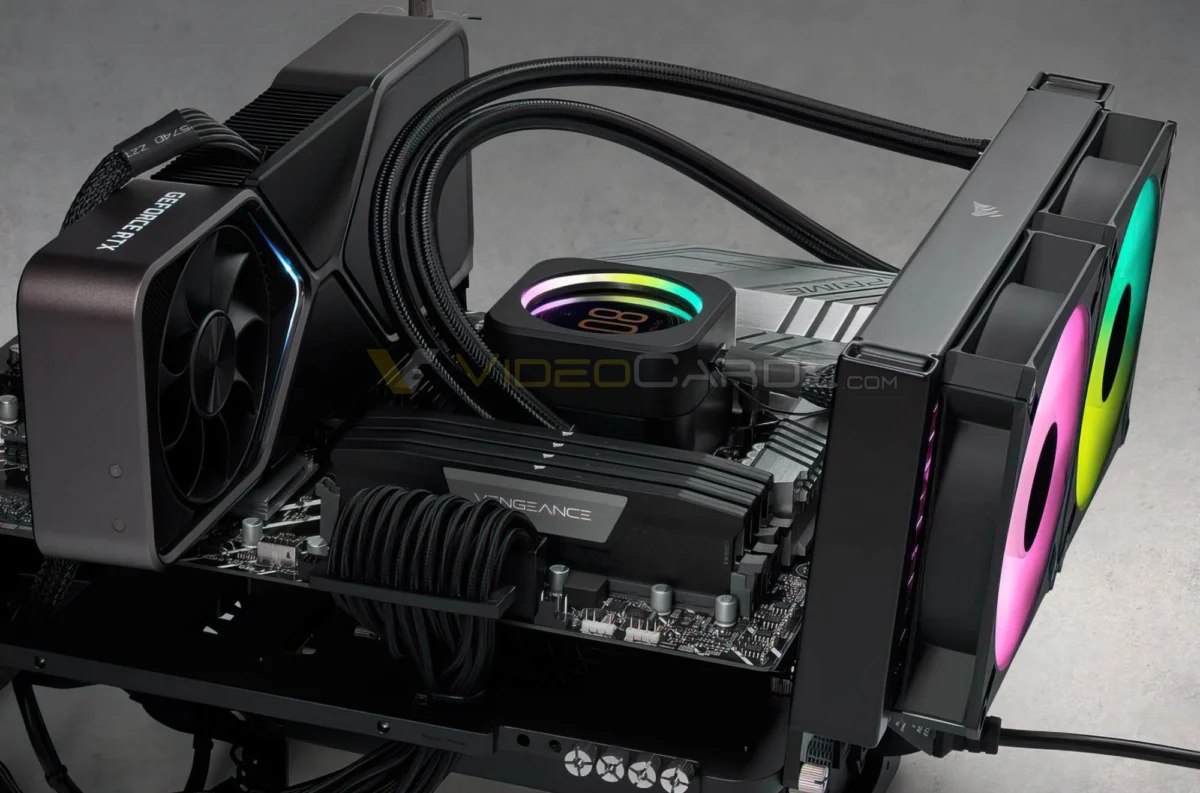
As the PC hardware community sits on the precipice of Intel’s most significant architectural shift in recent memory, cooling manufacturers are racing to ensure their thermal solutions can handle the demands of the upcoming 12th Generation "Alder Lake" processors. Corsair, a titan in the enthusiast cooling space, appears to be leading this charge with a brand-new range of All-in-One (AIO) liquid coolers. Leaked materials suggest a sophisticated design overhaul, including integrated LCD screens and native support for the new LGA1700 socket.
Main Facts: A New Era for Enthusiast Cooling
The impending launch of Intel’s Alder Lake desktop CPUs has necessitated a complete redesign of mounting hardware due to the shift to the LGA1700 socket, which features a different physical footprint and mounting pressure requirements than previous generations. Recent intelligence provided by VideoCardz has pulled back the curtain on Corsair’s strategy, revealing a lineup of liquid coolers designed not just to fit, but to showcase the cutting-edge aesthetic of modern gaming rigs.
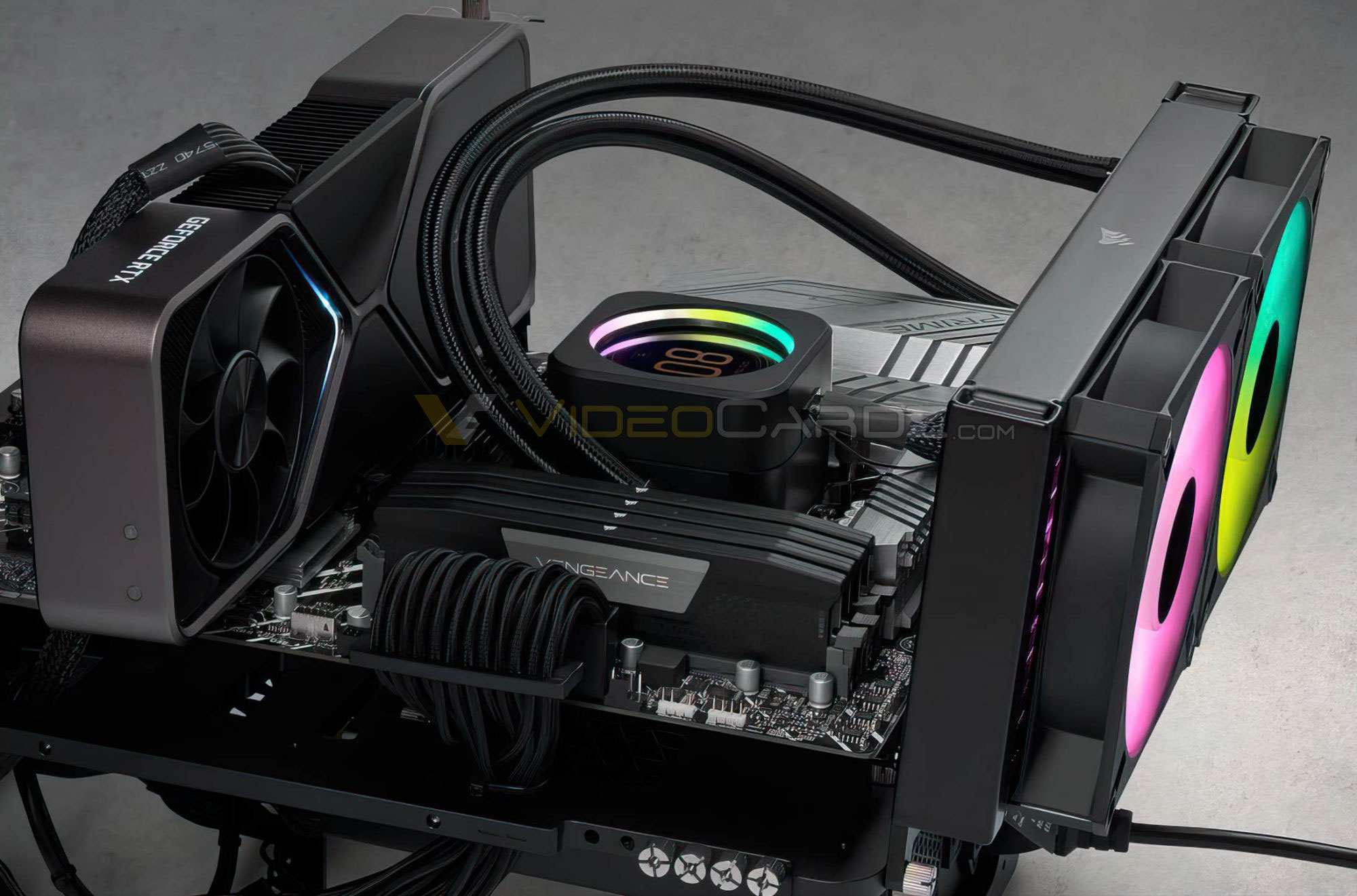
The standout feature of this new generation is undoubtedly the pump-block integrated LCD. Unlike previous iterations that focused primarily on RGB lighting, these new units feature a vibrant, circular display. This is a functional upgrade as much as an aesthetic one; promotional imagery confirms that users will be able to customize the display to show critical telemetry, including fan RPM, real-time CPU temperatures, and coolant flow data. By moving these metrics from software overlays to the hardware itself, Corsair is catering to the "showcase build" trend that dominates enthusiast PC culture.
The leaked promotional assets also depict the units installed within a high-end system configuration—specifically an Asus Prime Z690 motherboard paired with Corsair’s latest Vengeance DDR5 memory. This serves as a tacit confirmation that these coolers are designed to be the centerpiece of the new DDR5-enabled platform.
Chronology: From Rumor to Reality
The timeline of this transition began months ago as whispers of Intel’s "hybrid" architecture (combining Performance and Efficiency cores) started to circulate. However, the cooling industry’s specific reaction to the LGA1700 transition followed a distinct pattern:
- Q2 2021: Industry analysts begin predicting the physical changes to Intel’s new socket, prompting early R&D at Corsair headquarters.
- September 2021: Early social media teasers from Corsair’s official channels begin hinting at an "evolution" of their cooling technology, specifically focusing on the aesthetics of the pump head.
- October 2021: Leaked imagery via VideoCardz surfaces, providing a detailed look at the dual-fan and triple-fan radiator configurations, along with the new LCD interface.
- Late October 2021: Corsair officially addresses the compatibility concerns of their existing user base, releasing details regarding their LGA1700 Retrofit Kit, ensuring that those with older AIOs aren’t forced into a full-system overhaul.
This timeline highlights a proactive approach by the manufacturer, attempting to balance the launch of a premium, next-gen product with the support of their long-standing customer base.
Supporting Data: Technical Capabilities and Design Evolution
To understand the necessity of these new coolers, one must look at the thermal output of the Alder Lake series. With Intel’s move to a heterogeneous architecture, the peak power draw—and consequently, the heat dissipation required—is expected to be higher than that of previous 14nm architectures.
The Display Logic
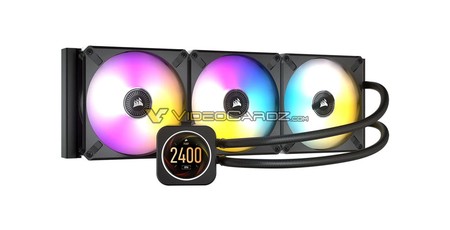
The circular LCD screen is more than just a gimmick; it represents an evolution in how users interact with their systems. Traditionally, monitoring temperatures required a secondary monitor or an on-screen display (OSD) in-game. By offloading this to the pump head, Corsair allows for "at-a-glance" monitoring. The ability to cycle through fan speeds and coolant temperatures is particularly vital for overclockers who push their chips to the thermal limit.
Radiator Configurations
The leaked images demonstrate both 240mm (dual-fan) and 360mm (triple-fan) configurations. While the fans themselves appear to be high-performance models, it remains to be seen if they utilize a new bearing type or revised blade geometry. However, the integration with the Commander Core or similar fan-control ecosystems is expected to remain, allowing for the granular control that Corsair’s software suite, iCUE, is known for.
Mounting Pressure and LGA1700
The LGA1700 socket is not just wider; it is shorter in height. This requires a specific mounting bracket to ensure the cold plate makes perfect, uniform contact with the Integrated Heat Spreader (IHS) of the CPU. The new units are designed with this geometry in mind, likely featuring a spring-loaded retention system that accounts for the specific pressure requirements of the Alder Lake processors.
Official Responses: Supporting the Legacy Ecosystem
One of the most significant concerns for any PC enthusiast is "planned obsolescence." Upgrading to a new motherboard and CPU is already an expensive endeavor; the prospect of having to discard a perfectly functional liquid cooler would be a major barrier to adoption.
Corsair has responded to these concerns with a two-pronged strategy. First, the new premium AIOs will be the flagship for those building from scratch. Second, they have formally introduced an LGA1700 Retrofit Kit. This kit is a masterclass in customer retention. By providing a low-cost, direct-to-consumer solution, Corsair ensures that owners of the Elite Capellix range, the RGB PRO XT series, and even older models like the H100x can transition to Intel’s latest platform for a nominal fee.
In their official statement, the company noted: "Keeping your CPU cooler on the cutting edge is our priority." By charging only $2.99/€2.99/£1.99, the company is essentially charging only for the shipping and handling of the brackets. This move effectively neutralizes the frustration of socket changes and reinforces brand loyalty.
Implications: The Future of PC Cooling
The release of these coolers has broader implications for the DIY PC market. We are seeing a shift where the AIO liquid cooler is no longer just a component; it is becoming a smart device.
The Rise of the "Smart" Component
As PC components become more powerful, they generate more heat, and the management of that heat is becoming an increasingly data-driven process. The integration of displays into coolers, power supplies, and even RAM modules signals a future where the PC case is a living dashboard of performance metrics.
Platform Stability
The transition to DDR5 and LGA1700 is a "hard" transition. There is no backward compatibility for CPUs or motherboards. However, by providing upgrade kits, Corsair is lowering the friction for the enthusiast community to adopt the new platform. This is critical for Intel, as a successful launch of Alder Lake relies on a healthy ecosystem of supporting parts. If users felt they couldn’t cool their new chips, the adoption rate of the new platform would likely suffer.
Aesthetics vs. Performance
The debate over whether manufacturers spend too much time on "RGB and LCDs" and not enough on "thermal density" will continue. However, the market data suggests that the modern consumer demands both. The leaked Corsair images show that the company is leaning into the premium aesthetic—blacked-out blocks, brushed aluminum finishes, and high-resolution displays—without compromising the fundamental architecture of the liquid loop.
Conclusion
Corsair’s upcoming AIO lineup is a clear signal that the company intends to dominate the high-end enthusiast market for the Alder Lake generation. By combining functional, screen-based telemetry with a robust commitment to backward compatibility through their affordable LGA1700 retrofit kits, they have positioned themselves as the go-to provider for both new builders and legacy upgraders.
As we move toward the official release, the focus will shift from these early leaks to real-world performance benchmarks. Can these coolers keep the power-hungry Alder Lake chips in check during heavy AVX workloads? Will the new LCD interface be fully customizable via iCUE to support third-party sensor data? These are the questions that will define the success of this product launch. For now, however, the cooling landscape looks brighter, and perhaps a bit more informative, than ever before.


 Nana Wu
 Nana Muazin