

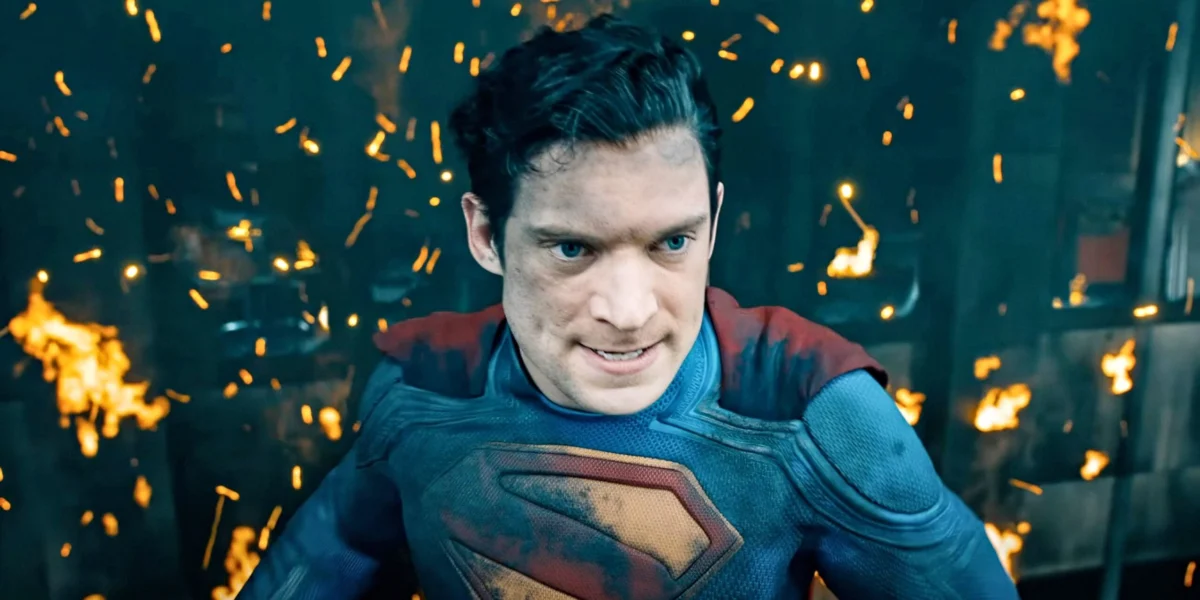
For nearly a century, Superman has stood as the quintessential icon of global popular culture. Since Jerry Siegel and Joe Shuster first introduced the "Man of Steel" in the pages of Action Comics #1 in 1938, the character has transcended the printed page to become a cornerstone of the American mythos. While contemporary audiences associate the hero with the blockbuster spectacles of modern cinematic universes, the true foundation of his visual legacy was laid in the early 1940s.
It was during this era that the Fleischer Studios, led by brothers Max and Dave Fleischer, brought the hero to the big screen for the first time. The resulting series of theatrical shorts—often overlooked in the shadow of massive franchise reboots—remains perhaps the most faithful, artistically influential, and arguably "perfect" adaptation of the character ever produced.
The Genesis of a Cinematic Titan: Main Facts
In 1940, only two years after his comic book debut, Superman’s meteoric rise caught the attention of Paramount Pictures. The studio saw an opportunity to capitalize on the character’s popularity in radio dramas and newspaper strips by commissioning an animated theatrical series.
However, the path to production was not without skepticism. Dave Fleischer, a titan of animation who had built his reputation on the surrealist charm of Betty Boop and Popeye, was initially hesitant. As noted in RetroFan Magazine, Fleischer famously admitted he didn’t want to tackle the project because he couldn’t conceive of a way to render Superman’s feats on screen without incurring prohibitive costs.
Paramount, recognizing the cultural zeitgeist, provided the necessary budget—a staggering $50,000 for the initial short, a massive investment for the time. Over seven months, the studio labored to translate the kinetic energy of Siegel and Shuster’s work into cel animation. On September 26, 1941, Superman (frequently referred to by fans as The Mad Scientist) debuted in theaters, marking the character’s first live-action or animated appearance on the silver screen.

A Chronology of the Man of Steel’s Early Years
The release of The Mad Scientist was not merely a singular success; it triggered a two-year run that would define the visual language of the superhero genre.
- 1941 (September): The Mad Scientist premieres, introducing the world to the "Champion of the Oppressed" with a gritty, noir-inspired aesthetic.
- 1941–1942: Fleischer Studios produces eight high-budget shorts, pitting the hero against mechanical monsters, volcanic eruptions, and arctic giants.
- 1942: Paramount Pictures acquires Fleischer Studios, restructuring it into Famous Studios.
- 1942–1943: Famous Studios produces an additional eight shorts, maintaining the high production values established by the Fleischer team.
- 1943 (July): The theatrical run concludes after 17 shorts, having effectively cemented the tropes of flight, the "truth and justice" mantra, and the Clark Kent/Lois Lane dynamic in the public consciousness.
These shorts were distinct for their departure from the "funny animal" cartoons that dominated the era. Instead of whimsical anthropomorphic creatures, the Fleischer Superman was a serious, pulpy hero. The animation style was revolutionary, utilizing rotoscoping—a technique where animators trace over live-action footage—to give Superman’s movements a grounded, realistic weight that remains impressive to modern eyes.
Supporting Data and the Oscar Legacy
The critical reception of the original 1941 short was immediate and profound. The film garnered an Academy Award nomination for "Best Short Subject: Cartoons," a rare feat for a superhero property at the time.
While the short eventually lost the Oscar to Walt Disney’s Lend a Paw, the historical consensus remains that Superman was arguably the more innovative production. The legacy of these shorts is best contextualized by comparing them to subsequent cinematic attempts at the character:
- The 1941 Short: Nominated for an Academy Award.
- Richard Donner’s Superman (1978): A watershed moment for the genre, winning a "Special Achievement Award" for Visual Effects and securing nominations for Best Sound, Film Editing, and Score.
- James Gunn’s Superman (2025): The most recent iteration, which received Academy Award nominations for Best Visual Effects and Best Sound.
The fact that the 1941 cartoon stands in such prestigious company illustrates that the Fleischer vision was not merely a "kids’ cartoon," but a serious piece of cinematic art that set the standard for how the hero should be portrayed.

Official Responses and Industry Influence
The impact of the Fleischer series extends far beyond its initial run. Documentary retrospectives, such as First Flight: The Fleischer Superman Series, have argued that the visual cues established in these 17 shorts served as a blueprint for future generations of creators.
The influence is undeniably visible in the dark, stylized architecture of Batman: The Animated Series, which borrowed the "Art Deco meets noir" aesthetic pioneered by the Fleischer studio. Furthermore, the costume designs and the portrayal of Clark Kent’s mild-mannered facade in modern live-action series, such as Superman & Lois, directly echo the characterizations developed in the early 1940s.
In the mid-1960s, a legal shift occurred that forever changed the accessibility of these films. Due to a lapse in copyright, the entire collection of Fleischer/Famous Superman shorts fell into the public domain. This technicality allowed these works to permeate every corner of the internet, ensuring that they would not be lost to time but would instead be rediscovered by each new generation of comic book enthusiasts.
The Implications of a "Perfect" Adaptation
What, then, makes these shorts so enduring? The answer lies in their adherence to the core of the Golden Age. The 1941 shorts distilled the essence of the character into 10-minute bursts of perfection: the Daily Planet rivalry, the damsel-in-distress trope (which, while dated, was a staple of the era’s serial storytelling), and the dual identity crisis.
Critics often point to the "romantic American flare" of the series as its defining characteristic. The voice acting of Bud Collyer—who carried over his performance from The Adventures of Superman radio program—and the musical contributions of Simon Timburg created an atmosphere of urgency and grandeur that modern adaptations frequently struggle to replicate.
As Warner Bros. has moved to digitally remaster these classics, the implications for the future of the character are clear: the most modern take on Superman is often best served by looking back at the original. While modern CGI allows for spectacles that the Fleischers could only dream of, the soul of the character—the "truth and justice" spirit—was fully realized in 1941.
Conclusion: A Living Legacy
For those weary of the over-saturation of contemporary superhero cinema, the 1941 Superman shorts offer a refreshing return to form. They are proof that a character does not need a hundred-million-dollar budget to feel heroic; they only need a compelling vision and a commitment to the fundamental traits that made the hero a cultural icon in the first place.
Whether one is a scholar of animation history or a casual fan of the DC Universe, the Fleischer Superman remains a must-watch. It is a masterclass in pacing, visual storytelling, and character economy. As we look toward the future of the DC cinematic landscape, the original Man of Steel continues to soar, reminding us that while technology changes, the legend remains as potent as it was when it first hit the screen in 1941.











No comments yet. Be the first to join the conversation!