Suro Senen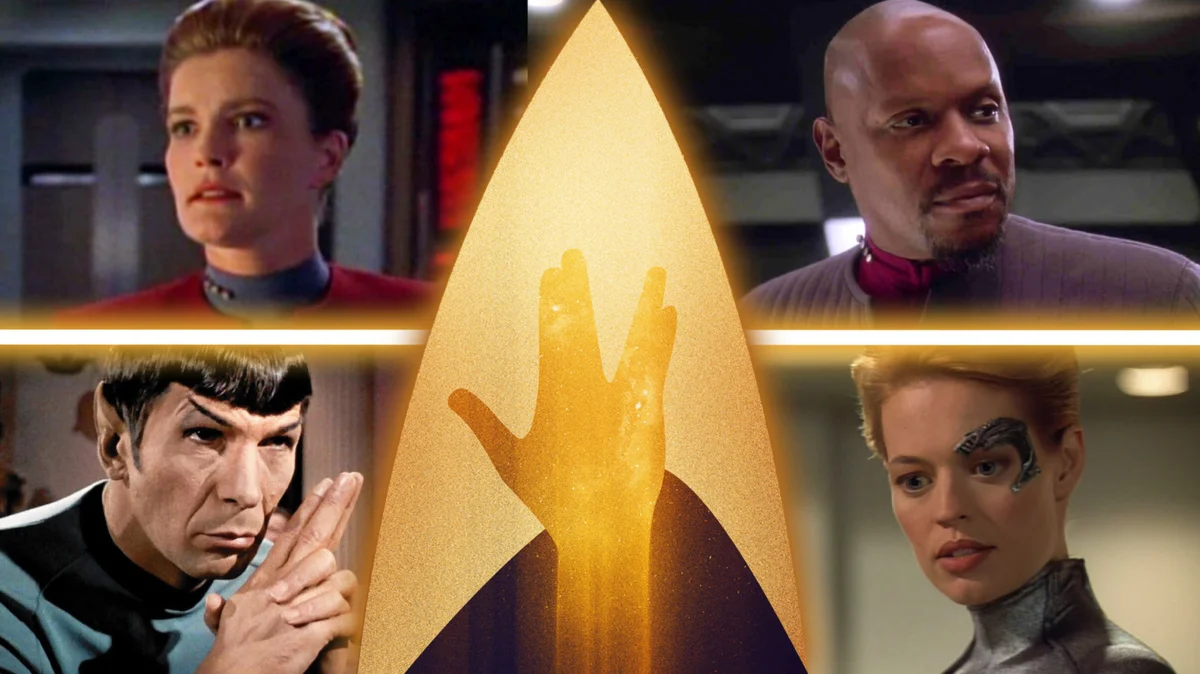
For six decades, Star Trek has served as the gold standard for science fiction, evolving from a modest 1960s television experiment into a sprawling, multi-generational franchise. While its legacy is built on the pillars of warp speed, utopian philosophy, and alien diplomacy, the heart of the franchise has always been its people. From the bridge of the original U.S.S. Enterprise to the modern streaming era of Strange New Worlds, Star Trek has cultivated an ensemble of characters whose journeys mirror the complexities of the human (and Vulcan) experience.
Defining the "best" characters in a universe as vast as this is a monumental task. It requires looking beyond mere popularity to examine narrative impact, character development, and the enduring legacy of the performances. Here is an exploration of the 15 most vital figures in Star Trek history.
1. Spock: The Eternal Ambassador
At the summit of our list stands Spock, the definitive icon of the franchise. Introduced by Leonard Nimoy, Spock’s internal conflict between his Vulcan logic and human heritage created the template for the Star Trek character study.
- Chronology: From his debut in the original series pilot "The Cage" to his nuanced portrayals by Zachary Quinto in the Kelvin Timeline and Ethan Peck in Strange New Worlds, Spock has remained the franchise’s emotional anchor.
- Implications: Spock represents the struggle for balance. His ability to remain "unflappably effective" while grappling with repressed emotions serves as the ultimate metaphor for the Federation’s own ideals: the pursuit of peace in a chaotic, often illogical galaxy.
2. Jean-Luc Picard: The Moral Compass
If Spock is the soul of the franchise, Jean-Luc Picard is its conscience. Portrayed with unparalleled gravitas by Patrick Stewart, Picard redefined the role of the starship captain.
- Main Facts: Unlike the swashbuckling heroes of the 1960s, Picard was a diplomat and a scholar. His arc, spanning seven seasons of The Next Generation, four films, and the recent Picard series, is a masterclass in development.
- Supporting Data: Picard’s assimilation into the Borg Collective stands as the most significant trauma in his history, yet his journey toward healing highlights the resilience that defines Starfleet’s best officers.
3. James T. Kirk: The Original Trailblazer
William Shatner’s Captain Kirk is more than a caricature of a space cowboy. He is a tactician, a humanist, and a man who understands that rules are secondary to survival.
- Chronology: Kirk’s career spans the original series, the cinematic golden age of the late 70s and 80s, and his transition into the Kelvin timeline.
- Implications: Kirk’s "devil-may-care" attitude is often misinterpreted as recklessness, but his true strength lies in his ability to make rapid, decisive interventions in high-stakes scenarios. He remains the archetype for every captain who followed.
4. Seven of Nine: The Survivor
Jeri Ryan’s Seven of Nine serves as the primary example of a character who transcends her origins. A former Borg drone, she spent the latter half of Voyager navigating the painful, beautiful process of reclaiming her individuality.
- Supporting Data: Her return in Star Trek: Picard demonstrated the most satisfying character growth in the franchise, transitioning from a detached Borg to a seasoned, battle-hardened commander.
5. Worf: The Warrior’s Burden
Michael Dorn’s Worf stands as the first truly heroic Klingon in the franchise. His journey from an outcast on the Enterprise-D to a central player in Deep Space Nine and Picard is a story of honor, duty, and cultural identity.
- Main Facts: Worf is the most conflicted character in the franchise, constantly balancing his Klingon blood with his Starfleet service. He is the bridge between two worlds, often paying a heavy price for his dual loyalty.
6. Benjamin Sisko: The Architect of Survival
Avery Brooks’ portrayal of Benjamin Sisko brought a gritty, theological, and deeply personal layer to Deep Space Nine.
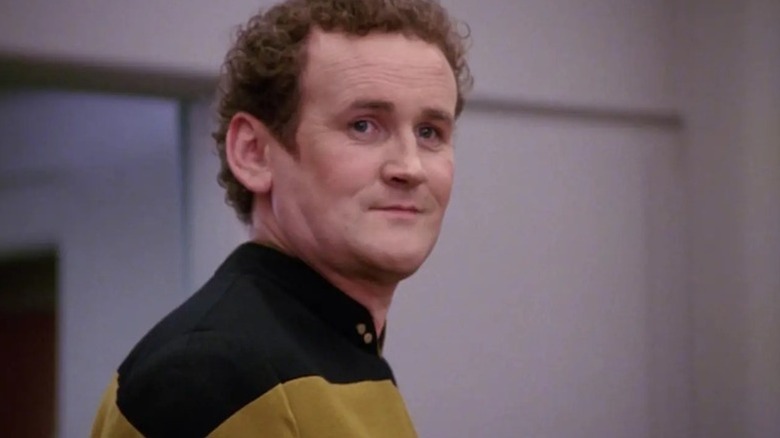
- Implications: Sisko was the first captain to be defined by his grief. As a father and a religious figure (the Emissary), Sisko’s descent into the moral gray areas of the Dominion War forced audiences to ask: what is the cost of victory?
7. Dukat: The Complexity of Evil
Marc Alaimo’s Dukat is widely considered the finest antagonist in the Star Trek canon. He is never a mustache-twirling villain; he is a man who believes he is the hero of his own story.
- Supporting Data: Dukat’s evolution—from a Cardassian overseer to a religious zealot—is a testament to the showrunners’ commitment to deep, multi-seasonal storytelling. He is the mirror image of Sisko, and his presence elevates every scene he inhabits.
8. Kathryn Janeway: The Pragmatic Leader
Kate Mulgrew’s Captain Janeway remains one of the most underrated figures in the franchise. Trapped in the Delta Quadrant, she had to act as judge, jury, and mother to a crew far from home.
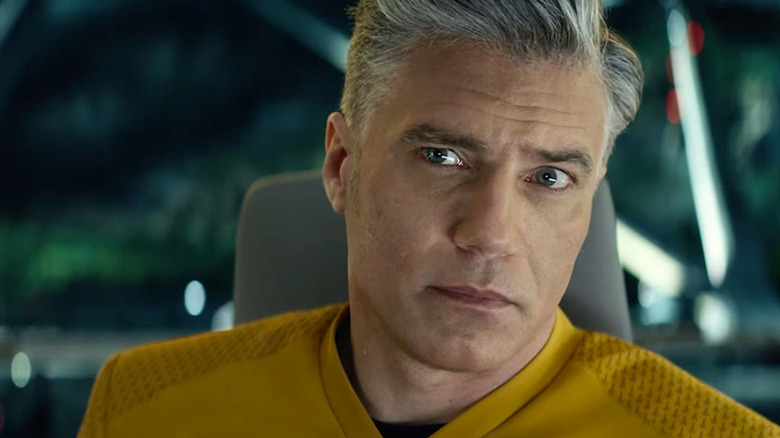
- Official Responses: Critics have often debated her "rule-breaking" nature, but it was precisely her willingness to bend Starfleet protocol that ensured her crew’s survival in hostile territory.
9. Leonard "Bones" McCoy: The Heart
DeForest Kelley’s Dr. McCoy provided the essential human emotion that balanced Spock’s logic and Kirk’s ambition.
- Main Facts: As the ship’s resident curmudgeon, McCoy brought a necessary, old-school perspective to the technological wonders of the 23rd century. He proved that even in a world of advanced science, human empathy is the most important tool.
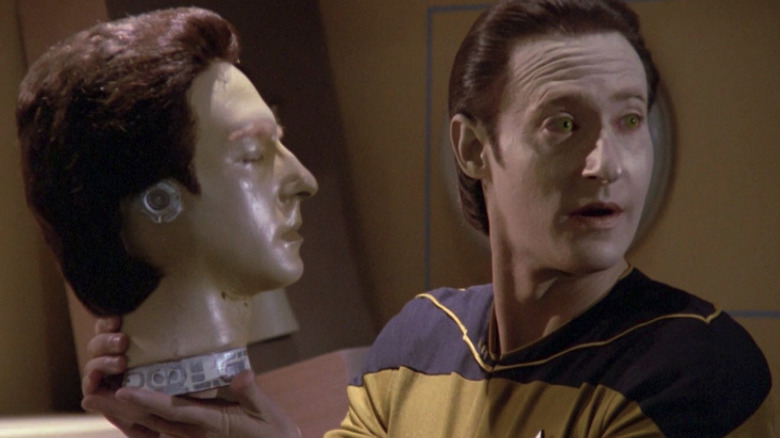
10. Data: The Aspirant
Brent Spiner’s Data is the quintessential outsider. By constantly trying to understand the human condition, he forced the audience to re-examine what it actually means to be human.
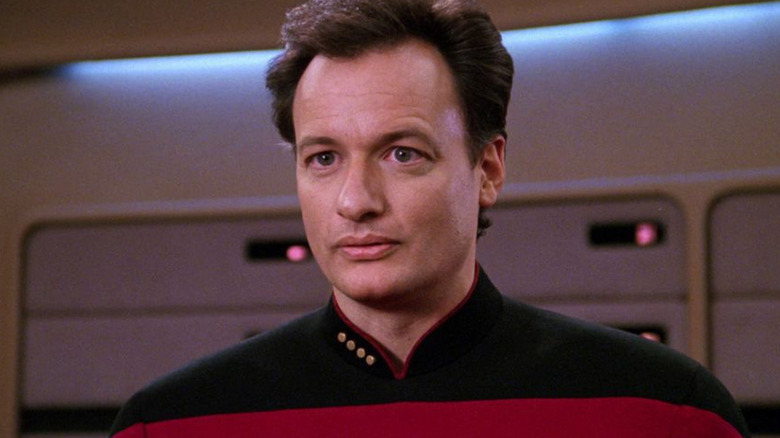
- Implications: Through the courtroom battles of The Next Generation, Data challenged the Federation’s definition of life and sentience, leaving a lasting impact on the franchise’s philosophical framework.
11. Nyota Uhura: The Groundbreaker
Nichelle Nichols’ legacy cannot be overstated. By portraying a high-ranking officer of color in the 1960s, she became a cultural icon.
- Chronology: From the original series to the modern iterations in Strange New Worlds (portrayed by Celia Rose Gooding), Uhura remains the gold standard for professionalism and linguistic brilliance.
12. Q: The Cosmic Trickster
John de Lancie’s Q introduced the concept of the omnipotent adversary. He is the ultimate test of humanity, forcing characters like Picard to prove their worthiness.
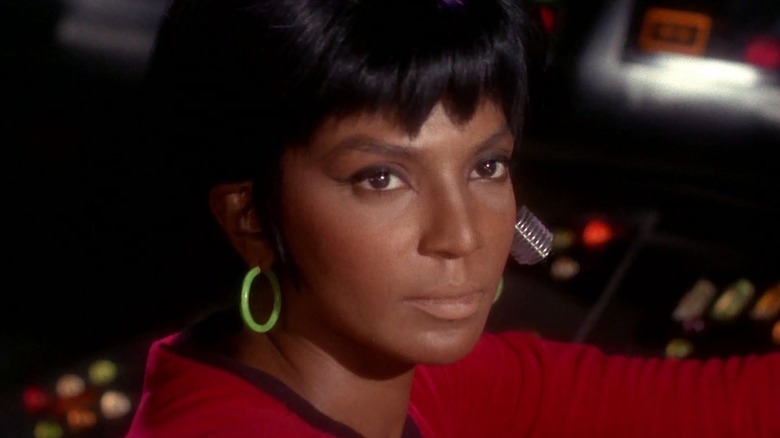
- Supporting Data: Q is the most powerful character in the Trek universe, yet he is never boring. His growth from a cynical judge to a character who eventually displays genuine, if twisted, affection for his "frenemy" Picard is a narrative triumph.
13. Christopher Pike: The Tragic Visionary
Anson Mount’s portrayal of Captain Pike in Strange New Worlds has breathed new life into a character once relegated to a footnote in the pilot of the original series.
- Main Facts: Pike is a leader defined by his knowledge of his own tragic future. His ability to serve with grace, knowing his ultimate fate, makes him one of the most poignant figures in the canon.
14. Miles O’Brien: The Everyman
Colm Meaney’s Miles O’Brien is the hero of the working class. He is not a captain or a god-like entity; he is a transporter chief and engineer.
- Implications: Lower Decks rightfully identified him as the "most important man in Star Trek history." He represents the reality of life in the Federation: the competent, reliable backbone that keeps the ship—and the society—running.
15. Jonathan Archer: The Trailblazer
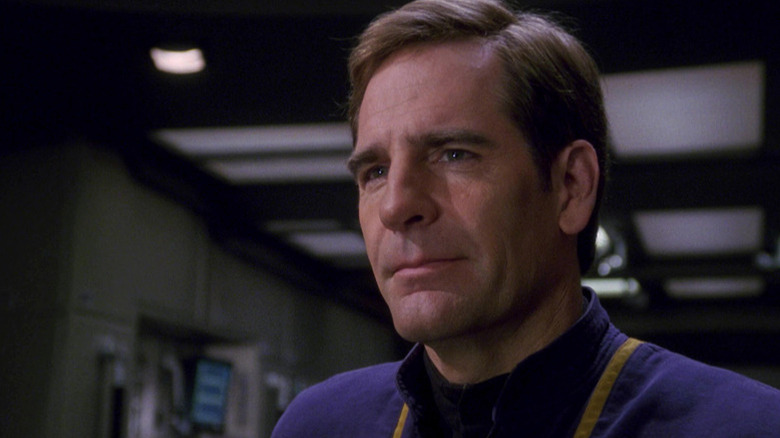
Scott Bakula’s Jonathan Archer, the captain of the Enterprise NX-01, represents the dawn of the Federation.
- Chronology: Set a century before Kirk, Archer’s journey is one of discovery and error. He is the captain who made the mistakes so that those who followed him wouldn’t have to. His efforts to found the United Federation of Planets make him the bedrock upon which the entire series is built.
Conclusion: The Legacy of Starfleet
The enduring nature of Star Trek is not found in the phasers or the warp cores, but in the evolution of these fifteen individuals. Whether they were exploring the unknown like Archer and Kirk, or struggling with their own identity like Spock, Seven, and Data, these characters have become a permanent part of our cultural lexicon. As the franchise continues to expand into new eras, these figures remain the standard by which all new officers—and all new stories—will be measured. Their missions continue, not just in the stars, but in the memories of the fans who have followed them for over sixty years.


 Asep Darmawan
 Nana Wu