

By Editorial Staff
August 29, 2025
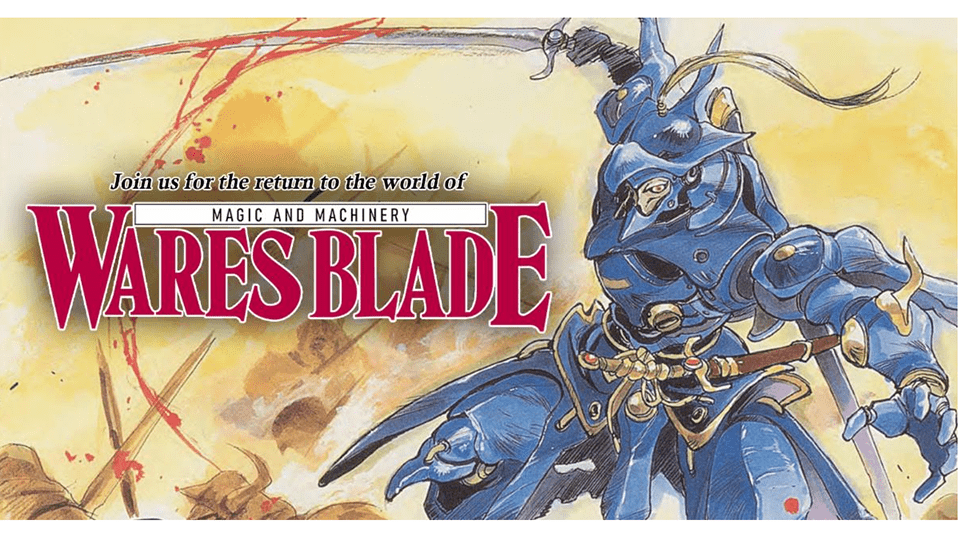
For decades, the Japanese Tabletop Role-Playing Game (TRPG) scene has been a treasure trove of innovative mechanics, genre-bending narratives, and unique aesthetic sensibilities. While many Western gamers are well-versed in the titans of the industry, a vast library of "vintage" Japanese classics has remained locked behind a language barrier—until now. LionWing Publishing, the industry leader in bringing these cultural artifacts to Western audiences, has officially launched its highly anticipated crowdfunding campaign for Wares Blade, the seminal 1989 mecha RPG that helped define the genre in Japan.
With the Kickstarter campaign already surging past its initial funding goals, the project marks a significant moment for both TTRPG enthusiasts and fans of classic anime-inspired mecha storytelling.
The Core Concept: What is Wares Blade?
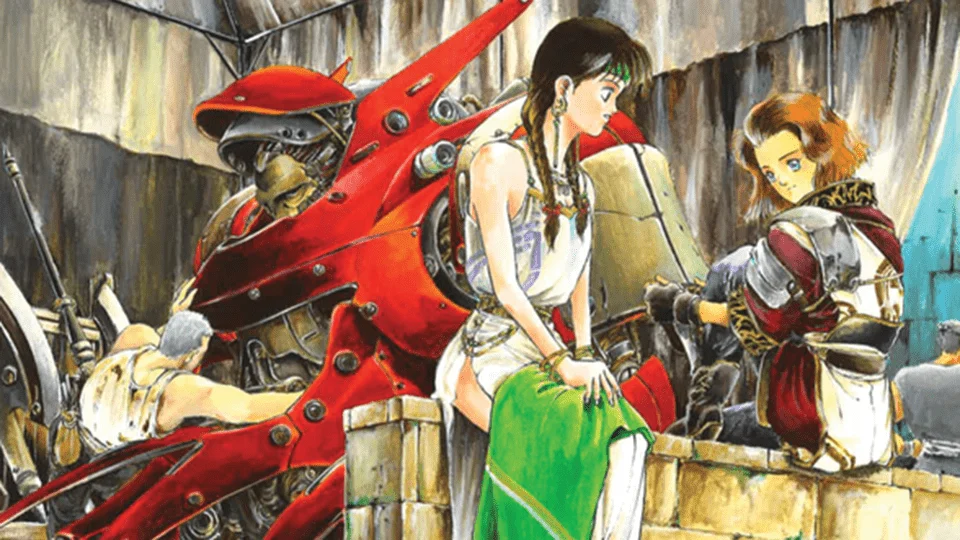
At its heart, Wares Blade is a historical milestone. Published in 1989, it stands as one of the first major commercial mecha-themed role-playing games to emerge from the Japanese market. While the genre has evolved significantly in the 36 years since its inception, Wares Blade remains a touchstone for its innovative fusion of high-octane mecha combat and traditional fantasy magic.
The game is frequently compared to series like The Vision of Escaflowne, where the metallic clatter of armor is accompanied by the mystical hum of ancient power. Unlike modern "crunchy" tactical games that focus solely on hardware stats, Wares Blade forces players to balance their technological superiority with the volatile, unpredictable nature of magical resonance.
Gameplay Mechanics: The Ryude and the Risk
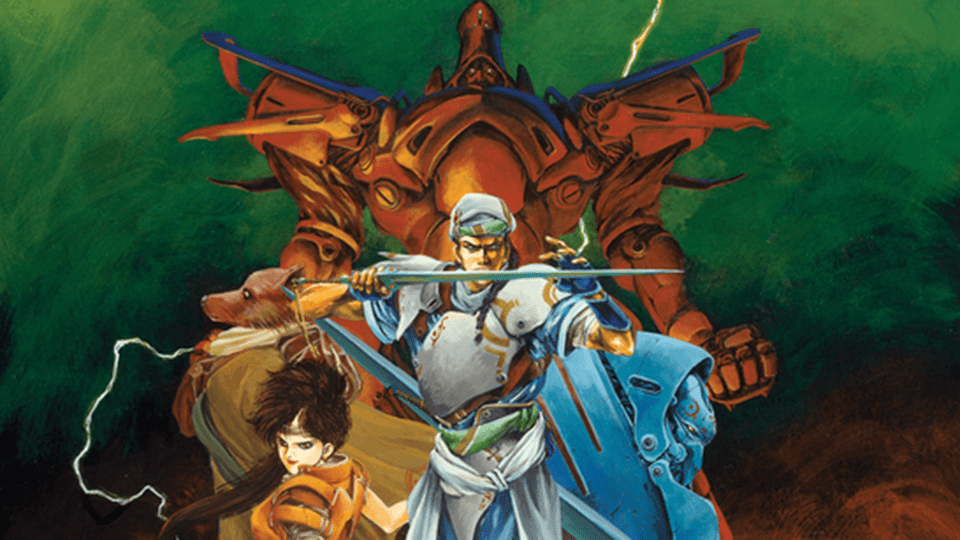
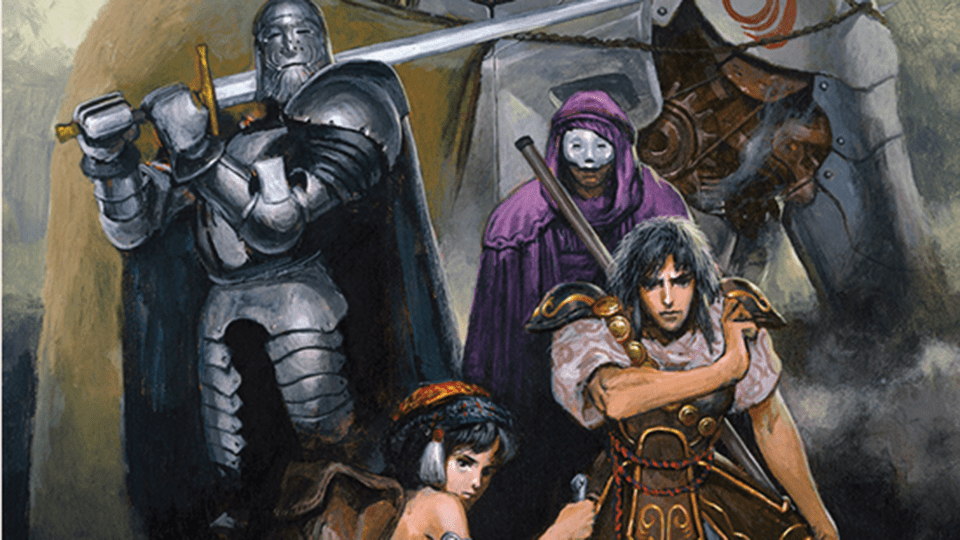
The core of the game revolves around the "Ryude"—the sentient or magical mecha units that players pilot. The core rulebook features 40 distinct Ryude, each with unique configurations and capabilities. The system utilizes a d10-based engine, emphasizing speed and decision-making; combat is resolved in tight, two-second "rounds," ensuring that every action taken in the cockpit feels consequential.
One of the most distinct features of Wares Blade is its "Backlash" system. Much like the dark magic mechanics found in Warhammer Fantasy, casting spells or pushing a Ryude to its limits carries the inherent risk of magical feedback. Furthermore, the game introduces a "Luck" dice pool. Players can choose to gamble their resources to increase their odds, but the system is designed to be a double-edged sword: the more you rely on luck, the more you draw the attention of enemies, making your pilot a larger target on the battlefield.
A Chronology of a Cult Classic
To understand the weight of this release, one must look at the timeline of the Japanese TTRPG industry.
- 1989 (The Debut): Wares Blade is first published in Japan. It enters a market dominated by early PC-style RPG adaptations and establishes a niche for "Fantasy-Mecha" hybrids.
- 1990s–2010s (Expansion): The game enjoys a cult status, spawning dozens of supplements, world-building modules, and tie-in fiction. It becomes a foundational text for a generation of Japanese game designers.
- 2024 (The Acquisition): LionWing Publishing announces its intent to localize the title, scouting for the best source material to ensure a faithful reproduction for an international audience.
- August 2025 (The Crowdfunding Launch): The Kickstarter campaign goes live, moving from a niche Japanese import to a global tabletop event.
LionWing Publishing: The Bridge to the East
LionWing Publishing has carved out a specialized niche as the premier curator and translator of Japanese tabletop gaming. Their success is not accidental; it is built on a rigorous commitment to quality and an understanding of the intersection between anime culture and tabletop gaming.
A Track Record of Success
LionWing’s reputation has been bolstered by a string of successful campaigns. Their recent work on Kedamono Opera, a dark fairy-tale-themed RPG, demonstrated their ability to manage complex, lore-heavy translations while maintaining the "vibe" of the original Japanese text.

Other notable entries in their catalog include:
- Convictor Drive: A high-octane, Kamen Rider-inspired system that emphasizes modular armor customization.
- Eldritch Escape: Tokyo: A two-player, Soulsborne-style survival game that highlights the publisher’s range in atmospheric design.
- Shin Megami Tensei III: Nocturne – The Roleplaying Game: The official adaptation of the iconic video game, which set a high bar for licensed property translations in the TTRPG space.
By consistently delivering on promises—often exceeding initial funding goals within hours—LionWing has fostered a community of trust among backers who know that their contributions will result in high-quality physical books, custom accessories, and well-researched supplementary material.
Supporting Data: The Crowdfunding Surge
The Kickstarter campaign for Wares Blade is not merely a request for funding; it is a testament to the pent-up demand for vintage Japanese gaming in the West. Within hours of going live, the campaign was funded more than seven times over.
This level of financial support allows the publisher to include premium elements that might otherwise be cut. The backer tiers are structured to offer a tiered experience:
- The Digital Entry ($30): Offers a comprehensive digital rulebook for players looking to start immediately.
- The Collector’s Experience ($150+): Provides physical assets, including custom dice sets, branded dice trays, high-quality character sheets, and premium, foil-stamped collector’s editions of the core rulebook.
- The GM’s Arsenal: Top-tier backers receive exclusive physical aids, including high-quality acrylic stands and a professional-grade GM screen designed to streamline the management of the "Backlash" and "Luck" systems.
The overwhelming success of this campaign provides a clear metric: the appetite for non-Western TTRPG systems is at an all-time high, signaling a shift in the global tabletop market toward more diverse design philosophies.
Official Perspectives and Industry Implications
When asked about the importance of Wares Blade, industry analysts note that the localization of such a title is an act of historical preservation.
"Many of these games were never intended to leave Japan," explains one industry consultant. "When LionWing translates these, they aren’t just selling a game; they are exporting a piece of Japanese pop culture history. Wares Blade is particularly interesting because it represents a time when designers were throwing ideas at the wall—blending high fantasy with sci-fi mecha—in a way that feels incredibly fresh to modern players who are used to more rigid genre boundaries."
The Future of Localized TTRPGs
The success of the Wares Blade Kickstarter has broader implications for the industry:
- Genre Diversification: As Western players move away from standard D20-based high fantasy, the unique mechanics of systems like Wares Blade offer a compelling alternative.
- Community-Driven Preservation: The model of using crowdfunding to rescue "lost" games creates a sustainable ecosystem where fans have a direct voice in which historical titles get the "deluxe" treatment.
- The "LionWing Effect": Other publishers are now watching the success of these Japanese translations closely. If Wares Blade continues to perform at this level, we can expect a wave of 1990s Japanese titles to be re-evaluated for international release.
Conclusion: How to Join the Campaign
For those interested in exploring the world of Wares Blade, time is of the essence. The Kickstarter campaign is currently active, and the developers have made it clear that this is a finite opportunity to secure the collector’s edition physical rewards.
As we look at the current landscape of tabletop gaming, it is clear that the "old guard" of Japanese design still has plenty to teach the modern industry. Whether you are a fan of classic mecha anime or a GM looking to challenge your players with a high-stakes, volatile magic system, Wares Blade offers a unique experience that bridges the gap between 1989 and the present day.
The campaign concludes on September 18, 2025. Interested parties are encouraged to visit the official Kickstarter page to secure their copy and contribute to the ongoing legacy of this classic Japanese RPG.
In a world of modern, digital-first tabletop experiences, there is something deeply satisfying about picking up a manual that carries the weight of history—and the thrill of giant mecha combat—right to your gaming table.












No comments yet. Be the first to join the conversation!