Nana Wu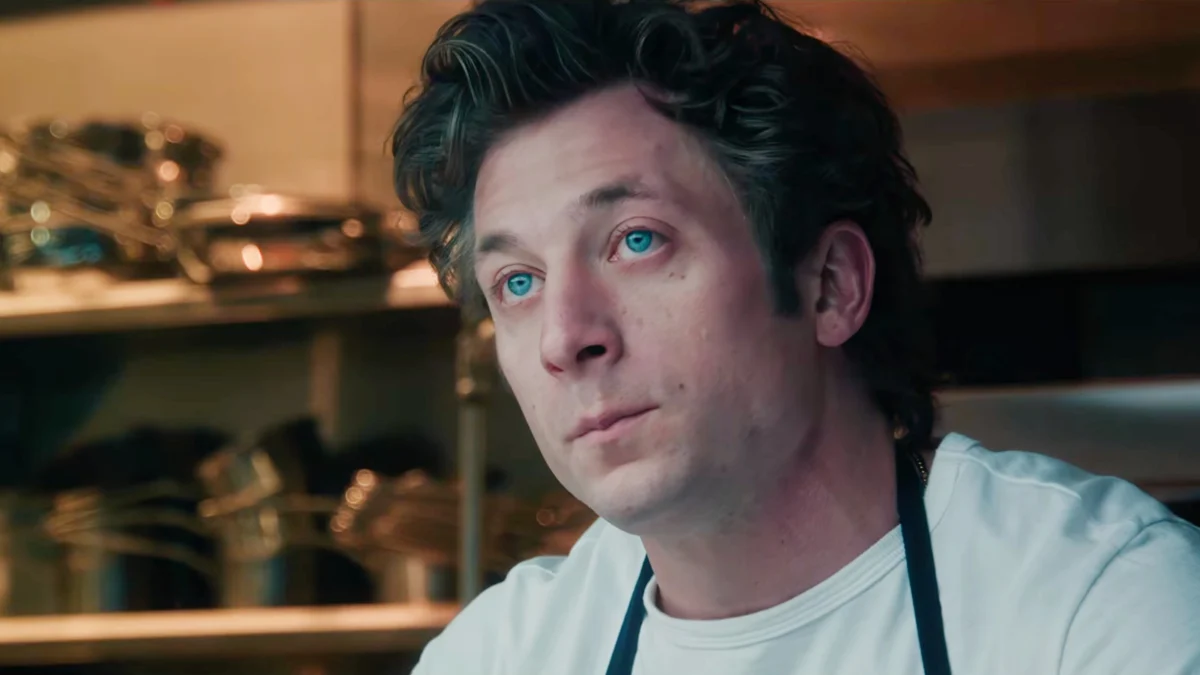
After a high-pressure, anxiety-inducing, and emotionally resonant journey through the culinary trenches of Chicago, The Bear has officially served its final plate. The fifth and final season of the hit Hulu series has concluded, bringing the tumultuous saga of Carmy Berzatto and his makeshift family of chefs to a definitive close. With all episodes released simultaneously, the discourse has ignited across social media, with a near-unanimous consensus emerging: the show has stuck the landing in spectacular fashion.
The Final Service: A Culmination of Chaos and Catharsis
The conclusion of The Bear marks the end of a cultural phenomenon that redefined the television landscape. Over five seasons, creator Christopher Storer’s masterpiece evolved from a gritty, claustrophobic drama about a struggling sandwich shop into a sophisticated, character-driven exploration of grief, perfectionism, and the healing power of found family.
The final season, which mirrors the frantic energy of a high-end kitchen during service, has been hailed by audiences as a triumph. By distilling the narrative into a tightly wound, high-stakes sprint, the show managed to maintain the visceral tension that has been its hallmark since the pilot. Whether it was the legacy of Mikey Berzatto, the evolution of Richie’s professional confidence, or the delicate dance of ambition between Carmy and Sydney, the finale provided the closure that fans had been breathlessly awaiting.
Chronology of a Masterpiece
To understand the weight of this finale, one must look back at the show’s trajectory. The Bear burst onto the scene with a frenetic pilot that left viewers disoriented and addicted.
- Seasons 1 & 2: The series established itself as a visceral look at the intersection of trauma and culinary art. The "Beef" transformed, and the team faced the growing pains of becoming a Michelin-level operation.
- Seasons 3 & 4: These chapters offered a deeper, albeit more divisive, dive into the psychological toll of excellence. While some fans felt the pacing fluctuated, these seasons were essential in deconstructing the characters, preparing them for the ultimate reckoning in the finale.
- The Final Stretch: The release of the surprise flashback episode earlier this year served as a poignant prologue to the end, re-centering the narrative on the ghost of Mikey and the foundational trauma that drove Carmy to build "The Bear."
- The Series Finale: The final episodes arrived as a binge-watchable event, with the narrative tightening around the core cast to deliver a resolution that felt both earned and inevitable.
The Fan Verdict: A "Chef’s Kiss" Conclusion
Social media platforms, including X (formerly Twitter) and Reddit, have been flooded with tributes to the show’s conclusion. The prevailing sentiment is one of profound satisfaction.
"The Bear did it. The best series finale of the year and probably the best series finale since Breaking Bad," wrote user JR.Beast on X. Such high-profile comparisons reflect the stature the show has achieved in the public imagination. On the official The Bear subreddit, the sentiment was equally positive, with user Large_Desk noting, "I was skeptical of the ‘whole season is one day’ structure, but it worked out great. It kept the momentum rolling and showcased so many characters in a way that felt natural."
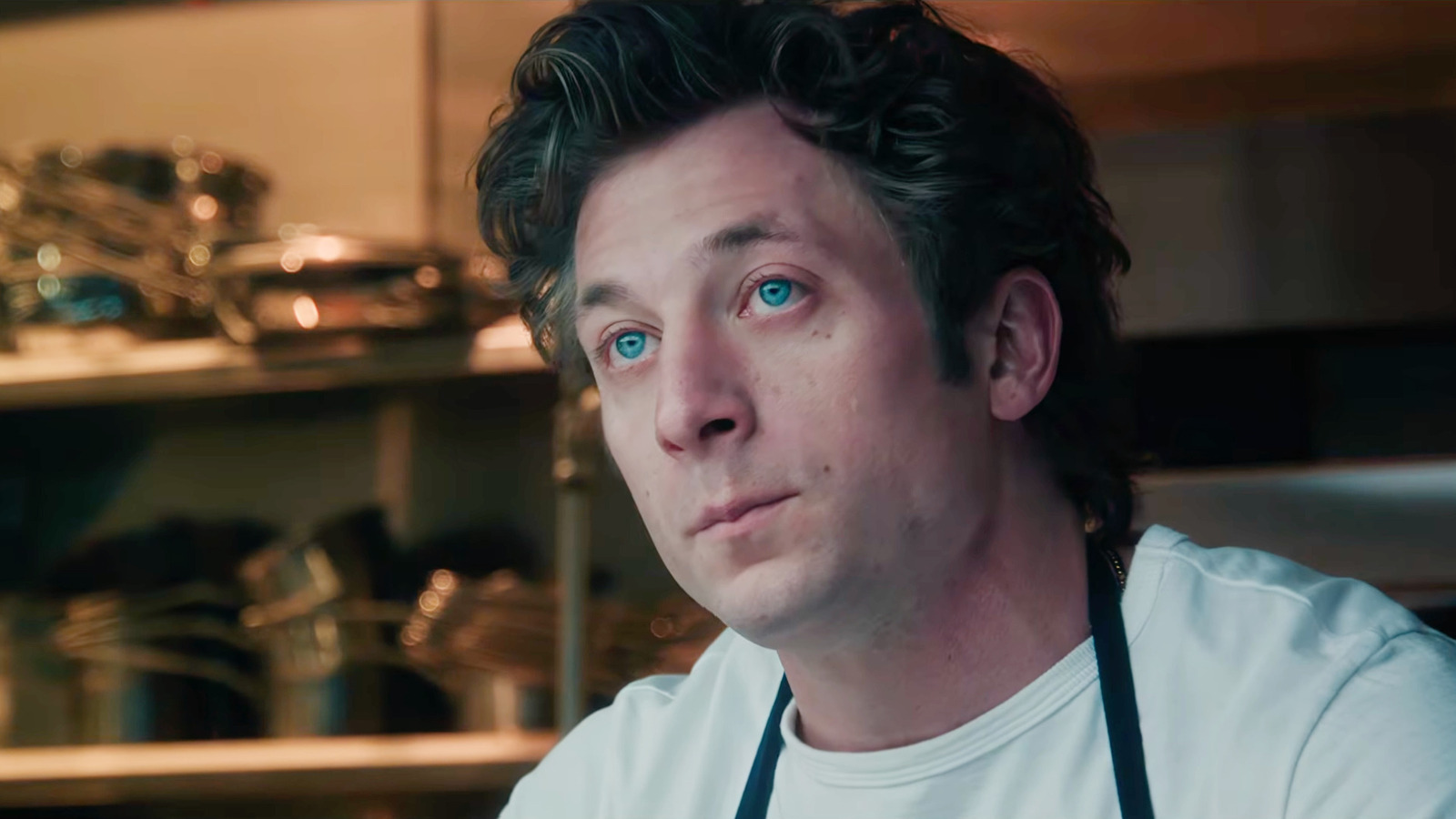
The show’s ability to balance "pathos, humor, and heart" was a recurring theme in fan testimonials. Even viewers who initially approached the final season with skepticism found themselves won over by the sheer emotional payoff of the final episodes. While some minor critiques emerged—some fans expressed a desire for more screen time for specific characters like Claire, or noted that Carmy’s character arc felt more tempered than in previous seasons—these were largely drowned out by an overwhelming chorus of praise.
Critical Acclaim and Statistical Success
The critical reception has mirrored the audience’s enthusiasm. The Bear Season 5 currently boasts an impressive 98% critical score on Rotten Tomatoes, a testament to the show’s consistency and its ability to refine its craft over time.
Reviewers have noted that the finale successfully sidestepped the common pitfalls of long-running prestige dramas. As noted in /Film’s coverage, the show has managed to maintain its integrity, avoiding the "fizzle out" effect that often plagues shows of its caliber. By grounding the finale in the same character-centric intimacy that defined its early success, the creative team ensured that the stakes felt personal rather than purely plot-driven. The shift from the chaotic, screaming-match environment of the original kitchen to the refined, controlled chaos of the final restaurant reflects the maturation of the characters themselves.
Official Responses and Creative Intent
While the cast and crew have remained largely focused on the emotional weight of the conclusion, the creative team has been vocal about the importance of legacy. Christopher Storer’s direction in the final season emphasized the theme of "passing the torch."
The inclusion of Richie’s growth—from the loud, abrasive "Cousin" to a man who has finally found his purpose—has been a cornerstone of the show’s heart. Fans have been particularly vocal about how satisfying it was to see these arcs conclude with grace. The show’s writers, by choosing to focus on the interconnectedness of the staff, successfully shifted the focus away from the "angst-ridden genius" trope and toward a more communal, hopeful resolution.
Implications for the Future of Television
The success of The Bear provides a blueprint for the future of streaming-era television. By prioritizing character development over serialized cliffhangers, the show proved that audiences are still hungry for dense, emotionally demanding narratives.
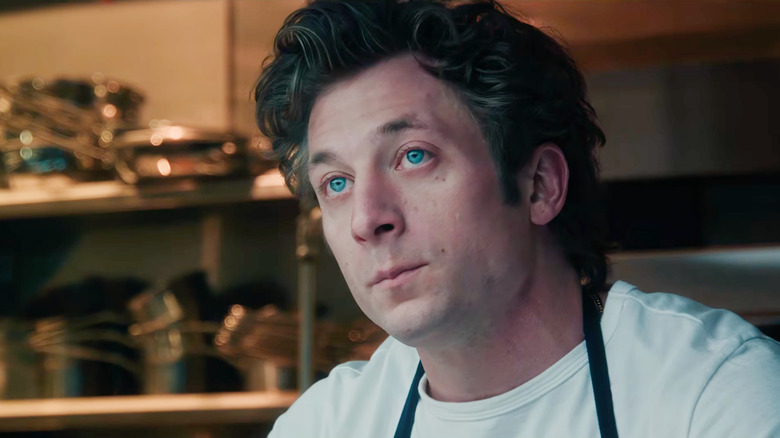
Furthermore, the show’s unique release structure—dropping entire seasons at once—allowed for a "watercooler" effect that spanned the entire run. The fact that the finale has generated such widespread, coherent discussion suggests that the "binge-watch" model remains a powerful tool for building a cohesive cultural event, provided the story is strong enough to sustain it.
The implications for the industry are clear: audiences value authenticity. The show’s willingness to depict the "dirty" side of the culinary world—the broken equipment, the burnt nerves, the financial instability—created a level of trust between the creators and the viewers. When the finale finally arrived, the audience felt they were parting ways with real people, not just scripted characters.
Final Thoughts: The Legacy of the Kitchen
As the dust settles on the final service at The Bear, the legacy of the show is cemented. It stands as a definitive exploration of the modern professional experience, a love letter to Chicago, and a masterclass in ensemble acting.
Whether it was the chaotic brilliance of Ayo Edebiri’s Sydney, the volatile intensity of Jeremy Allen White’s Carmy, or the soul-stirring evolution of Ebon Moss-Bachrach’s Richie, the show provided a space for every character to grow, stumble, and eventually find their footing.
"The Bear" has managed to achieve the rarest of feats: it ended on its own terms, left its audience wanting more, and delivered a conclusion that felt like a true "chef’s kiss." While the doors to the restaurant are now closed, the impact of the journey remains. For fans who invested years of emotional energy into the Berzatto family, the final season provided the ultimate reward: a sense of peace.
As one fan eloquently put it on social media: "I’m going to miss this show. Bravo, and thank you." It is a sentiment shared by many, marking the end of one of the most successful and deeply felt television runs of the decade. The Bear may be finished, but its recipe for greatness will likely be studied by television creators for years to come.


 Dwi Wanna
 Lina Irawan