In the vast, sprawling catalog of Nihon Falcom—a developer synonymous with the long-running Ys and Trails franchises—there exist titles that occupy a strange, liminal space in gaming history. While modern audiences flock to the high-octane anime tropes of Trails of Cold Steel or the lightning-fast action of Adol Christin’s adventures, there sits a somber, deliberate, and atmospheric masterpiece waiting in the wings: Xanadu Next.
This week, the Retro Encounter podcast turns its attention to this 2005 cult classic, exploring the desolate, mystery-laden ruins of Harlech Island. Featuring panelists Aleks Franiczek, Ben Love, and Audra Bowling, the episode unpacks the DNA of a game that dared to pivot away from Falcom’s traditional action-heavy formula toward something more introspective and structurally complex.
The Main Facts: What is Xanadu Next?
At its core, Xanadu Next is an isometric action RPG that stands as a spiritual successor to the original Xanadu (1985). Released initially for PC in Japan during a period of transition for Falcom, the game did not see a Western release until XSEED Games brought it to Steam in 2016.
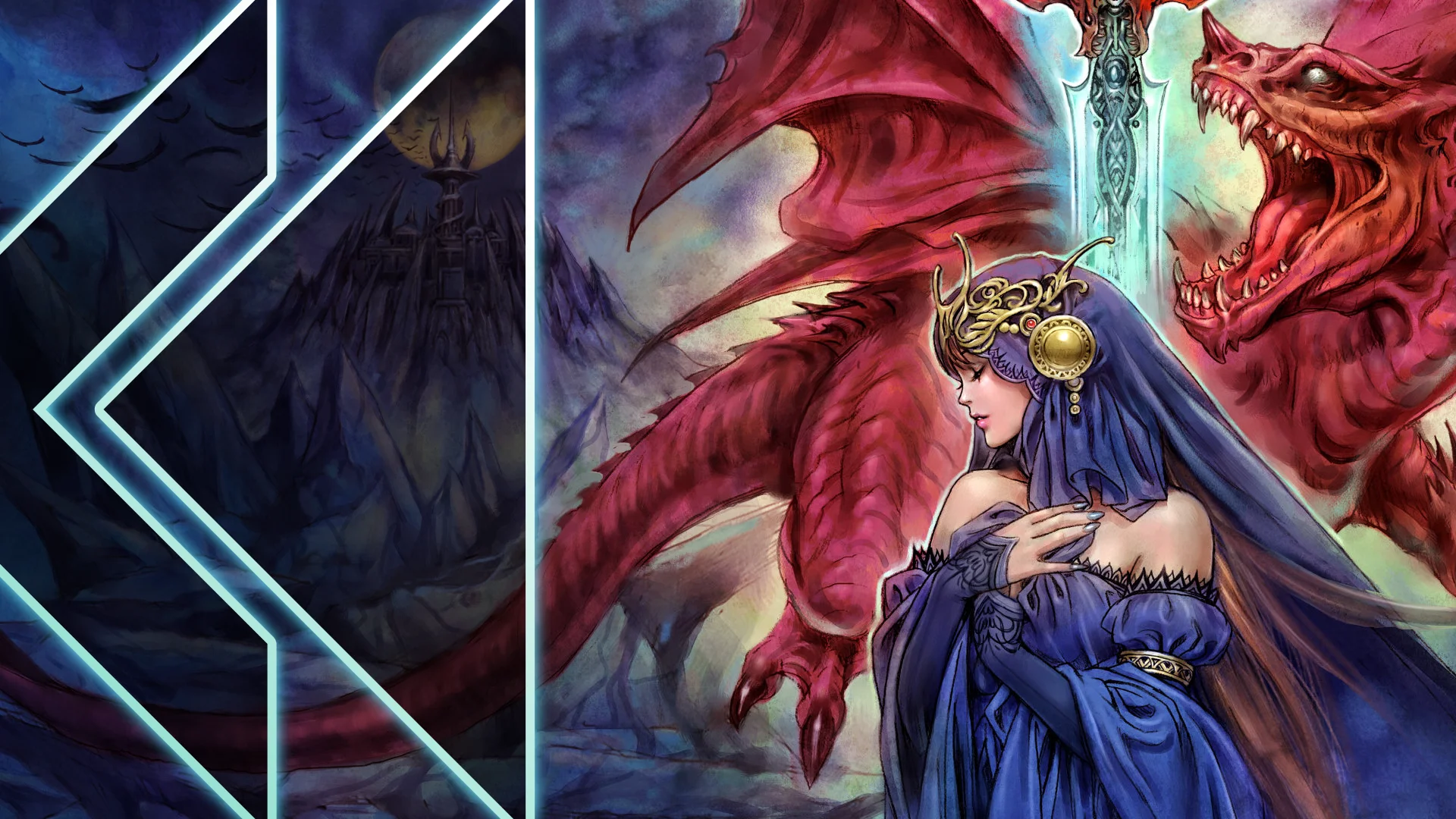
The premise is deceptively simple: a knight and an archeologist, Charlotte Wells, travel to the isolated Harlech Island to investigate rumors of an ancient castle that manifests only within the mist. What they find is a land cursed by the remnants of a fallen civilization, guarded by a holy sword that pulses with forgotten power. Unlike the bombastic nature of many ARPGs, Xanadu Next emphasizes a quiet, melancholic exploration of a decaying world. It is a game of interconnected paths, gated progression, and a tactile sense of discovery that feels remarkably modern despite its nearly two-decade-old origins.
Chronology: A Delayed Journey to the West
To understand the cultural impact of Xanadu Next, one must look at the timeline of its release and subsequent rediscovery.
- 2005: The game makes its debut in Japan. At this time, Falcom was experimenting with different iterations of their game engine, moving away from the pure 2D sprite-work of the 90s into a hybrid 3D isometric style that allowed for more verticality and depth in level design.
- 2005–2015: For a decade, Xanadu Next remained a "holy grail" for Western Falcom fans. While imported copies were cherished, the language barrier kept it relegated to the status of a footnote in most North American gaming circles.
- 2016: XSEED Games, a publisher renowned for their localization of niche Japanese titles, finally brought the game to the global market via Steam. This marked a significant moment for the title, as it was finally judged by a modern audience accustomed to the "Metroidvania" and "Souls-like" design philosophies that Xanadu Next seemingly predicted.
- Present Day: The game is frequently cited by connoisseurs of the genre as an essential, if often overlooked, piece of the Falcom library, standing alongside the developer’s more famous works as a masterclass in atmosphere and pacing.
Supporting Data: Mechanics and Design Philosophy
The Retro Encounter panel notes that the game’s "secret sauce" lies in its intentionality. Unlike the frantic button-mashing of its contemporaries, Xanadu Next forces the player to engage with a complex key-and-door economy.
The Interconnected World
The design of Harlech Island draws heavy inspiration from Yasumi Matsuno’s Ivalice—specifically the structural brilliance of Vagrant Story. The map is not a series of disconnected rooms but a cohesive, tangled web. As players unlock new abilities and acquire specific keys, the world "folds" in on itself, allowing for shortcuts that make the island feel like a singular, breathing location.
Combat and Character Progression
The combat system occupies a middle ground between the tactical patience of Diablo and the deliberate, stamina-based combat of later action RPGs. Players manage a variety of weapons, each with its own proficiency level. Using a weapon repeatedly increases the player’s mastery, a system that encourages experimentation and prevents the player from simply sticking to one "overpowered" tool. Furthermore, the magic system, tied to the "Guardian" mechanic, allows for character customization that is both deep and accessible.
The "Frustrating" Economy
A point of contention during the podcast discussion is the game’s "key economy." By limiting access to certain areas through physical keys, the game forces a sense of urgency and careful resource management. While some modern players may find the backtracking tedious, the Retro Encounter team argues that it is exactly this friction that makes the eventual discovery of a new path feel rewarding.
Official Responses and Critical Reception
While Xanadu Next did not set sales records upon its original release, it garnered a dedicated following that grew exponentially after the 2016 re-release. Critics have consistently praised the game’s haunting soundtrack—a staple of Falcom’s production—and its art direction, which captures a sense of "ruined beauty" that few isometric games of the mid-2000s managed to achieve.
In retrospective reviews, the game is often described as "Falcom’s dark horse." It is less about the grand, saving-the-world narrative of the Ys series and more about the intimate, often lonely experience of a knight wandering through a tomb of history. The Retro Encounter panel highlights this specific tonal shift as a defining characteristic that sets it apart from the rest of the developer’s catalog.
Implications: Why Xanadu Next Still Matters
The ongoing relevance of Xanadu Next serves as a case study for the longevity of "slow-burn" game design. In an era where many action RPGs lean into massive, open-world checklists, the contained, dense, and meaningful level design of Harlech Island feels refreshing.
The "Ivalice" Influence
By explicitly channeling the somber atmosphere of Vagrant Story, Falcom proved that they were not just a company that excelled at fast-paced action, but one capable of deep, narrative-heavy atmospheric storytelling. This pivot arguably influenced their later projects, encouraging a more diverse portfolio that includes the slow-build character development of Trails and the moody, deliberate exploration found in Xanadu Next.
Lessons for Modern Indie Developers
For modern indie developers, Xanadu Next serves as a blueprint for how to create a "world" rather than just a "level." The way the game uses its environment to tell the story of a civilization long gone is a technique that has been adopted by everything from Dark Souls to Hollow Knight. The game teaches that player engagement is often higher when the world is an obstacle to be understood rather than a playground to be conquered.
Conclusion: A Must-Listen Exploration
Whether you are a long-time Falcom devotee or a newcomer looking to understand the roots of modern isometric action RPGs, the latest Retro Encounter episode provides a comprehensive look at why this title deserves to be pulled from the mists of obscurity.
The panel—Aleks, Ben, and Audra—delves into the nuances of the game’s mechanics, the beauty of its somber tone, and the sheer satisfaction of uncovering the mysteries of Harlech Island. It is a candid, humorous, and deeply informative conversation that captures the magic of what happens when a developer steps outside of their comfort zone.
Where to Listen
The episode is available now on all major podcast platforms, including:
Listeners are encouraged to leave a rating and share their own memories of Xanadu Next. For those who wish to reach out directly to the hosts, feedback can be sent to [email protected]. As the mist begins to clear, there has never been a better time to pick up the holy sword and brave the halls of the ancient castle once more.