Lina Hope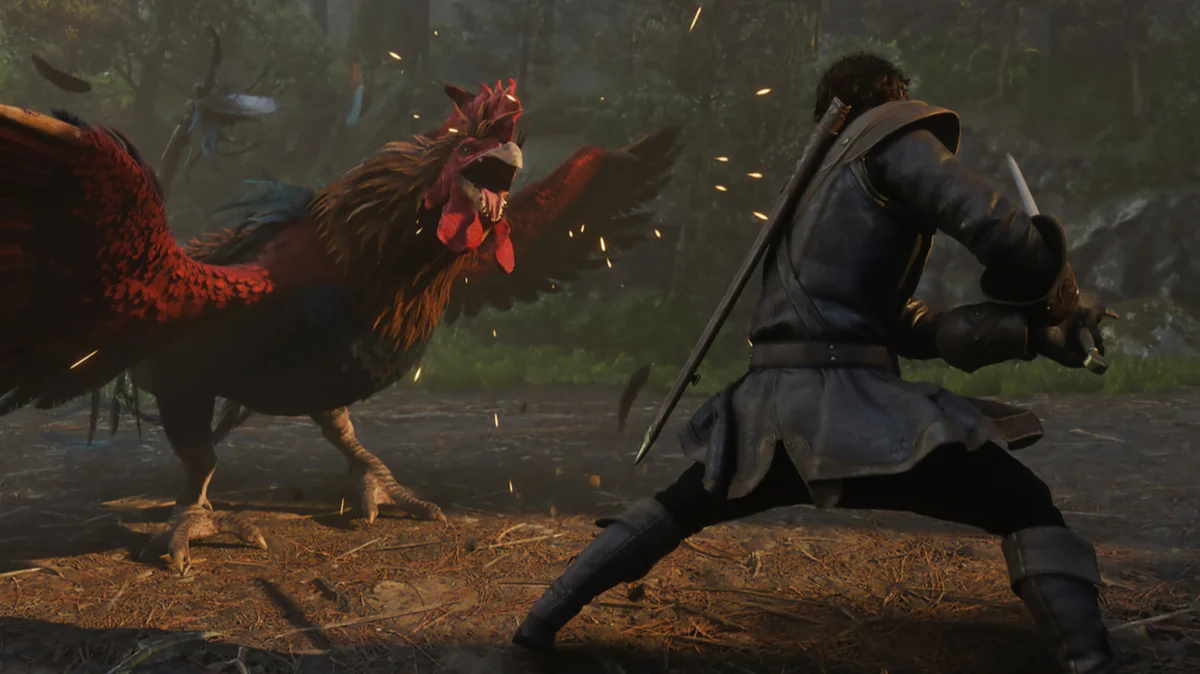
In the high-stakes world of triple-A video game development, timing is often as critical as the quality of the code itself. This week, Microsoft and Playground Games delivered a sobering update to the gaming community: the highly anticipated reboot of the Fable franchise, which was slated to grace consoles and PC this fall, has been officially delayed. The title will now arrive in February 2027. While fans have grown accustomed to the "delayed for quality" narrative, this specific shift reflects a complex confluence of industry competition, market saturation, and the ambitious nature of reviving a beloved, decades-old fantasy RPG.
The Core Facts: A Strategic Pivot to 2027
The announcement, delivered via a concise post on the social media platform X, confirmed that the Fable reboot is shifting its launch window from the original target of fall 2026 to February 2027. Xbox officials framed the move as a decision to ensure the title receives "the dedicated moment it deserves."
For a studio as meticulous as Playground Games—best known for the technical wizardry behind the Forza Horizon series—the additional months of development time represent a crucial "polishing window." In modern game development, the final months of production are often spent on intensive bug squashing, optimization for various hardware configurations, and refining the user experience. By moving into the early months of 2027, Playground Games avoids the chaotic marketing noise of the holiday season, allowing the game to stand on its own merits rather than competing for consumer attention during the busiest quarter of the fiscal year.
A Chronology of Anticipation: Seven Years in the Making
The journey of the Fable reboot is a testament to the extended gestation periods of modern blockbuster games. To understand the gravity of this delay, one must look back at the timeline of the project’s development.
- 2020: The Announcement: Microsoft officially unveiled the Fable reboot during the Xbox Games Showcase. At the time, the mere mention of the franchise was enough to ignite massive enthusiasm among veteran Xbox players who had spent years clamoring for a return to Albion.
- 2023: Emerging Details: Following a long period of silence, leaks and snippets of information began to trickle out, confirming that Playground Games was aiming for a high-fidelity experience that balanced the series’ trademark humor with modern, open-world mechanics.
- January 2026: First Gameplay Reveal: It wasn’t until earlier this year that the public finally saw substantial gameplay. The footage showcased a sophisticated character creator and a deep, systemic approach to NPC behavior, signaling that the studio was pushing the limits of the engine to create a reactive, living world.
- May 2026: The Strategic Delay: Faced with a crowded Q4 schedule, Microsoft made the call to push the release into early 2027.
From its initial announcement in 2020 to its projected release in 2027, the game will have been in the public eye for seven years. This timeline is significant; it underscores the shift in industry standards where "next-generation" experiences now routinely require a development cycle spanning nearly a decade, especially when a studio is tasked with reimagining a legacy IP for a new generation of hardware.
Market Saturation: Navigating the "Blast Radius"
Perhaps the most compelling reason for this delay is the unprecedented density of the 2026 gaming calendar. In the world of publishing, "blast radius" is a term often used to describe the unavoidable negative impact a massive blockbuster has on the sales and visibility of other games launching near it.
The primary gravity well in 2026 is, undoubtedly, Grand Theft Auto VI. With its release locked for November 19, 2026, Rockstar Games’ latest installment is expected to dominate headlines, social media conversations, and consumer spending for months. When a game of that magnitude launches, it effectively "vacuums" the room of oxygen.
However, GTA VI is not alone. The back half of 2026 is a veritable gauntlet of high-profile releases, including Call of Duty: Modern Warfare 4, Control Resonant, and Star Wars: Galactic Racer. For Microsoft, launching Fable into this environment would be a tactical error. Even if the game were perfect, it would struggle to gain traction against such titan-level competition. By moving to February 2027, Microsoft secures a quieter release window, providing Fable with a clear runway to capture the attention of RPG fans without the distraction of a crowded blockbuster season.
Official Responses and Transparency
Microsoft’s official stance, as communicated via their social media channels, highlights the difficulty of managing a release schedule that includes a multitude of high-priority projects. The company stated:
"This year is packed with incredible games for Xbox players to enjoy, from Halo: Campaign Evolved and Gears of War: E-Day to Call of Duty: Modern Warfare 4, Control Resonant, and the monumental Grand Theft Auto VI. In order to plan our game launches through the calendar, we have determined that Fable will find its best home in early 2027."
This transparency—acknowledging the specific titles that contributed to the scheduling conflict—is a modern approach to corporate communications. It moves away from vague "quality concerns" and offers a logistical reality check that most industry analysts appreciate. It confirms that the delay is not necessarily an indictment of the game’s progress, but a calculated maneuver to ensure its long-term commercial success.
The Implications: What This Means for Xbox and Players
The delay of Fable carries several implications for the broader Xbox ecosystem:
1. The Multi-Platform Strategy
One of the most interesting aspects of the Fable reboot is its platform availability. Microsoft has confirmed the game will be available on PlayStation 5, in addition to Xbox Series X/S and PC. This move signals a paradigm shift in how Microsoft manages its first-party studios. By widening the funnel to include Sony’s user base, Microsoft is prioritizing the long-term profitability of the Fable IP over the exclusivity of the Xbox hardware. A delay to 2027 allows the team to ensure that the cross-platform optimization—particularly for the PS5 hardware—is up to the same standard as the Xbox version.
2. The Pressure on Playground Games
While fans are generally supportive of delaying a game to avoid "crunch" culture, the expectation for Fable has only grown. With seven years of development time, the game will be judged against the highest possible standards of the genre. The bar has been raised by titles like The Witcher 3, Baldur’s Gate 3, and Elden Ring. Playground Games is no longer just a racing studio; they are now stewards of a cornerstone of the Xbox identity. The success of this reboot will likely define the studio’s reputation for the next decade.
3. The Future of Game Pass
As a major first-party title, Fable is a cornerstone of the Game Pass Ultimate value proposition. Microsoft relies on these high-profile "Day One" releases to maintain subscriber retention. By delaying the title, Microsoft is essentially shifting the value of its subscription service into the new year, ensuring that early 2027 remains a high-engagement period for the platform.
A Glimmer of Hope: The June Showcase
Despite the disappointment of the delay, there is a silver lining for those eager to see what the developers have been working on. Microsoft has committed to providing "a major new look" at Fable during the upcoming Xbox Games Showcase on June 7.
This presentation will likely be the most important moment for the game since its announcement. If the developers can showcase deeper mechanics, perhaps expanding on the systemic interaction of NPCs or the intricacies of the combat system, they can mitigate the frustration of the delay. The showcase will serve as a promise to the fans that the extra time is being used effectively and that the wait will ultimately be worth it.
Conclusion: Patience as a Virtue in Modern Gaming
The decision to move Fable to February 2027 is a painful but necessary compromise. In an era where players have more entertainment options than ever before, the luxury of waiting is often a survival tactic for developers. While the seven-year development cycle is undeniably long, it is the new reality for high-budget, ambitious RPGs that aim to redefine a genre.
For now, the denizens of Albion must remain in the shadows a little longer. Microsoft’s strategy is clear: they are not interested in a "good" release that gets lost in the noise of a crowded November; they are aiming for a "great" release that commands the undivided attention of the gaming world. Whether that ambition pays off remains to be seen, but as the June 7 showcase approaches, the eyes of the industry will be fixed on Playground Games, waiting to see if the magic of Fable can truly be captured once more.


 Jia Lissa
 Asro
Asro