

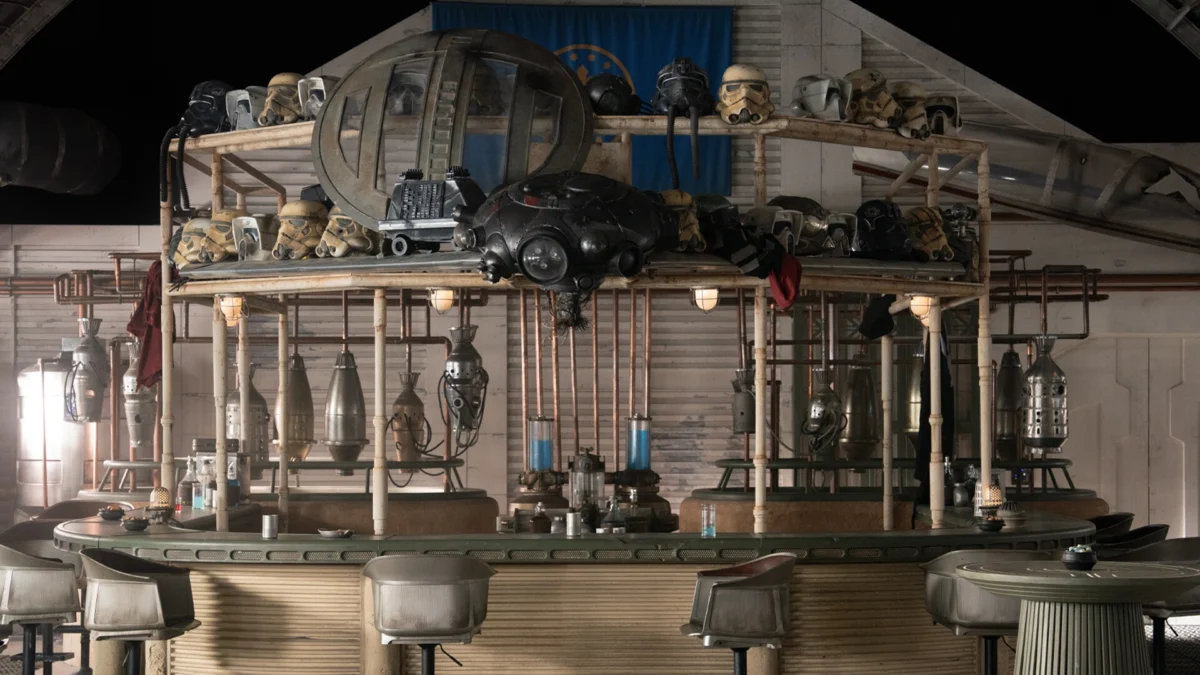
The release of Star Wars: The Mandalorian and Grogu marks a monumental shift for the franchise, transitioning the beloved small-screen journey of Din Djarin and his Force-sensitive foundling onto the grandest canvas of all: the IMAX theatrical stage. Directed by Jon Favreau, the film is not merely a continuation of the episodic adventures fans have come to adore; it is a dense, intricate tapestry of Star Wars history, weaving together decades of lore, practical effects, and niche references that reward both the casual viewer and the most devoted historian of the galaxy far, far away.
At the heart of this cinematic event is the return of a character whose lineage defines the criminal underworld of the Outer Rim: Rotta the Hutt. From his origins as a diminutive "Huttlet" in the 2008 The Clone Wars feature to his imposing presence in this new film, Rotta serves as the perfect anchor for a narrative that bridges the past and the future of the Star Wars saga.
Main Facts: The Return of the Huttlet
Nearly two decades after he was first introduced as "Stinky"—the kidnapped son of Jabba the Hutt—Rotta has matured into a power player in the Hutt family hierarchy. In The Mandalorian and Grogu, Rotta makes his live-action debut, a transition that highlights the film’s commitment to continuity. Interestingly, the film features a holo-image of the baby Rotta, a prop meticulously crafted and hand-painted by Jon Favreau himself, underscoring the director’s hands-on approach to maintaining the franchise’s tactile aesthetic.
The character’s evolution is mirrored by the production’s approach to sound and performance. While David Acord provided the iconic squeaks and gurgles for the animated infant, the adult Rotta is performed with gravitas by Jeremy Allen White, with Acord returning as the lead sound designer to ensure the vocal legacy of the Hutts remains consistent.
The film’s production also serves as a masterclass in the intersection of classic filmmaking techniques and modern technology. From the use of physical models—such as the Red Jammer Y-wing, which was borrowed from the Lucasfilm archives and never previously seen on screen—to the incorporation of practical creature effects, Favreau and his team have created a world that feels physically grounded.
Chronology: A Tapestry of Star Wars History
The film functions as a narrative bridge, connecting disparate corners of the Star Wars timeline. By analyzing the production’s choices, we can trace a clear line through the history of the franchise:
The Legacy of Design
The visual language of the Hutts remains rooted in the work of Phil Tippett, who headed the creature shop for Return of the Jedi. The design of Jabba the Hutt remains the template for all subsequent Hutts, including the Twins seen in The Book of Boba Fett and the adult Rotta. Tippett’s influence extends beyond creature design; his studio, Tippett Studios, continues to provide the stop-motion expertise that brings the giant droids of Nal Hutta and the dejarik creatures to life.
Deep-Cut References
- The Dejarik Connection: The holochess game from A New Hope is expanded upon here. The film establishes that the iconic creatures seen in the game are, in fact, real beasts that can be observed fighting in the pits of Shakari.
- The Y-Wing Model: The use of the original 1977 Y-wing model for reference confirms the production’s dedication to "archival accuracy."
- The Holiday Special Nod: Din Djarin’s new Amban rifle is a visual homage to the weapon carried by Boba Fett in the animated segment of the 1978 Star Wars Holiday Special.
- The Galactic Cookbook: Even the food seen in the film is canon-compliant; Hugo Durant’s food pod contains items like "Arkanian Tenderloin" and "Lira San Crackers," pulled directly from The Ultimate Cookbook.
Supporting Data: Behind the Scenes and Easter Eggs
The density of The Mandalorian and Grogu is evident in the minutiae. The production team utilized a mix of industry veterans and meta-references to populate the screen.
The Human Element
- The Mandalorian’s Armor: The helmet is shared by Pedro Pascal, Brendan Wayne, and stunt coordinator Lateef Crowder, a collaborative effort that has defined the character’s movement across three seasons and this film.
- Cameos: The film is a playground for Lucasfilm staff. Dave Filoni reprises his role as Trapper Wolf, while art department stalwarts Doug Chiang and Michelle Thieme, along with directors Deborah Chow, Lee Isaac Chung, and Rick Famuyiwa, appear as New Republic recruits.
- The Voice of a Droid: Anthony Daniels, the legendary performer behind C-3PO, provides the voice for the Air Traffic Control droids, a nod that observant fans caught immediately.
Technical Craftsmanship
The Moon of Shakari is a testament to location-based storytelling. Favreau based the setting’s aesthetic on Prohibition-era Chicago, a city that left a lasting impression on him. This "urban-criminal" feel is bolstered by the presence of recognizable droids, such as the INT-4 vehicle, which is a direct reference to the 1982 Kenner Mini-Rig toy.
Official Responses: The Philosophy of the Film
Jon Favreau and the Lucasfilm production team have consistently emphasized that this film is a "celebration of the medium." In interviews, the creative team has noted that moving to IMAX required a higher level of detail in every frame.
"We wanted to make sure that if you look at the background, you’re seeing history," a production spokesperson stated. This is why the team went to such lengths to include items like the "Fuzzball" (first seen in the defunct Captain EO attraction) or the specific AT-AT driver helmets, which were painted light gray to correct a long-standing fan misconception that they were white.
The collaboration with professional chefs, such as Roy Choi, to design the food items, and the inclusion of specific, deep-lore references—like the Amani species’ rolling movement, which originated in a 1995 roleplaying guide—demonstrates a commitment to honoring the "Extended Universe" lore that has fueled the fandom for decades.
Implications: Where the Galaxy Goes From Here
The success of The Mandalorian and Grogu signals a new era for Star Wars cinema. By successfully integrating the serialized storytelling of Disney+ shows with the high-production values of a theatrical event, Lucasfilm has created a blueprint for future projects.
The Hutt Family Legacy
The prominence of Rotta the Hutt suggests that the criminal syndicates will remain a focal point of the post-Empire era. With the Hutt clans regaining their footing on worlds like Nal Hutta, the power dynamic in the Outer Rim is becoming increasingly volatile. This shift poses a direct challenge to the New Republic, which is already struggling to maintain order, as evidenced by the presence of New Republic recruits at Adelphi Base.
Technical Standardization
The use of motion-control VFX shots for the new Razor Crest model, combined with the integration of stop-motion for creature sequences, signals a "back to basics" approach. While the franchise is famous for its pioneering digital effects, this film proves that the hybrid approach—using physical assets whenever possible—creates a more immersive experience for the audience.
The "Favreau-Filoni" Era
Finally, the film cements the partnership between Jon Favreau and Dave Filoni as the creative backbone of the current Star Wars landscape. By balancing the "mythic" quality of the Jedi with the "gritty" reality of the Mandalorian and the criminal underworld, they have managed to capture the duality that made the Original Trilogy so successful.
As fans continue to comb through the frames of The Mandalorian and Grogu, it becomes clear that this is a film designed to be revisited. Every background character, every prop, and every vocal cameo is a brick in a larger wall—a testament to a franchise that values its past just as much as it looks toward its future. Whether it is the subtle nod to a 1980s toy or the return of a character from the very first Clone Wars animation, the film serves as a love letter to the fans who have kept the galaxy alive for nearly half a century.
The Mandalorian and Grogu is currently playing in theaters worldwide.










No comments yet. Be the first to join the conversation!