Layla Zulfa
Tokyo, Japan – June 2, 2025 – The highly anticipated anime adaptation of Eri Ejima’s popular manga, Young Ladies Don’t Play Fighting Games (known in Japan as Tai Ari Deshita: Ojō-sama wa Kakutō Game Nante Shinai), has unveiled significant new details for its upcoming television broadcast. The production team announced today that the J-rock band halca will be performing the anime’s evocative ending theme song, titled "New Game." This revelation coincides with an expanded collaboration with the iconic fighting game franchise, Street Fighter 6, further cementing the anime’s commitment to the fighting game community. The series is slated to premiere on July 7 across multiple Japanese television networks, including AT-X, Tokyo MX, MBS, BS NTV, and Nagasaki Broadcasting Company.
Main Facts: A Harmonious Blend of Music and Gaming
The announcement of halca’s involvement as the performer of the ending theme song "New Game" adds another layer of excitement to the anime’s musical landscape. halca, a prominent figure in the J-pop and J-rock scene, is known for her energetic and emotive vocal performances, which are expected to perfectly complement the anime’s themes of youthful ambition and fierce competition.
In tandem with the musical news, the Young Ladies Don’t Play Fighting Games anime staff has deepened its strategic partnership with Capcom’s critically acclaimed fighting game, Street Fighter 6. This collaboration, initially announced in May 2025, will see a special promotional video screened on the large screen within the Street Fighter 6 Battle Hub from June 2nd to June 30th. Furthermore, six unique title cards, designed to celebrate the crossover, will be made available to players from June 2nd through July 14th. This initiative not only highlights the symbiotic relationship between the anime and the game but also aims to engage the passionate player base of Street Fighter 6 directly.
The anime itself is set to debut on July 7th, with a broadcast schedule that includes a diverse range of channels catering to a wide audience. This strategic multi-channel release aims to maximize viewership and ensure the series reaches its intended demographic effectively.
Chronology of Announcements and Development
The journey of Young Ladies Don’t Play Fighting Games from manga to anime has been a gradual but eagerly anticipated process. The anime adaptation was first officially announced in January 2021, sparking considerable excitement among fans of Eri Ejima’s work. This initial announcement laid the groundwork for what was to come, setting expectations for a faithful and engaging adaptation of the beloved story.
In May 2025, the first major collaborative effort between the anime and Street Fighter 6 was revealed, signaling a significant push to integrate the anime’s narrative with the broader fighting game culture. This early announcement of a partnership with a prominent fighting game title underscored the anime’s dedication to authenticity and its appeal to a gaming-centric audience.
More recently, the production team provided further insights into the cast and staff, along with details about the Street Fighter 6 collaboration, in a subsequent announcement. This ongoing stream of information has kept the series in the public eye, building momentum towards its eventual premiere.
A minor setback was reported in September 2025, when the anime’s debut was officially delayed from its initial 2025 release window to 2026. While such delays can be disappointing for eager fans, they often signify a commitment to ensuring the highest possible quality of production. The new premiere date of July 7th, 2026, has now been firmly established.
The manga itself, penned by Eri Ejima, first graced the pages of Kadokawa’s Monthly Comic Flapper magazine in January 2020. Its popularity quickly grew, leading to the development of the anime adaptation. As of December 23rd, the manga has reached its 10th compiled book volume, with Seven Seas releasing the ninth volume in English on April 28th, making the source material readily accessible to an international audience.
Supporting Data: Key Staff and Production Details
The production of Young Ladies Don’t Play Fighting Games is helmed by a team of experienced professionals, promising a high-caliber anime experience. Shōta Ihata, known for his directorial work on titles such as Domestic Girlfriend, Girlish Number, and The Saint’s Magic Power is Omnipotent, is at the helm of the anime’s direction, bringing his proven storytelling and visual flair to the project. The animation is being produced by diomedéa, a studio recognized for its quality in bringing various anime series to life.
Wataru Watari, the acclaimed novelist behind the My Teen Romantic Comedy SNAFU series and a key contributor to Girlish Number and The Saint’s Magic Power is Omnipotent, is responsible for the series scripts, ensuring a narrative that is both engaging and true to the source material’s spirit. Character design duties fall to Mayuko Matsumoto, whose credits include Kan Colle, Parallel World Pharmacy, and Chio’s School Road, suggesting a visual style that will be both appealing and dynamic. The musical score is being composed by Kana Hashiguchi, tasked with creating a soundscape that enhances the emotional impact of the series.
The production team also includes a robust group of specialists contributing to the anime’s visual and auditory fidelity. Scott MacDonald serves as the art director, Maho Takahashi handles art setting, Yuki Hayashi is the color key artist, and Yasuyuki Itou oversees the compositing director of photography. Toshihiko Kojima is responsible for editing, and Yayoi Tateishi is the sound director.
In a notable collaboration, Kadokawa’s professional gaming team, FAV gaming, whose members actively compete in Street Fighter 6, is credited for their input on the recording process. This involvement further emphasizes the anime’s authentic connection to the world of competitive gaming.
Adding to the auditory experience, the rock band Hanabie. is set to perform the anime’s energetic opening theme song, "Inochi Mijikashi Tai Suru Otome yo!" (Life is Short, Fight Each Other, Maidens!). This pairing promises a powerful and memorable start to each episode.
A unique casting choice highlights the anime’s dedication to authenticity: real-life fighting game player, commentator, and event organizer Aru voices Flamberge, a well-known fighting game commentator within the anime’s narrative. This casting decision injects a layer of genuine expertise and passion into the character.
Official Responses and Community Engagement
While specific official statements from the main cast and crew regarding halca’s ending theme or the expanded Street Fighter 6 collaboration have not been detailed in the provided text, the consistent release of information and the deepening of partnerships speak volumes about the production’s engagement with its audience and the wider gaming community.
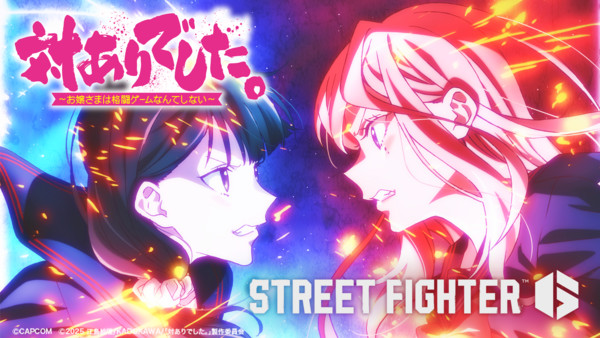
The Street Fighter 6 collaboration, in particular, is a significant indicator of the anime’s strategy to bridge the gap between anime fans and fighting game enthusiasts. By integrating promotional content directly into the game’s Battle Hub, Capcom and the anime production team are creating a direct channel for engagement, allowing players to experience elements of the anime firsthand within their preferred gaming environment. The availability of unique title cards serves as a collectible incentive, further encouraging participation and fostering a sense of shared excitement.
The choice of real-life fighting game personality Aru to voice the commentator character, Flamberge, is a testament to the production’s commitment to authenticity and its desire to leverage the knowledge and passion of individuals deeply embedded in the fighting game scene. This approach often resonates strongly with dedicated fanbases who appreciate such attention to detail.
The decision to delay the anime’s premiere, while initially met with some disappointment, can also be viewed as an official response to a commitment to quality. Such delays often allow for more refinement in animation, sound design, and overall storytelling, ultimately leading to a superior final product.
Implications and Future Outlook
The synergistic approach between Young Ladies Don’t Play Fighting Games and Street Fighter 6 has significant implications for both franchises and the broader anime and gaming industries. For the anime, this deep collaboration positions it as more than just an adaptation; it becomes an integral part of the fighting game ecosystem. This can attract a new audience segment to anime who are primarily fans of fighting games, and vice versa. The cross-promotional activities are likely to boost viewership for the anime and potentially increase engagement with Street Fighter 6.
For Street Fighter 6, this partnership offers a unique avenue for marketing and community building. By associating with a popular anime series, Capcom can tap into the anime fandom, potentially attracting new players to the game. The integration of anime-themed content within the game itself provides an engaging experience for existing players, reinforcing their connection to the Street Fighter universe.
The inclusion of halca’s "New Game" as the ending theme and Hanabie.’s "Inochi Mijikashi Tai Suru Otome yo!" as the opening theme highlights the anime’s dedication to a strong musical identity. Music plays a crucial role in establishing the mood and emotional resonance of an anime, and the selection of these artists suggests a soundtrack that will be both energetic and memorable, further enhancing the viewing experience.
The description of the manga’s premise by Seven Seas—"Kuromi Girls’ Academy is a refined, elegant school that expects the very best in deportment from its young ladies. Aya got into this peerless rich-girls’ institution on a scholarship, and hopes to grow as lovely as her fellow student and idol Shirayuri. But Shirayuri hides a terrible secret: she’s a trash-talking, combo-chaining, newbie-stomping, ruthless hardcore gamer! Could a mutual indulgence in no-holds-barred video game combat grow into a deeper rapport between these two girls?"—perfectly encapsulates the unique blend of high-society elegance and underground gaming culture that defines the series. The anime’s success will hinge on its ability to capture this duality effectively, appealing to both those who appreciate the social commentary and those who are drawn to the excitement of competitive gaming.
As the premiere date of July 7th approaches, the anticipation for Young Ladies Don’t Play Fighting Games continues to build. The strategic announcements, robust production team, and innovative collaborations suggest that this anime is poised to be a significant player in the current anime season, offering a fresh and exciting narrative that resonates with the vibrant world of fighting games. The series’ success could pave the way for further integration between anime and the esports and gaming communities, showcasing a promising future for collaborative entertainment.

 Nila Kartika Wati
 Asep Darmawan