Neng Nana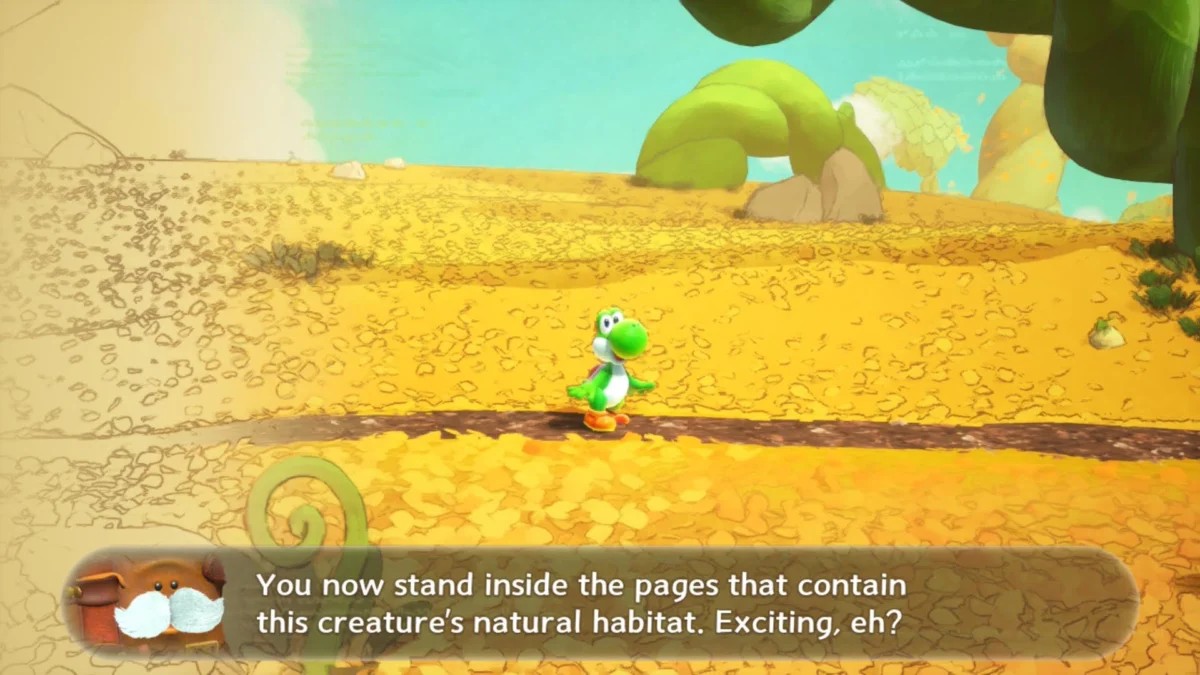
In the vast, vibrant landscape of Nintendo’s library, the Yoshi franchise has carved out a unique niche. Often characterized by its pastel-hued aesthetics, tactile, craft-inspired art styles, and a gentler approach to the platforming genre, the series serves as a sanctuary for players looking for a respite from the high-octane pressure of titles like Super Mario Bros. Wonder. The latest entry, Yoshi and the Mysterious Book, arrives with the promise of discovery and wonder, but it brings with it a central question: can a game that prioritizes low-stakes exploration over mechanical mastery sustain a player’s interest for the long haul?
The Core Experience: A Shift in Pacing
Yoshi and the Mysterious Book is, at its heart, an exercise in atmospheric design. Unlike traditional platformers that demand precision jumps, frame-perfect inputs, and an intimate familiarity with momentum-based physics, this title opts for a "bite-sized" approach to level design. Each stage is an enclosed, self-contained vignette that encourages the player to poke, prod, and interact with the environment.
For the seasoned platformer enthusiast—someone accustomed to the rhythmic intensity of Donkey Kong Country or the chaotic invention of Super Mario Bros. Wonder—the initial hours of Yoshi and the Mysterious Book can feel somewhat disconnected. The game lacks the "ticking clock" element of a traditional Mario title. There are no health bars, no immediate fail states, and no pressure to optimize your movement. For a player who thrives on adrenaline and clear objectives, this can feel like a lack of agency.
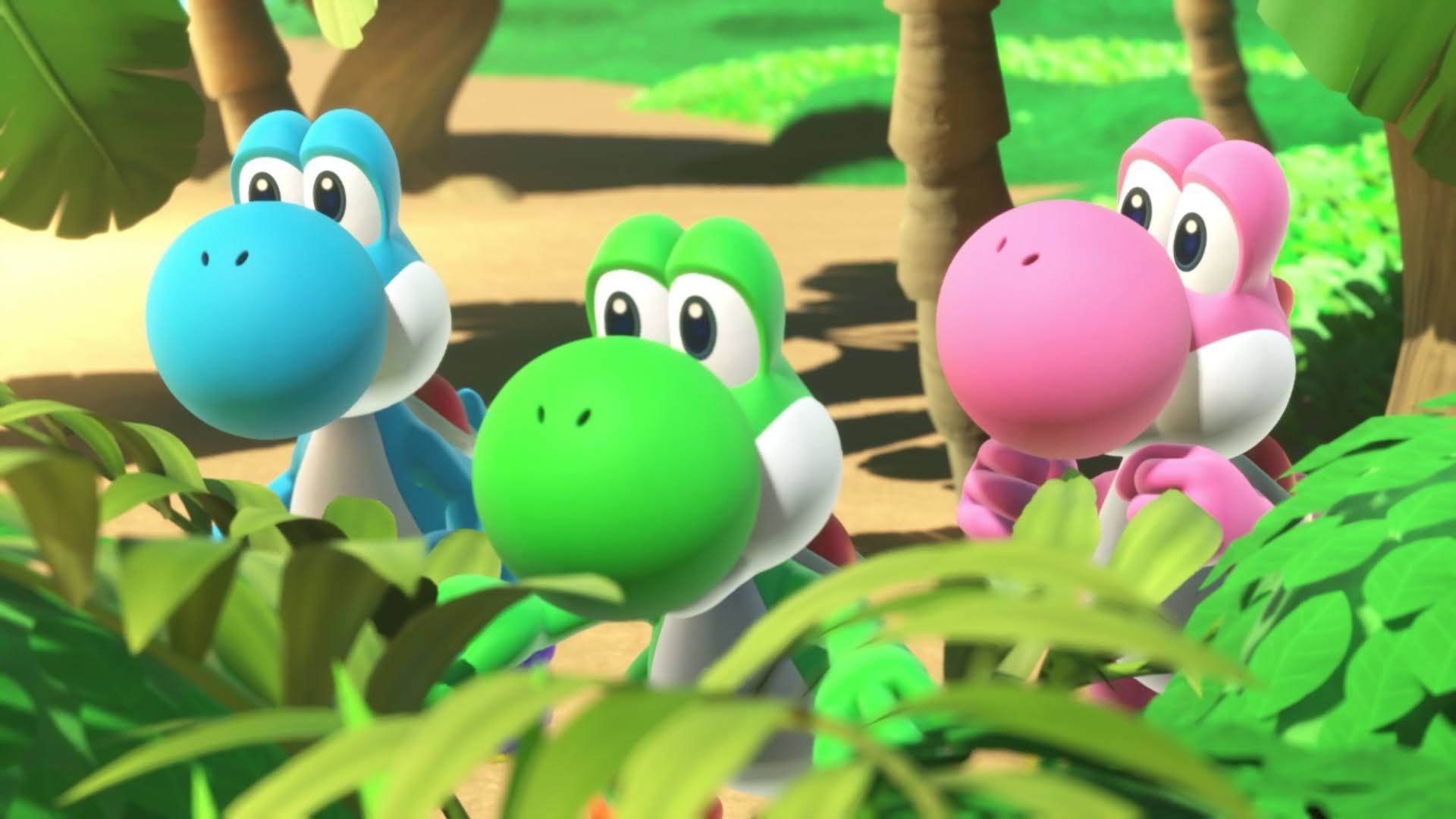
However, the game’s philosophy becomes clearer the longer you engage with it. It is designed for discovery. It mimics the sensation of leafing through a pop-up book where every corner, flap, and interaction is intended to yield a small, tactile reward. While the opening stages might feel like a series of "see and react" scenarios, they are intentionally designed to acclimate the player to a slower, more deliberate cadence of play.
A Chronology of Discovery
The journey through Yoshi and the Mysterious Book is best viewed as a developmental arc.
The Opening Act: Setting the Stage
When you first step into the world, the game is intentionally accessible. You encounter ducks that chime with musical notes upon impact and frogs that blow bubbles to create platforms. These moments are charming, certainly, but to a veteran gamer, they feel like familiar tropes. In the early stages, it is easy to feel that the game is simply going through the motions. I found myself lingering in these areas, searching for hidden depths or complex puzzles that didn’t exist, leading to a temporary feeling of stagnation.
The Middle Phase: Unlocking Potential
The shift occurs once the player stops looking for traditional "gamey" obstacles and starts engaging with the world’s internal logic. A turning point for me was when a simple interaction—bouncing on a creature’s back—triggered an unexpected, high-speed sequence that tore across the map. It was a jolt of energy that signaled the game had more to offer than just wandering.
The Later Stages: Creative Synthesis
As you progress, the game begins to layer your knowledge. Tools acquired in later chapters, such as the bug-munching net, aren’t just for progression; they allow you to go back and rectify early-game annoyances, such as the bees that sting you in the opening levels. This creates a satisfying feedback loop where the game rewards your persistence and your growing familiarity with the mechanics.
Supporting Data: Why "Low-Stakes" Works
The appeal of "low-stakes" gaming is a well-documented phenomenon in modern industry trends. Titles like Animal Crossing: New Horizons have proven that there is a massive, dedicated audience for games that prioritize relaxation and "cozy" vibes over competition.
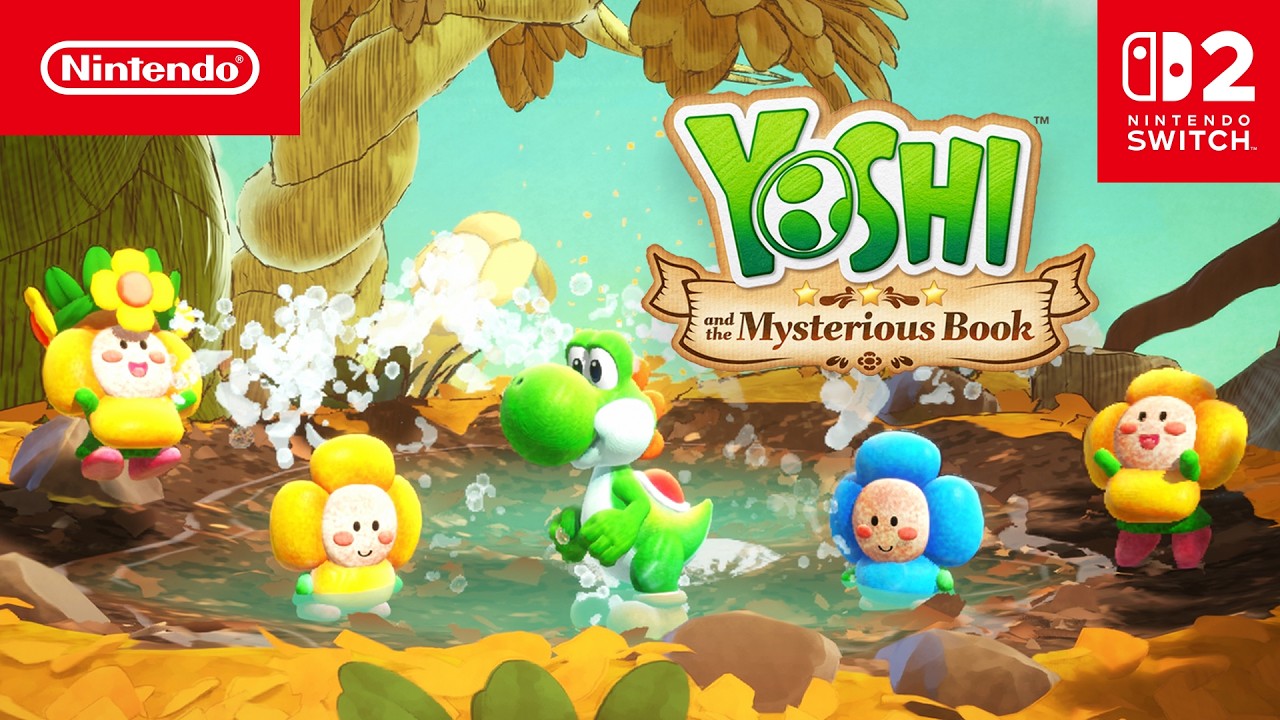
In Yoshi and the Mysterious Book, the lack of time limits and the absence of traditional combat stress are not omissions—they are design choices meant to cultivate a specific mental state. For parents introducing children to the medium, or for adults who have spent a long day at work, the game provides a controlled, aesthetic environment where the player is never punished for curiosity.
However, the data—or rather, the player experience—suggests that this design choice comes with a caveat. The "slow burn" nature of the game means that players who are not inherently motivated by exploration may bounce off the title before reaching the more creative, late-game segments. The game relies on the player’s internal curiosity to keep the experience moving, which is a significant departure from the external incentives (like points, timers, or boss battles) used in more traditional platformers.
Official Responses and Developer Philosophy
While Nintendo has remained characteristically tight-lipped regarding the specific design metrics for Yoshi and the Mysterious Book, the company’s recent trajectory suggests a clear interest in "platforming for all." By removing the barriers to entry—the "fail states"—Nintendo is effectively widening the funnel for their core properties.
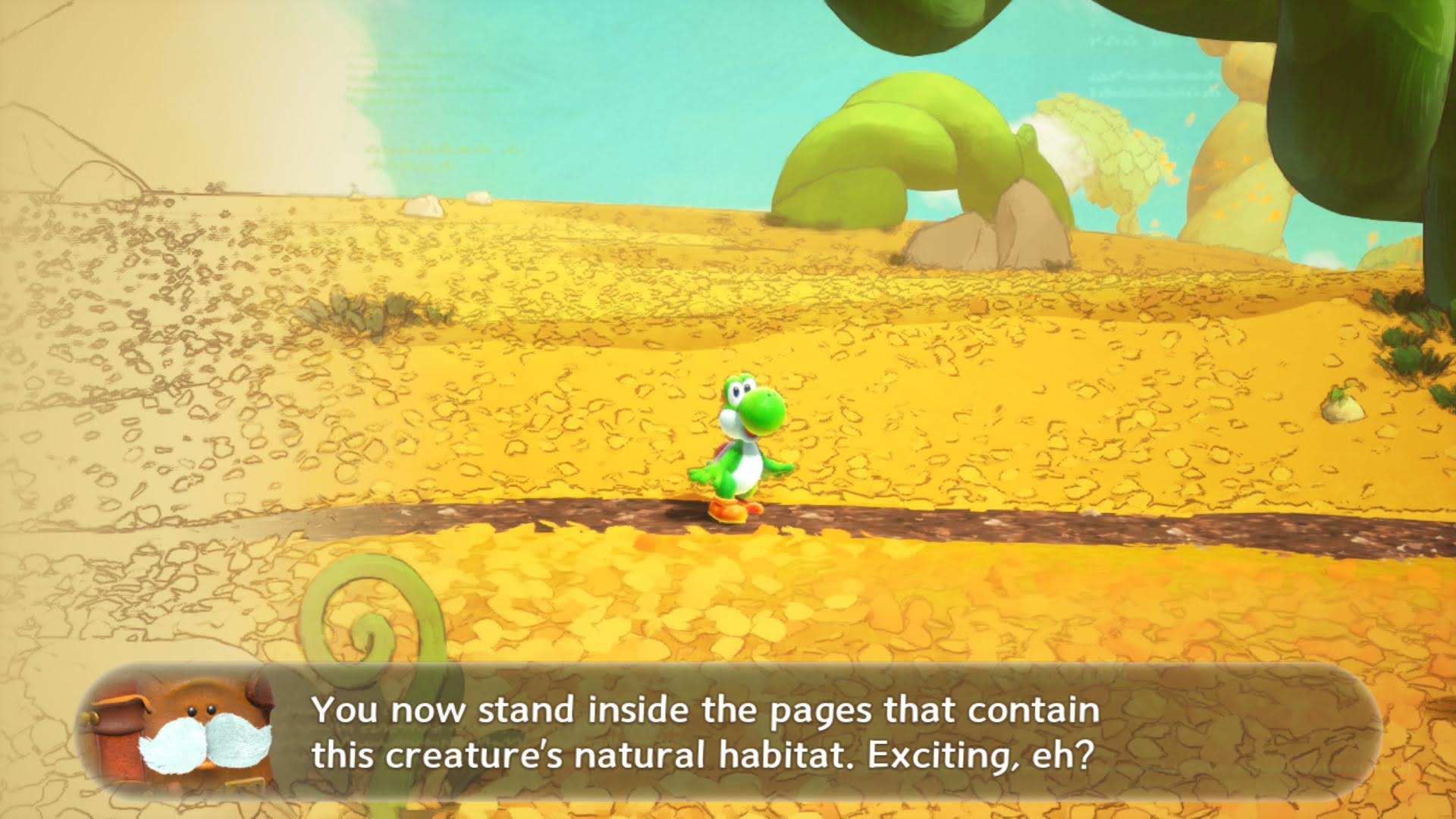
In interviews regarding their recent output, Nintendo developers have emphasized the importance of "playful interaction." The goal is to make the player feel like a participant in a living environment, rather than a competitor in an obstacle course. The focus on hand-drawn, paper-craft aesthetics is an extension of this; it is meant to evoke a sense of nostalgia and safety, reinforcing the idea that the player is meant to inhabit this world, not conquer it.
The Implications: Where Does Yoshi Go Next?
The release of Yoshi and the Mysterious Book poses interesting questions for the future of the platformer genre. If a major franchise like Yoshi continues to move toward these low-stakes, exploration-heavy designs, what does that mean for the genre’s traditional fans?
- Genre Fragmentation: We are seeing a divide between "precision platformers" (like Celeste or Super Mario Bros. Wonder) and "exploration-first platformers" (like Yoshi). This allows for a healthier ecosystem where there is something for everyone, but it also creates a risk where players may purchase a game expecting one experience and receiving another.
- The Rise of the "Cozy" Game: This game reinforces the commercial viability of the "cozy" gaming trend. It suggests that even in established, action-oriented franchises, there is a desire for a slower, more meditative pace of play.
- The "Slow Burn" Challenge: The primary implication for future developers is the challenge of the "slow burn." How do you keep a player engaged in the first hour of a game when your primary hook is discovery rather than action? The solution found here—a gradual layering of complexity—is a blueprint that other developers should study closely.
Final Verdict: Is It Worth Your Time?
Ultimately, Yoshi and the Mysterious Book is a triumph of art and atmosphere, even if its pacing is uneven. It is not a game you play for a rush of dopamine or the satisfaction of overcoming a difficult boss. It is a game you play to unwind.
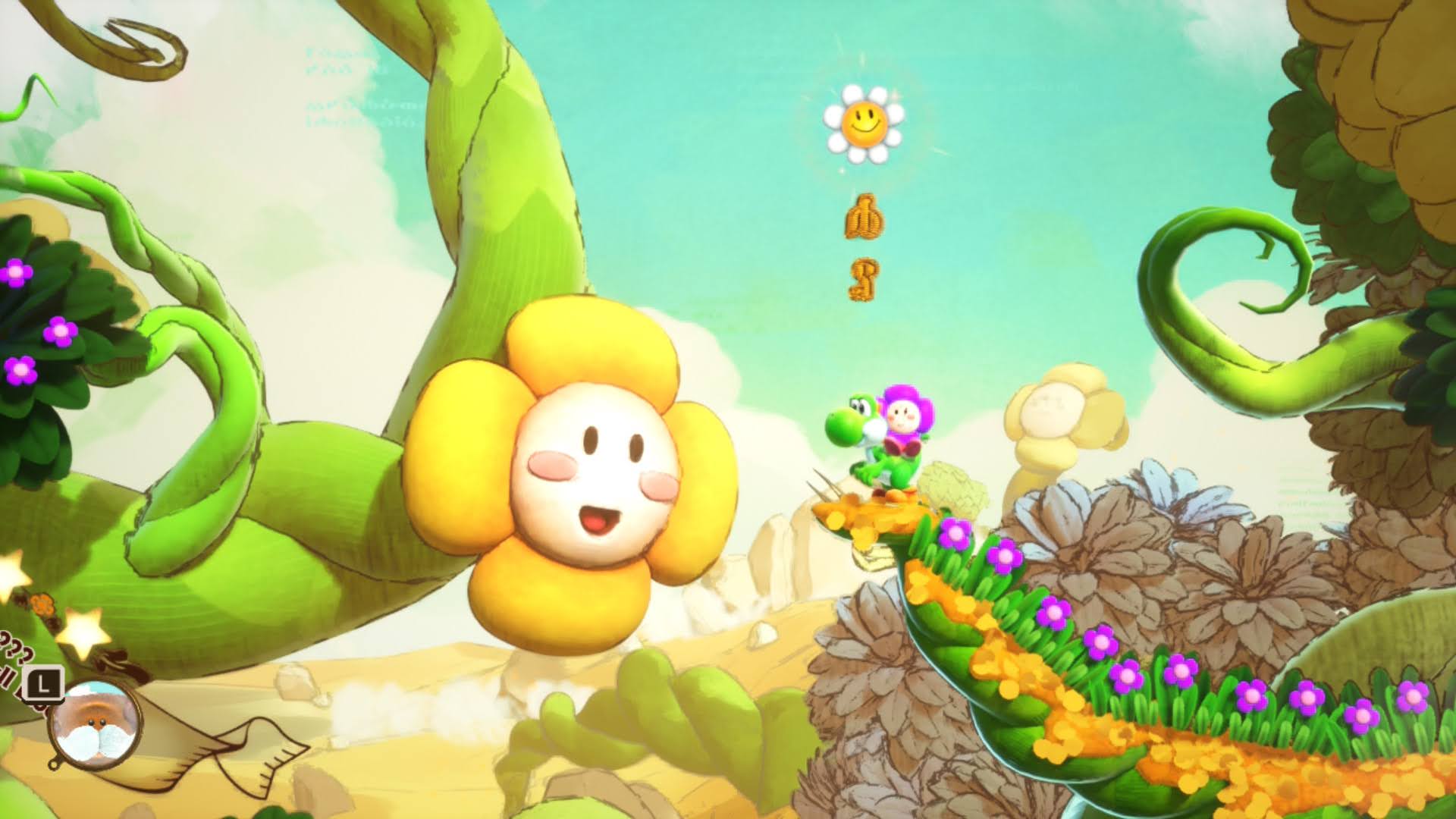
If you are a hardcore platformer fan who needs constant, high-speed action to feel satisfied, this might not be the title for you. However, if you are looking for a beautiful, relaxing, and increasingly creative experience that unfolds at your own pace, it is absolutely worth sticking with. My initial skepticism was washed away by the later stages of the game, where the world finally began to open up in ways that felt truly rewarding.
Just be prepared: the game won’t grab you by the collar and pull you in immediately. You have to meet it halfway, be patient, and let the mystery unfold. If you give it the time it deserves, you’ll find that beneath its gentle exterior lies a surprisingly deep and thoughtful game that, while not always fast-paced, is consistently charming and, in its own quiet way, deeply satisfying.

 Ammar Sabilarrohman
 Jia Lissa