Lina Hope
The release of Diablo 4: Lord of Hatred marks a definitive turning point in the history of Blizzard Entertainment’s flagship action-RPG. Following the lukewarm reception of the Vessel of Hatred expansion, Lord of Hatred arrives not merely as a content drop, but as a corrective measure—a sweeping, ambitious expansion that effectively concludes the narrative arc initiated by the base game in 2023. By blending high-stakes storytelling with a fundamental overhaul of character progression and endgame systems, Blizzard has delivered an experience that elevates the Diablo franchise back to its gold-standard status.
The Narrative Culmination: A Story of Redemption and Finality
At the heart of Lord of Hatred is the continued, desperate journey of Neyrelle. Following the conclusion of Vessel of Hatred, the narrative picks up with the young protagonist navigating a new, hostile region in her quest to permanently contain Mephisto, the Lord of Hatred.
Unlike its predecessor, which was often criticized for feeling like a disconnected side quest, Lord of Hatred is lean, focused, and narratively dense. The expansion brings back familiar faces from the original campaign, recontextualizing their motivations and pushing them toward a definitive end. Most notable is the return of Lilith. While her presence in the base game was already compelling, her portrayal here—stripped of her divine power and forced into a position of vulnerability—offers a nuanced, tragic perspective on the Mother of Sanctuary.
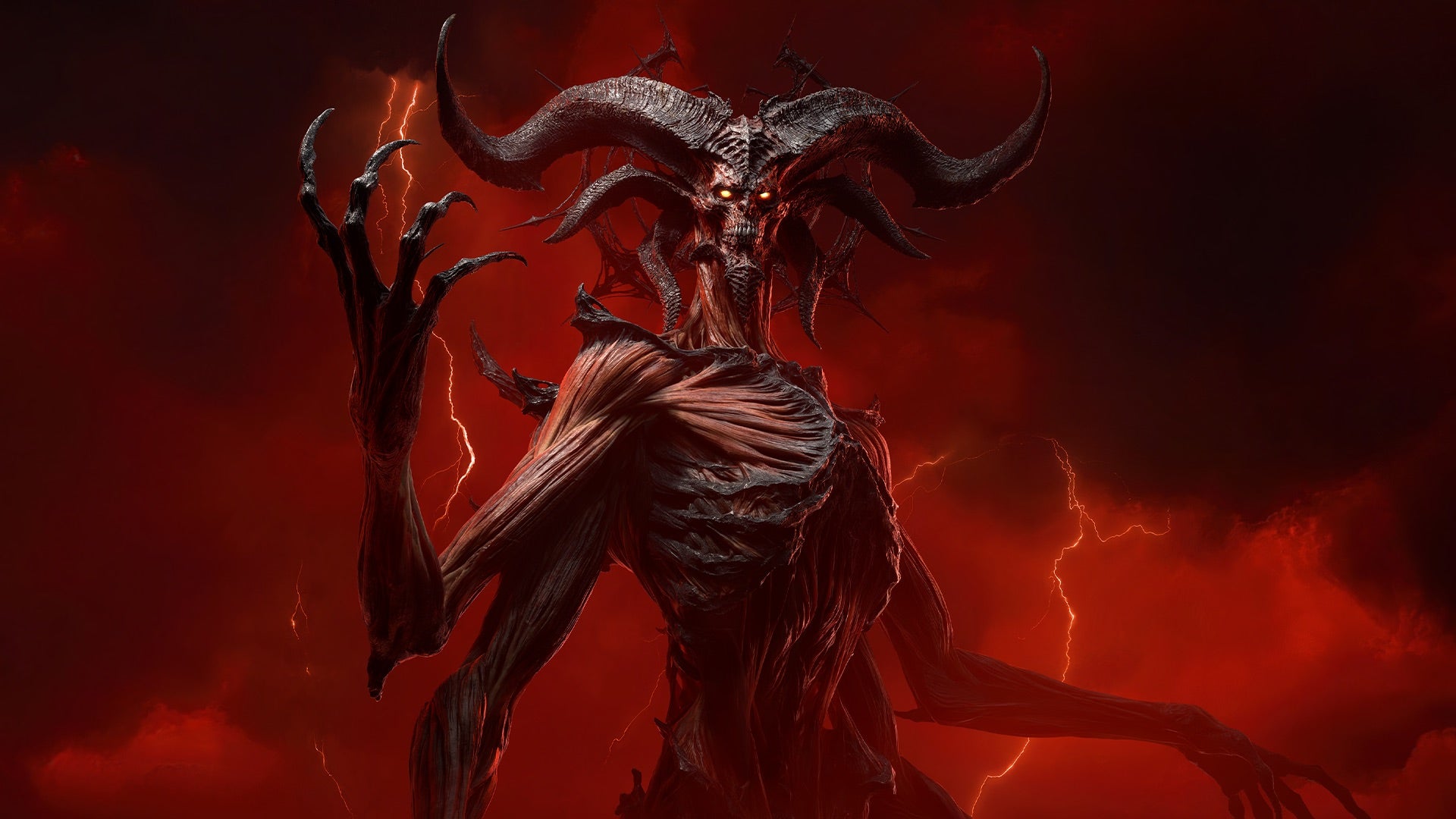
The campaign moves with a relentless pace, eschewing "filler" content in favor of high-impact cinematics and emotional payoffs. Blizzard has clearly listened to the community’s frustrations; the story serves as an apology for the meandering pace of the previous expansion, delivering a finale that is both structurally sound and narratively poignant.
The Skovos Isles: A New Frontier in Sanctuary
A central pillar of the Diablo experience is the environment, and the Skovos Isles represent the most vibrant addition to the map to date. Drawing heavy inspiration from Mediterranean aesthetics, Skovos offers a distinct departure from the gloomy, gothic landscapes of the main game.
The region feels lived-in, characterized by textured stucco, cobblestone streets, and architectural wonders that mirror the grandeur of the Aegean. From a lore perspective, Skovos is significant as the ancestral home of humanity’s progenitors—the direct descendants of Lilith and Inarius. This historical weight makes the exploration of the isles feel meaningful, providing players with a deep dive into the origins of their own existence within the game’s universe. Despite a slightly smaller footprint than other regions, the topographical diversity ensures that the 30-plus hours spent in the review build never felt repetitive.

A New Era for Combat: The Warlock and the Paladin
The expansion introduces a significant shift in class dynamics. While the Amazon was a natural candidate for a region centered on a matriarchal warrior society, Blizzard opted for a more complex approach.
The Warlock emerges as the standout mechanical addition. Functioning as a hybrid between the Necromancer and the Sorcerer, the Warlock is a summoner-caster archetype that demands a high degree of tactical proficiency. Players must manage skill rotations while simultaneously balancing the sacrifice of minions to buff their offensive output. It is a high-skill-ceiling class that rewards deep mastery, providing a gameplay experience distinct from any other archetype currently available in the Diablo 4 roster.
Meanwhile, the Paladin—which shadow-dropped in December—has finally filled the "sword-and-board" void that players have lamented since launch. Borrowing elements from the Diablo 3 Crusader while integrating new, angelic-themed skill sets, the Paladin provides the defensive anchor the game desperately needed. Together, these classes provide a comprehensive suite of options that cater to both the "edgy" summoner and the stalwart crusader.

Chronology of the Update: From Disappointment to Triumph
The journey to Lord of Hatred has been a turbulent one.
- June 2023: Diablo 4 launches to critical acclaim, lauded for its production value and "game feel," despite concerns regarding its long-term live-service model.
- Late 2023/Early 2024: The Vessel of Hatred expansion is released. While it introduces the Spiritborn class, it is met with criticism for its light narrative and lack of meaningful endgame depth.
- December 2025: Blizzard surprises the player base by shadow-dropping the Paladin class, a significant win for player retention and a precursor to the systemic changes coming in Lord of Hatred.
- Current Release: Lord of Hatred launches, introducing the Skovos Isles, the Warlock class, the Talisman system, and the "War Plans" endgame feature.
This timeline highlights a clear pivot for Blizzard: a shift from reactive content updates to a proactive redesign of the core gameplay loop.
Systemic Overhauls: Progression and Loot
Beyond the narrative and visual flair, Lord of Hatred fundamentally changes how players interact with the game’s progression.

- Talent Trees and Skill Access: The level cap increase to 70 allows for a complete reworking of talent trees. Many abilities previously tethered to specific Legendary items have been democratized, allowing for more diverse build crafting from the ground up.
- The Talisman System: This new layer of customization grants players access to powerful passives and utility boosts—such as increased potion capacity or improved mobility—that were previously unavailable, allowing for a more granular level of character tuning.
- The Horadric Cube: Returning as a cornerstone of the Diablo franchise, the Cube allows players to manipulate item rarity and affixes. This serves as a vital safety net for endgame players, preventing the "gear wall" that previously forced players to rely entirely on RNG (Random Number Generation) to progress.
- War Plans: This is perhaps the most significant change for long-term play. By gamifying the endgame through a playlist-style system, Blizzard has successfully removed the repetitive "grind" feeling. Players can now structure their endgame sessions, earning progression toward specific goals rather than running dungeons in a vacuum.
Official Stance and Development Philosophy
Blizzard’s approach to Lord of Hatred reflects a newfound humility. In various communications leading up to the launch, developers noted that the goal was to "re-center the player experience around agency." The inclusion of the Horadric Cube and the War Plans system is a direct response to player feedback regarding the lack of deterministic progression in the endgame. By integrating these systems, Blizzard is acknowledging that a modern ARPG requires more than just high-fidelity graphics; it requires deep, rewarding systems that respect the player’s time.
Implications for the Future of the Franchise
Lord of Hatred is, in every sense, a watershed moment. It proves that the team behind Diablo 4 is capable of learning from its mistakes and, more importantly, that they are willing to overhaul their own systems to better serve their community.
For the broader industry, this expansion stands as a case study in how to pivot a live-service product. It manages to balance the needs of casual players, who will enjoy the cinematic spectacle and new locales, with the hardcore community, who will spend hundreds of hours optimizing Warlock builds through the new War Plans and cube-crafting systems.

The "finality" mentioned in the campaign suggests that while this specific arc is closing, the foundation laid by Lord of Hatred is robust enough to support years of future seasons and expansions. For the first time since the game’s inception, the future of Diablo 4 feels not just secure, but genuinely exciting. It is an essential expansion that effectively fixes the "hatred" that players felt toward the game’s previous shortcomings, replacing it with a renewed, infectious enthusiasm for one of the greatest ARPGs ever made.


 Asro
Asro
 Muslim