

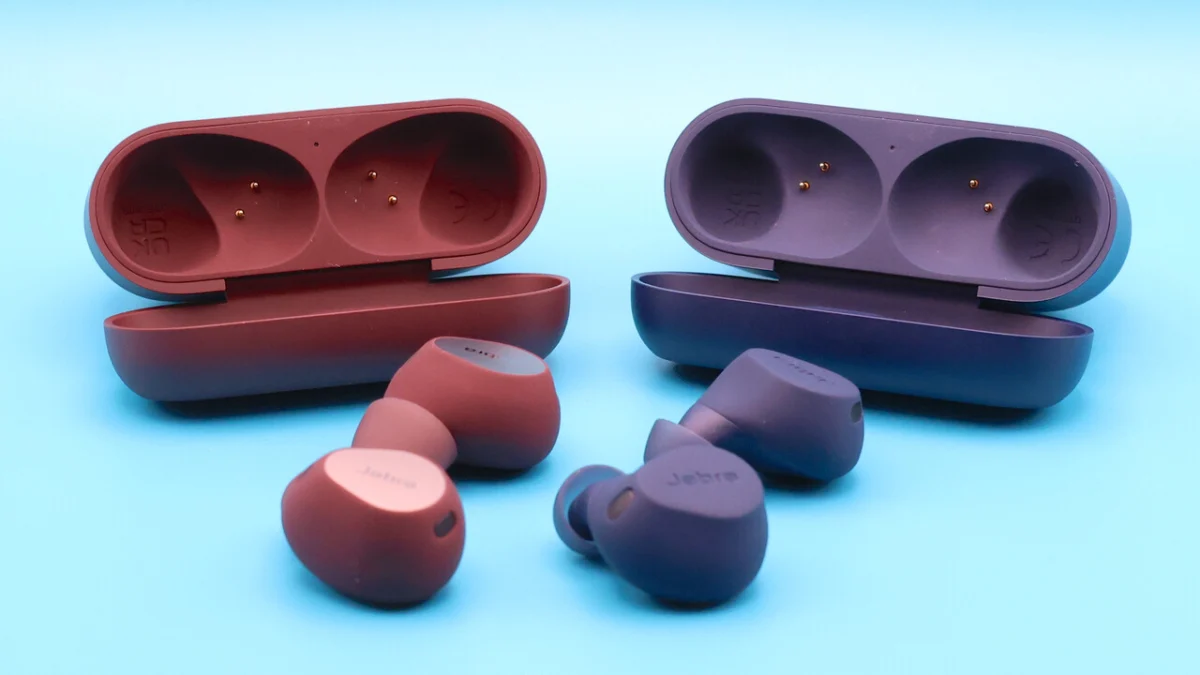
In a significant move to modernize the Windows ecosystem, Microsoft has unveiled a long-awaited feature for Windows 11: "Shared Audio." Included as part of the comprehensive May update (Build 26200.8524, KB5089573), this functionality finally enables the simultaneous output of audio to two distinct Bluetooth devices. For years, Windows users have been tethered to the limitation of a single Bluetooth audio stream, a bottleneck that has forced users to rely on cumbersome third-party workarounds or hardware splitters. With this update, Microsoft is not only closing a feature gap with Apple’s ecosystem but is also laying the groundwork for a more collaborative digital environment.
The Core Functionality: Breaking the Single-Stream Barrier
At its heart, the "Shared Audio" feature is designed to address a fundamental limitation in the way Windows manages Bluetooth peripherals. Historically, the Windows audio stack was architected to pair with one audio output device at a time. While users could pair multiple devices, they were required to manually toggle between them, making it impossible to listen to a film, a podcast, or a video conference call through two sets of headphones simultaneously.
The new feature changes this paradigm. By leveraging the advanced capabilities of Bluetooth Low Energy (LE) Audio, Windows 11 can now broadcast a single audio stream to multiple receivers concurrently. This functionality, which bears a striking resemblance to the popular Audio Sharing feature found on Apple’s AirPods and iOS devices, allows two people sitting at the same PC to enjoy the same audio content without the need for cables or external adapters.
Technical Foundations: The Role of Bluetooth LE Audio
The technical backbone of this update is the Bluetooth LE Audio standard, which was introduced alongside the Bluetooth 5.2 specification in early 2020. Unlike traditional Bluetooth Classic, which often struggles with synchronization and power management when handling multiple streams, LE Audio is built for "broadcast" scenarios. By using the "Audio Broadcast" feature of the protocol, the Windows PC acts as a central hub, pushing a synchronized stream to any compatible receiver within range. This ensures that latency is minimized—a critical factor when two users are listening to the same video and expect the audio to match the visual cues on the screen.
Chronology of the Rollout: From Silence to Sync
The journey toward "Shared Audio" has been one of gradual integration. While Microsoft had alluded to improvements in the May update cycle for Windows 11 25H2 and 24H2, the specific implementation of multi-device audio was initially kept in the shadows.
- Initial Speculation (Early 2026): Rumors began to circulate regarding Microsoft’s intent to bring more parity to the Windows audio experience. Beta testers noted changes in the audio stack within preview builds, though the documentation remained vague.
- The May Update (KB5089573): On May 26, 2026, Microsoft officially pushed the update to the release preview channel. While the initial release notes focused heavily on performance metrics and the "Low Latency Profile" for CPU-bound apps, savvy users quickly identified the hidden toggle for Shared Audio.
- The Confirmation (Late May 2026): Following reports from outlets like Windows Latest, Microsoft confirmed that the feature was indeed live but being pushed via a phased, staggered deployment. This explained why some users saw the feature immediately, while others were left waiting for server-side activation.
The User Experience: Accessibility and Control
One of the most impressive aspects of the new feature is its seamless integration into the existing Windows 11 user interface. Microsoft has avoided burying the functionality in deep system menus. Instead, once the feature is enabled on a compatible system, it appears directly within the Quick Settings menu.
How to Access the Feature
Users can access the new functionality by clicking the volume icon in the Taskbar. Upon clicking the output selector, a redesigned interface appears, listing all paired and compatible Bluetooth devices. If the system detects that the connected peripherals support the necessary LE Audio protocols, a "Share Audio" option becomes visible. Users can then select two devices, and the system initiates the dual-stream broadcast.
This UI-first approach is intended to lower the barrier to entry, ensuring that non-technical users can intuitively share audio during collaborative work sessions or entertainment without needing to dive into Device Manager or Bluetooth configuration files.
Official Responses and Strategic Implications
Microsoft’s approach to this release has been characteristically measured. By confirming the feature’s existence through Windows Latest, the company signaled that it is prioritizing user-facing features that enhance the "personal" aspect of the Personal Computer.

Industry analysts suggest that this move is part of a broader strategy to make Windows more attractive for collaborative and mobile usage. In an era where hybrid work is the norm, the ability to share audio on a single machine is more than just a convenience; it is a productivity tool. Whether it is two colleagues reviewing a video presentation on a laptop during a commute or two students studying together in a library, the implications for shared media consumption are vast.
Furthermore, by adopting the standardized Bluetooth LE Audio Broadcast format, Microsoft is effectively future-proofing the platform. As more peripheral manufacturers adopt the LE Audio standard, the ecosystem of compatible headphones and hearing aids will grow, making Windows 11 the most flexible OS for audio management in the industry.
Technical Requirements and Limitations
While the feature is a major leap forward, it is not without its hurdles. The success of "Shared Audio" depends on a "triple-lock" of requirements:
- OS Support: The system must be running the updated build (26200.8524 or higher) of Windows 11.
- Hardware Capability: The host PC must support the specific "Audio Broadcast" profile. This is generally limited to newer hardware that includes updated Bluetooth controllers.
- Peripheral Compatibility: The audio devices themselves must support Bluetooth LE Audio. Users attempting to use older Bluetooth 4.0 or 5.0-era headphones without LE Audio support will find the option greyed out or completely absent.
The Hardware Bottleneck
The age of the user’s hardware will be the primary limiting factor for widespread adoption. Because Bluetooth LE Audio was introduced with the 5.2 specification, users with older PCs or legacy wireless adapters may find themselves excluded from this functionality. Microsoft has not provided a diagnostic tool to check if a system is "Shared Audio Ready," which has led to some frustration among users who are unsure why the option does not appear on their specific machine. Industry experts suggest that a "System Health" check within the Settings app would be a welcome addition in a future update to clarify these compatibility issues.
Beyond Audio: The Broader Vision for the May Update
The introduction of "Shared Audio" is part of a wider trend of modernization within the Windows 11 lifecycle. The May update also includes a "Low Latency Profile," which acts as a CPU boost to accelerate application startup times. This suggests that Microsoft is focusing on the "snappiness" of the OS, ensuring that as the feature set expands, the performance does not degrade.
Additionally, the update allows for the simultaneous use of a single webcam across multiple applications. Previously, if a user opened their camera in a video conferencing app, it would be "locked," preventing it from being used in another window or background tool. By lifting this restriction, Microsoft is clearly moving toward a more multi-tasking-friendly environment where hardware resources are treated as shared, accessible pools rather than exclusive, single-use channels.
Conclusion: A More Collaborative Windows
The arrival of "Shared Audio" in Windows 11 represents a mature step in the operating system’s evolution. By finally enabling multi-device audio output, Microsoft is acknowledging that the modern PC is rarely a solitary device. It is a portal for communication, collaboration, and shared experiences.
While the current rollout is limited by the hardware requirements of Bluetooth LE Audio, the trend is clear: Windows 11 is becoming more versatile, more responsive, and more aligned with the way users actually live and work today. As the hardware cycle continues to turn and more devices become LE Audio-compliant, this feature will likely become as standard and expected as Wi-Fi or Bluetooth connectivity itself. For now, early adopters and power users have a powerful new tool at their disposal—one that makes the Windows 11 experience just a little more personal, and certainly more shared.












No comments yet. Be the first to join the conversation!