

In the vast, interconnected tapestry of the Star Wars universe, few elements have resonated with the cultural zeitgeist as profoundly as the haunting, rhythmic motifs introduced in 2019’s The Mandalorian. Now, as Din Djarin and his verdant companion make their transition from the episodic intimacy of Disney+ to the expansive canvas of the silver screen, Academy Award-winning composer Ludwig Göransson has returned to orchestrate their next chapter.
Star Wars: The Mandalorian and Grogu, currently lighting up theaters worldwide, represents more than just a theatrical expansion of a beloved series; it marks a significant evolution in the soundscape of a galaxy far, far away. For Göransson, the project was a homecoming, a chance to reunite with the characters that defined a pivotal moment in his illustrious career.
Main Facts: A Cinematic Sonic Expansion
The transition of The Mandalorian from streaming television to a feature-length motion picture brought with it a necessary shift in auditory scale. Ludwig Göransson, whose work on the original series earned him back-to-back Emmy Awards and a Grammy nomination, faced the challenge of maintaining the "Western-noir" intimacy of the show while elevating it to meet the demands of a grand cinematic experience.
At the core of the film’s score is a deliberate interplay between legacy and innovation. Göransson has retained the signature elements that defined the Mandalorian’s aesthetic—most notably the lonesome, breathy bass recorder and the driving, percussive beats—but he has augmented them significantly. To achieve the depth required for IMAX presentation, the composer expanded his ensemble from the 70-piece orchestra used for the television series to a staggering 106-piece orchestra, further bolstered by a 64-person choir. This massive influx of instrumentation allows the film to pivot seamlessly from the quiet, isolated moments of bounty hunting to the thunderous action sequences set across diverse planetary landscapes.
Chronology: From the Outer Rim to the Big Screen
The journey of the Mandalorian’s sound began in 2019, when director Jon Favreau tasked Göransson with creating a theme that felt distinct from the traditional John Williams-led orchestral scores of the Skywalker Saga. Göransson drew inspiration from the rugged, stripped-back nature of the Spaghetti Western, utilizing instruments like the recorder and synth-heavy bass lines to ground the character in a sense of isolation.
- 2019: The Mandalorian debuts on Disney+. The theme becomes an instant cultural touchstone, recognized globally and integrated into everything from school marching bands to high-profile sporting events.
- 2020–2023: The series evolves, and Göransson’s score adapts, incorporating more galactic lore and character-specific motifs for supporting players, while always keeping the "Mando" theme at the heart of the narrative.
- 2024–2025: Production begins on Star Wars: The Mandalorian and Grogu. Göransson returns to the studio, noting that the eight-year gap since his initial work on the pilot feels like a reunion with an old friend.
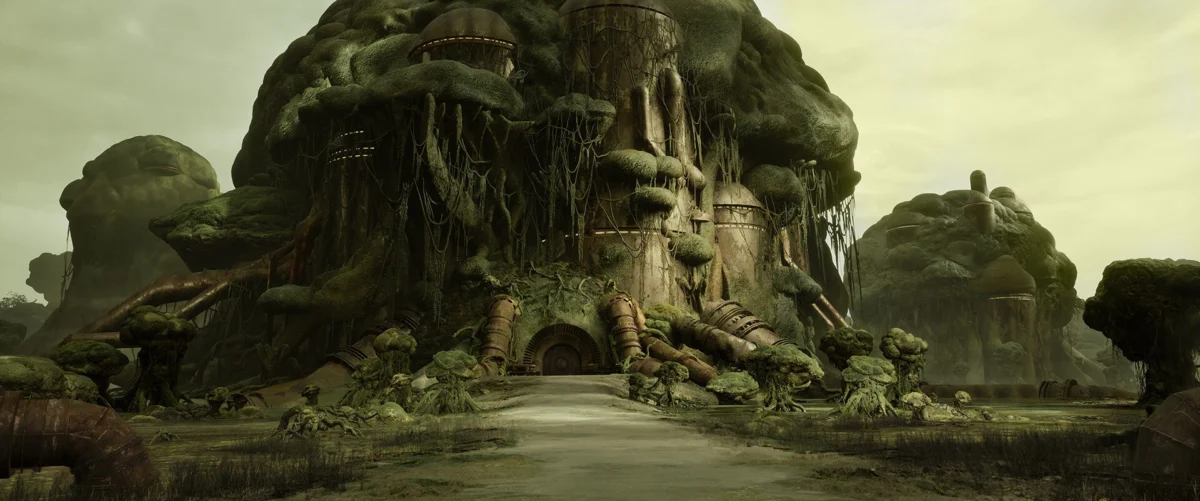
- 2026: The film premieres. The score is released simultaneously across major streaming platforms, showcasing a matured, more complex musical language that spans across new locales like the neon streets of Shakari and the lush, dangerous jungles of Nal Hutta.
Supporting Data: The Anatomy of a Soundtrack
The sheer scale of the production is reflected in the technical specifications of the score. While the television series relied on a nimble, focused arrangement, the theatrical film demanded a "concert-hall" sensibility.
The Orchestra and Choir
The decision to utilize a 106-piece orchestra was driven by the visual scope of the film. The expanded instrumentation allows for a wider dynamic range, moving from subtle, atmospheric synth layers—which highlight the neon-soaked, high-tech environments of planets like Shakari—to full-blown orchestral swells during the film’s climax. The addition of a 64-person choir introduces a liturgical, almost mythic quality to the music, underscoring the spiritual and cultural weight of the Mandalorian creed as the narrative stakes reach an all-time high.
Soundscape Variations
Göransson’s approach to geography-based composition is particularly evident in this film:
- The Neon Aesthetic: For the city streets of Shakari, the composer pivoted toward a sleek, modern synth palette, distancing the score from the dusty, organic textures of the series’ earlier episodes.
- The Snack Shack: A comedic, folky rendition of the main theme accompanies the scenes featuring Hugo Durant (voiced by Martin Scorsese), demonstrating the score’s ability to maintain continuity while shifting tone to accommodate character-driven humor.
Official Responses: Insights from the Creatives
Director Jon Favreau, a long-time champion of Göransson’s work, notes that the impact of the music has exceeded his initial expectations. "Sometimes you’ll hear a marching band play at a halftime show, a military band, a school recital," Favreau reflects. "It’s become part of the culture, just like how Star Wars was when I grew up. To think that these characters, their story, and their theme have connected with people is something you always hope for as a storyteller."
Göransson himself describes the process of returning to the franchise as a deeply emotional experience. "Going back to this universe now, eight years later, it was kind of like meeting one of my best friends again because I just love it so much," he told StarWars.com. He also highlighted the luxury of the film format: "When you work on a feature movie like this, you have more time. The scenes are longer. It’s a bigger scope, also a bigger movie with the sound in the theater. It was just a dream."
The composer’s immersion was not merely limited to the recording booth. During a visit to the set, he had a "magical" encounter with the animatronic puppet of Grogu. "I go in between some trees, and I see little Grogu sitting there on a log," he recalled. "It just felt so magical… That was pretty cool."
Implications: The Future of Star Wars Audio
The release of The Mandalorian and Grogu serves as a litmus test for how the Star Wars franchise handles its "Prestige TV" to "Blockbuster Film" pipeline. Musically, it establishes that the franchise is no longer tied strictly to the legacy sounds of the original trilogy. By successfully blending the experimental, synth-forward sounds of the series with the traditional power of a massive orchestra, Göransson has provided a blueprint for how future Star Wars projects can maintain a unique identity while honoring the scale of the cinematic experience.
Furthermore, the integration of these musical themes into the broader culture—from Spotify playlists to live performances—suggests that the "Mando" sound has become the second pillar of the Star Wars sonic brand, sitting alongside the iconic compositions of John Williams.
As audiences continue to flock to theaters to see the Mandalorian and his charge, they are not merely watching a story; they are participating in a massive, multi-sensory event that solidifies the character’s place in the pantheon of cinematic legends. The score acts as the invisible thread connecting the audience to the screen, turning every viewing into, as Favreau puts it, "almost like going to a concert."
The Star Wars: The Mandalorian and Grogu (Original Motion Picture Soundtrack) is currently available on all major streaming services, including Spotify, Apple Music, Amazon Music, and YouTube Music, inviting fans to experience the sonic architecture of the galaxy’s newest adventure.











No comments yet. Be the first to join the conversation!