


For the global culinary community, few names carry as much weight in the humble world of noodle shops as Japanese Soba Noodles Tsuta. After a hiatus that left a noticeable void in Tokyo’s prestigious dining landscape, the legendary ramen establishment—best known for being the world’s first ramen shop to be awarded a Michelin star—has returned. On February 10, 2023, Tsuta reopened its doors in the upscale, tranquil Yoyogi-Uehara neighborhood of Tokyo’s Shibuya Ward, signaling a fresh start for a brand that redefined what a bowl of ramen could achieve.
The Main Facts: A Landmark Return
The reopening of Tsuta, operated by Tsutanote, Inc., is not merely a restoration of a business; it is the continuation of a culinary legacy. Since its founding in 2012, the shop has consistently challenged the perception of ramen as "cheap, fast food," elevating it to the level of fine dining.
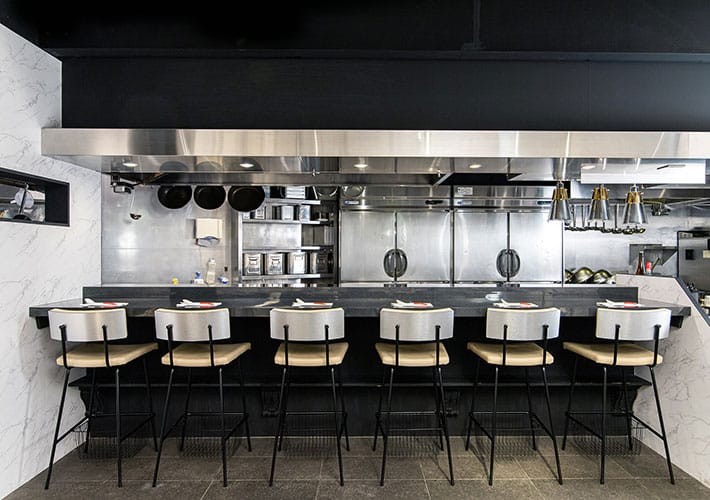
The new location in Yoyogi-Uehara offers a sophisticated, minimalist environment that mirrors the precision of the kitchen. While the previous location in Sugamo was a destination for pilgrims from around the world, the shift to Shibuya marks an evolution in the brand’s identity—moving from a cult-favorite neighborhood shop to a beacon of global gastronomy. The restaurant continues its commitment to a "no-compromise" philosophy, sourcing high-quality ingredients that strictly avoid chemical additives, ensuring that every drop of broth and every strand of noodle aligns with the vision of founder Yuki Onishi.

Chronology of a Culinary Icon
To understand the significance of this reopening, one must look back at the trajectory of Tsuta.
- January 26, 2012: Yuki Onishi opens Japanese Soba Noodles Tsuta in Sugamo, Tokyo. From the outset, the shop distinguishes itself by using artisanal ingredients, including premium soy sauce and truffle oil, which were unconventional in the ramen world at the time.
- 2016: A watershed moment for the industry. Tsuta becomes the first ramen shop in history to receive a Michelin star, catapulting it to international fame and drawing hours-long queues of hungry patrons.
- September 2022: In a move that surprised the food world, Tsuta closes its doors "for various reasons," leaving behind a legacy that had influenced a generation of ramen chefs.
- February 10, 2023: After months of anticipation, the shop announces its grand reopening in Yoyogi-Uehara, featuring an overhauled menu and a renewed focus on global ingredient fusion.
The Philosophy of "Japanese Soba Noodles"
The name "Tsuta" is a deliberate choice, rooted in a desire to honor the broader history of Japanese noodle culture. While ramen is a relatively young dish with a history spanning approximately 100 years, traditional noodles like soba and udon have been central to the Japanese diet for centuries. By adopting the term "Japanese Soba Noodles," Onishi intended to position his ramen not as an outlier, but as a legitimate successor to this long-standing tradition.
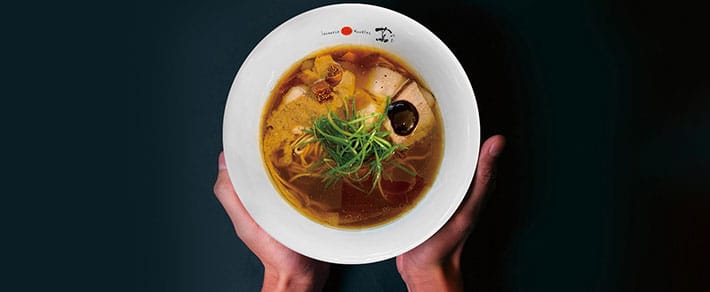
The menu at the new Yoyogi-Uehara location reflects this ambition. It serves as a bridge between the traditional umami foundations of Japanese cuisine and modern global flavors. The culinary team has experimented with diverse international ingredients, blending them into a cohesive narrative that remains strictly rooted in Japanese technique. The result is a bowl of ramen that feels both familiar and strikingly avant-garde.

Supporting Data: The Science of No-Additive Cooking
A defining characteristic of Tsuta’s success is its unwavering commitment to chemical-free ingredients. In an industry where commercial bouillon bases and MSG (monosodium glutamate) are often used to achieve rapid, punchy flavors, Tsuta takes the long road.
The shop’s production cycle involves:
- Direct Sourcing: Working directly with agricultural producers to ensure the highest quality of grains, vegetables, and proteins.
- Broth Extraction: A multi-day process that extracts natural umami from a blend of chicken, seafood, and dashi, avoiding all artificial flavor enhancers.
- House-Made Noodles: The flour, water, and alkaline composition of the noodles are calibrated daily based on humidity and temperature, ensuring a perfect "bite" or al dente texture.
This approach is not merely a health-conscious trend; it is a technical challenge. Removing chemical additives requires the chef to have a profound understanding of natural chemical reactions within food. It forces the flavors to stand on their own merit, a philosophy that has earned the respect of the world’s most discerning food critics.
Official Responses and Strategic Shifts
Tsutanote, Inc. has remained largely private regarding the specific "various reasons" for the 2022 closure, but the official messaging surrounding the reopening suggests a period of intense reflection.
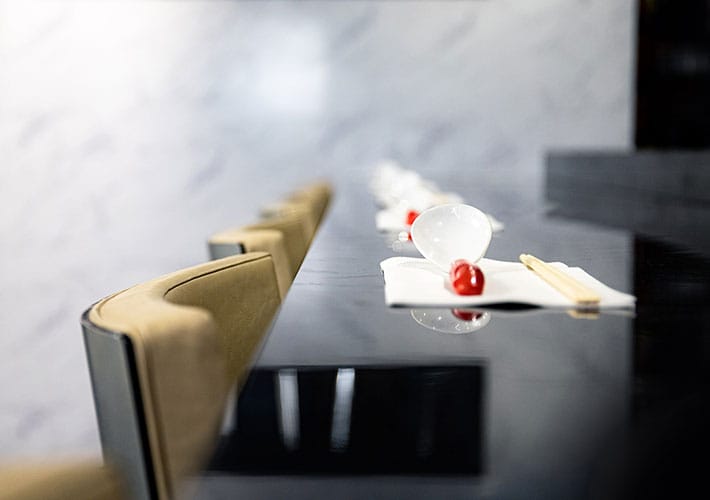
In public statements, the management highlighted that the new location is designed to offer a more curated, intimate service. The space is not just a place to eat, but an "unconventional space" where the service mirrors the quality of the food. By limiting the seating capacity and refining the flow of the kitchen, the team aims to provide each customer with an elevated, personalized experience that was perhaps difficult to maintain at the height of their Sugamo fame.
The management has noted that their goal remains "creativity and unlimited possibilities." They are not looking to rest on their laurels; rather, they view the move to Yoyogi-Uehara as a "fresh start" to explore how ramen can continue to adapt to a changing global palate.
Implications for the Ramen Industry
The return of Tsuta sends a powerful message to the culinary world: ramen is a permanent fixture in the high-end dining pantheon.
- Normalization of Fine Dining Ramen: Tsuta’s continued success reinforces the idea that ramen can—and should—be categorized alongside French, Italian, or Kaiseki cuisine. It challenges the "fast-food" stigma and encourages other chefs to pursue excellence in craft.
- Neighborhood Gentrification and Gastronomy: The choice of Yoyogi-Uehara—a neighborhood known for its residential charm and artisan boutiques—suggests a move toward "destination dining." It reflects a trend where elite food establishments seek to embed themselves into quieter, more sophisticated pockets of the city, away from the frenetic pace of areas like Shinjuku or Shibuya.
- Sustainability in Noodle Culture: The emphasis on chemical-free, high-quality sourcing sets a new benchmark for other shops. As global consumers become more health-conscious, Tsuta’s model provides a roadmap for how traditional fast-casual dishes can adapt to modern ethical and health standards.
Conclusion: A Symphony in a Bowl
As the steam rises from the bowls at the new Tsuta, it carries with it the weight of history and the promise of innovation. The restaurant stands as a testament to the resilience of the culinary arts. In a world that is constantly changing, the ability to return, refine, and re-emerge stronger is a rare feat.
For those planning to visit, the experience is not just about a meal; it is about witnessing the evolution of an art form. Whether you are a lifelong fan of the brand or a newcomer curious about the hype, the reopening of Japanese Soba Noodles Tsuta is a reminder that when passion, tradition, and innovation are combined, the result is nothing short of transcendent. The ramen industry has its star back, and the future of the dish looks brighter than ever.
Shop Information
- Name: Japanese Soba Noodles Tsuta
- Location: Yoyogi-Uehara, Shibuya Ward, Tokyo
- Concept: Chemical-free, artisanal ramen focusing on global fusion and traditional Japanese umami.
- Operating Status: Open (as of February 10, 2023)
By – grape Japan editorial staff.











