

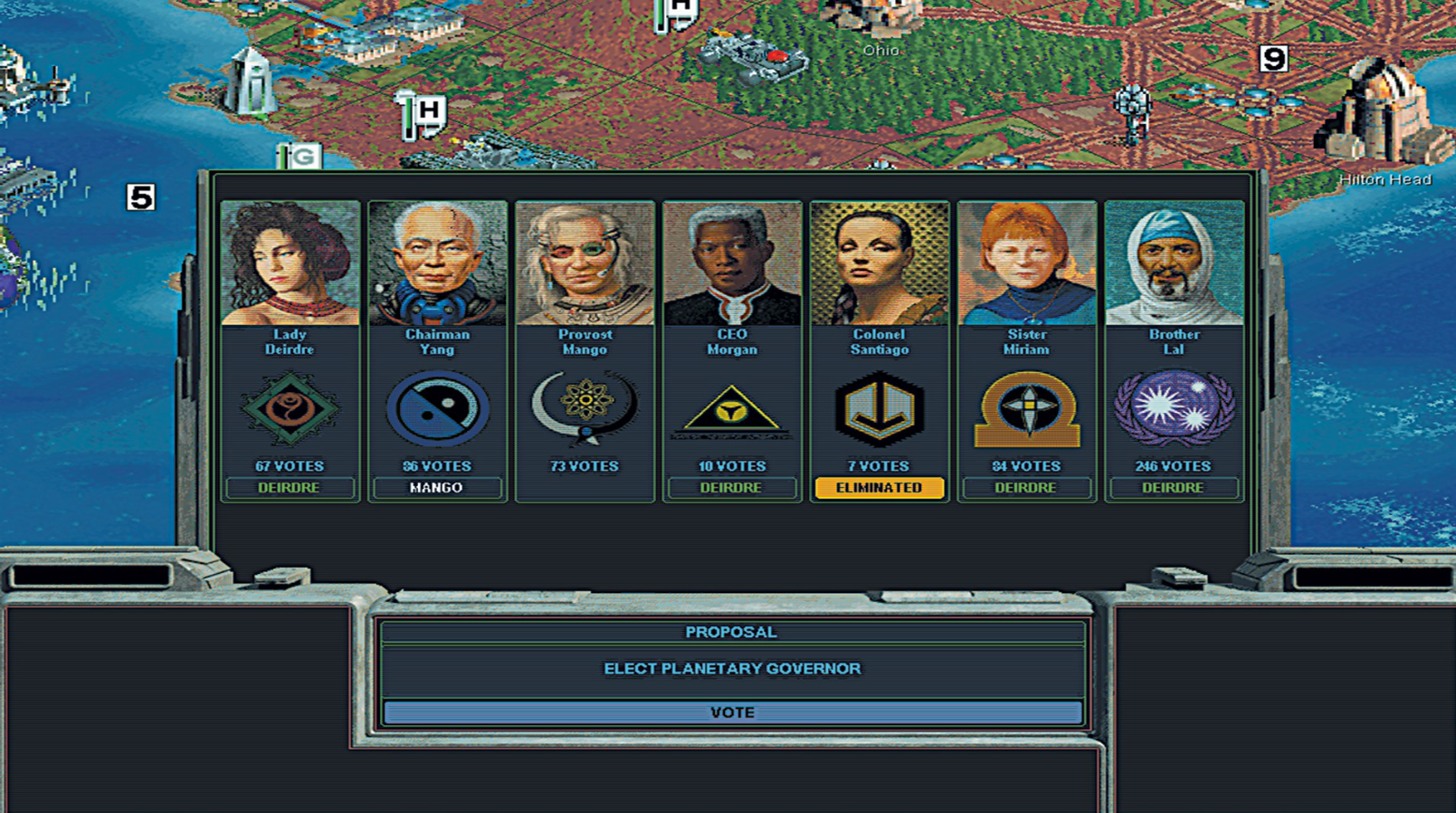
The term "hard science fiction video game" has long suffered from an identity crisis. To the uninitiated, the label suggests games that are simply "difficult"—punishing, reflex-heavy titles that test the player’s mechanical endurance. However, within the enthusiast community, "hard sci-fi" refers to something far more rigorous: interactive experiences that prioritize scientific plausibility, Newtonian physics, and the cold, unyielding realities of the cosmos over the whimsical tropes of space opera.
For decades, this subgenre remained a peripheral curiosity, dominated by niche simulators that were as impenetrable as they were ambitious. But in the last ten years, the landscape has shifted. An influx of indie developers, driven by a commitment to authentic scientific representation, has transformed the genre from a collection of obscure outliers into a vibrant, albeit demanding, pillar of modern gaming.
Chronology: From Newtonian Foundations to Modern Simulations
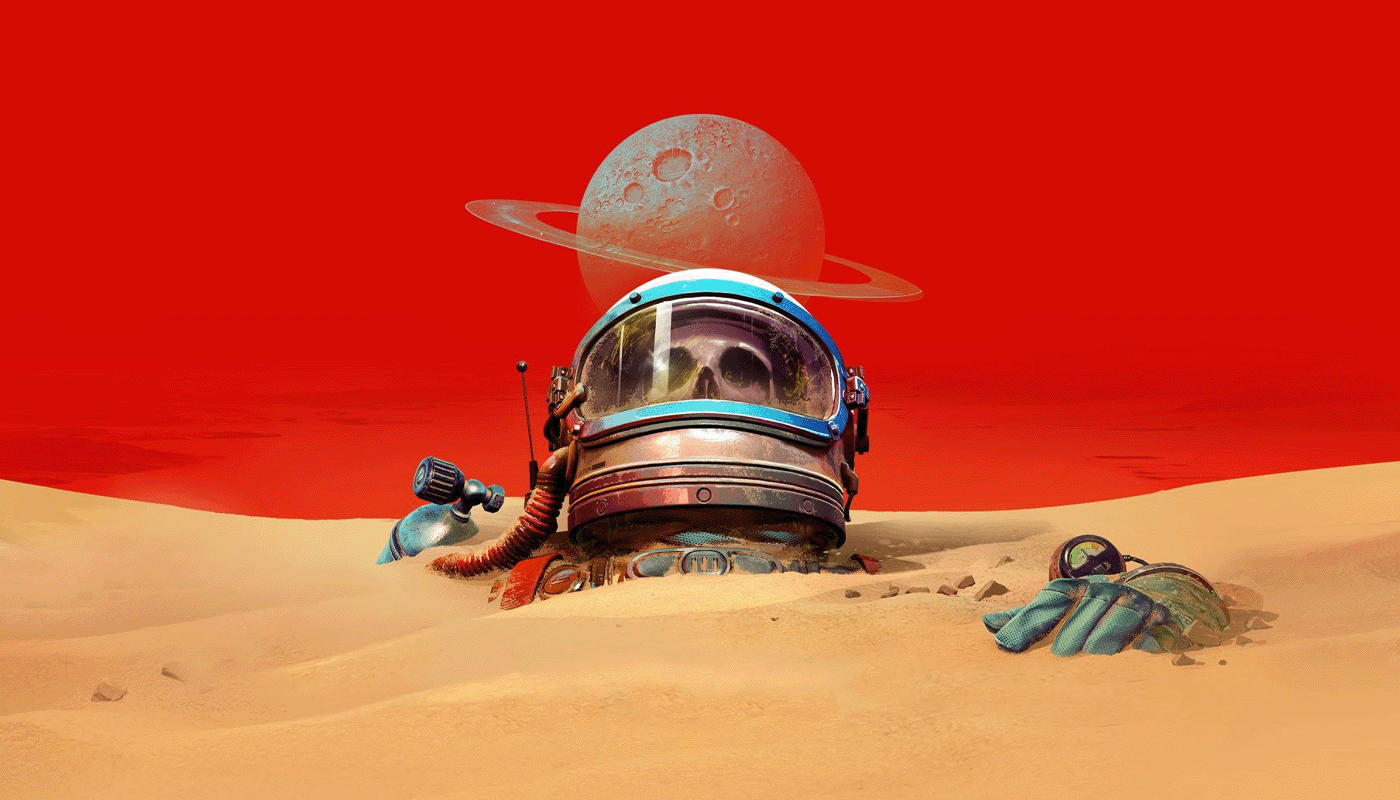
The history of hard sci-fi in gaming is a trajectory of increasing fidelity. The journey began in earnest with the 1984 release of Elite, which dared to offer an open universe of unprecedented freedom. Yet, it was its 1993 sequel, Frontier: Elite II, that truly set the benchmark. By incorporating realistic Newtonian physics, Frontier forced players to calculate orbital mechanics and manage gravitational pulls, fundamentally changing the expectations for space-flight simulation.
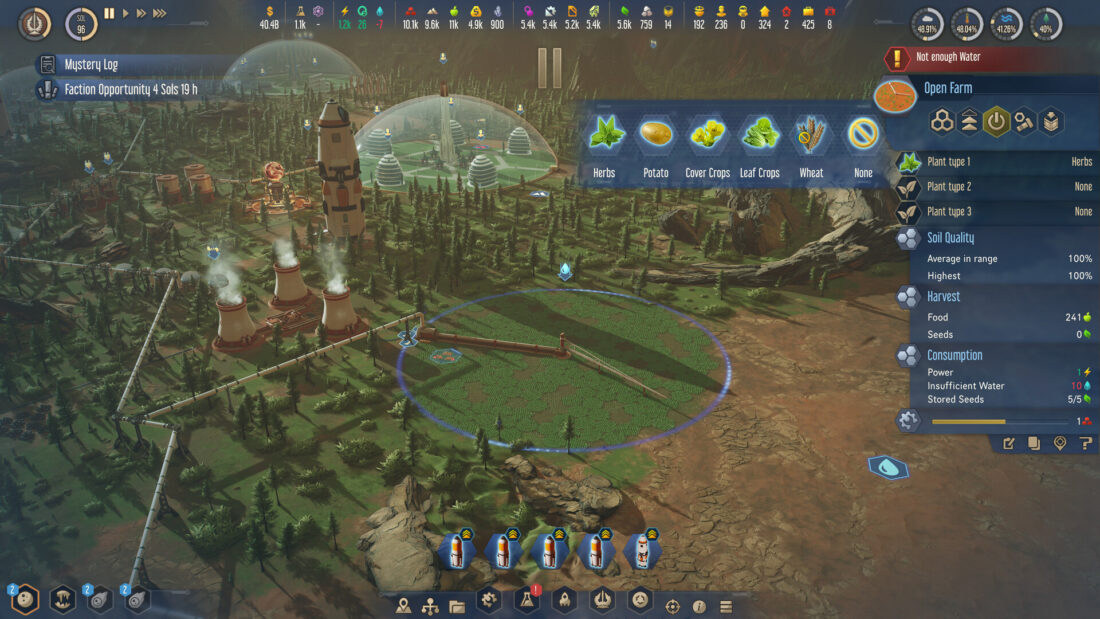
As the industry moved into the late 90s, the focus expanded from flight to world-building. 1999’s Sid Meier’s Alpha Centauri brought the complexities of planetary colonization into the spotlight. While stylistically drawing from the grand tradition of Dune, it grounded its gameplay in plausible technological evolution, simulating the societal and environmental challenges of terraforming an alien world.
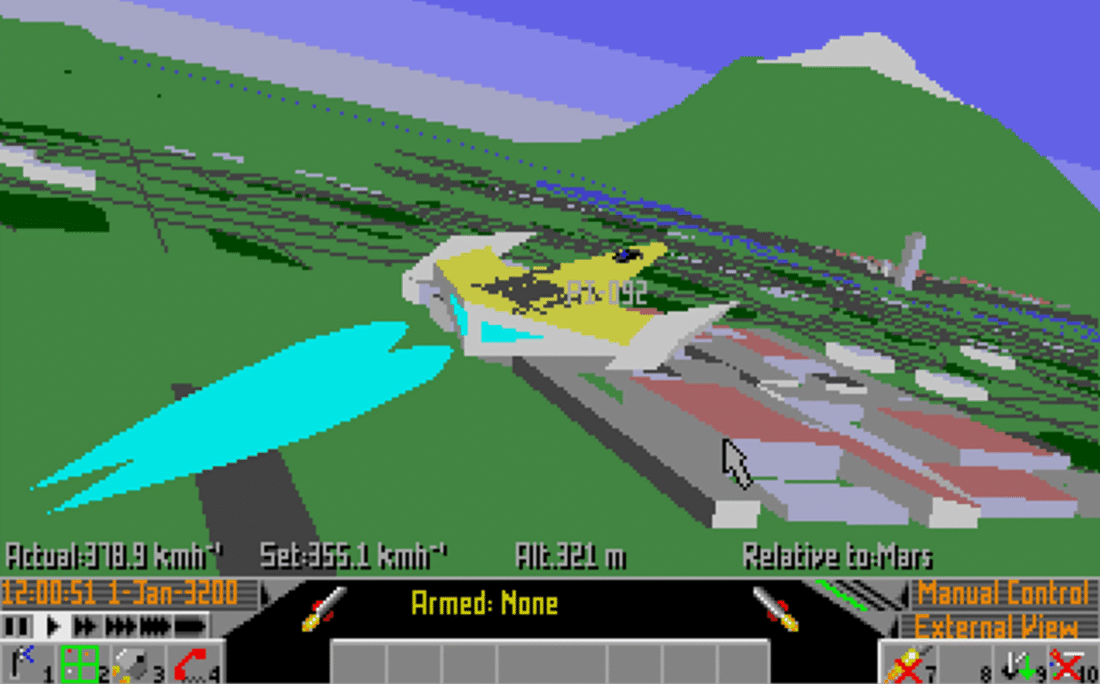
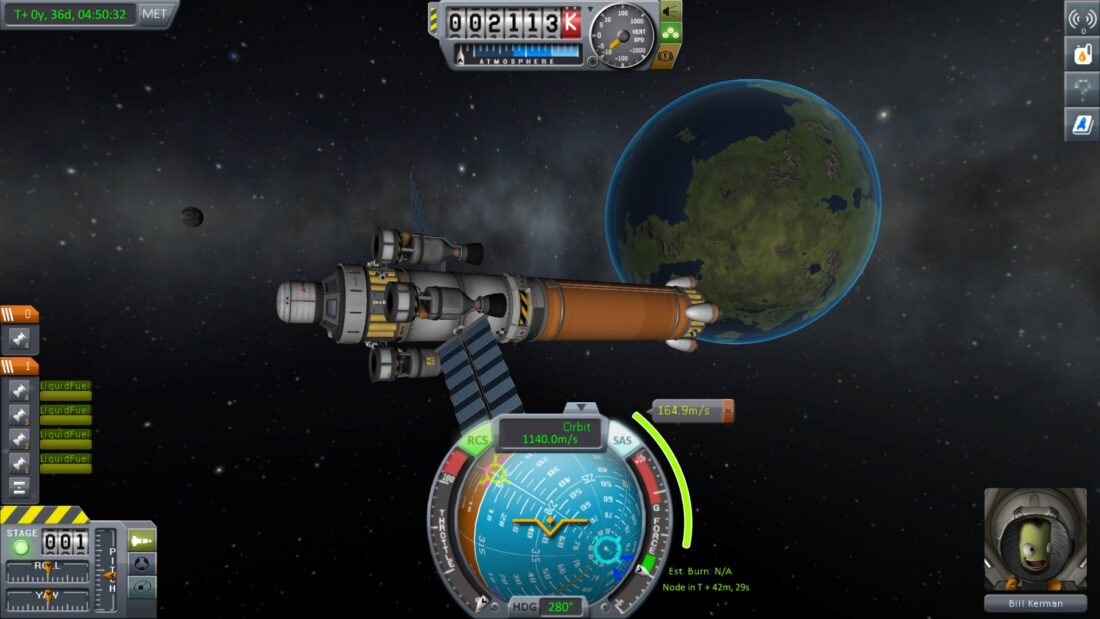
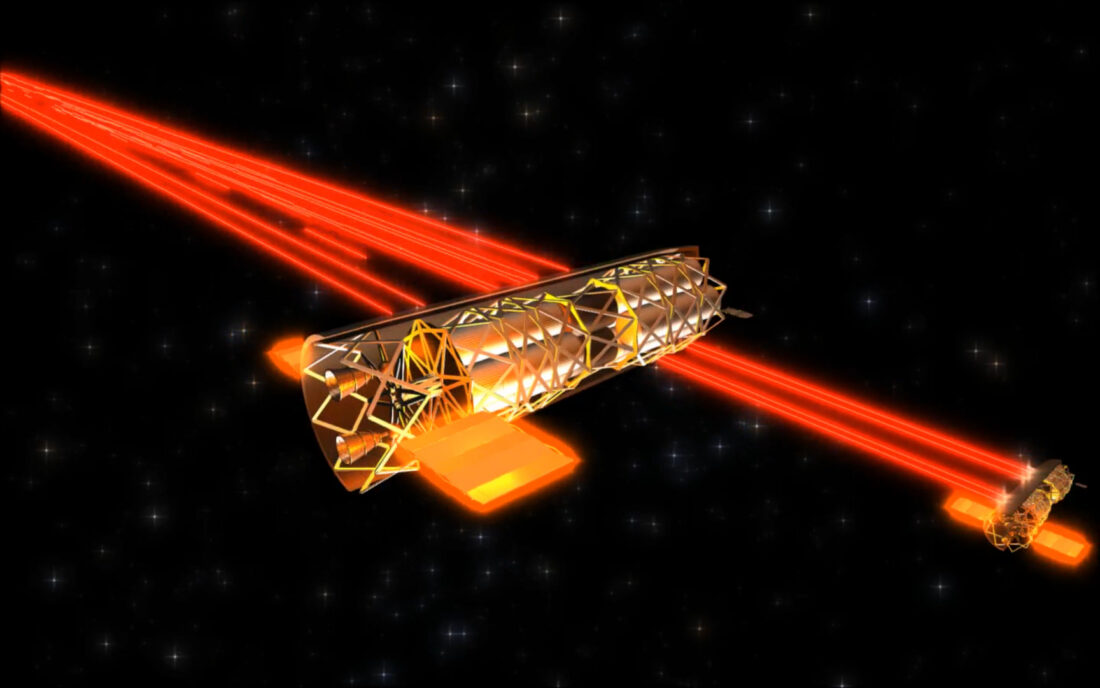
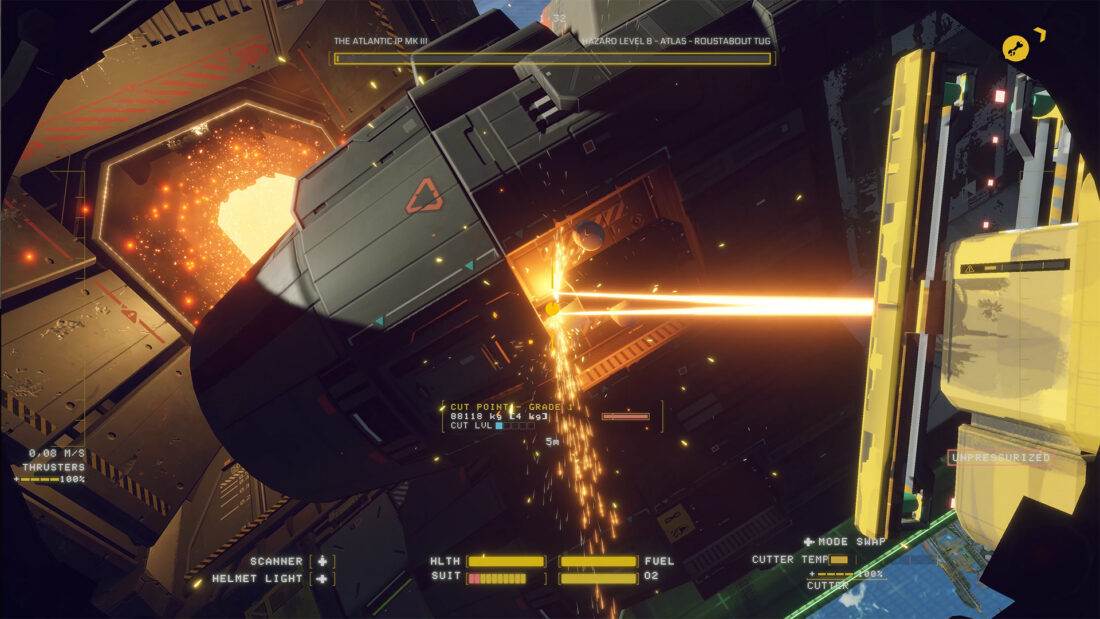
The modern era, however, is defined by a shift toward granular detail. The 2015 release of Kerbal Space Program served as the great democratization of aerospace engineering. By disguising the terrifying complexity of orbital mechanics with charming, approachable aesthetics, it introduced a generation of gamers to the genuine stakes of space flight. Following in its wake, titles like Children of a Dead Earth (2016), Surviving Mars (2018), Hardspace: Shipbreaker (2022), Nebulous: Fleet Command (2022), The Invincible (2023), ΔV: Rings of Saturn (2023), and the upcoming Terra Invicta have pushed the boundaries of what a "game" can simulate.
Supporting Data: The Physics of Play
The distinguishing feature of these titles is their reliance on "hard" variables—data that mirrors the laws of the physical universe.
- Orbital Mechanics: In titles like Kerbal Space Program and ΔV: Rings of Saturn, the player does not simply "steer" a ship. They manage Delta-V, execute Hohmann transfer orbits, and grapple with the influence of non-spherical gravitational bodies.
- Thermal Management: Children of a Dead Earth takes combat simulation to its logical extreme. Players must manage the heat signature of their ships, as space is a vacuum that makes cooling systems critical to survival. A single miscalculation in weapon fire can lead to the total thermal failure of a vessel.
- Logistics and Economics: Hardspace: Shipbreaker shifts the perspective from the cockpit to the workbench, highlighting the "blue-collar" side of space exploration. It forces players to calculate the risk-versus-reward of dismantling massive orbital structures under the crushing weight of corporate debt.
- Scientific Documentation: Many of these developers treat their games as educational platforms. Children of a Dead Earth features extensive documentation justifying every scientific principle employed, effectively turning the game into a peer-reviewed simulation of vacuum-based warfare.
Official Perspectives: The Philosophy of the Developers
The rise of this subgenre is largely attributed to a philosophy of "friction as feature." Developers in this space argue that the struggle against the environment is the most compelling story a game can tell.
The team at Kodera Software, creators of ΔV: Rings of Saturn, has stated in various developer logs that their primary goal was to strip away the "Hollywood physics" that plague typical space games. By implementing a simulation where every action has a tangible, logical consequence, they aim to create an experience that rewards intellectual persistence.
Similarly, the developers of Nebulous: Fleet Command—many of whom are veterans of the modding community—have emphasized that their focus is on the "submarine-like" tension of space combat. By removing arcade-style lasers and focusing on radar, electronic warfare, and sensor management, they have successfully pivoted the genre toward tactical realism, proving that "hard" sci-fi doesn’t have to be slow; it just has to be smart.
Implications: A Niche No Longer?
The success of these titles holds significant implications for the future of the medium. For one, it challenges the industry-wide assumption that players require constant, immediate gratification. The popularity of Terra Invicta—a game characterized by its daunting, complex political and military management systems—proves that there is a growing, highly dedicated audience for games that treat the player as an intellectual participant rather than a mere consumer of content.
Furthermore, these games act as a bridge between hard science and popular entertainment. By gamifying concepts like astrobiology, orbital resonance, and materials science, these developers are fostering a culture of scientific literacy. The Invincible, based on the works of Stanisław Lem, demonstrates that hard sci-fi can also be deeply philosophical. It eschews the "tech-bro" focus on hardware for an exploration of the limitations of human perception when faced with an alien environment, showing that the genre has matured enough to handle profound existential themes.
However, the genre remains "niche" by design. The barrier to entry—the "agony" of the learning curve—is an intentional filter. It ensures that the player base is comprised of individuals who are genuinely invested in the mastery of these systems. As one developer noted, the reward for the player isn’t a digital trophy or a level-up, but the "Eureka!" moment of successfully docking a vessel or balancing a colony’s oxygen supply through pure, logical deduction.
The Future of the Frontier
As we look toward the next decade, the convergence of high-fidelity physics engines and increased consumer interest in space exploration suggests that the hard sci-fi subgenre is poised for a golden age. We are seeing a shift away from the "space opera" aesthetic—where ships move like planes and sounds travel through vacuums—toward a more honest, haunting depiction of the universe.
The current trend toward "blue-collar" and "realistic tactical" sci-fi indicates that players are tired of being the "chosen one" in a galaxy-spanning fantasy. Instead, they are finding profound satisfaction in being a technician, an engineer, or a commander who succeeds only because they took the time to understand the machine they are operating.
In conclusion, while "hard science fiction video games" will likely never displace the blockbuster, action-oriented titles of the AAA space, they have carved out an essential, permanent place in the gaming ecosystem. They remind us that the universe is vast, dangerous, and governed by beautiful, immutable laws. For those willing to navigate the menus, manage the heat, and calculate the trajectory, the reward is an experience of genuine discovery—one that respects the intelligence of the player as much as it respects the science of the stars.











No comments yet. Be the first to join the conversation!