Nila Kartika Wati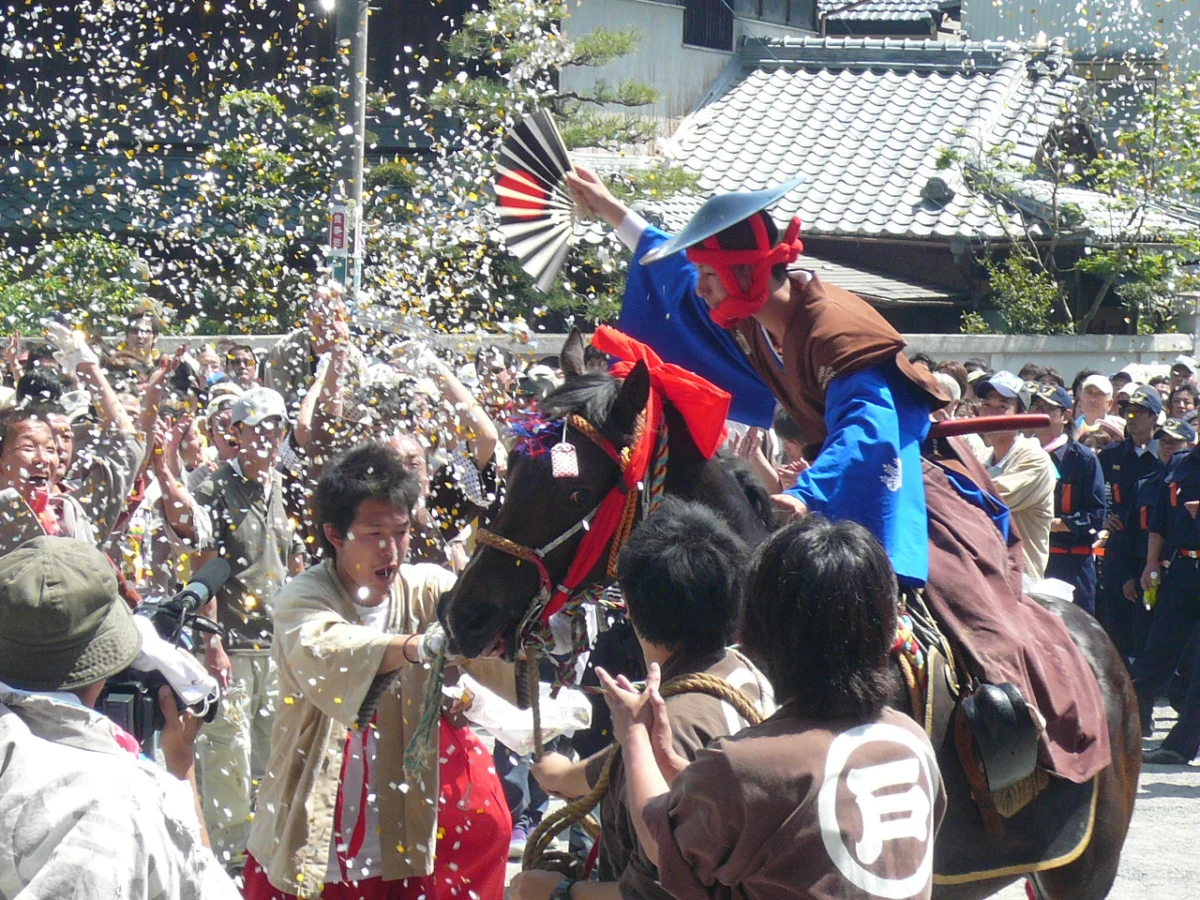
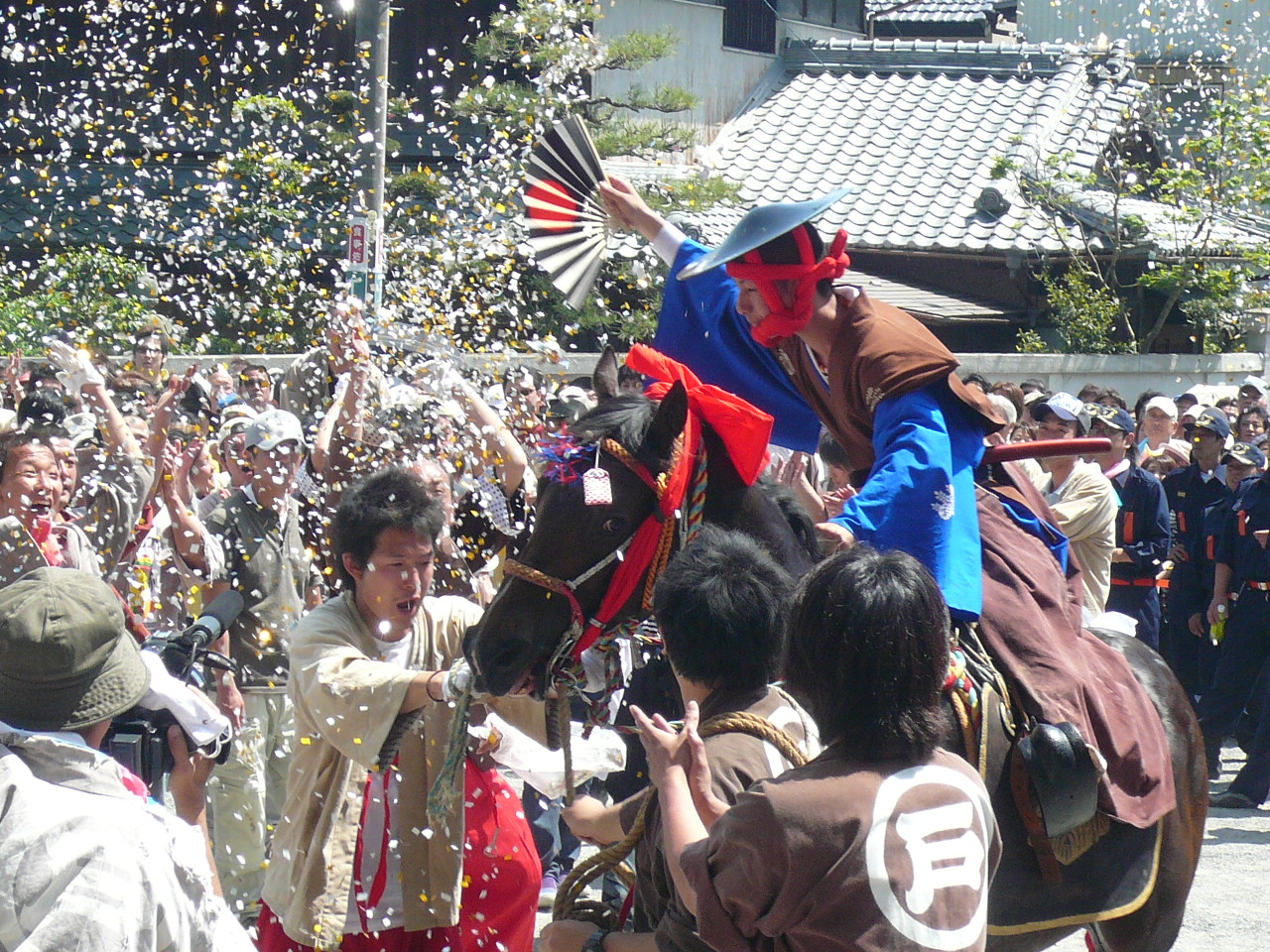
The Tado Festival (Tado Matsuri), held annually on May 4th and 5th at the Tado Taisha in Japan’s northern Mie Prefecture, stands as one of the most visually striking and physically demanding Shinto traditions in the nation. At its heart lies the Ageuma Shinji—the "Rising Horse Rite"—a dramatic spectacle where young men, clad in traditional samurai armor, spur their horses up a steep, 100-meter packed-earth slope. The ritual culminates in a daring leap over a two-meter vertical wall, an act long believed to serve as a divine barometer for the coming year’s rice harvest.
While the festival traces its roots back over a thousand years to the 6th century, it currently finds itself at a significant cultural crossroads. As modern sensibilities regarding animal welfare collide with the preservation of ancient folk religion, the Tado Festival has become a lightning rod for debate. For the visitor, it offers a rare, unfiltered glimpse into the complexities of sustaining tradition in 21st-century Japan.
Main Facts: The Anatomy of a Ritual
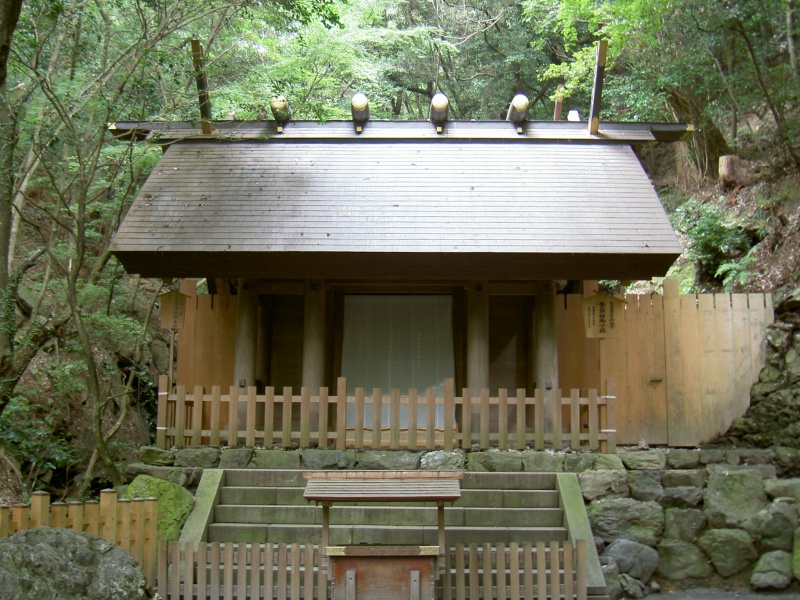
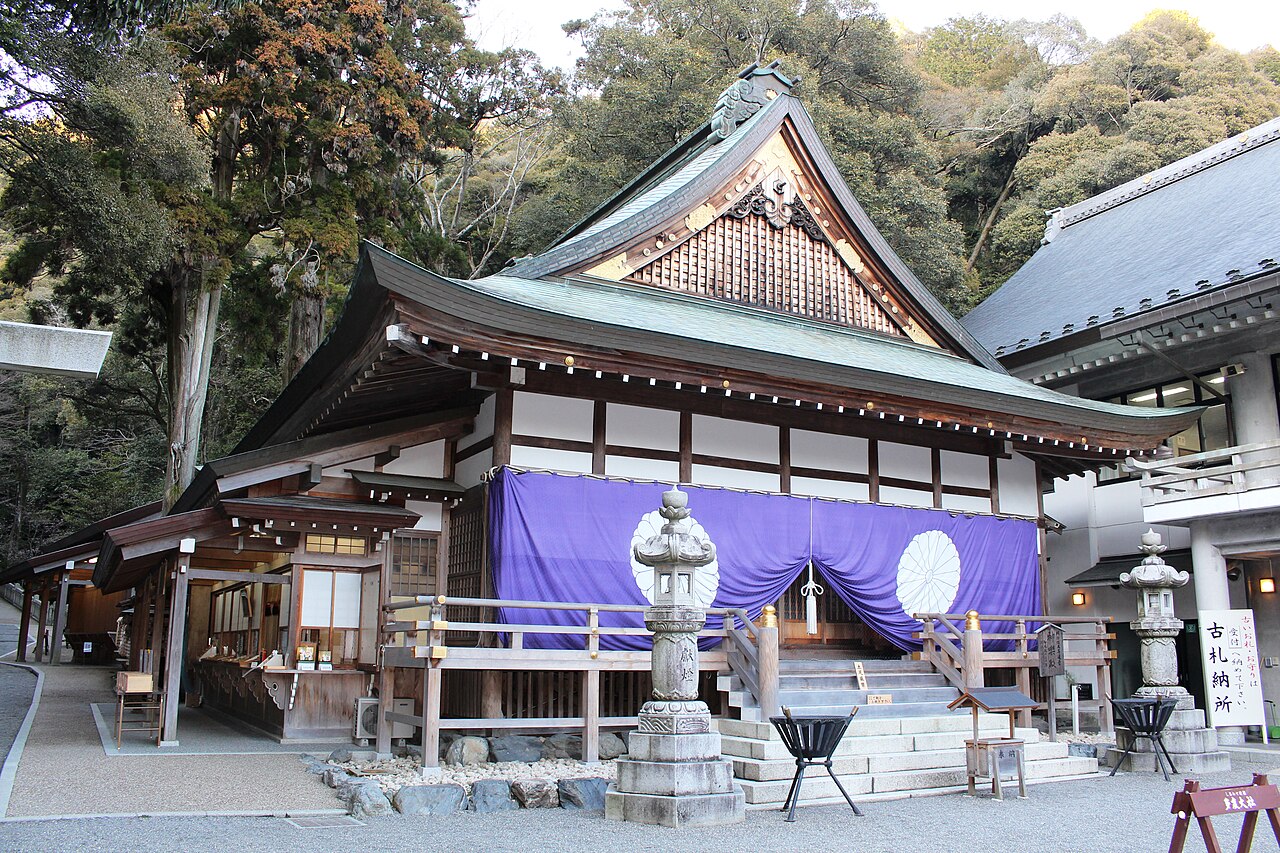
Tado Taisha is a Shinto Grand Shrine of significant historical standing, ranking just below the prestigious Ise Grand Shrine in the religious hierarchy of Mie. The shrine is nestled at the base of Mt. Tado (403m) and is dedicated to Amatsuhikone-no-mikoto, a deity from the lineage of the sun goddess Amaterasu. In Shinto theology, this deity is revered as the "horse protector," a role that has defined the shrine’s cultural identity for centuries.
The festival schedule is strictly fixed:
- May 4th: Preliminary rites and evening preparations.
- May 5th: The primary Ageuma Shinji ceremony, typically held from 13:00 to approximately 17:00.
The ritual involves riders from six local neighborhoods, each competing to successfully clear the wall. According to tradition, a successful jump signifies a bountiful harvest, while a refusal or failure indicates a potential drought. The intensity of the atmosphere—loud, frantic, and deeply charged—reflects a communal dedication that has remained largely unchanged since the Kamakura period (1185–1333).
A Chronology of Faith and Horses
The history of Tado Taisha is as deep as the forests surrounding it. Historical records suggest the shrine was founded in 459 CE during the reign of Emperor Yuryaku, potentially predating the Ise Grand Shrine. By the 9th century, the shrine was firmly established in the national consciousness, earning an elevated status in the Engishiki, the definitive 927 CE register of recognized shrines.
The "horse connection" has evolved in distinct waves throughout Japanese history:
- Medieval Period: Tado served as a site for cavalry blessings, where warriors prayed for strength and victory.
- Edo Period: As Japan transitioned into a more agrarian society, the focus shifted to the protection of farm horses, which were the lifeblood of the rural economy.
- Modern Era: In a surprising twist of cultural adaptation, the shrine has become a destination for motorsports enthusiasts, who view the site as a sanctuary for safety prayers for motorcycles and cars—a technological evolution of the ancient equestrian blessing.
Supporting Data: The Shrine Complex
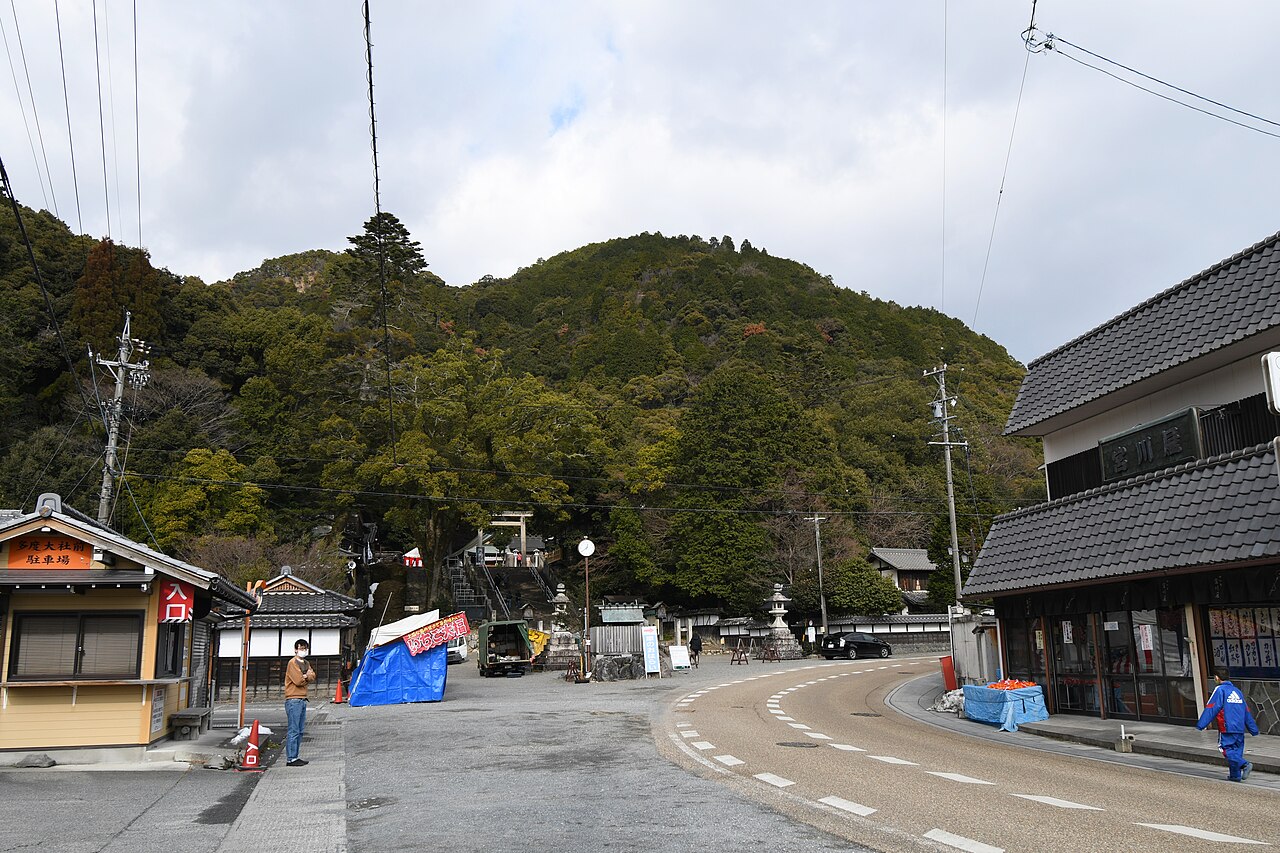
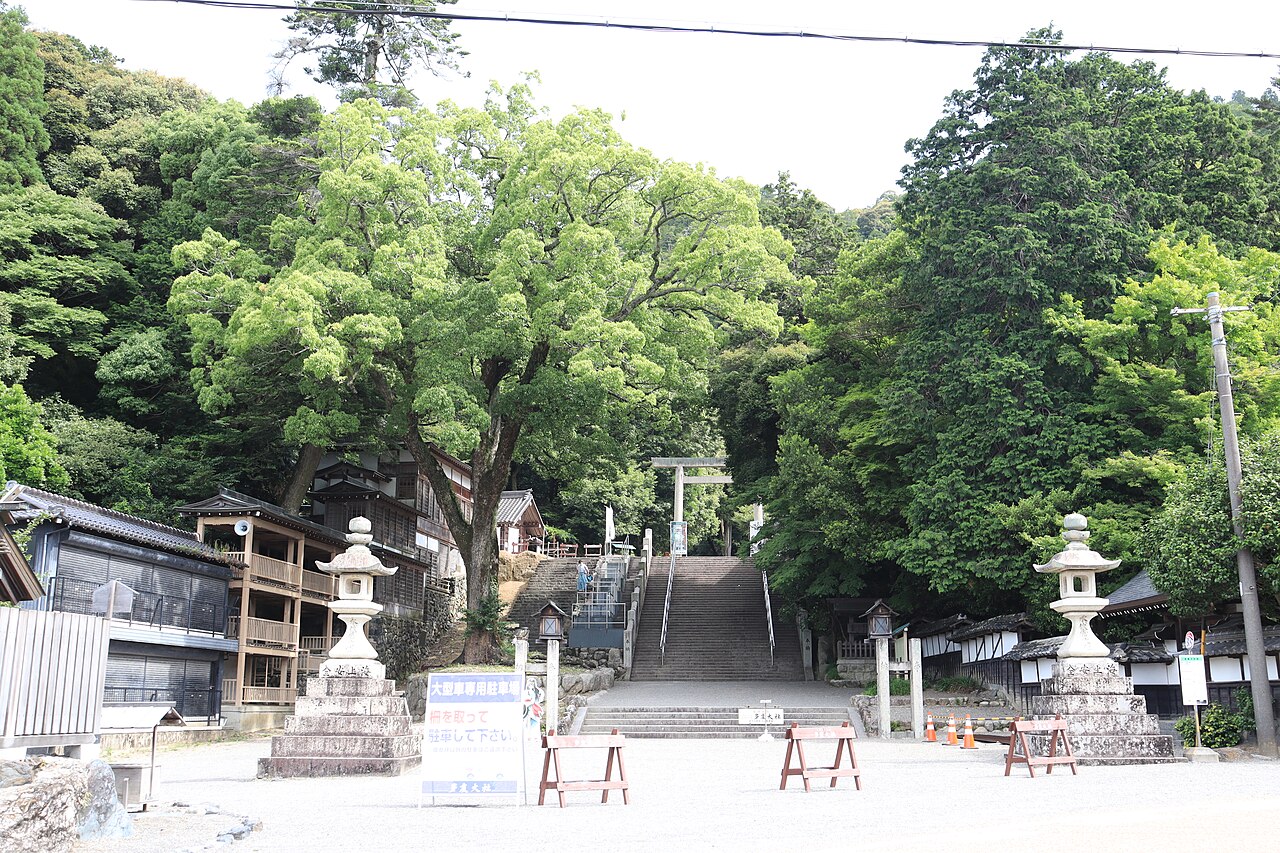
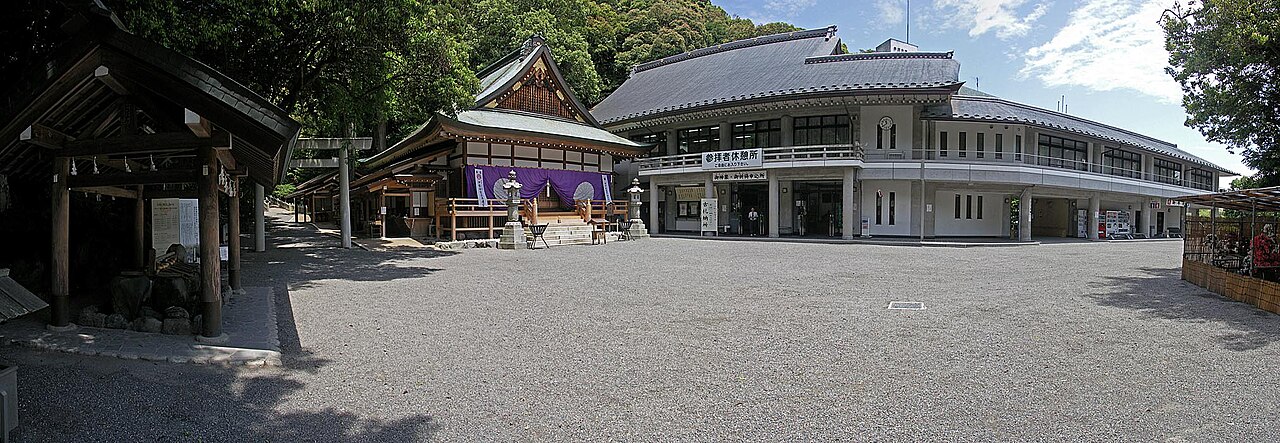
Visitors to Tado Taisha will find a precinct that feels like a living museum. Key structures include:
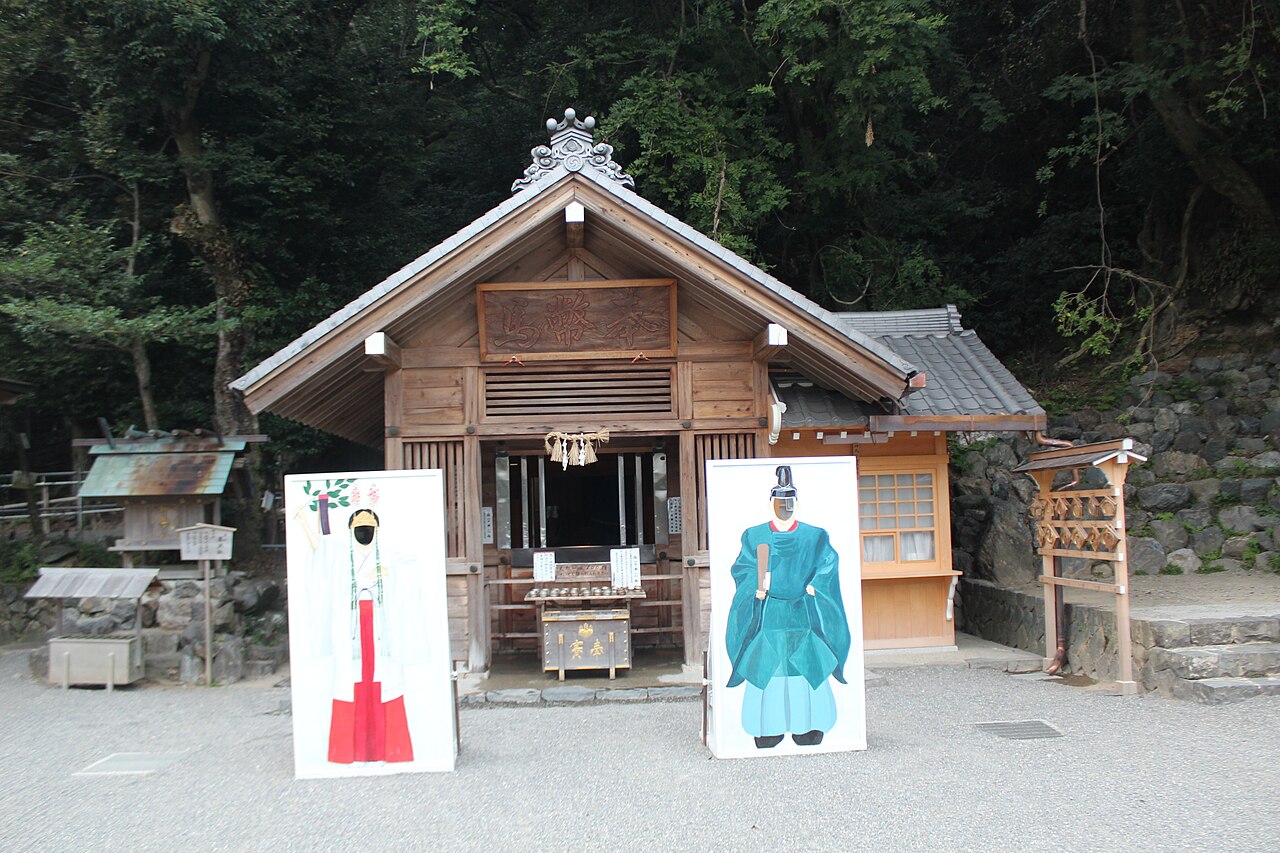
- The Main Hall: A reconstruction on the original 8th-century footprint, honoring the cycle of renewal that defines Shinto architecture.
- The Gakuraden (Ceremonial Music Hall): The venue for kagura dances and pre-ritual prayers.
- The Jinmesha (Sacred Stable): Home to the shrine’s resident horse. As of 2026, the shrine hosts a white thoroughbred named Kintaro. It is important to note that the sacred horse is a protected, revered animal and does not participate in the physically grueling Ageuma Shinji rite.
The Animal Welfare Context: A Modern Reckoning
Since 2020, the Ageuma Shinji has faced mounting scrutiny. Animal-welfare advocates have pointed to the physical toll the ritual takes on the horses, noting that the combination of the hard-packed earth and the vertical barrier has led to recurring leg and shoulder injuries. In 2022 and 2023, high-profile reports of horse injuries during the event generated intense media coverage and public outcry.
The core of the conflict lies in the tension between cultural heritage and modern ethics. Critics argue that the ritual, in its traditional form, is inherently inhumane. Conversely, the shrine authorities emphasize that the festival is an Intangible Cultural Property, deeply tied to the identity of the local community.
Official Responses and Reforms
Rather than opting for a total cessation of the event, the shrine has pursued a path of continuous reform. Key changes implemented since 2021 include:
- Height Reduction: The height of the barrier has been modified to reduce the impact of the landing.
- Surface Modification: The landing zone has been cushioned to absorb the shock of the horses’ impact.
- Participant Regulation: Stricter age limits and training requirements have been placed on riders to ensure better control and safer handling of the animals.
These measures reflect an attempt by the shrine to preserve the "soul" of the ritual while acknowledging that the tolerance for animal suffering has shifted in contemporary Japan.
Implications for the Future
For the casual observer, the Tado Festival is no longer just a display of samurai pageantry; it is a live, unfolding case study on how ancient customs adapt to modern pressures. Anyone attending the festival in 2026 and beyond will encounter two parallel realities: the ceremonial pageantry of the Ageuma and the presence of protest, dialogue, and signage regarding welfare.
Should You Attend?
The decision to attend is one of personal judgment. For those interested in the raw, authentic evolution of Japanese folk religion, the festival is a rare, substantive experience. However, visitors should arrive with an awareness of the controversy.
- For the cultural enthusiast: The ritual remains a fascinating, continuous thread connecting medieval Japan to the present day.
- For the general traveler: If you are in the region for a short time, the Ise Grand Shrine may offer a more polished, English-friendly experience. However, Tado provides a unique, off-the-beaten-path insight into rural Shintoism.
- For the motorsports enthusiast: The shrine’s role as a pilgrimage site for motorcycle safety is a modern, tangible connection to its equestrian history that is rarely found elsewhere.
Practical Considerations for the Visitor
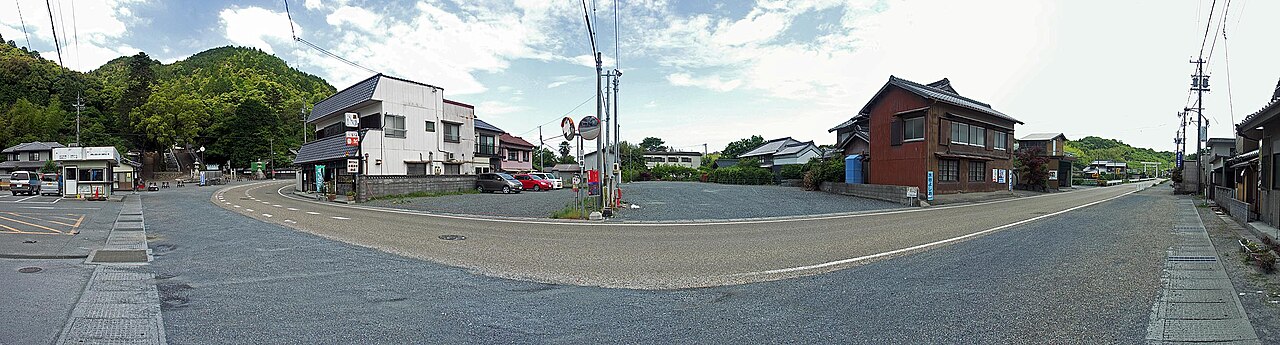
If you plan to attend, preparation is essential. The festival draws between 300,000 and 400,000 people over two days, causing significant congestion in the small town of Tado.
Logistics:
- Travel: The most efficient route is via the Kintetsu Nagoya Line to Kuwana, followed by a transfer to the Yoro Railway to Tado Station.
- Timing: For those wishing to witness the Ageuma rite, arrival by 10:00 is highly recommended to secure a vantage point. Paid reserved seating is available and should be booked via the shrine’s website in late March.
- Language Support: While the shrine provides some English materials, the festival is conducted almost entirely in Japanese. Using translation apps for signage is recommended.
Accommodation:
There are no hotels in Tado itself. Visitors should base themselves in Kuwana (30 minutes away) or Nagoya (70 minutes away). Given the popularity of the festival, lodging in these areas typically reaches full capacity by early March, necessitating bookings well in advance.
Conclusion
The Tado Festival is a testament to the resilience of tradition. Whether the Ageuma Shinji will eventually evolve into a non-equestrian ritual, or whether it will continue to strike a balance between its ancient requirements and modern welfare standards, remains to be seen. What is certain is that the festival remains a vital, if contentious, part of Japan’s living history—a place where the prayers of 1,000 years ago still echo against the slopes of Mt. Tado, challenging every new generation to decide what is worth preserving and what must change.


 Neng Nana
 Asro
Asro