

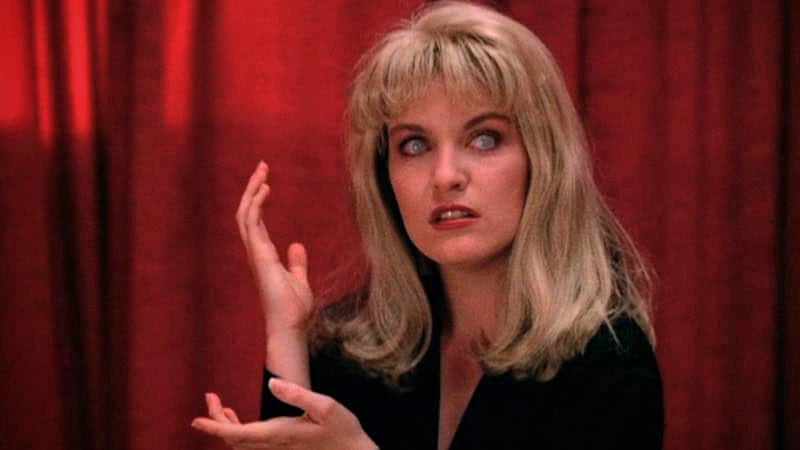
It is a sound that occupies the subconscious—a melancholic, tremolo-heavy guitar line that seems to hang in the air, suspended between the mundane and the metaphysical. For those who have navigated the surreal, winding corridors of David Lynch’s Twin Peaks, the music is not merely an accompaniment; it is the very blood flowing through the veins of the show. Whether you are a newcomer or a decades-long devotee, the refrain holds true: once the music of Twin Peaks enters your mind, it will haunt your days and nights.

Twin Peaks defies simple categorization. It is simultaneously a supernatural thriller, a soap-operatic melodrama, a slapstick comedy, and a gritty police procedural. That these disparate elements coalesce into a singular, iconic vision is due in no small part to the revolutionary sound design and score. As David Lynch famously stated, "Cinema is sound and picture, flowing together in time." In Twin Peaks, the score does not just support the narrative—it dictates the reality of the dream.

A Chronology of Sound: From ABC to Showtime
The sonic landscape of Twin Peaks is defined by a three-decade evolution. Created by David Lynch and Mark Frost, the original series aired on ABC from 1990 to 1991, instantly establishing a new standard for "auteur television."

The Badalamenti Era (1990–1991)
The heart of the show’s original identity was the legendary collaboration between Lynch and composer Angelo Badalamenti. Building upon the atmospheric success of their work on the 1986 film Blue Velvet, the trio of Lynch, Badalamenti, and vocalist Julee Cruise crafted a soundscape that felt both timeless and uncanny. It was a melange of 1950s teen pop, jazz-noir, dream pop, and modernist composition. The use of synthesizers alongside electric instruments and slinky clarinet lines created a nostalgic yet deeply unsettling atmosphere that mirrored the show’s central theme: the rot hidden beneath the polished veneer of American suburbia.

The Return (2017)
After a 26-year hiatus, Twin Peaks: The Return arrived on Showtime in 2017, stripping away much of the "finger-popping" jazz quirk of the original seasons. As music supervisor Dean Hurley noted, the script demanded a shift in tone. The new soundscape leaned heavily into abstract, atmospheric, and occasionally industrial textures. While Badalamenti remained a foundational presence, the sound design moved toward a more modernist, often terrifying, auditory experience, reflecting the cosmic dread that had been bubbling under the surface since the pilot.

Supporting Data: The Anatomy of a Scene
The power of Twin Peaks music lies in its ability to manipulate the viewer’s emotional state through subtle, often dissonant shifts. By analyzing the most iconic sequences, we can see how Lynch uses sound to collapse the barrier between the real and the supernatural.

1. Audrey’s Dance: The Diegetic/Non-Diegetic Blur
Audrey Horne’s iconic dance at the Double R Diner remains the gold standard for musical usage in the series. When Audrey approaches the jukebox, she selects a song that is at once a "slinky, dreamy vamp" and an impossible artifact. The brilliance of the scene lies in the lack of reaction from the other patrons. Is the music really playing in the diner, or is it a psychological projection? The sound design rolls back ambient noise—the clinking of dishes and diner chatter—until only the music remains. This transition forces the audience to question the nature of the reality being presented.

2. The Birth of BOB: A Metaphysical Explosion
Episode 8 of The Return stands as perhaps the most experimental hour of television ever produced. When Mr. C is shot and revived by the "Woodsmen," Lynch replaces traditional sound effects with static and slowed-down, muffled screams. The background music—a classical, dissonant piece—creates a sense of serene horror. When the atomic bomb detonates at White Sands, Lynch opts for Krzysztof Penderecki’s Threnody for the Victims of Hiroshima. By avoiding the literal sound of an explosion and replacing it with piercing strings, Lynch elevates a physical event into a cosmic, spiritual tragedy.

3. Cooper’s "I Am The F.B.I."
The payoff of the 2017 season was the return of the "old" Agent Cooper in Episode 16. The scene is initially silent, grounded in the mundane sounds of a hospital room. When the theme from the opening credits—"Falling"—begins to play, it acts as an anchor, signaling to the audience that the long-awaited return is complete. The musical arrangement, with its wistful keyboard exhalations and low-end guitar, builds tension and releases it in perfect synchronization with Cooper’s dialogue, turning a simple declaration of identity into an act of triumph.

Official Responses and Industry Impact
While The Return received nine Emmy nominations, its influence extends far beyond awards season. Critics and musicologists alike have pointed to the show as a catalyst for the modern era of "prestige television." The show proved that audiences were willing to engage with non-linear, avant-garde storytelling, provided the mood was sustained by a cohesive audio-visual language.

Lynch’s approach—guiding what the viewer hears from beginning to end—has been adopted by a generation of filmmakers who treat sound design as an equal partner to cinematography. The "Twin Peaks effect" is a recognized phenomenon in media studies, where the soundtrack acts as a secondary narrator, providing clues to the audience that the dialogue and visuals may be actively concealing.

Implications for the Future of Television
The legacy of the Twin Peaks score is a testament to the idea that the "whole is greater than the sum of its parts." As the industry continues to debate the merits of streaming versus network television, the enduring popularity of Twin Peaks serves as a reminder that artistic risk-taking—specifically in sound and atmosphere—creates a lasting connection with the viewer.

The Mystery of Season 4
The internet remains perpetually awash in rumors regarding a potential Season 4. Whether or not Lynch ever returns to the town of Twin Peaks, the musical vocabulary he established has already left an indelible mark. The show taught us that if you listen closely enough to the wind, you might hear more than just the rustling of trees; you might hear the secrets of the Black Lodge, the hum of the electricity, and the echoes of a story that, in the world of David Lynch, never truly ends.

The music of Twin Peaks is a paradox: it is nostalgic for a time that never was, and frightening because of a reality we are only just beginning to understand. It is, in the truest sense, a haunting—and one that we are all too happy to invite into our homes.

Daniel DiPaolo is a pianist and music educator based in Los Angeles, specializing in the intersection of modernist composition and narrative media.










No comments yet. Be the first to join the conversation!