

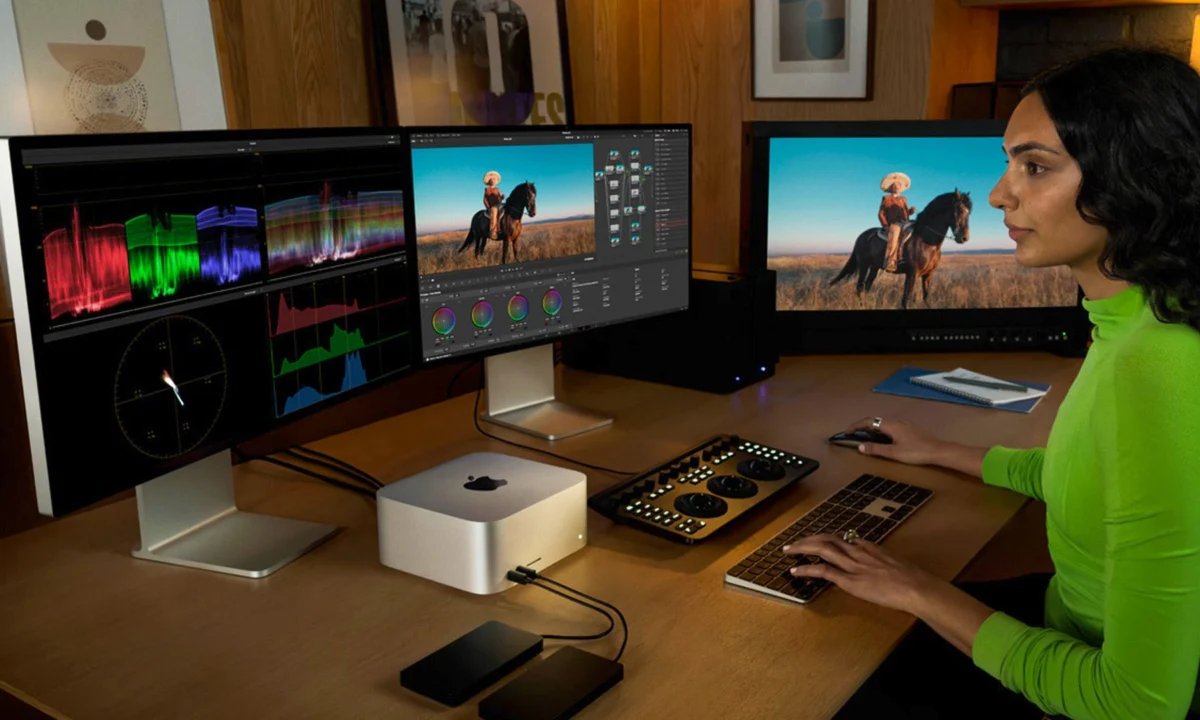
For creative professionals, engineers, and data scientists, the Mac Studio has served as the quintessential "Goldilocks" workstation: more powerful than the Mac mini, more compact than the Mac Pro, and significantly more affordable than a fully specced-out MacBook Pro. Since its inception, the Mac Studio has defined the high-performance desktop category for Apple Silicon. However, as the demands of modern computing—specifically regarding on-device AI, 8K video production, and real-time 3D rendering—continue to balloon, the pressure on Apple to iterate its hardware has reached a fever pitch.
According to the latest intelligence from industry analyst Mark Gurman, Apple is preparing to bridge the gap between current performance capabilities and the future of computing through a strategic, internal-focused refresh of the Mac Studio. While users hoping for a visual overhaul may be disappointed, the upcoming changes to the workstation’s internal architecture suggest that Apple is prioritizing sustained thermal performance over cosmetic vanity.
The Core Strategy: Performance Over Aesthetics
The primary takeaway from the most recent industry reports is that Apple is opting for a "steady-state" design approach. The iconic, compact aluminum chassis that has housed the Mac Studio since its launch remains a staple of the company’s aesthetic identity. By resisting the urge to redesign the exterior, Apple is signaling that it believes the current form factor is functionally sound.
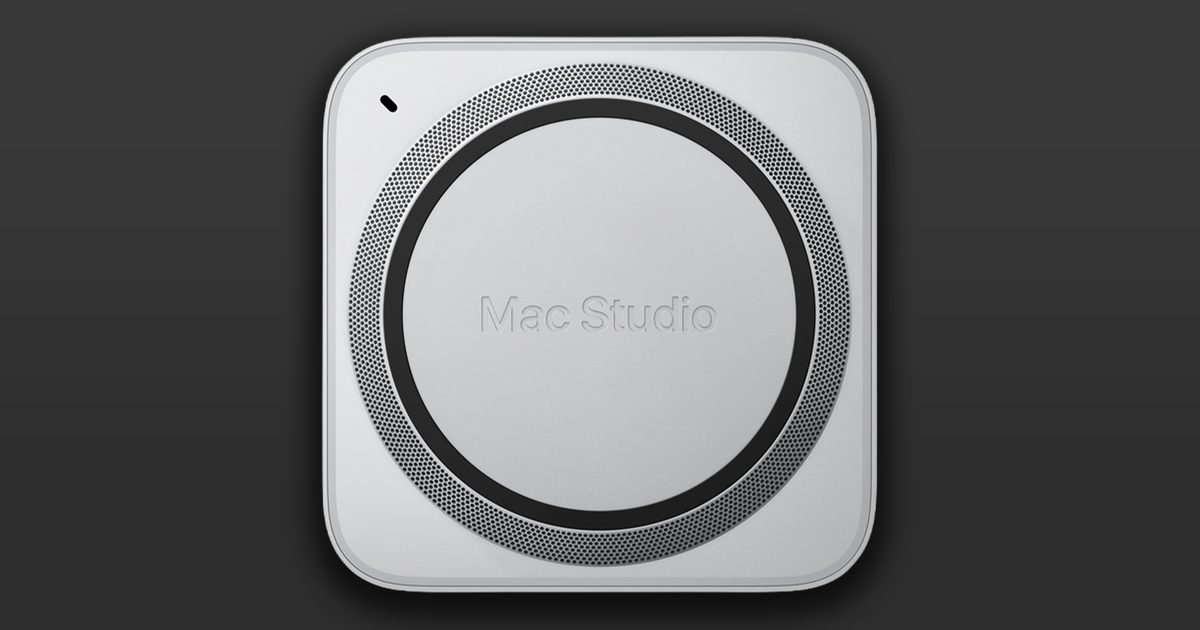
Instead, the company is doubling down on what truly matters to the target demographic: raw, sustained computational power. The centerpiece of this upcoming transition is the integration of the M5 Ultra chip. While the M-series chips have consistently set benchmarks for efficiency, the "Ultra" tier—essentially two Max chips fused together via Apple’s UltraFusion interconnect technology—demands a significant thermal budget.
Chronology of the Mac Studio Roadmap
Apple’s long-term planning for the Mac Studio suggests a deliberate, tiered rollout designed to keep the workstation competitive throughout the latter half of the decade.
- 2026: The M5 Ultra Transition: The immediate focus for the Mac Studio is the introduction of the M5 Ultra. This update is expected to arrive within the calendar year. The primary objective of this launch is to bring the Mac Studio in line with the latest generation of Apple Silicon, ensuring that the desktop workstation remains the flagship device for Apple’s most demanding users.
- 2027: The Intermediate Gap: Current roadmaps suggest a period of stability in 2027, focusing on software optimization and ecosystem integration, particularly with the expanding suite of Apple Intelligence features that will undoubtedly require more robust hardware acceleration.
- 2028: The M7 Ultra Leap: Looking further ahead, industry whispers indicate that Apple is already developing an M7 Ultra-powered iteration of the Mac Studio. This represents a significant long-term commitment to the desktop workstation market, signaling that Apple does not intend to let the Mac Studio fade away in favor of high-end MacBook Pros.
Engineering the Future: The Redesigned Heat Sink
Perhaps the most revealing detail in the recent reports is the news of a completely redesigned heat sink. To the average consumer, a heat sink is an invisible component, yet it is arguably the most critical element for high-performance computing.
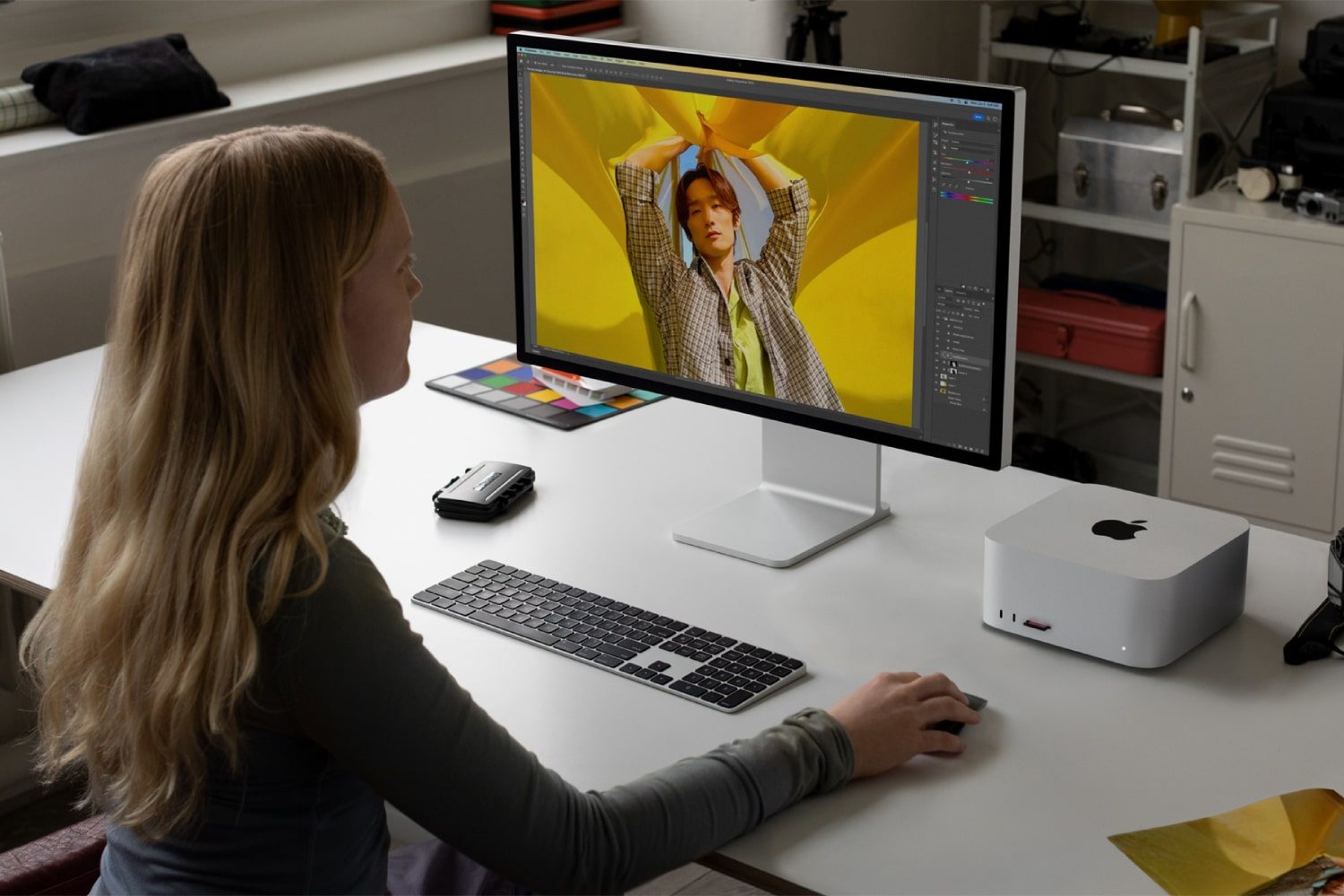
Modern Apple Silicon chips are incredibly efficient, but when pushed to their limits—such as during sustained 3D rendering or complex AI training sessions—they generate significant heat. In current models, thermal throttling can occur if the cooling system cannot dissipate this energy fast enough. By engineering a more robust, efficient, and thermally conductive heat sink, Apple is effectively raising the "ceiling" of the Mac Studio’s performance.
This change implies that the M5 Ultra and the future M7 Ultra will be allowed to run at higher clock speeds for longer durations. For a video editor working on a multi-camera 8K project, this could mean the difference between a seamless export and a system that slows down halfway through the render.
Supporting Data: Why Thermal Management Matters
The industry shift toward local AI processing has transformed how we view workstation requirements. Unlike cloud-based processing, which offloads the heavy lifting to remote data centers, on-device AI requires the local silicon to be in a constant state of high activity.
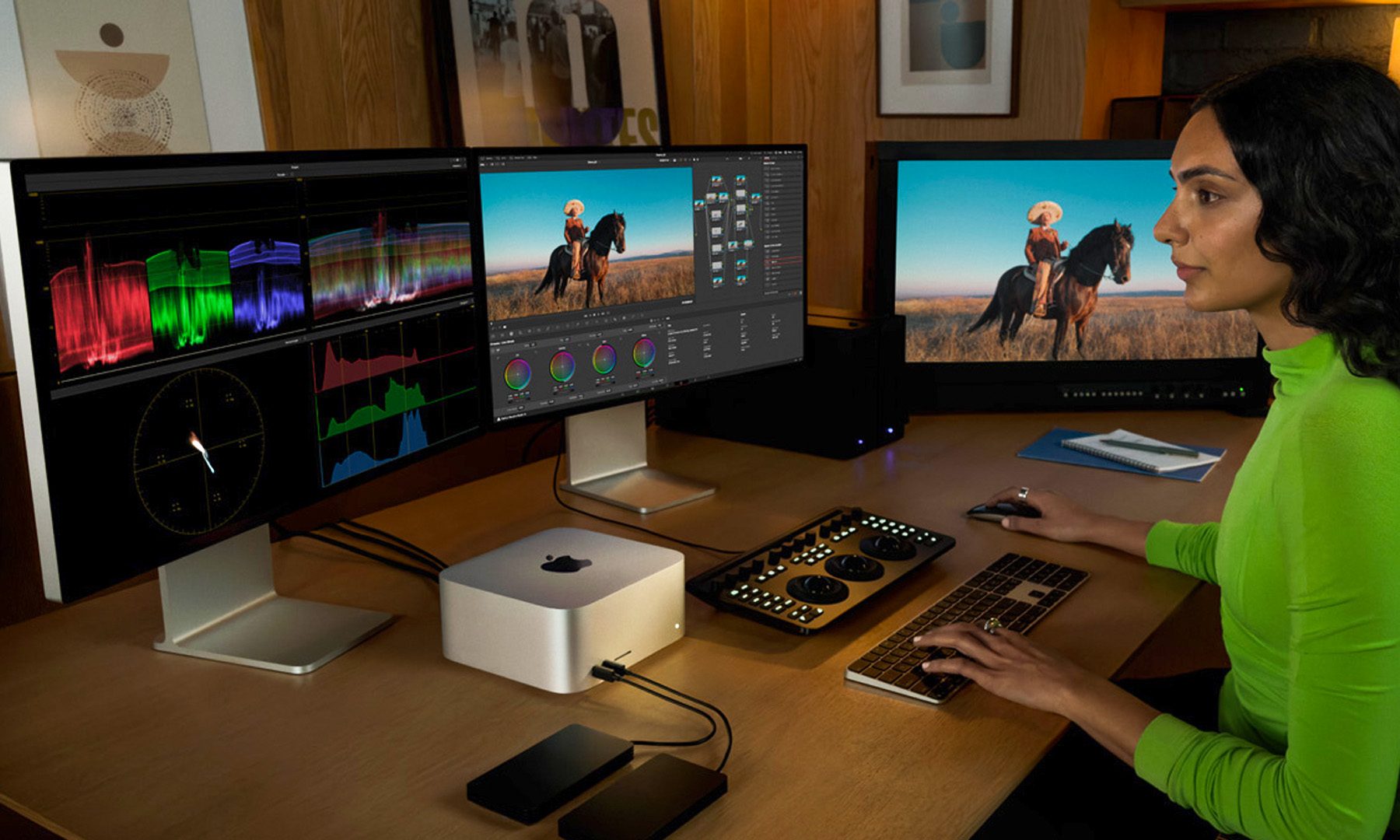
Data shows that AI-accelerated tasks, such as those found in Adobe Creative Cloud, DaVinci Resolve, or Xcode, are significantly more taxing on the thermal envelope of a machine than traditional productivity tasks. The Mac Studio is the most logical place for Apple to house its most powerful silicon precisely because it has the physical space to manage the heat that those chips produce. If Apple intends for the Mac Studio to be the "AI workstation of choice," a redesigned thermal architecture is not just a luxury—it is a functional requirement.
Official Stances and Market Realities
While Apple rarely comments on unreleased products, the company’s recent trajectory provides clear insight into its philosophy. Apple has increasingly positioned the Mac Studio not as a consumer product, but as a professional-grade tool.
However, this professional positioning comes with challenges. Recent reports have highlighted the rising cost of memory and the controversy surrounding the company’s "RAM tax." As Apple integrates more powerful chips, the reliance on Unified Memory becomes even more critical. There is a growing tension between Apple’s desire to provide industry-leading performance and the market’s demand for accessible, upgradable, or at least reasonably priced, memory configurations.

Furthermore, Apple’s ongoing supply chain struggles—specifically regarding the sourcing of memory components—have led to pricing volatility. As the company navigates these geopolitical and supply-chain hurdles, the stability of the Mac Studio’s design becomes a strategic asset. By using a proven chassis and focusing on internal component upgrades, Apple can streamline its production lines, potentially mitigating some of the costs associated with the high-end M5 and M7 silicon.
The Implications: What This Means for Professionals
For the creative professional, the takeaway is clear: the Mac Studio is here to stay, and it is going to get significantly faster. The decision to keep the current design is an implicit endorsement of the status quo—it works, it’s reliable, and it fits into existing studio setups without requiring new desk space or accessories.
The Impact on Workflow
- Sustained Performance: With the new heat sink, users should expect fewer instances of performance degradation during long-running tasks.
- AI Readiness: The M5 and M7 Ultra chips will likely feature enhanced Neural Engines, providing a significant boost to machine learning workflows.
- Longevity: By planning for an M7 Ultra in 2028, Apple is providing a clear roadmap for enterprise and creative firms, allowing them to budget for hardware refreshes with a degree of certainty that was missing in the early transition years of Apple Silicon.
The Trade-offs
While the internal upgrades are welcome, the "no-redesign" policy does mean that certain limitations will persist. Users should not expect user-accessible RAM or storage upgrades in the near future. The "Unified Memory" architecture, while incredibly fast, remains a closed system. Furthermore, the reliance on high-end, bespoke silicon means that as performance increases, so too will the price.

Conclusion: A Measured Evolution
Apple’s strategy for the Mac Studio is a masterclass in calculated evolution. By focusing on the "invisible" components—the heat sinks, the chip architectures, and the thermal management systems—Apple is catering to the specific needs of its power-user base.
The Mac Studio is not a product that requires a yearly face-lift. It is a workhorse. By ensuring that the internal "engine" is capable of handling the next generation of computing tasks, Apple is cementing the Mac Studio’s place in the professional landscape. While the wait for the M5 Ultra is short and the anticipation for the M7 Ultra is building, one thing remains certain: Apple is betting that the professionals who power the creative economy will prioritize performance and reliability above all else. In the world of high-end workstations, the heat sink might just be the most important part of the machine.











