

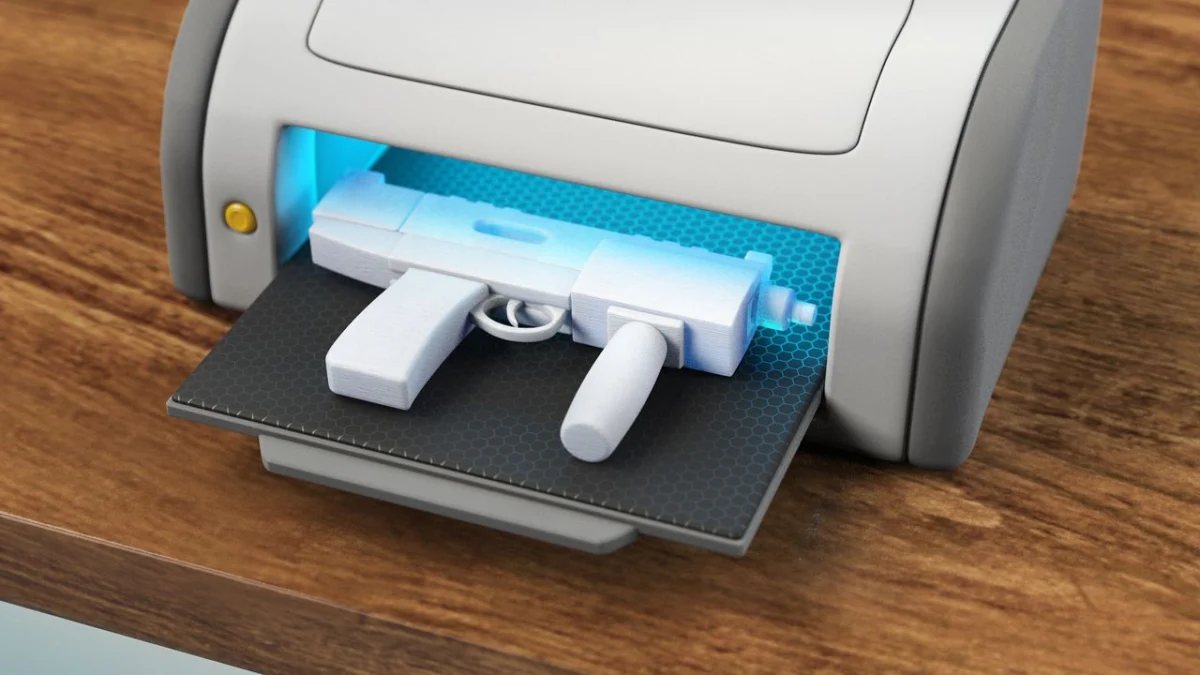
The landscape of personal manufacturing is facing its most significant regulatory challenge to date. California’s state government is currently advancing Assembly Bill 2047, the "California Firearm Printing Prevention Act," a piece of legislation that seeks to fundamentally alter the architecture of consumer 3D printers. By mandating the integration of "firearm blocking technology" and criminalizing the circumvention of these systems, the bill has sparked a fierce debate between public safety advocates and the open-source hardware community.
As the bill moves toward the state Senate, it represents a pivotal moment for the technology sector, raising profound questions about the limits of government intervention in digital manufacturing, the feasibility of "censorware" in hardware, and the potential for a new era of digital rights litigation.
The Core Mandate: What AB 2047 Proposes
At its heart, AB 2047 is a preventative measure designed to stem the tide of "ghost guns"—firearms manufactured without serial numbers, often produced on desktop 3D printers. If enacted, the law would require every 3D printer sold within the borders of California to come equipped with hardware-level or firmware-level screening capabilities.
These systems would be required to analyze design files—typically STL or G-code formats—before a print job commences. If the printer’s algorithm identifies geometry that resembles a firearm component, the machine would be programmed to abort the process. This is a significant departure from previous legislative attempts, which focused on the distribution of digital blueprints. Instead, AB 2047 shifts the burden of enforcement directly onto the hardware manufacturers themselves.
The legislation mandates that the California Department of Justice (DOJ) develop and define performance standards for these detection algorithms by January 1, 2028. Manufacturers would then be required to file a sworn attestation of compliance for every printer model they intend to sell in the state. Failure to comply, or the sale of non-compliant hardware, would result in civil penalties reaching up to $25,000 per violation.
Chronology: A Legislative Timeline
The progression of AB 2047 has been swift, reflecting the urgency felt by California lawmakers regarding the proliferation of untraceable weapons.
- February 2026: Assembly Member Rebecca Bauer-Kahan introduces AB 2047, framing it as a necessary step to curb the rise in 3D-printed gun recoveries.
- May 18, 2026: The bill undergoes significant amendments, refining the scope of the "firearm blocking technology" and strengthening the enforcement clauses.
- May 19, 2026: The California Assembly orders the bill to a third reading, clearing a major hurdle and signaling strong legislative support for the measure.
- The Road Ahead: The bill is currently moving to the state Senate. Should it pass, the implementation period is set to be gradual, with the DOJ defining standards by 2028 and the ban on non-compliant sales taking full effect on March 1, 2029.
The Data: Why Now?
The impetus for this legislation is rooted in a sharp, documented increase in the recovery of illicitly manufactured firearms. According to reports cited by the office of Assembly Member Bauer-Kahan, the prevalence of 3D-printed guns is no longer a fringe issue.
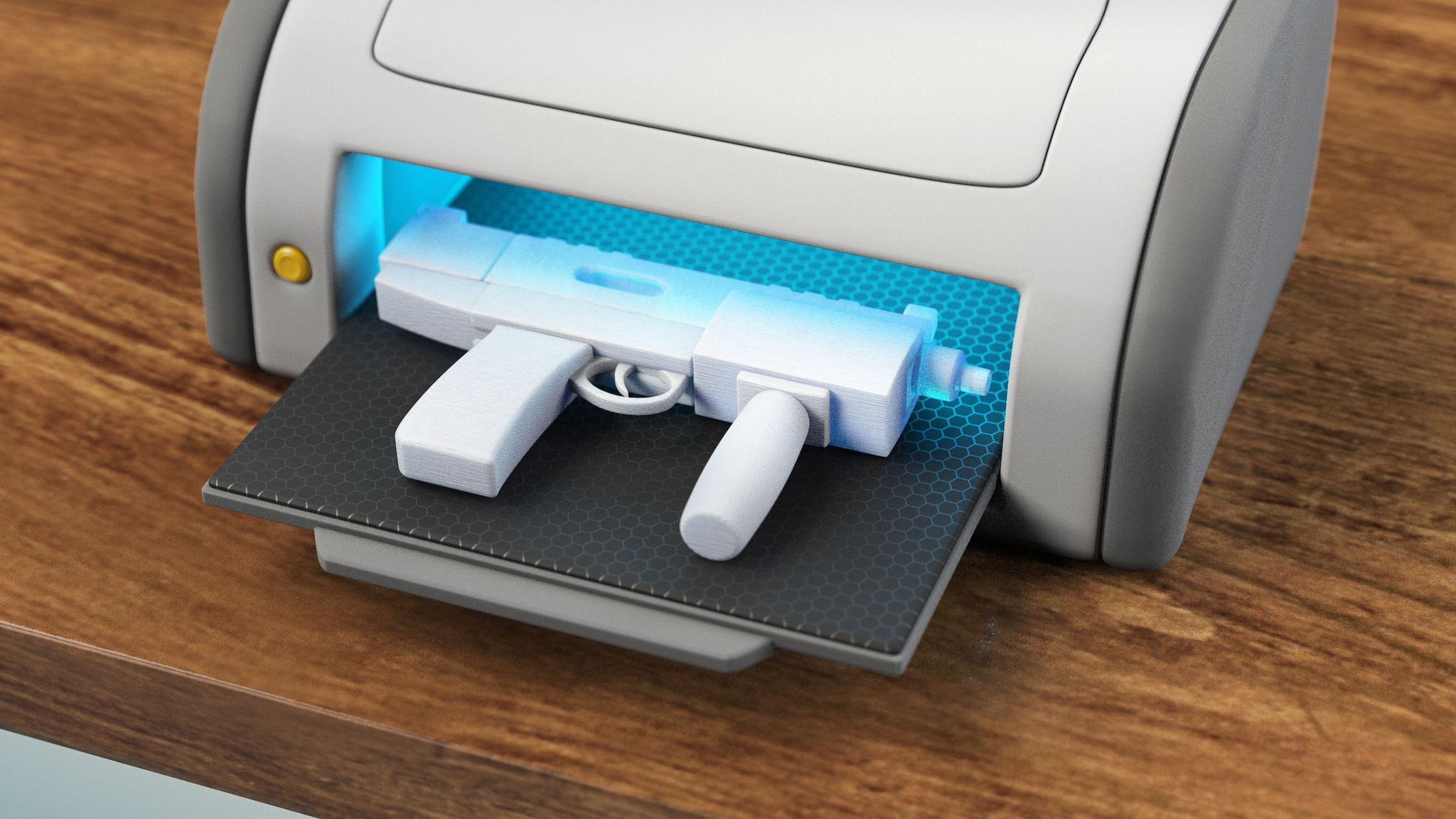
An investigation by the advocacy group Everytown for Gun Safety revealed a staggering 1,000% increase in the recovery of 3D-printed guns across 20 major cities between 2020 and 2024. Local law enforcement agencies have corroborated these trends. In one notable incident in Santa Rosa, authorities seized three 3D printers alongside 167 firearms, 150 of which had their serial numbers obliterated. For proponents of the bill, these numbers represent a clear and present danger that traditional gun control measures are currently failing to address.
The "Censorware" Controversy: The EFF’s Stance
While the safety argument is compelling to many, the Electronic Frontier Foundation (EFF) and the broader maker community have raised alarms about the technical and ethical implications of the bill. The EFF has explicitly labeled the required software as "censorware," arguing that it sets a dangerous precedent for the control of personal technology.
The primary point of contention is the bill’s "anti-circumvention" clause. Unlike similar proposals in states like Washington and Colorado, California’s bill makes it a misdemeanor for an owner to disable or modify the printer’s blocking system. The EFF argues this essentially criminalizes the use of open-source firmware like Marlin or Klipper—software that is the lifeblood of the 3D printing industry.
"By forcing manufacturers to lock down their machines, the state is effectively turning consumer hardware into a walled garden," says a spokesperson for the maker community. "If you can’t modify your firmware, you don’t really own your printer." The community fears that this will mirror the "inkjet printer model," where companies use proprietary software to force users into expensive, manufacturer-controlled ecosystems, stifling innovation and hobbyist creativity.
Technical Feasibility and Privacy Concerns
Beyond the legal and ethical arguments, there is the question of whether such a system can actually work without significant collateral damage. 3D printing experts have noted that the technology is inherently agnostic; a printer does not "know" if it is printing a medical brace, a replacement car part, or a firearm receiver.
- The Geometry Problem: Many firearm components share geometric similarities with benign mechanical parts. Algorithms capable of distinguishing between a trigger housing and a generic gear are prone to both false positives (blocking legal parts) and false negatives (missing actual weapons).
- Computational Constraints: High-level AI analysis of 3D models is computationally intensive. Current consumer-grade 3D printer motherboards lack the processing power to run sophisticated detection models locally.
- Privacy and Remote Execution: To circumvent these hardware limitations, manufacturers may be forced to offload file scanning to cloud-based servers. This raises immediate concerns about user privacy, as the state or the manufacturer would effectively be monitoring every file that a user intends to print.
Implications for Industry and Education
The economic and educational impact of AB 2047 could be substantial. While the bill provides exemptions for licensed firearms manufacturers, law enforcement agencies, and professional prop-making studios, it notably excludes schools, libraries, and community makerspaces.
For an educational institution in California, this creates a significant liability. A school that utilizes standard, open-source 3D printers for engineering classes could suddenly find itself in violation of state law if those machines do not feature the state-mandated "firearm blocking" firmware. This could lead to a chilling effect on STEM education, where students are taught to modify, hack, and understand the internal logic of their hardware.
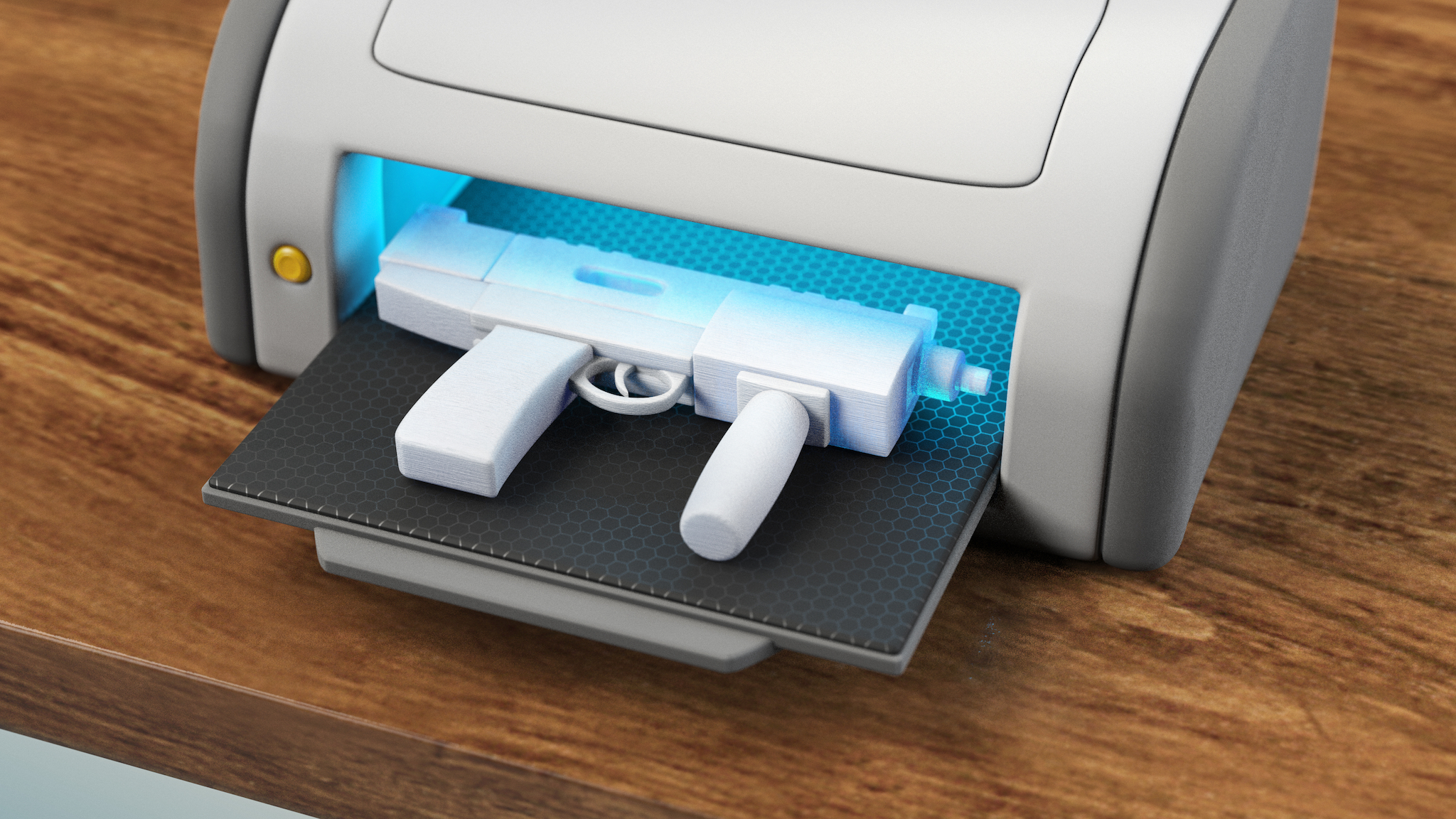
Furthermore, the secondary market for 3D printers in California could be effectively dismantled. If a printer model is dropped from the DOJ’s approved list, the owner may be legally prohibited from selling or transferring it, potentially leaving thousands of Californians with "illegal" hardware that they must dispose of or keep indefinitely.
Official Responses and the Path Forward
The office of Assembly Member Bauer-Kahan maintains that the bill is a measured response to an evolving crisis. They argue that the exemptions and the multi-year lead time for implementation are designed to give manufacturers ample space to innovate and comply without destroying the hobbyist market.
However, the opposition is equally firm. Industry leaders, including some of the largest desktop 3D printer manufacturers, have voiced concerns that the compliance costs—and the potential for litigation—might simply lead them to stop selling their products in California altogether. This "California Exodus" could isolate the state from the global 3D printing market, depriving residents of the latest, most advanced hardware.
As the bill moves to the Senate, all eyes are on whether lawmakers will amend the anti-circumvention clause or soften the enforcement mechanisms. For now, the debate over AB 2047 remains a high-stakes collision between the desire for public safety and the fundamental principles of the open-source movement.
The outcome of this legislation will undoubtedly set a national precedent. Whether other states follow California’s lead or view this as an overreach of digital regulation remains to be seen. What is certain is that the age of "unfettered printing" is coming to a close, and the battle over who controls the digital architecture of our physical world has only just begun.










No comments yet. Be the first to join the conversation!