Dwi Wanna
The "Soulslike" genre, once a niche offshoot defined primarily by FromSoftware’s cryptic design philosophy, has officially matured into a cornerstone of the modern gaming industry. Following the monumental success of Elden Ring and the subsequent critical acclaim of titles like Lies of P and Lords of the Fallen, the genre is no longer merely imitating the past—it is actively innovating. As we look toward the remainder of 2026, the horizon is crowded with titles that seek to push the boundaries of mechanical depth, narrative intimacy, and stylistic variety.
Whether through the integration of extraction-shooter mechanics, a return to realistic historical combat, or the evolution of high-speed action, the following ten titles represent the most anticipated and intriguing entries in the genre for the year.
The Evolution of the Genre: From Imitation to Innovation
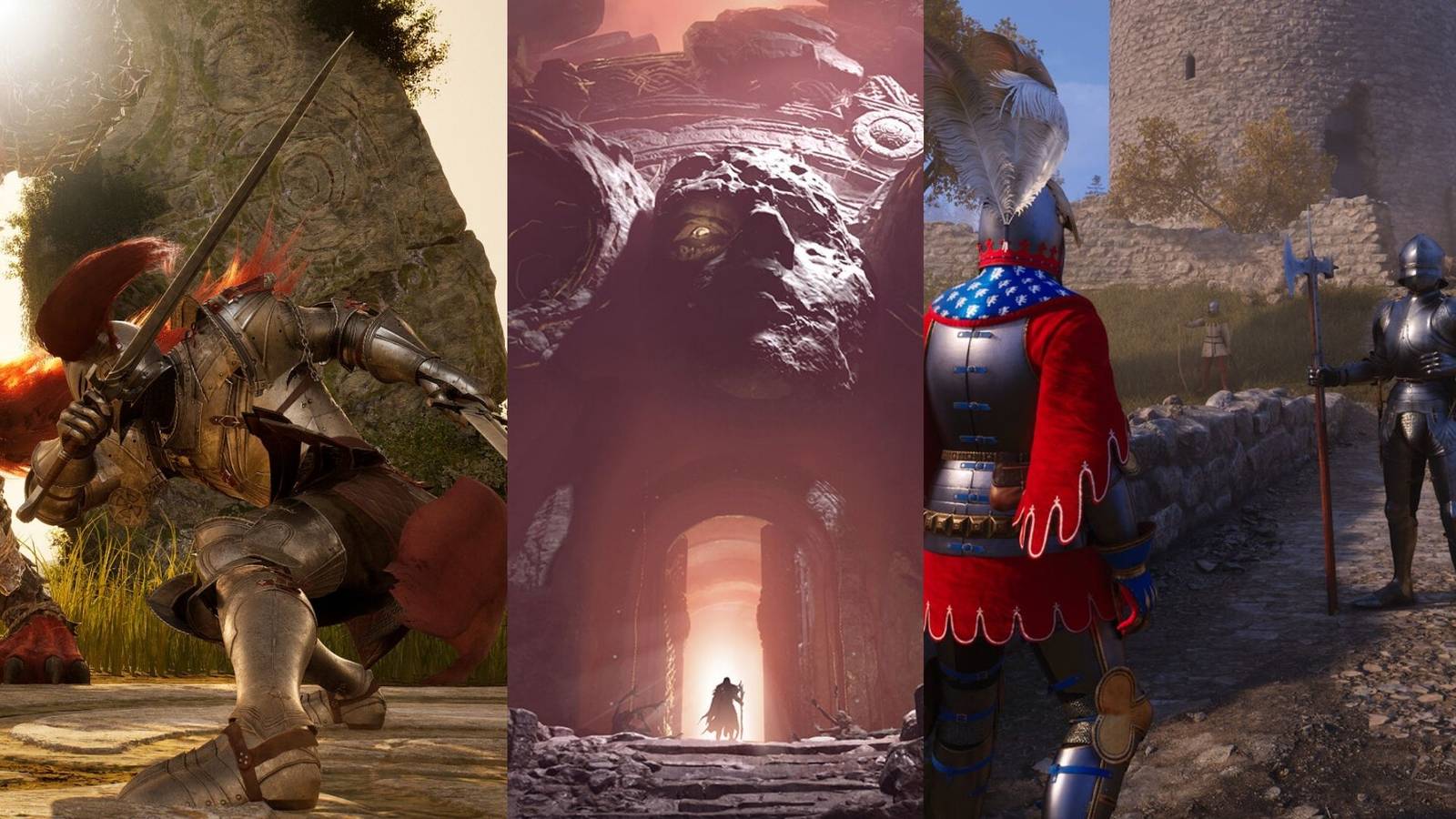
The current state of the Soulslike genre is defined by a shift away from the "copycat" era. Developers are now dissecting the core tenets of the genre—stamina management, environmental storytelling, and punishing difficulty—and grafting them onto disparate frameworks. We are seeing a trend toward "genre-mashing," where the methodical tension of a boss fight is paired with the high-stakes risk-reward loop of extraction games or the fast-paced, visceral choreography of character-action games.
For players, this means the term "Soulslike" is becoming an increasingly broad tent. It now encompasses everything from intimate, grounded narratives to sprawling, experimental multiplayer experiences.

1. Phantom Blade Zero: The New Benchmark for Speed
Phantom Blade Zero is arguably the most ambitious entry on this list. While traditional Soulslikes favor a deliberate, almost sluggish pace, Phantom Blade Zero prioritizes blinding speed and fluid, "wire-fu" inspired combat. Developed by S-Game, this title is set to launch on September 9, 2026. It challenges the conventions of the genre by moving away from the "weighty" feel of traditional souls combat in favor of high-octane, precision-based parrying and movement. It is a high-fidelity showcase of what Unreal Engine 5 can achieve, and it promises to be the definitive "fast" Soulslike of the year.
2. Mortal Shell II: A Refined Legacy
The original Mortal Shell was a cult favorite, praised for its unique "shell" mechanic that allowed for varied playstyles within a singular, grimdark world. With the sequel, the developers are moving toward a more expansive experience. Mortal Shell II aims to "rewrite the book" on the series, promising a significantly larger arsenal, the inclusion of ranged weaponry, and enemy-specific execution animations that add a layer of visceral satisfaction to every encounter. It represents the "glow-up" of an indie project into a potential AAA powerhouse.
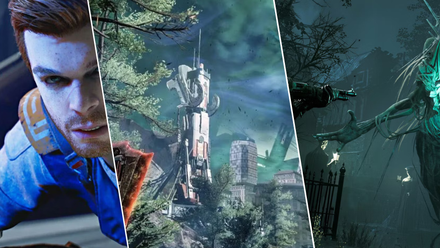
3. Fatekeeper: A First-Person Resurrection
Fatekeeper offers a fascinating departure from the third-person standard. Drawing inspiration from the cult classic Dark Messiah of Might and Magic, this first-person action RPG emphasizes environmental interaction and deep, physics-based combat. By blending the tactile, gory melee of old-school PC classics with the atmosphere of a modern Soulslike, Fatekeeper creates a desolate, immersive experience that feels distinct from anything else currently in development.
4. Forsaken Realms: Vahrin’s Call
Often described as a "sleeper pick," Forsaken Realms: Vahrin’s Call strikes a balance between the dark intensity of the genre and the vibrant, magical aesthetic of titles like Kingdoms of Amalur: Reckoning. It is a refreshing take on fantasy, moving away from the usual "dreary gray" color palette to offer something that feels both nostalgic and mechanically modern. It serves as a reminder that the genre can be beautiful and colorful without sacrificing its difficulty.

5. Onimusha: Way of the Sword
For many, Onimusha was the true progenitor of the genre, predating the Souls series with its focus on checkpoint-based progression and deliberate, block-and-dodge combat. Capcom’s return to this franchise is monumental. While initial trailers drew some criticism for a lighter, more comedic tone, the gameplay mechanics—centered on the RE Engine—promise to deliver a tight, respectful modernization of the classic formula. It is a return to the roots of the genre, handled by the masters who helped birth it.
6. Mistfall Hunter: The Extraction-Soulslike
Mistfall Hunter is the most experimental entry on this list. Releasing in March 2026, it introduces the high-stakes pressure of an extraction shooter into the framework of a Soulslike. With support for 1–3 players, it creates a PvPvE environment that forces players to balance their exploration against the threat of other human players. It is a bold attempt to answer the question of how a Souls-inspired game can work in a multiplayer-centric ecosystem.
7. Vindictus: Defying Fate
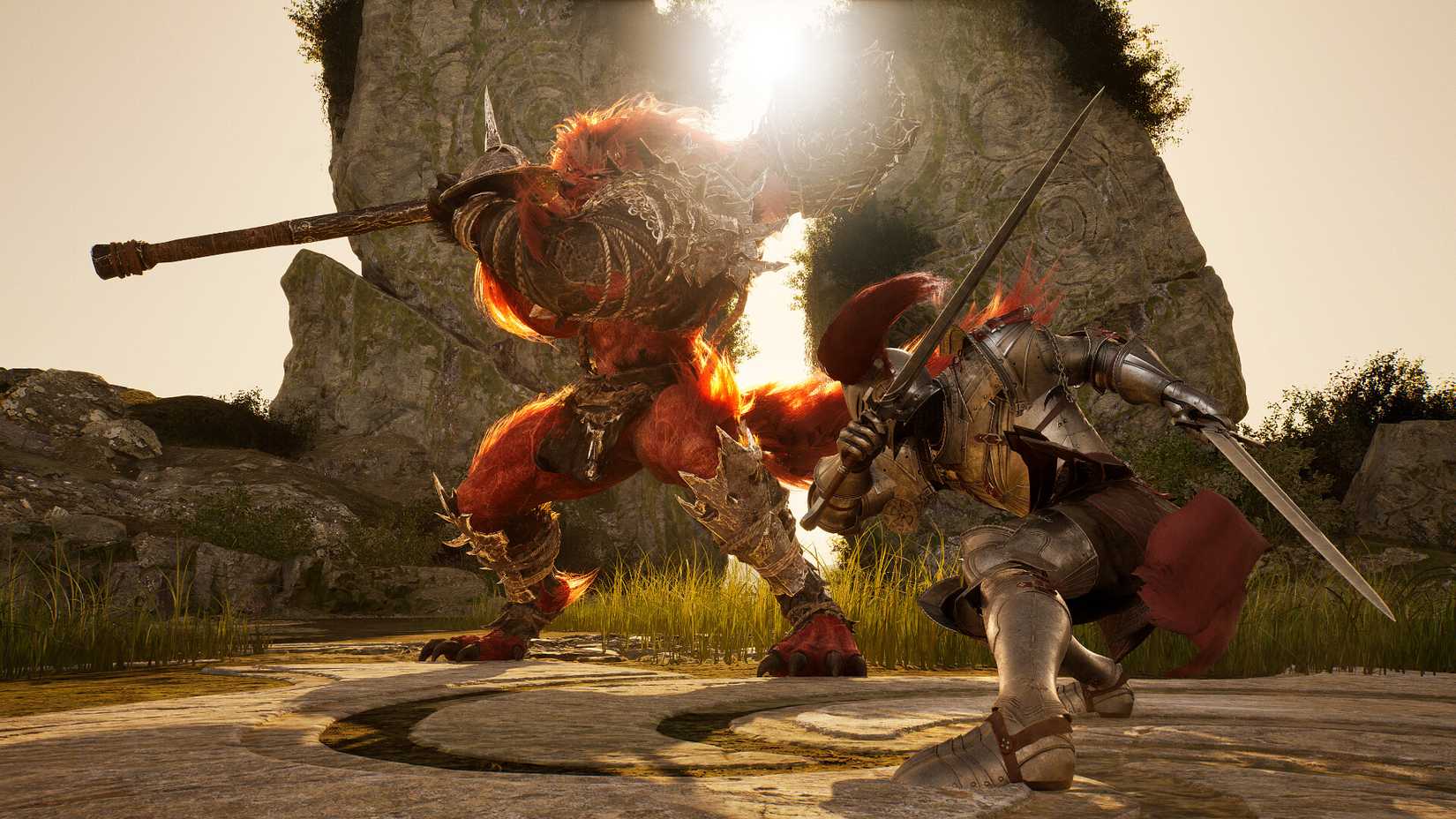
The Vindictus series has always been known for its responsive, high-impact combat. Defying Fate represents a massive graphical and mechanical leap, utilizing modern lighting and effects to modernize the franchise’s legacy. By implementing Sekiro-style parry mechanics, the game demands absolute precision. Its mission-based structure, which encourages co-op play, provides a "drop-in" feel that differentiates it from the lonely, desolate nature of traditional Soulslikes.
8. Knight’s Path
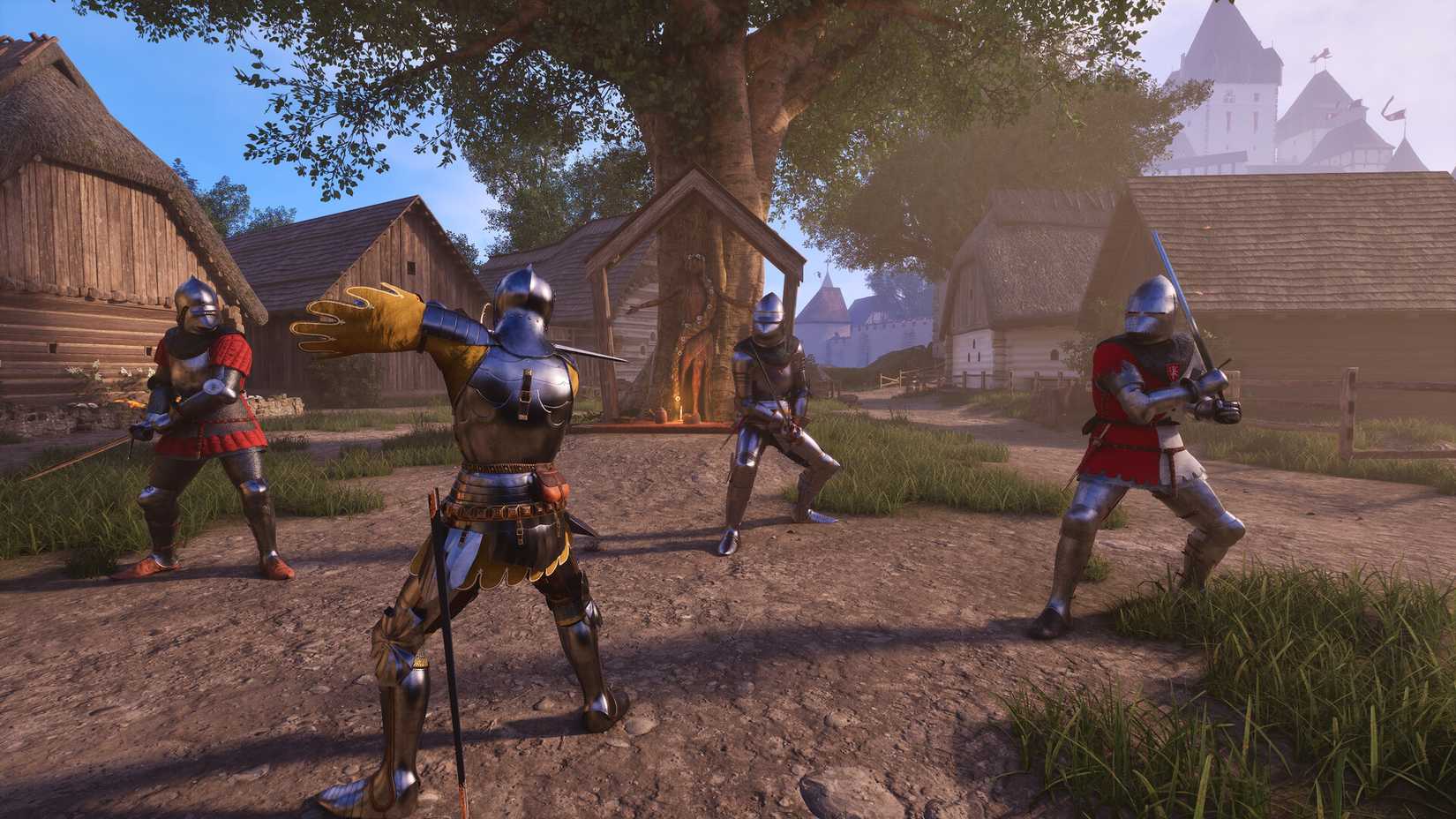
Knight’s Path is a grounded, hyper-realistic take on the genre. In an era of high fantasy and magical abilities, Knight’s Path focuses on the harsh, brutal realities of medieval combat. The developers have aimed to create a simulator-like experience where parries, blocks, and stamina management are not just game mechanics but reflections of historical swordplay. It is a gritty, no-nonsense title for players who want their challenge to feel authentic.
9. Vapor World
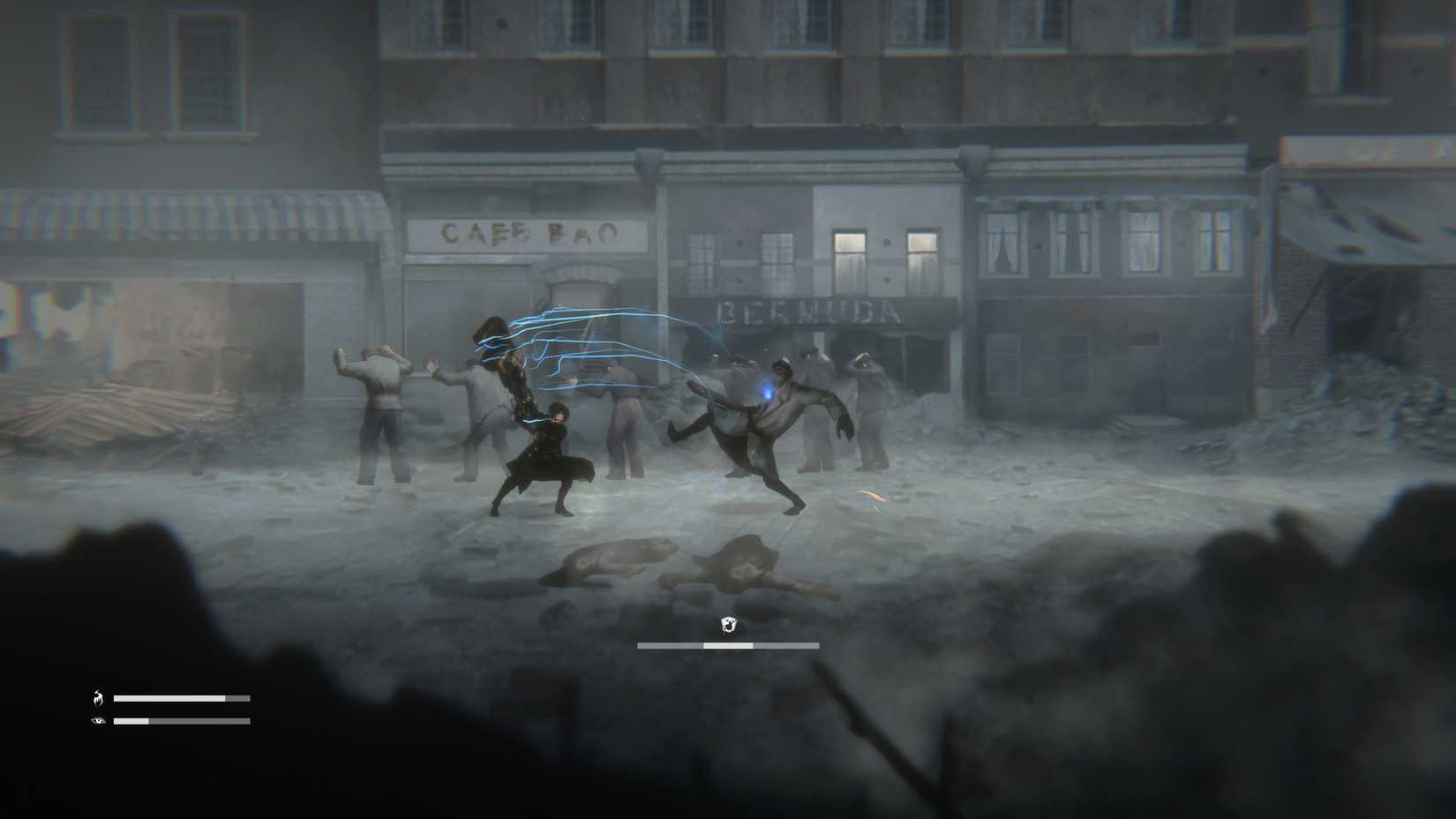
With its striking side-scrolling perspective, Vapor World brings a steampunk-sci-fi aesthetic to the genre. Reminiscent of Lies of P in its thematic focus on puppets and existential dread, the game excels in its atmospheric world-building. While it faces the challenge of carving out an identity in a crowded market, its art direction and solid, parry-focused combat make it a title that demands attention from any fan of 2D action games.
10. The Vernyhorn
The Vernyhorn is an intriguing, intimate action-adventure title that eschews the typical "world-ending" stakes of the genre in favor of a smaller, more grounded story. By working with real-world swordsmen to consult on combat animations, the developers have achieved a level of visual authenticity that is rare. It is a project that focuses on the "soul" of the combat, promising an experience that feels less like a generic imitation and more like a carefully crafted labor of love.
Implications for the Future of the Genre
The sheer variety of these titles signals a healthy, evolving industry. We are moving toward a period where the "Soulslike" tag is no longer a cage, but a set of tools.
Key Market Trends:
- Mechanical Specialization: Games like Phantom Blade Zero and Knight’s Path show that developers are specializing in specific "types" of Soulslikes—one prioritizing extreme speed, the other extreme realism.
- Narrative Intimacy: As the market becomes saturated with "save the world" epics, smaller projects like The Vernyhorn are finding success by telling more focused, personal stories.
- Technological Integration: The adoption of Unreal Engine 5 and the RE Engine is raising the visual floor, ensuring that even indie-developed Soulslikes meet the high production standards set by AAA studios.
Official Developer Sentiment
In recent interviews, the creative directors behind these titles have emphasized a common theme: the goal is not to "beat" FromSoftware at their own game, but to expand the vocabulary of the genre. Whether through the inclusion of co-op elements or the adoption of extraction mechanics, the industry is clearly looking to bring more players into the fold by making the "tough but fair" experience more accessible and varied.
Conclusion
As 2026 progresses, the gaming community stands on the precipice of a new era. The titles mentioned above are not just "more of the same"; they are testaments to the versatility of a genre that has captured the collective imagination of the gaming world. From the blistering speed of Phantom Blade Zero to the historical depth of Knight’s Path, this year will undoubtedly be remembered as the moment the Soulslike genre truly found its own distinct identity. For the "Git Gud" crowd, the year 2026 isn’t just about difficulty—it’s about the sheer variety of ways we can challenge ourselves.

 Suro Senen
 Basiran