Basiran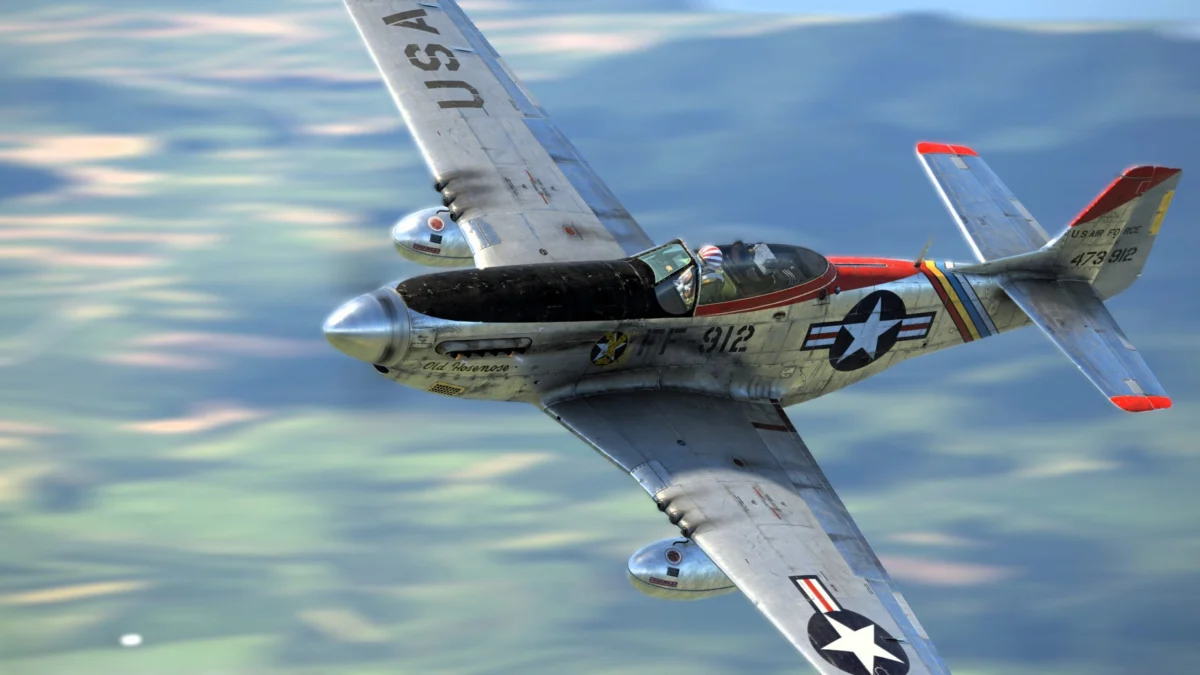
In a year where the Korean Peninsula has dominated the cultural zeitgeist—from the global reach of K-pop to the persistent presence of South Korean cinema and technology—the gaming industry is shifting its focus toward the historical theater that defined the modern geopolitical landscape. As the 76th anniversary of the Korean War approaches, flight simulation enthusiasts are bracing for a landmark release that promises to bridge the gap between historical accuracy and technical immersion.
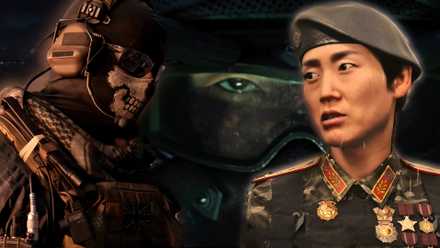
1CGS has officially announced that Il-2 Korea will enter early access on June 25, 2026. This strategic release date is a somber nod to the exact day in 1950 when hostilities commenced, marking the moment North Korean forces crossed the 38th parallel. This launch positions Il-2 Korea as a direct, albeit vastly different, counterpart to the much-anticipated Call of Duty: Modern Warfare 4, which is slated for an October release and explores a fictional, contemporary iteration of the conflict.
The Convergence of History and Simulation
For those who find the fast-paced, high-tech nature of modern air combat—often characterized by long-range BVR (Beyond Visual Range) engagements and sophisticated missile systems—to be overly clinical, Il-2 Korea offers a return to the "knuckle-duster" era of aviation. The transition from the piston-engine superiority of World War II to the dawn of the jet age provides a unique mechanical dichotomy that developers are eager to exploit.
The game is set to launch with an expansive, 200,000km² theater of operations, capturing the rugged, mountainous terrain of the peninsula that proved so challenging for pilots during the early 1950s. By entering early access, the developers are signaling a commitment to community feedback, with a robust roadmap already in place that includes the introduction of naval aviation and carrier operations in Q3 2026.

Chronology of the Conflict: A Technical Perspective
The Korean War represents one of the most volatile periods in aviation history. Within the span of just three years, air combat technology accelerated at an unprecedented rate. Il-2 Korea aims to capture this evolution through a carefully curated hangar of iconic aircraft, each representing a specific tactical niche of the era.
The Jet Age Pioneers
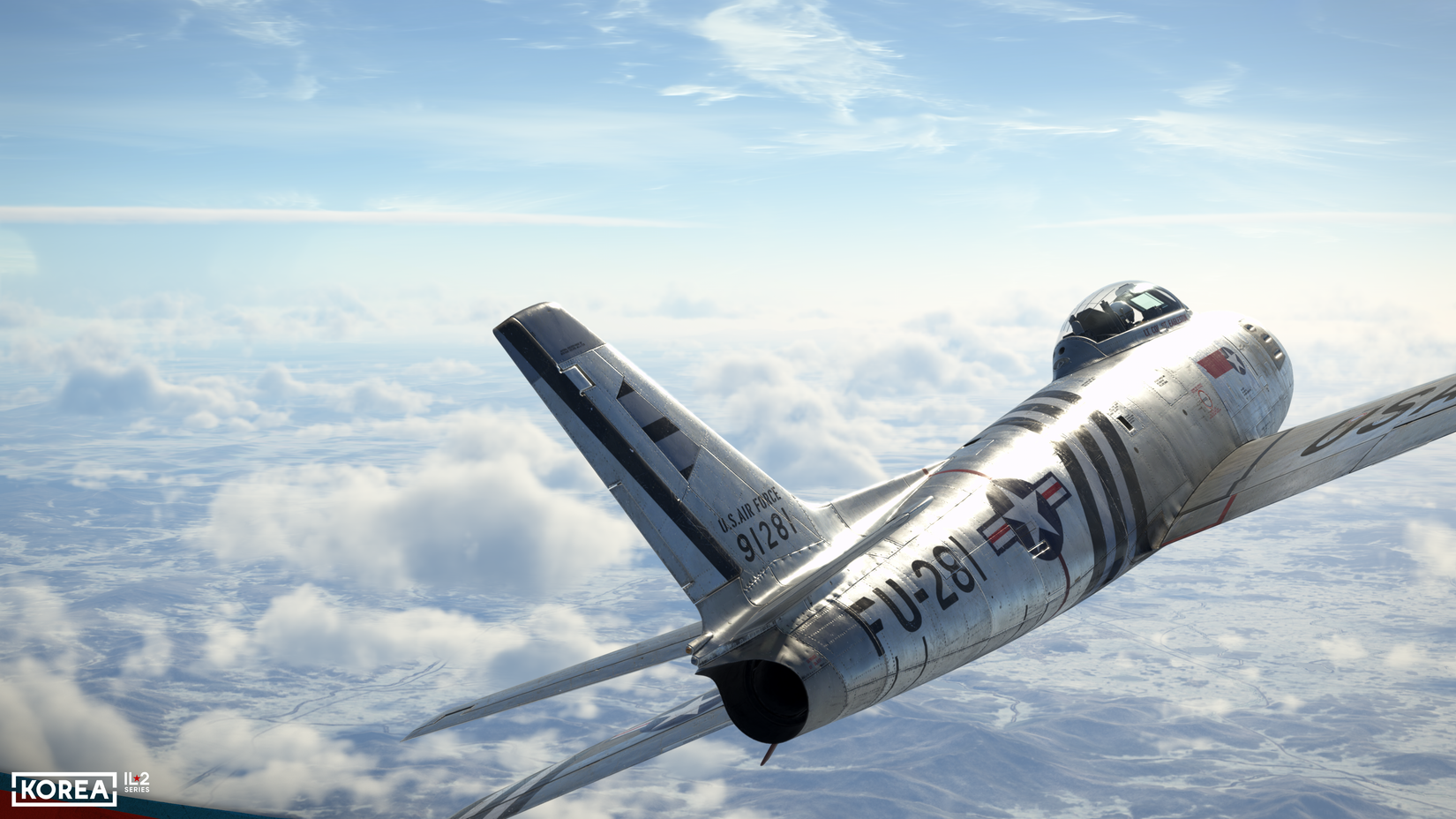
At the forefront of the air-to-air combat experience is the F-86A-5 Sabre. Introduced in 1949, the Sabre serves as the American answer to the jet-powered threat. While it famously struggled with acceleration compared to its primary adversary, its superior maneuverability and visibility made it the preferred mount for many pilots.
Opposing the Sabre is the MiG-15bis, a machine that effectively changed the tactical doctrine of the entire United Nations Air Force. Its introduction in late 1950 forced American bomber wings to abandon daylight sorties in favor of dangerous night operations. While the MiG-15bis boasts terrifying acceleration and high-altitude capabilities, its propensity for stability issues during high-speed dives provides a nuanced flight model for players to master.
The Ground Attack Workhorses
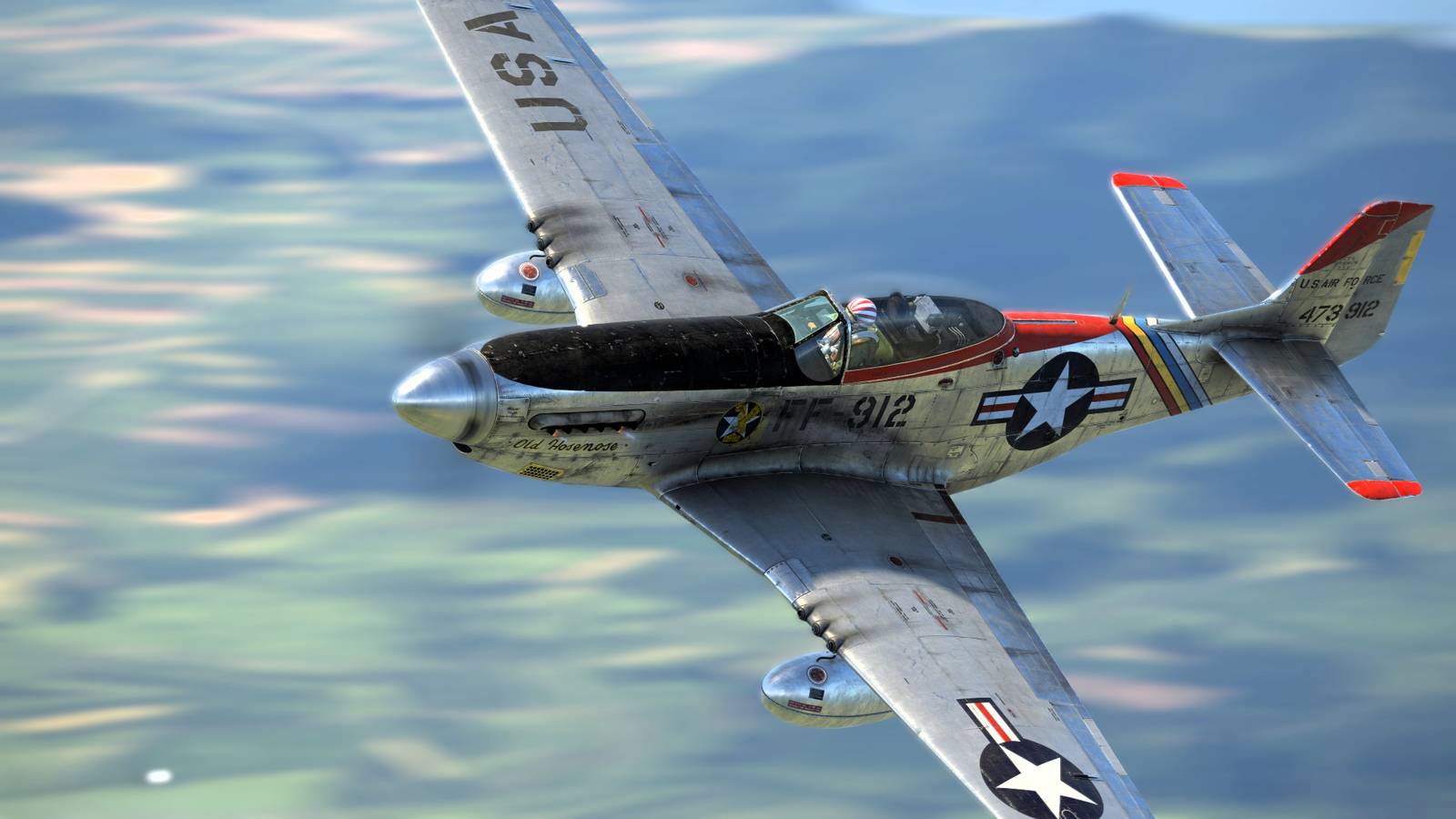
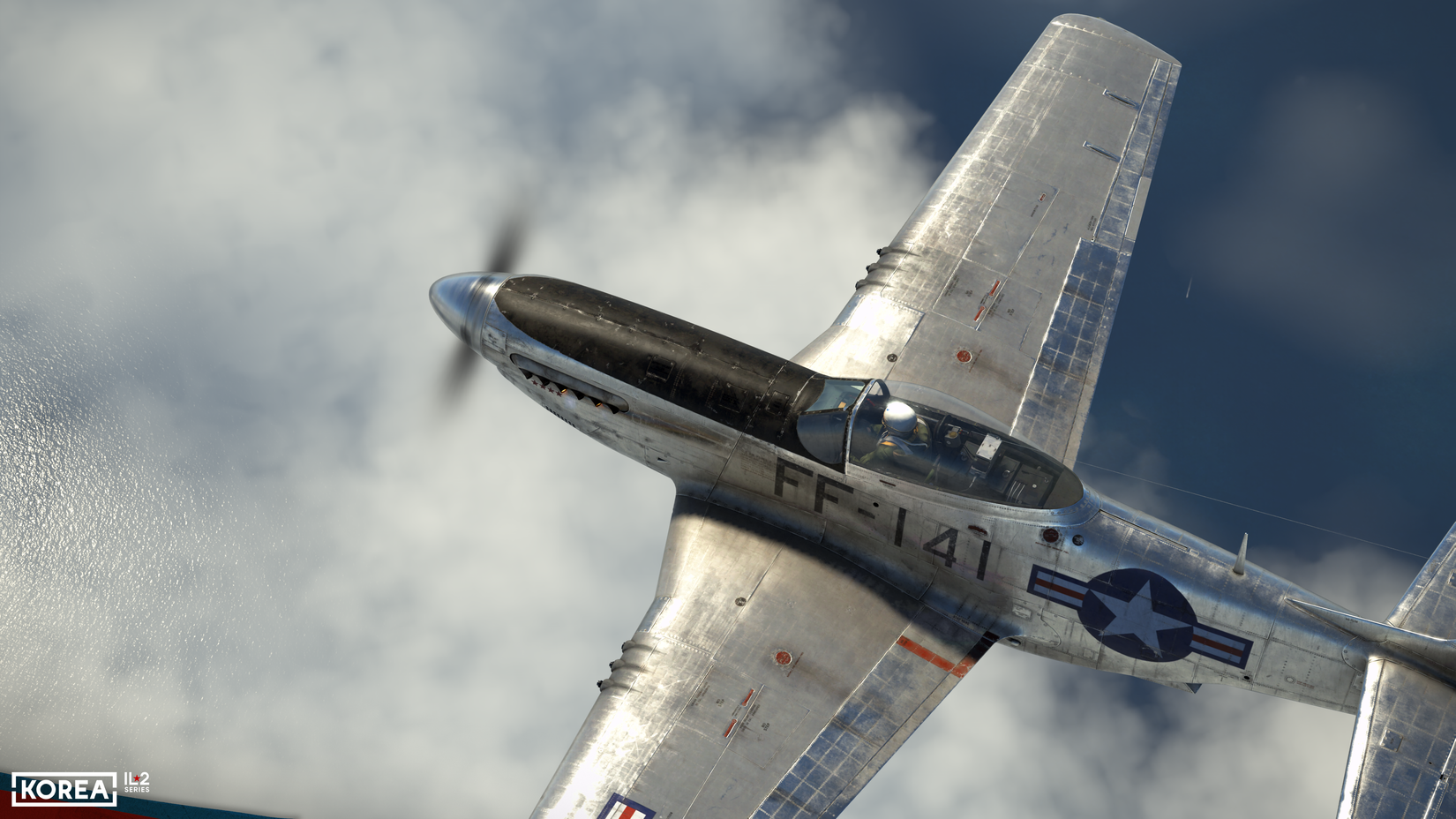
The game does not neglect the "mud-movers" who bore the brunt of the tactical ground war. The F-51D Mustang, a legendary veteran of the European theater, found a second life as a ground-attack specialist in Korea. Although it lacked the armor and durability of dedicated attack platforms, its range and payload capacity made it indispensable for missions deep behind enemy lines.
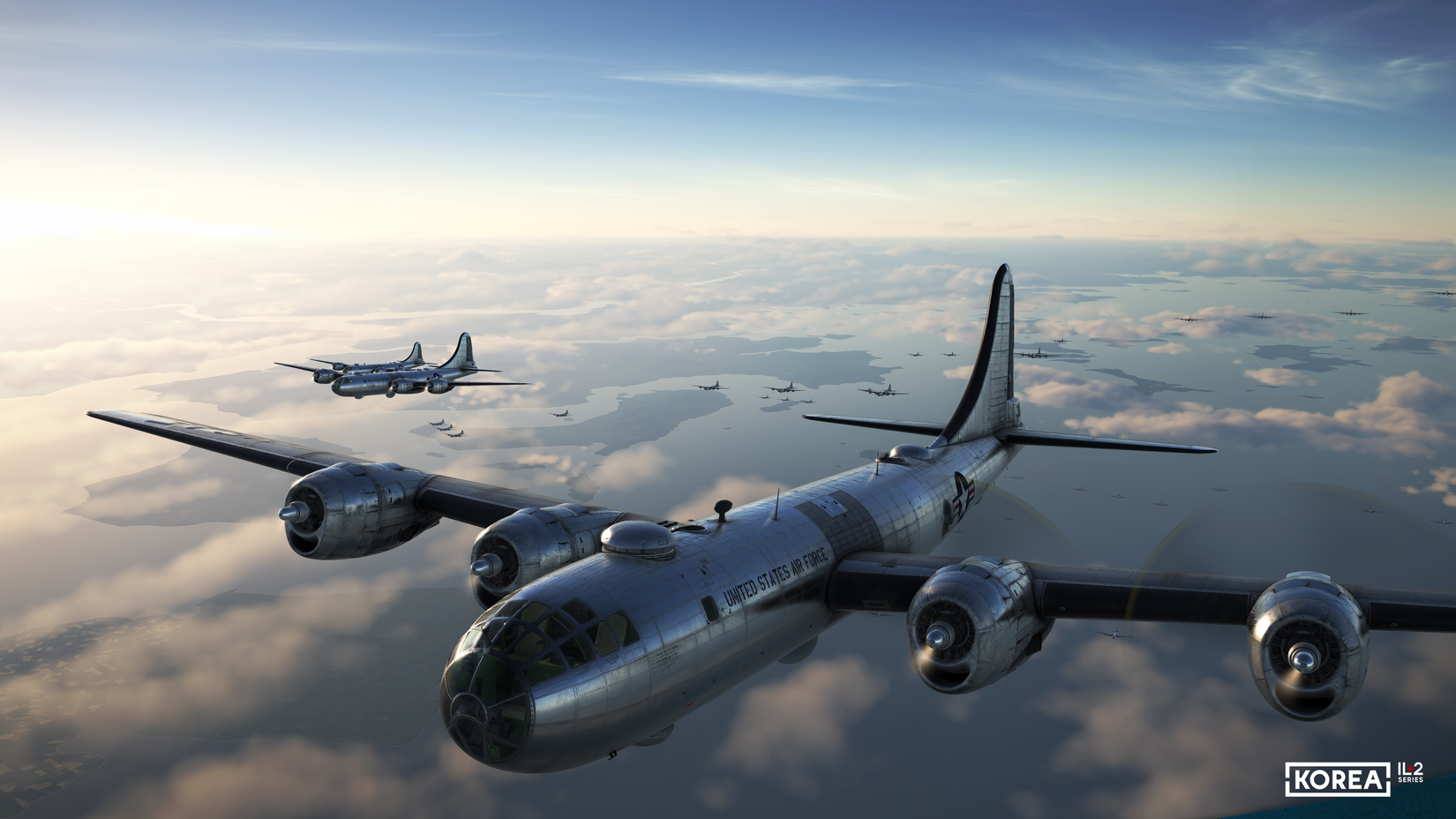
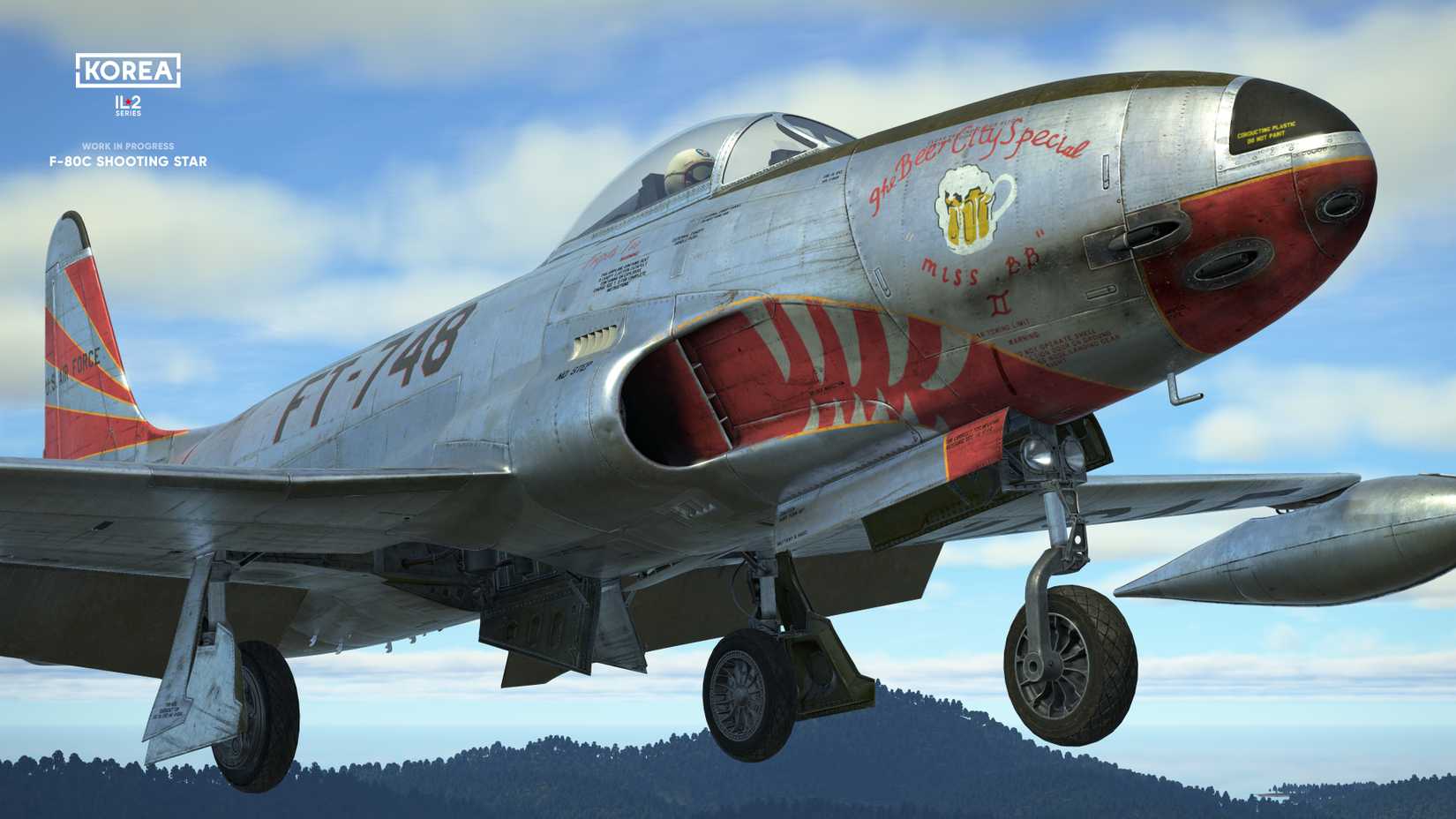
Similarly, the F-80C-10 Shooting Star represents the transition from prop to jet for ground-attack missions. While technically obsolete as a high-altitude interceptor by the time the war reached its height, its speed allowed it to evade anti-aircraft fire more effectively than its piston-powered counterparts. The F-84E Thunderjet, noted for its ruggedness, rounds out the US roster, serving as a spiritual successor to the P-47 Thunderbolt with its massive payload potential.
The Soviet-Block Support
On the opposing side, the Il-10—the successor to the venerable Sturmovik—remains a fascinating inclusion. Though largely obsolete by the time it saw action in Korea, it provides a challenging experience for players looking to reenact the desperate, early-war ground offensives. The Yak-9P serves as a lightweight, agile interceptor that balances the odds against F-51s, while the La-11 provides a specialized role as a night fighter, tasked with the difficult job of intercepting heavy bombers in low-visibility conditions.
Supporting Data and Technical Architecture
The technical ambition of Il-2 Korea is evidenced by the scale of its map and the complexity of its damage modeling. Following the legacy of the 1CGS development team, the simulation prioritizes aerodynamic accuracy and systems-level fidelity.
The inclusion of a "Founders Edition" for specific aircraft, such as the F-84E and the La-11, suggests a tier-based content model that encourages early adoption. Furthermore, the decision to launch in early access is not merely a financial strategy but a functional requirement for balancing the diverse performance characteristics of these early-generation jets. Data logs from the alpha testing phases indicate that the disparity between the MiG-15bis’s climb rate and the Sabre’s turn radius will be the defining factor in competitive multiplayer dogfights, requiring players to rely on historical energy-fighting techniques rather than modern "fire-and-forget" technology.
Official Stance and Developer Vision
The development team at 1CGS has maintained that Il-2 Korea is designed as a "living history" project. By choosing to launch on the 76th anniversary, they are explicitly courting history buffs and flight simulation purists.
"The Korean conflict is a forgotten war in the eyes of many, yet it was the crucible where modern air combat was forged," a representative from the studio stated. "We wanted to ensure that the user experience isn’t just about the combat, but about the atmosphere of the era—the uncertainty, the rapid evolution of technology, and the sheer difficulty of operating over the Korean landscape."
The developers have also emphasized that the early access period will be heavily focused on fine-tuning the flight models for the jet-era aircraft, which represent a significant technical departure from the WWII-era flight models currently prevalent in the Il-2 ecosystem.
Implications for the Simulation Market
The release of Il-2 Korea has significant implications for the wider simulation market. As titles like DCS World continue to push the boundaries of hyper-realism, Il-2 Korea provides a more accessible, narrative-driven alternative. It serves as a middle ground: offering the deep simulation mechanics that enthusiasts demand, while providing the focused scope of a specific historical conflict that prevents the "feature creep" often found in massive, all-encompassing sims.
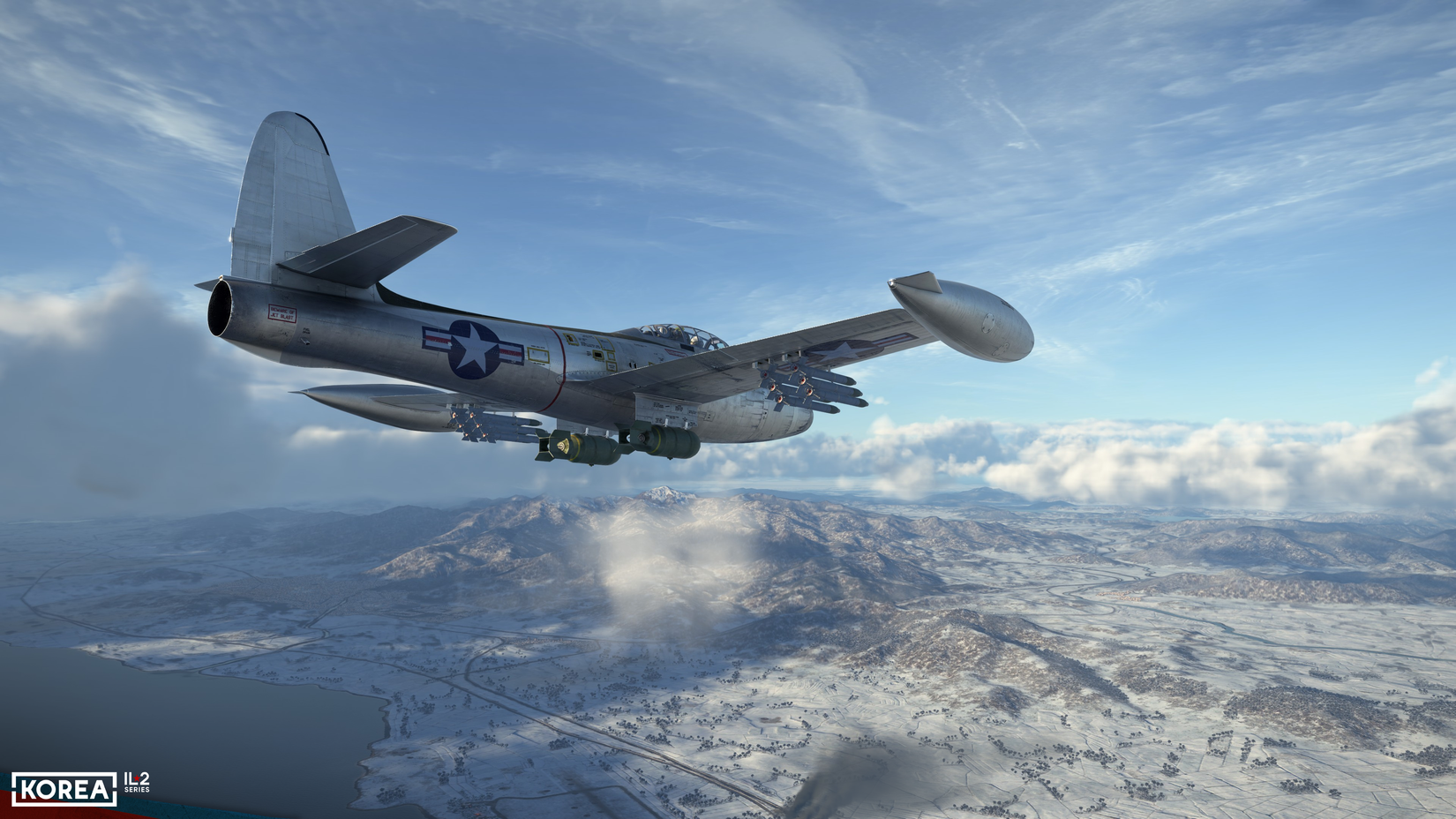
Furthermore, the simultaneous existence of Il-2 Korea and the upcoming Modern Warfare 4 highlights a growing interest in the Korean Peninsula as a narrative setting. While Modern Warfare 4 will likely focus on the high-octane, cinematic potential of a fictionalized conflict, Il-2 Korea offers the educational and visceral experience of the actual historical event.
For the aviation community, the next few months will be a period of intense scrutiny. The simulation community is notoriously exacting, and the success of Il-2 Korea will depend largely on whether the flight models for the early jets can live up to the high standards set by the studio’s previous work. If the teaser footage is any indication, the fidelity of the cockpit interiors and the atmospheric lighting of the Korean skies suggest that the developers are on the right track to capturing the grit and intensity of one of the 20th century’s most defining conflicts.
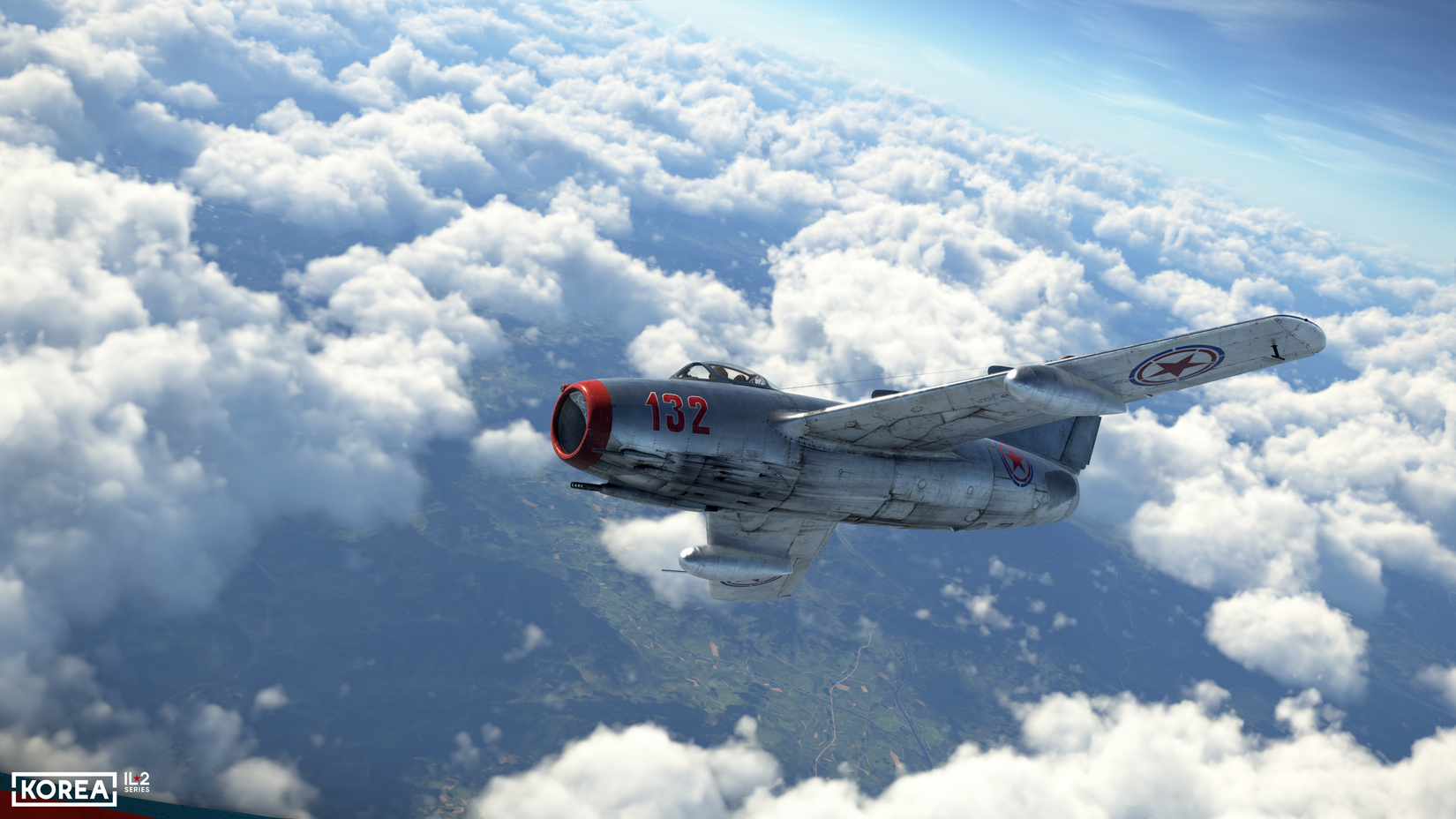
As we move toward the June 25th launch date, the industry will be watching closely to see if Il-2 Korea can successfully carve out a niche in a market increasingly dominated by modern-era combat games. With its historical gravity, technical depth, and a clear roadmap for future expansion, it is poised to be a landmark title for flight simulation in 2026.


 Lina Irawan
 Sagoh
Sagoh