

The fourth episode of the current season of The Vampire Lestat serves as a masterclass in narrative instability. As the series continues to adapt Anne Rice’s seminal work, it forces the audience to confront the most uncomfortable question of the season: How much of what we are witnessing is objective reality, and how much is merely the fractured, self-serving projection of an immortal rock star spiraling into his own legend?
In this installment, the narrative threads—the high-octane rock tour, the haunting memories of 19th-century France, and the contemporary melancholy of Louis de Pointe du Lac—collide with a violence that leaves the viewer both exhilarated and deeply unsettled.
The Architecture of an Omniscient Delusion
At the heart of this season’s storytelling is Lestat’s “omniscient diary.” It is a narrative device that feels increasingly dangerous. We are not watching a documentary; we are watching a performance. The timing of this recorded history is telling; it does not begin with the tour, nor the discovery of Daniel Molloy’s exposé. It begins with the arrival of Gabriella.
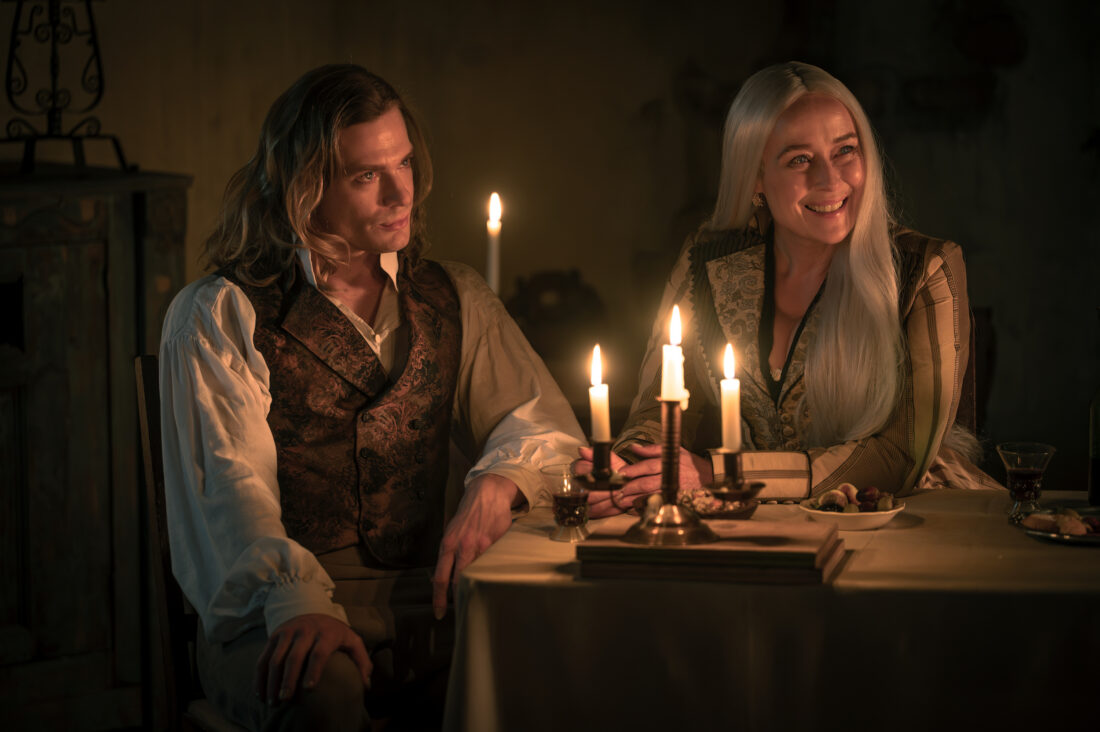
Gabriella, portrayed with a chilling, slippery ambiguity by Jennifer Ehle, is the catalyst for Lestat’s dissolution. Whether she is a cold, manipulative architect of Lestat’s trauma or merely a mirror reflecting his own deep-seated abandonment issues remains the show’s most compelling mystery. To Lestat, she is everything: mother, lover, tormentor, and the primary source of the “original wound” that defines his existence. When she speaks of “creating Dante’s hell on earth,” it feels less like a grand apocalyptic vision and more like the tiresome vanity of an immortal who has forgotten how to relate to the human world she once inhabited.
Chronology of Chaos: A Multi-Threaded Narrative
The episode expertly pivots between three distinct temporal and spatial realities, each reflecting the internal decay of its respective protagonist.
1. The Tour Bus and the Stage
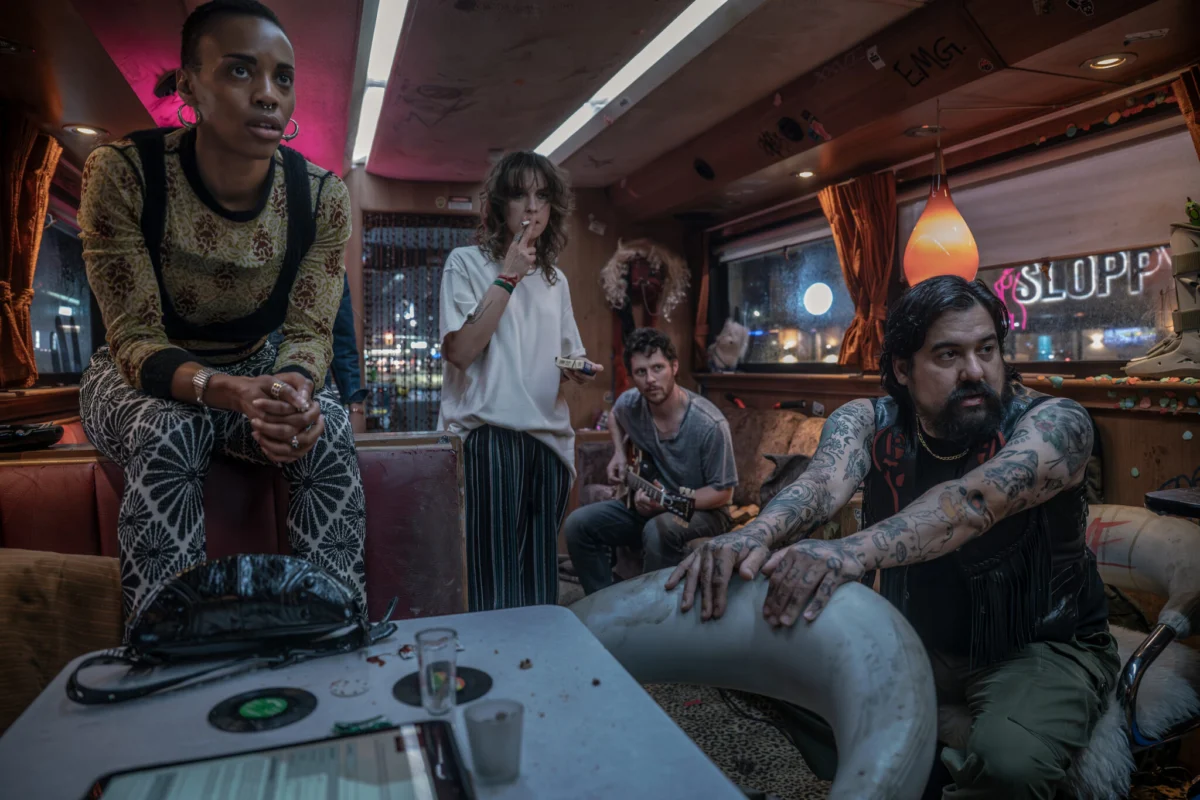
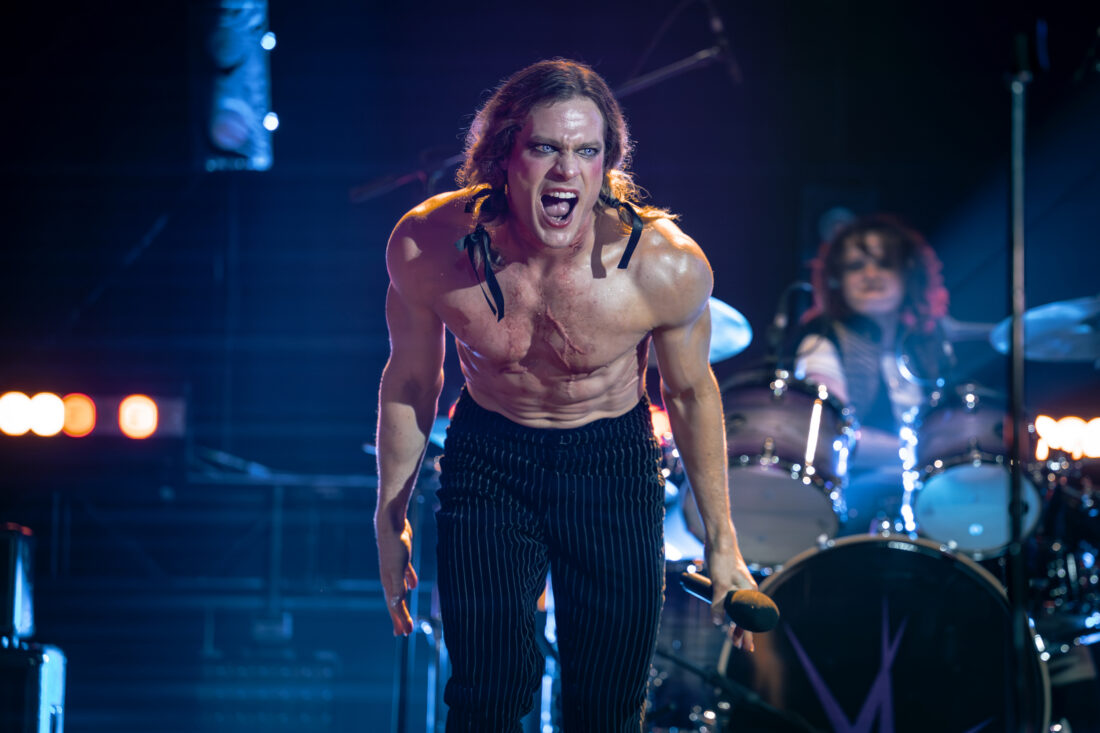
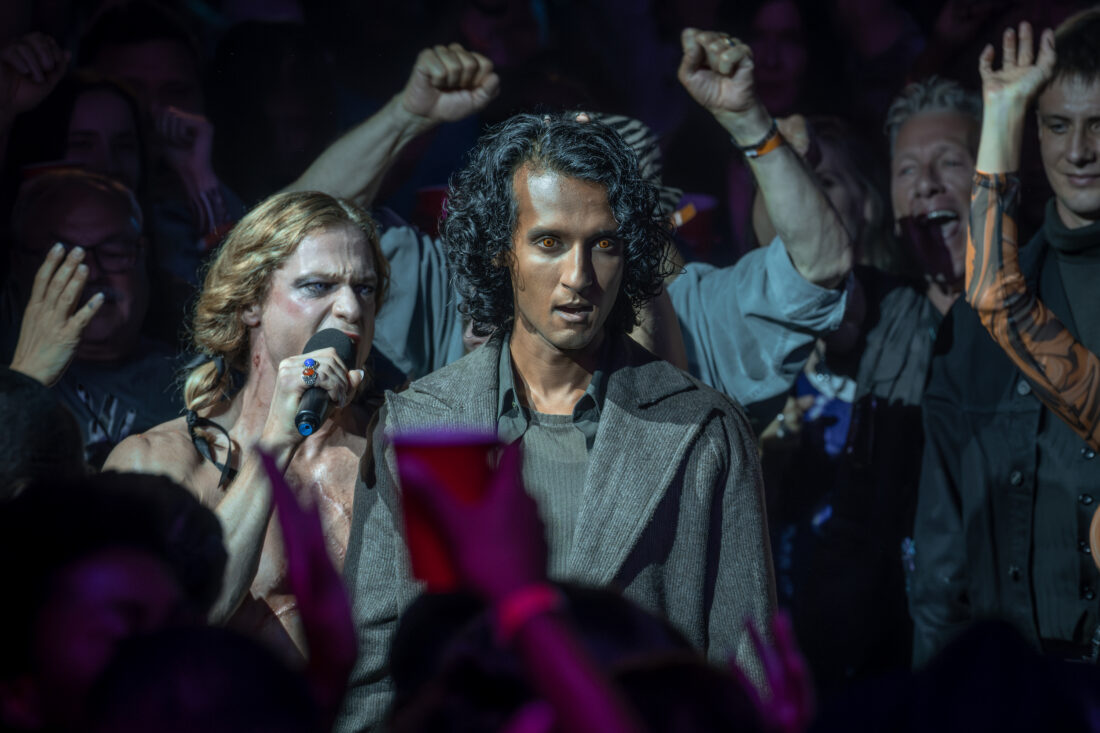
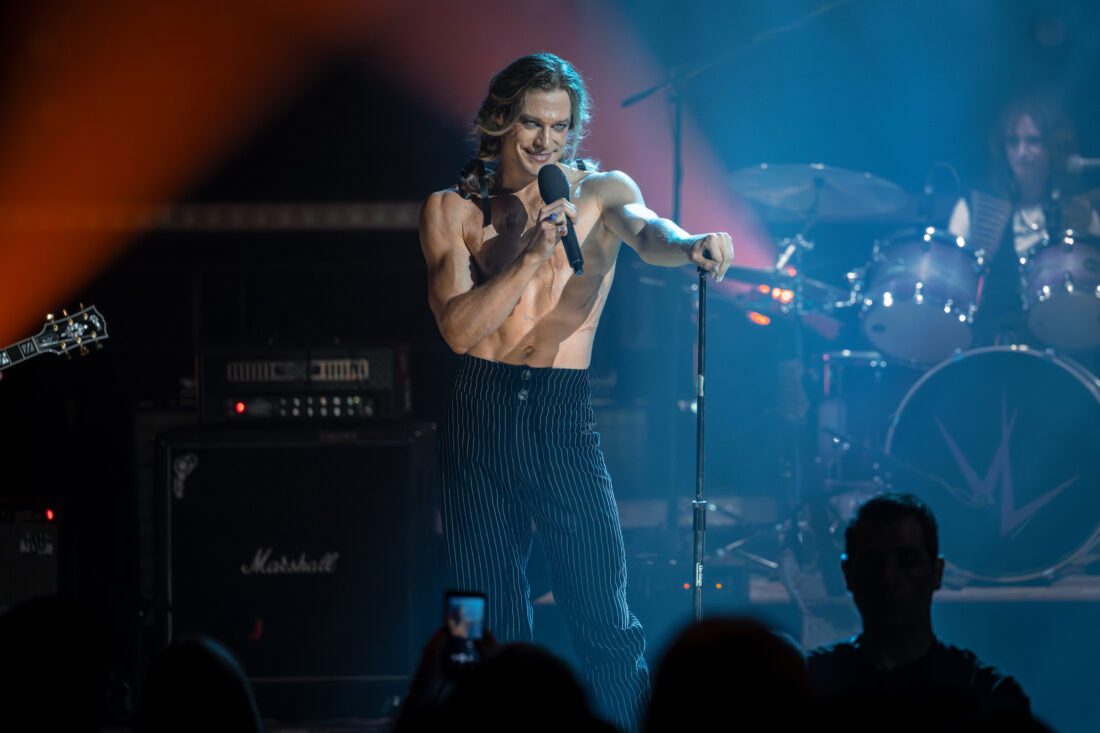
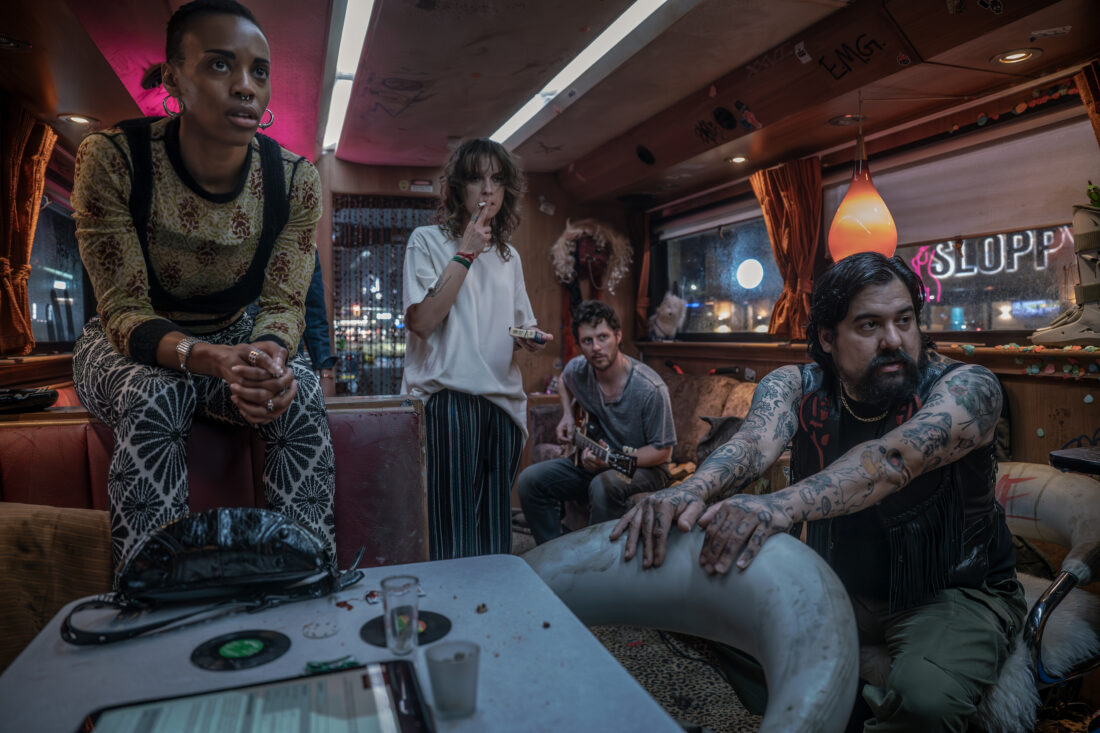
Lestat’s concert tour has become a theater of the absurd. The scenes on the bus—ranging from the casual desecration of a police officer’s dignity with a cocaine-makeup brush to the tense, electric power struggle with Armand—paint a portrait of a man holding on by a thread. The concert sequences are visually and sonically arresting, with Sam Reid delivering a performance that oscillates between the arrogance of a rock god and the vulnerability of a wounded, lonely child.
2. The Italian Inn (Flashbacks)
The visual motifs of the beach and the inn in 19th-century Italy serve as the emotional anchor for Lestat’s trauma. These scenes, played with visceral intensity by Reid and Ehle, reveal a cycle of dependency that has spanned centuries. Gabriella’s presence is a siren song that pulls Lestat away from his present duties and into the dark waters of his past.
3. The Diner and the "Not-Claudia"
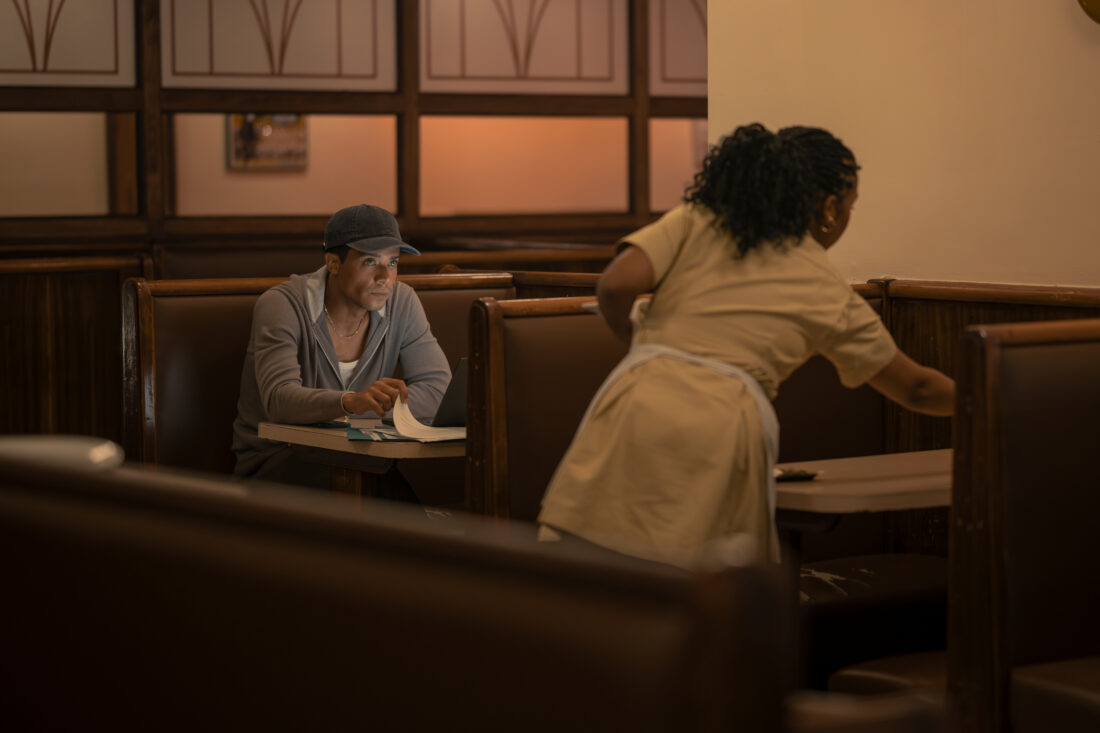
Perhaps the most devastating thread belongs to Louis. In a desperate attempt to find peace—or perhaps to manufacture it—Louis occupies his time in a diner, observing a young woman named Regina. His desire to connect, to fill the void left by Claudia, is presented with a heartbreaking clarity. Yet, as Louis projects his needs onto this stranger, the audience is left to wonder: Is this an attempt at healing, or is Louis simply paying for a performance of domesticity to keep his own demons at bay?
Supporting Data: The Dynamics of Power and Recovery
The interactions between the characters this week provide a fascinating look at how these vampires navigate their own existence.
- Armand’s "Amends": Assad Zaman’s portrayal of Armand is a revelation. His use of recovery language and the "Twelve Step" process feels both genuinely desperate and performatively suspicious. Does he seek redemption, or is he simply "borrowing" the language of human growth to secure his grip on Lestat? His ability to shift from fragility to absolute ferocity in a heartbeat is the episode’s most terrifying trait.
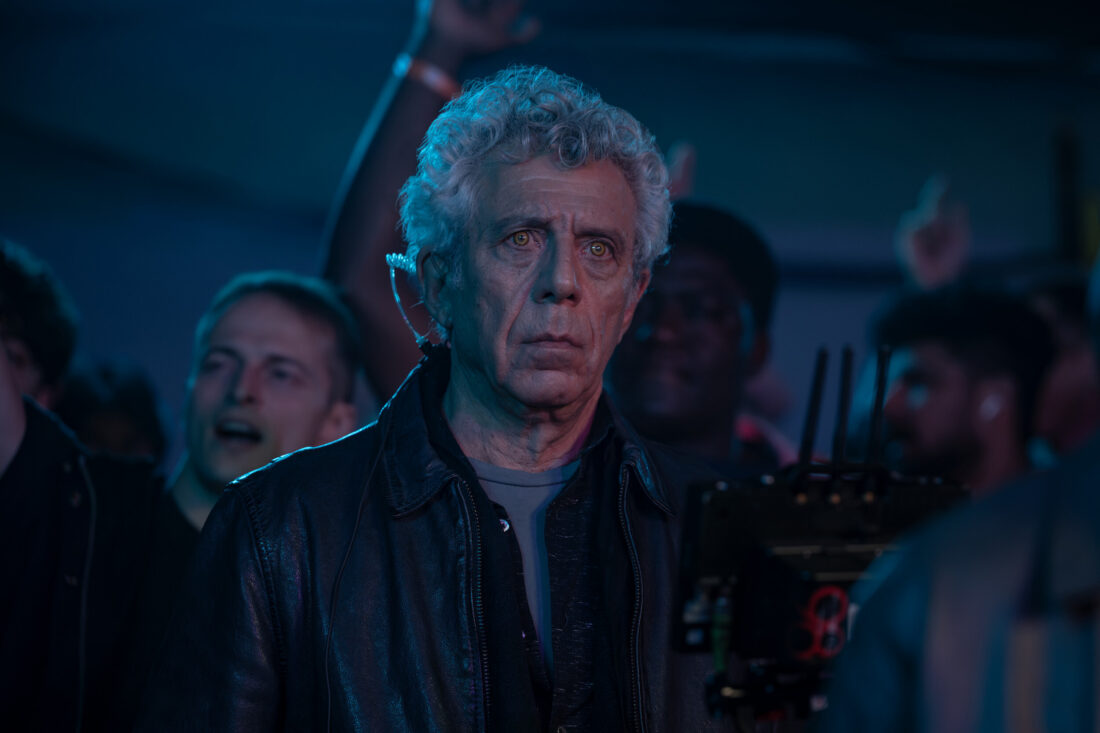
- The Daniel Molloy Factor: Eric Bogosian’s performance as the aging, antagonistic journalist is the grounding force of the show. His scenes with Armand are explosive, highlighting the deep-seated trauma that defines their relationship. When Daniel turns his "professionally antagonistic" personality up to eleven, it is not just for show; it is the manifestation of a man who has been dismantled by the very beings he seeks to expose.
- The Band’s Complicity: The members of the band—Dee, TC, Larry, and Salamander—serve as the human (or at least, the non-vampiric) barometer for the show. Their bewilderment at Lestat’s behavior highlights the absurdity of the vampire lifestyle. They are professional musicians trapped in the orbit of an entity who views the world as a stage for his own psychodrama.
Official Perspectives: The "Great Conversion"
The mentions of the "Great Conversion" continue to loom over the narrative like a shroud. The show expertly handles the hunger of its vampires—a subtle nod to the "Happy Meals with legs" philosophy popularized by other genre staples—while maintaining the sophisticated, melancholic tone that defines the Vampire Chronicles adaptation.
The "would-be murderer’s manifesto" mentioned in the episode serves as a chilling reminder that, despite their beauty and power, these creatures are inherently destructive. The tension between their need for human connection and their biological imperative to consume humanity is the show’s central, unresolved conflict.
Implications: The Fracturing of Truth
The most significant implication of this episode is the total erosion of the audience’s trust in the narrator. When the score swells during a moment of supposed intimacy between Louis and Regina—a score identical to the one used during Lestat’s most manipulative exchanges with his mother—it acts as a meta-textual warning.
We are being told a story. And as Lestat admits, he is the one licensing and franchising the night. If the events we are witnessing are merely the products of Lestat’s imagination or selective memory, then the entire foundation of the show is built on sand.
The Question of Agency
Is Gabriella a person, or is she just a piece of scenery in Lestat’s mind? The fact that she feels "one-note" may be the most brilliant creative choice of the season. If Lestat is incapable of seeing his mother as a full, autonomous human being, then the show is succeeding in its goal of portraying the stunted, narcissistic emotional development of its protagonist.
The Looming Climax
As the episode concludes, we see the band in the studio, the immediate threat of the assassination attempt having passed. Yet, the sense of dread remains. Will there be a grand, final concert that serves as the swan song for this version of the Vampire Lestat? The show’s commitment to showing "people containing multitudes"—the rock star, the victim, the monster, the lover—suggests that the end will not be a simple resolution, but a total, inevitable collapse of these carefully constructed identities.
Final Analysis
This episode of The Vampire Lestat is a harrowing exploration of how we construct our own histories to survive our trauma. By forcing us to view the world through the eyes of an unreliable, heartbroken, and deeply disturbed immortal, the show transcends the typical vampire genre. It becomes something far more human: a meditation on the ghosts we carry, the lies we tell ourselves to keep them at bay, and the terrifying realization that, no matter how much time we are given, we are all just children looking for our mothers in the dark.










