In the rapidly expanding landscape of DC’s “Absolute Universe,” few titles arrived with as much anticipation as Absolute Catwoman. Following a buzzworthy panel at New York Comic Con and the collective creative pedigree of Che Grayson and Scott Snyder, the series promised a radical reimagining of Selina Kyle. However, as the second issue hits the stands, the series finds itself at a crossroads—balancing a compelling, high-stakes premise against a dense, often suffocating layer of technical exposition. While the visual aesthetic remains a triumph of modern comic art, the narrative momentum is currently fighting a losing battle against its own internal mechanics.
The Core Conflict: A New Breed of Selina Kyle
The Absolute imprint was designed to tear down the traditional foundations of DC’s icons and rebuild them from the ground up, unbound by decades of continuity. In the case of Selina Kyle, the vision is both gritty and grounded. This iteration of Catwoman is a young Cuban immigrant who has leveraged her street-level agility, razor-sharp instincts, and a relentless drive for survival to infiltrate the upper echelons of society. She is a woman who has built a life out of stolen opportunities and high-stakes gambits.
Issue #1 established the stakes: Selina, looking to finally cash out and disappear, is pulled back into the underworld by her former associate, Holly Robinson. The inciting incident—a birthday cake containing a mysterious, high-tech orb—serves as the catalyst for a series of events that spiral out of control. By the end of the debut, the stakes were raised to an eleven with the reveal of the primary antagonist: an Absolute-universe incarnation of Cassandra Cain, the Batgirl.
Issue #2 picks up in the immediate aftermath of this discovery, finding Selina nursing a concussion and grappling with the realization that the life she tried to discard is effectively hunting her down.

Chronology of the Conflict
The narrative pacing of the second issue is frantic, mirroring the instability of Selina’s world.
- The Aftermath: Selina is reeling from the initial encounter with her pursuers. Despite her injuries, the urgency of her situation—specifically the disappearance of her friend—forces her back into the field.
- The Tech Gambit: Leaning heavily into her reliance on digital assets, Selina employs an AI companion, Jonsey, to track her missing contact. Her plan is a classic high-stakes heist trope: baiting the enemy by putting a priceless, mysterious artifact on the market.
- The Reunion: The plan works, but perhaps too well. The bait draws out her former crew, the “Calicos,” including Victoria and Helena. This serves as a moment of emotional friction; there is no time for sentimentality, as the past is literally catching up to them.
- The Confrontation: The trap is sprung, and the anticipated clash between Catwoman and Cassandra Cain ensues. The issue concludes on a cliffhanger, leaving the fate of the characters uncertain and the secrets of the mysterious orb still locked away.
The Burden of Exposition: A Narrative Bottleneck
The primary criticism leveled at Absolute Catwoman #2 is the sheer density of its "explainer" dialogue. In an attempt to justify the tech-heavy reality of this new version of Selina, the script often falls into the trap of telling rather than showing.
Large blocks of narrative caption boxes dominate the panels, frequently overshadowing the actual character interactions. While the desire to establish the "rules" of this new world is understandable, the execution feels clinical. Readers are forced to digest significant amounts of technical jargon, which detracts from the emotional resonance of Selina’s journey. When the narrative pauses to explain the mechanics of a gadget or the background of a digital interface, the tension—which should be the heartbeat of a heist story—flatlines.
This is particularly noticeable when compared to masters of visual storytelling. For readers accustomed to the "less is more" philosophy found in works like Shaun Tan’s The Arrival, the text-heavy approach of Absolute Catwoman can feel like an intrusion. The story is clearly ambitious, but it is currently burdened by the weight of its own world-building.
Visual Splendor: The Art of Bengal and Emilio Niro
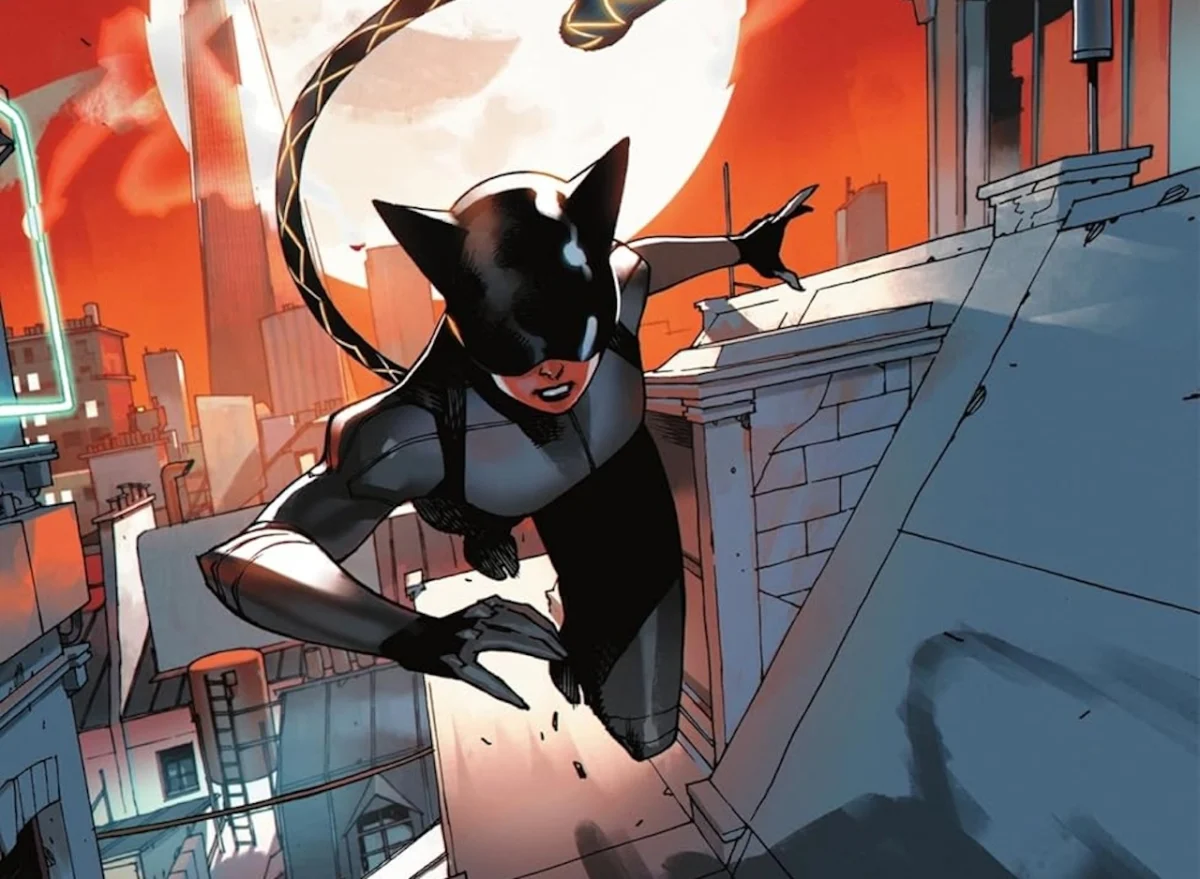
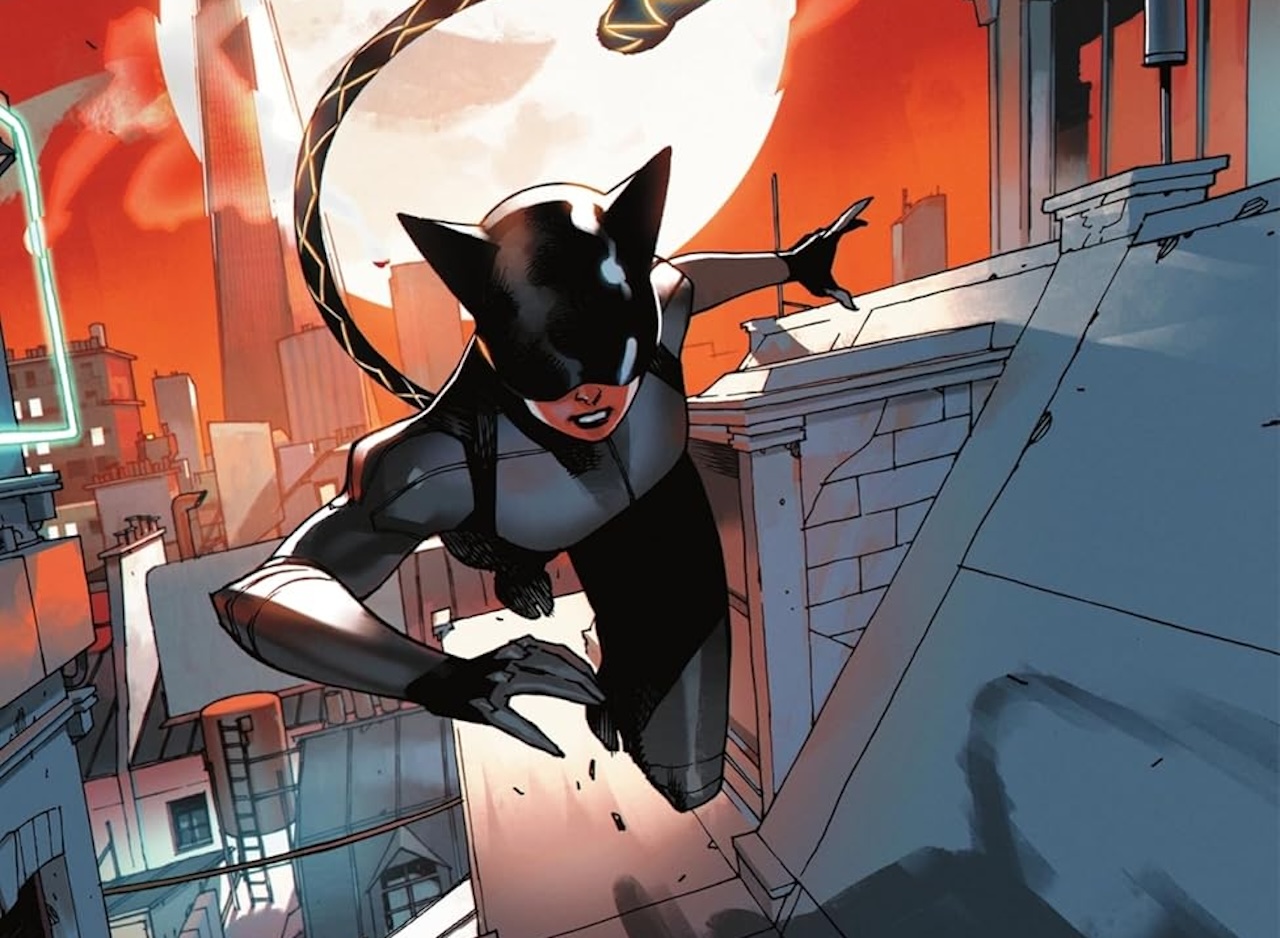
If the script struggles with verbosity, the visual team is doing the heavy lifting to keep the reader engaged. The collaboration between artist Bengal and colorist Emilio Niro creates a visual language that is arguably the book’s greatest strength.
The aesthetic is a masterclass in synthesis, blending the sharp, neon-drenched edges of Western cyberpunk with the kinetic, expressive energy of Japanese manga. The action sequences are fluid, dynamic, and easy to follow, providing a necessary kinetic release from the static, text-heavy pages. The vivid, saturated color palette not only makes the book pop off the shelf but also creates a distinct "Absolute" atmosphere—a world that feels both futuristic and fundamentally broken. When the characters aren’t bogged down in internal monologues, the pages vibrate with an intensity that promises the series could eventually find its footing.
Implications: A Six-Issue Constraint
The most significant implication for the future of the series is its limited run. With only six issues to tell this story, the "information overload" problem is exacerbated. The creative team is attempting to introduce a complex new universe, define a new version of a legacy character, and execute a multi-layered heist plot within a very tight window.
There is a distinct sense that this narrative would have benefited from a longer runway. An eight or nine-issue arc would have provided the necessary breathing room to flesh out the technicalities without sacrificing the character-driven moments that are currently being crowded out. As it stands, the series risks rushing through its most compelling beats to reach the finish line of its own self-imposed constraints.

Looking Ahead: Can the Series Pivot?
Despite the structural hurdles, Absolute Catwoman #2 is not a failure; it is a work in transition. The promise of the title remains intact, anchored by a compelling premise and an extraordinary visual style.
For the remainder of the miniseries, the success of the project will depend on the creators’ ability to find a balance between the "cerebral complexity" they are clearly aiming for and the visceral, street-level tension that the Catwoman brand demands. If they can streamline the exposition and allow the character dynamics to breathe, the series could still evolve into a defining entry in the Absolute line.
As of this writing, DC has not released a formal response regarding the pacing concerns, nor have there been reports of adjustments to future issues. However, the fan reaction—marked by high praise for the visuals and measured skepticism regarding the script—suggests that the audience is waiting for the narrative to catch up to the art.
Final Verdict
Absolute Catwoman #2 is a paradox: it is a sleek, modern, and visually stunning book that feels fundamentally weighed down by its own ambition. Selina Kyle is a character built for motion, yet this issue feels static, trapped in a cycle of explaining the "how" rather than showing the "why."

As we look toward issue #3, the hope is that the creative team trusts their audience’s intelligence enough to dial back the technical manuals and let the characters drive the plot. The "Absolute" version of Selina is a fascinating, tech-savvy survivor; she deserves a story that matches her speed and her soul. Whether the remaining four issues can rectify these pacing issues remains to be seen, but for now, the series is a purr-fectly serviceable, if flawed, experiment in the new DC multiverse.