

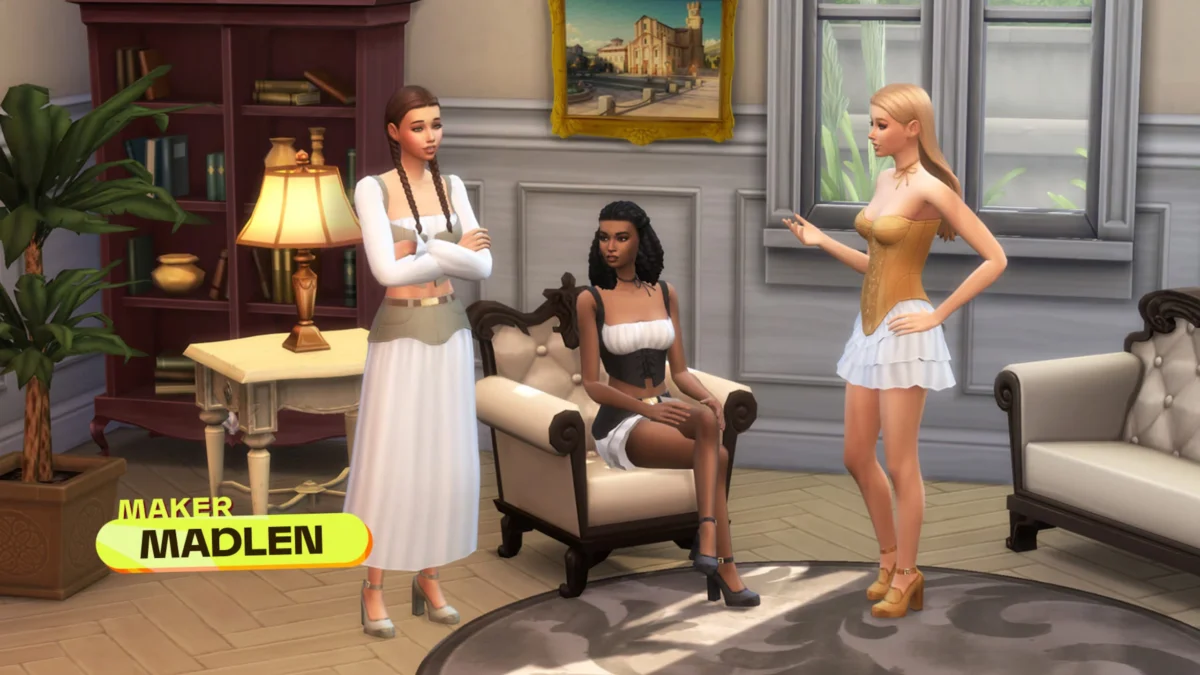
REDWOOD CITY, CA – Over a month after its initial debut on PC, Electronic Arts (EA) and Maxis have officially launched The Sims 4 Marketplace and its associated user-created content (UGC) ecosystem on PlayStation and Xbox consoles. This expansion brings a new era of curated, paid community-made content to a broader player base, but not without reigniting familiar debates surrounding monetization strategies, premium currencies, and the long-standing tradition of free modding within the beloved life simulation franchise.
The console rollout, which mirrors the PC version’s structure, introduces a dedicated hub where players can browse and purchase a variety of user-generated items. However, the core of the controversy lies in the mandatory adoption of "Moola," a new premium in-game currency, for all transactions within this marketplace. This decision, coupled with a significant shift in how smaller content "Kits" are acquired, has sparked considerable discussion and criticism among the Sims community and gaming enthusiasts alike.
The Sims 4 Marketplace Arrives on Consoles, Bringing Paid UGC and Controversy
The highly anticipated console launch of The Sims 4 Marketplace on PlayStation and Xbox signifies a major step for Maxis and EA in unifying the player experience across platforms and expanding avenues for community-driven content. For years, PC players have enjoyed a vast and vibrant ecosystem of both official and unofficial user-created content, ranging from custom clothing and furniture to complex gameplay modifications. The introduction of an official marketplace for UGC aims to bring a curated, vetted, and monetized version of this experience to console players, who have historically had more limited access to community-made additions.
At the heart of this new system is "Moola," a proprietary in-game currency that acts as the sole medium for purchasing items from the Marketplace. Players must acquire Moola using real-world money, with various denominations available for purchase. This model is not new to the gaming industry, often seen in free-to-play titles and live-service games, but its integration into a long-established, premium game like The Sims 4 has generated significant pushback.
One of the most immediate and widespread criticisms centers on the obfuscation of true value. By converting real money into Moola, players are often left with an abstract sense of an item’s cost, making direct price comparisons difficult. Furthermore, the typical structuring of Moola bundles means players frequently end up with leftover currency after making a purchase, compelling them to either overspend initially or return later for more items, thereby maximizing revenue for the publisher. This practice, often referred to as "dark patterns" in game design, has long been a source of player frustration across the industry.
Beyond Moola, the console launch also cemented a contentious change regarding "Kits." These smaller content packs, which offer themed collections of items or gameplay elements, were previously available for direct purchase with real money from platform storefronts (e.g., PlayStation Store, Xbox Marketplace). With the advent of the Marketplace, Kits on consoles are now exclusively purchasable with Moola. While larger content offerings like Expansion Packs, Game Packs, and Stuff Packs retain their direct real-money purchase options, the shift for Kits has been seen by many as an unnecessary additional layer of monetization.
A Fraught History: The Evolution of Paid Modding in Gaming
The current debate surrounding The Sims 4 Marketplace is not an isolated incident but rather the latest chapter in a long and often contentious history of paid modifications and user-generated content in the gaming industry. The concept of monetizing community creations has frequently clashed with the open-source, collaborative spirit that has traditionally defined modding culture.
One of the most prominent early controversies erupted in 2015 when Valve introduced paid mods to the Steam Workshop for The Elder Scrolls V: Skyrim. This initiative allowed mod creators to set prices for their work, with a revenue split that heavily favored Valve and Bethesda. The backlash from the community was swift and severe, fueled by concerns over quality control, intellectual property theft (reselling free mods), inadequate creator compensation, and the perceived commercialization of a previously free ecosystem. Within days, Valve reversed the decision, issuing refunds and acknowledging that the implementation was flawed.
Despite this setback, the idea of a monetized UGC ecosystem persisted. Bethesda later introduced the Creation Club for Skyrim and Fallout 4 in 2017, offering a more curated and officially sanctioned platform for premium content. While not strictly "mods" in the traditional sense, as all content was commissioned and paid for by Bethesda, it still represented a move towards official monetization of community-adjacent content. This approach aimed to address some of the concerns from the 2015 debacle, offering better quality assurance and direct compensation to creators. However, it still faced criticism for its pricing and for potentially diminishing the appeal of the free modding scene.
The Sims franchise itself has a deep and intricate relationship with user-created content. Since its inception, players have been creating and sharing custom content (CC) and mods, enriching the game far beyond its official offerings. This community-driven creativity has been a cornerstone of the game’s enduring popularity, with countless websites and forums dedicated to sharing free custom content. The introduction of an official, paid marketplace therefore represents a significant shift, creating a parallel economy that many fear could undermine the existing, predominantly free, modding culture.
The Sims Community: A Rich Tapestry of Free Creation
For over two decades, The Sims community has thrived on the creativity and generosity of its modding scene. From the early days of The Sims 1, players have been designing and sharing custom clothing, objects, hairstyles, and even intricate gameplay modifications. Websites like Mod The Sims, The Sims Resource, and countless individual creator blogs host millions of pieces of custom content, all freely available to download and integrate into the game.
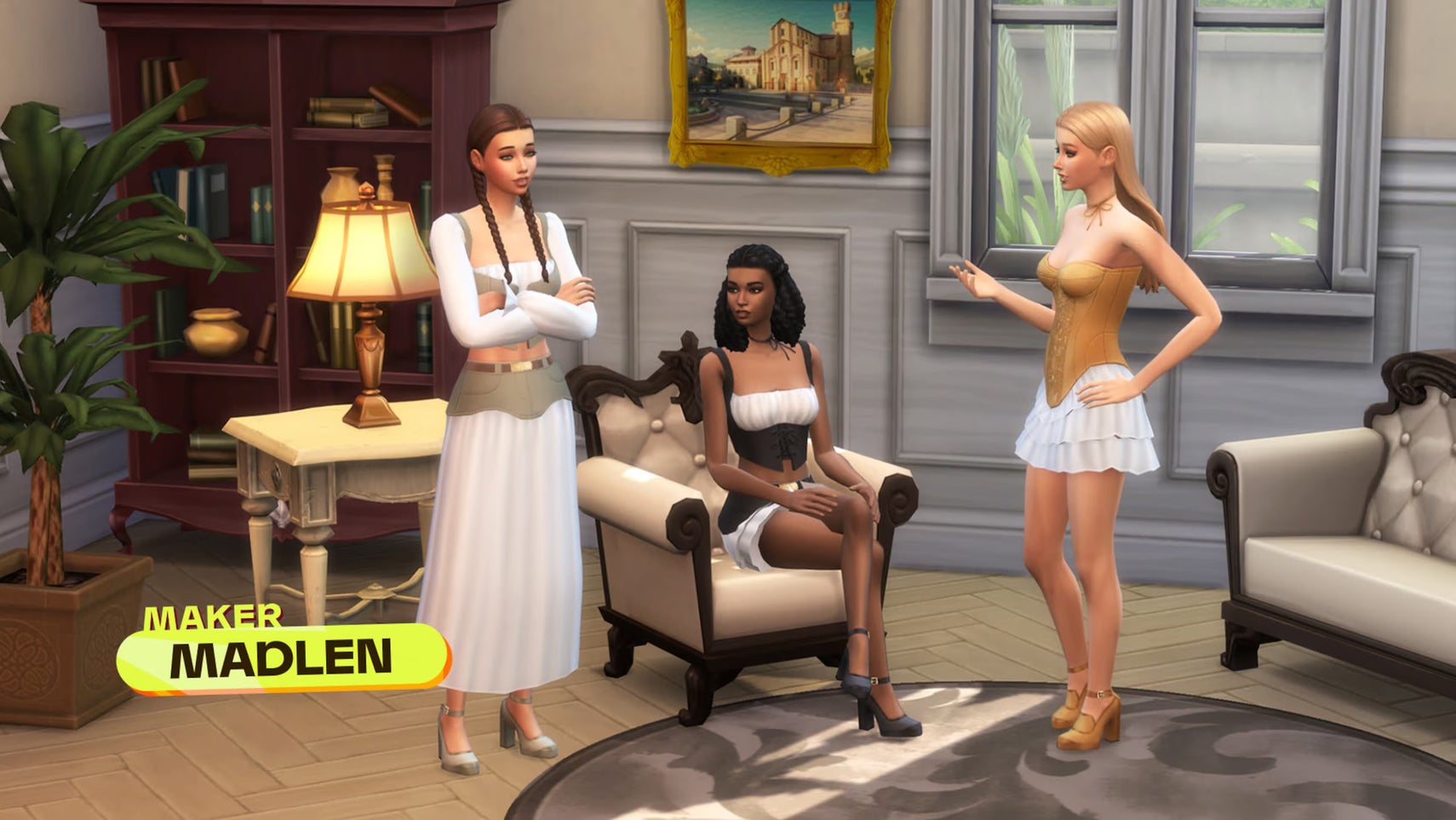
This vast, informal network of creators has not only extended the lifespan of each Sims title but has also allowed players to tailor their game experience to an unprecedented degree. Players can find content that ranges from highly realistic aesthetic enhancements to whimsical, fantastical additions, and even crucial quality-of-life improvements that address perceived shortcomings in the base game. The sheer volume and diversity of free custom content have set a high bar for any official, paid alternative.
The free modding community operates on a different ethos: creators often share their work for passion, community recognition, or through voluntary donation systems like Patreon. This model fosters a strong sense of community and mutual support, where knowledge and resources are openly shared. The introduction of an official paid marketplace, particularly one that requires a premium currency and potentially offers a less diverse selection than the free alternatives, inevitably invites comparisons and raises questions about its value proposition to a player base accustomed to a wealth of free options. For many, the concern is that an official paid marketplace, even if it brings new creators or content, could ultimately overshadow or even stifle the existing free creative spirit.
Moola and the Monetization Maze: Unpacking the Premium Currency Model
The decision to implement Moola as the exclusive currency for The Sims 4 Marketplace on consoles (and initially on PC) is a strategic move by EA, aligning with common monetization practices in the modern gaming landscape. Premium currencies are designed to achieve several objectives, primarily to increase player spending and engagement.
Firstly, as mentioned, Moola creates a psychological disconnect between real money and in-game purchases. By adding an extra layer of abstraction, players are less likely to perceive the immediate real-world cost of an item. Instead of seeing an item priced at "$2.99," they see it at "300 Moola," which can feel less impactful.
Secondly, Moola bundles are rarely perfectly aligned with item prices. Players might need 350 Moola for an item but can only buy bundles of 200, 500, or 1000 Moola. This intentional mismatch often forces players to purchase more currency than they immediately need, leaving them with "breakage" – a small amount of leftover Moola. This breakage encourages future purchases to utilize the remaining balance, thereby driving repeat engagement and spending. This tactic is a well-documented psychological trick used across various digital marketplaces.
Thirdly, premium currencies grant publishers greater control over pricing and promotions. They can easily adjust the Moola cost of items or offer Moola bonuses without directly changing real-money prices, creating a more flexible and dynamic pricing strategy. This also centralizes revenue collection within their ecosystem, rather than relying solely on third-party platform storefronts for every microtransaction.
While these strategies are effective for revenue generation, they frequently draw criticism for being exploitative or anti-consumer. Players often feel manipulated into spending more than they intended, and the lack of transparent pricing can erode trust between the publisher and its community. For a game like The Sims 4, which has cultivated a dedicated fanbase over many years, these monetization tactics can be particularly jarring and unwelcome.
The Kit Conundrum: A Tale of Two Platforms?
The most dynamic and arguably confusing aspect of The Sims 4 Marketplace rollout pertains to the monetization of "Kits," especially when comparing the PC and console experiences. Initially, upon the Marketplace’s launch on PC, Kits were moved from direct real-money purchase on platforms like the EA App and Steam to being exclusively purchasable with Moola within the new in-game hub. This mirrored the current situation on consoles.
However, a significant development emerged shortly after the PC launch. A leaked internal memo, widely reported by The Sims community site SimsCommunity, indicated that EA intended to reverse this decision for PC players. The memo reportedly stated that Kits would once again be available for direct purchase with real money on both the EA App and Steam. According to the report, this change had already been implemented on the EA App, with Steam following suit around April 20th.
The PC Reversal: A Glimmer of Hope for Players?
The reported reversion for PC players suggests that the initial Moola-only strategy for Kits on that platform was met with sufficient negative feedback to warrant a policy change. This quick pivot highlights the publisher’s sensitivity to PC community sentiment, likely influenced by the long history of free modding and the vocal nature of that player base. The return to direct purchasing for Kits on PC could be seen as a small victory for players, offering a more straightforward transaction process without the Moola intermediary.
In stark contrast, console players currently face the Moola-only requirement for Kits. Given that the Marketplace only recently launched on PlayStation and Xbox, it appears EA and Maxis may be adopting a wait-and-see approach. They might be monitoring the reception and sales data on consoles before deciding whether to implement a similar reversal for those platforms. This disparity in treatment between PC and console players for the same content type could lead to further frustration, fostering a perception of unequal value or differing priorities for player experience across platforms. The delay in aligning monetization strategies could also be attributed to the longer certification processes and contractual obligations associated with console storefronts compared to PC digital distribution platforms.

Official Stance and Unspoken Strategies
Maxis, in its official blog post announcing the console launch of the Marketplace, outlined the features and the intention behind the new ecosystem. The post emphasized the benefits of community content and the opportunity for creators to monetize their work through the Maker Program. While it confirmed the transition of Kits to Moola-only purchases on consoles, the announcement largely focused on the positive aspects of the new feature, omitting any direct acknowledgment of the existing criticisms or the Moola system’s contentious nature.
The leaked memo regarding the PC Kit reversal, while not an official public statement, serves as an unofficial response to community feedback on that platform. Its existence suggests that EA is aware of the dissatisfaction and is willing to make adjustments, at least for a segment of its player base. However, the lack of a similar immediate announcement for consoles leaves a significant gap in transparency.
EA’s strategy appears to be a delicate balancing act. On one hand, they aim to tap into the lucrative market of premium user-generated content and establish a standardized monetization system across all platforms for certain types of content. On the other hand, they must contend with a passionate and often critical community, particularly one that has historically benefited from a robust free modding scene. The staggered approach to policy changes, with PC potentially receiving concessions earlier than consoles, indicates a cautious strategy, possibly testing the waters to determine the threshold of player acceptance for these monetization models on different platforms.
Implications for Players, Creators, and the Future of The Sims
The launch of The Sims 4 Marketplace on consoles and the ongoing saga of Moola and Kit monetization carry significant implications for various stakeholders within The Sims ecosystem.
For Players:
The most immediate impact for console players is the introduction of a new layer of costs and complexity for accessing certain content. While the promise of fresh, community-made items is appealing, the mandatory Moola system and the exclusive Moola-only purchase for Kits could be a deterrent. Players might feel pressured to spend more, or they might simply opt out, potentially limiting the reach of the new content. The disparity with PC players regarding Kit purchases could also lead to feelings of disenfranchisement among console users, especially if the PC reversal proves permanent. This situation could fragment the community experience, with different platforms offering different value propositions.
For Creators:
The Sims 4 Maker Program, which facilitates the creation and sale of content on the Marketplace, offers a formal avenue for talented community members to monetize their passion. This could be a significant opportunity for creators to gain recognition and earn income from their work, potentially attracting new talent to the ecosystem. However, questions remain about the revenue split for creators, the curation process, and the potential for a "race to the bottom" if the market becomes saturated. Furthermore, creators must weigh the benefits of official monetization against potential backlash from segments of the community that prefer free content. The success of the Marketplace will heavily depend on its ability to attract high-quality creators and offer a fair compensation model that is transparent and appealing.
For EA and Maxis:
This initiative represents a strategic push for increased revenue generation from The Sims 4, a game that continues to be highly popular years after its initial release. By integrating an official paid UGC marketplace and standardizing a premium currency, EA aims to maximize the long-tail profitability of the title. However, this strategy comes with inherent risks. Alienating a loyal player base through perceived aggressive monetization tactics could harm the brand’s reputation and potentially impact future titles in the franchise, including the highly anticipated Project Rene (The Sims 5). The need to balance revenue goals with community goodwill is paramount. The swift, albeit unofficial, reversal for PC Kits suggests that Maxis and EA are attuned to community sentiment, but the ongoing disparity for consoles indicates a willingness to test the limits of player acceptance.
Broader Industry Outlook:
The Sims 4 Marketplace serves as another example of a growing trend in the gaming industry: the formalization and monetization of user-generated content. As games increasingly adopt live-service models and look for sustained revenue streams, integrating community creativity into official, paid ecosystems becomes an attractive option. The challenges faced by The Sims 4, particularly regarding premium currencies and community backlash, offer valuable lessons for other developers considering similar initiatives. The success or failure of this model in a franchise with such a strong modding history could influence how UGC is handled across the industry for years to come.
In conclusion, The Sims 4 Marketplace’s arrival on consoles marks a significant expansion of the game’s ecosystem, bringing official paid user-created content to a wider audience. However, the integration of the "Moola" premium currency and the contentious handling of "Kits" have ensured that this expansion is far from universally celebrated. As PC players reportedly see a reversal of some of these policies, the spotlight remains firmly on console players, who await to see if their feedback will prompt similar changes, shaping the future of monetization within one of gaming’s most enduring franchises.












No comments yet. Be the first to join the conversation!