

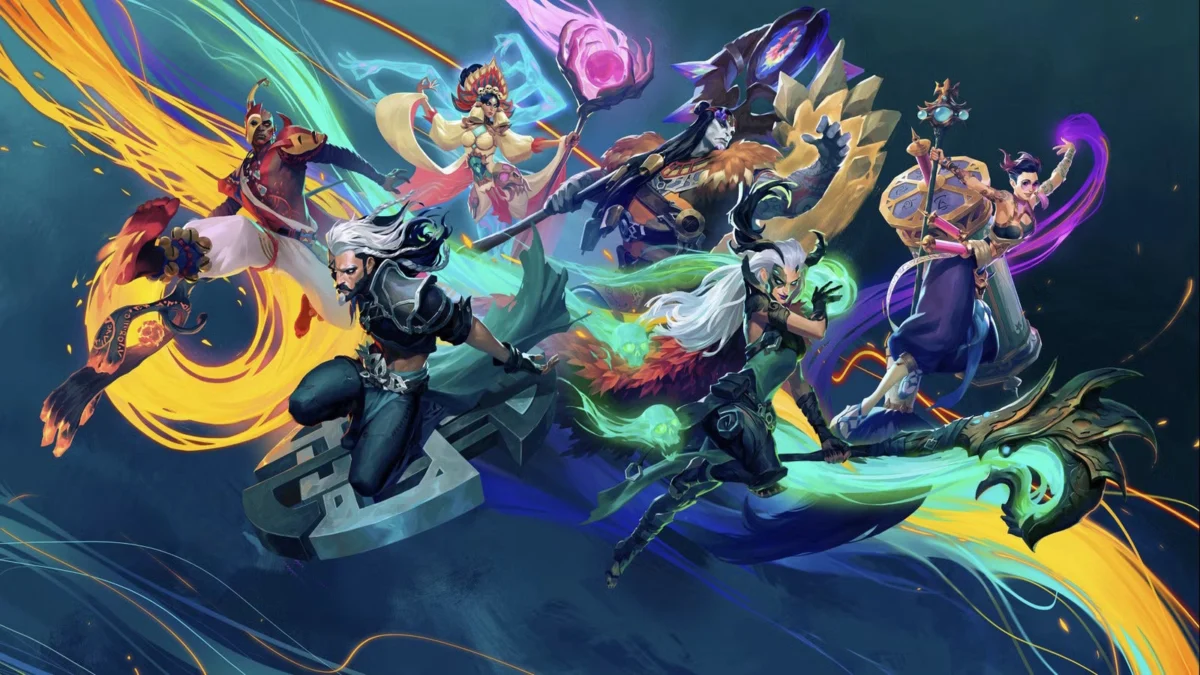
Paris, France – [Current Date, e.g., March 14, 2024] – In a swift and decisive move that underscores the brutal realities of the contemporary gaming market, acclaimed French developer Quantic Dream has announced the immediate cessation of development for its experimental multiplayer title, Spellcasters Chronicles. The decision comes a mere three months after the game’s Early Access launch, with the studio citing an inability to attract the necessary audience for long-term sustainability. While server operations will continue until June 19, 2026, the announcement marks a significant pivot for Quantic Dream, which is now set to undergo an internal reorganization to re-prioritize its core strengths: immersive, narrative-driven single-player experiences, most notably the highly anticipated Star Wars Eclipse.
The abrupt shutdown of Spellcasters Chronicles represents a rare public misstep for a studio largely celebrated for its distinctive interactive storytelling. The title, a bold departure into the multiplayer realm for a developer synonymous with single-player cinematic adventures like Heavy Rain, Beyond: Two Souls, and Detroit: Become Human, was openly acknowledged by Quantic Dream co-CEO Guillaume de Fondaumière as a "risky, bold, new move." Its swift demise highlights the immense challenges faced by even established developers when venturing into an oversaturated and highly competitive live-service market.
Players who purchased Spellcasters Chronicles during its Early Access phase are eligible for a full refund upon request, a measure intended to mitigate disappointment and maintain player goodwill. The developer has committed to handling the transition with "fairness, care, and respect," particularly concerning the internal reorganization and the reassignment of affected personnel to other ongoing projects, including the untouched Star Wars Eclipse.
Main Facts: A Swift Retreat from the Multiplayer Arena
Quantic Dream, a studio revered for its unique brand of interactive narrative experiences, has officially announced the discontinuation of development for its multiplayer title, Spellcasters Chronicles. This decisive action comes just three months after the game entered Early Access, signaling a rapid re-evaluation of its market viability.
The core message from the developer is clear: despite its innovative aspirations, Spellcasters Chronicles failed to garner the critical mass of players required to ensure its long-term success in what the studio describes as "today’s particularly challenging market environment." Consequently, Quantic Dream has made the "difficult decision to refocus our efforts on our other projects."
For the existing player base, the game will remain accessible for a defined period, with servers slated to go offline on June 19, 2026. This provides a generous two-year window for current players to continue engaging with the title before its ultimate closure. Furthermore, all early access purchases are being honored with a full refund option, a standard practice in such circumstances to address player investment in a prematurely concluded project.
Internally, the studio is embarking on a period of reorganization. This process will prioritize the reassignment of development staff who were working on Spellcasters Chronicles to bolster other ongoing productions. Crucially, Quantic Dream has explicitly stated that its flagship title, Star Wars Eclipse, remains entirely unaffected by this strategic shift, underscoring its pivotal role in the company’s future trajectory. This move suggests a consolidation of resources and a renewed commitment to the narrative-driven genre that has historically defined the studio’s identity and success.
Chronology: A Brief, Ambitious Journey
The lifespan of Spellcasters Chronicles has been remarkably short, a testament to the accelerated pace of decision-making in the high-stakes world of game development. Tracing its brief trajectory reveals a story of ambition, calculated risk, and ultimately, an early termination.
October 2023: The ‘Wild Card’ Revealed
The earliest public insight into Quantic Dream’s strategy surrounding Spellcasters Chronicles emerged in an October 2023 interview with GamesIndustry.biz. During this discussion, Quantic Dream co-CEO Guillaume de Fondaumière offered a candid perspective on the studio’s diversification efforts. He described Spellcasters Chronicles as the company’s inaugural foray into the multiplayer genre, labeling it a "risky, bold, new move into a totally new direction." De Fondaumière acknowledged the inherent uncertainties of innovation, stating, "When you innovate, it is very hard to determine in a very precise manner what your target audience is, what share of the market you’re going to take." He contrasted this venture with Star Wars Eclipse, which he explicitly referred to as the studio’s "safe bet," representing a continuation of their established expertise in single-player, narrative-branching experiences. This interview laid bare the studio’s awareness of the high stakes involved in their multiplayer gamble.
Late 2023 / Early 2024: The Early Access Launch
Following the October 2023 interview, Spellcasters Chronicles officially launched into Early Access sometime in late 2023 or very early 2024. The Early Access model itself is often employed by developers to gauge player interest, gather feedback, and iterate on a game in its formative stages, particularly for multiplayer titles where community engagement is paramount. For Quantic Dream, a studio traditionally delivering polished, complete single-player experiences, an Early Access launch for a multiplayer game was an additional layer of novelty, inviting players to participate in its evolution. While specific details on its initial reception are scarce in the immediate announcement, the subsequent decision suggests that the early player numbers and engagement metrics did not meet internal expectations.
Early 2024: The Shutdown Announcement – Three Months Post-Launch
Approximately three months after its Early Access debut, Quantic Dream officially announced the immediate cessation of Spellcasters Chronicles‘s development. This announcement, delivered via a LinkedIn post, confirmed the studio’s difficult decision to pull the plug, citing insufficient audience engagement to ensure long-term viability. The swiftness of this decision—just a quarter after launch—highlights the developer’s agility in responding to market feedback and internal performance metrics, opting for a clean break rather than prolonged investment in a struggling project.
June 19, 2026: The Final Curtain
Looking ahead, the game’s servers are scheduled to go offline permanently on June 19, 2026. This date provides players with a substantial grace period to enjoy the game or process refund requests, demonstrating Quantic Dream’s commitment to a respectful exit strategy despite the commercial failure of the title. This phased shutdown allows for a less abrupt conclusion, contrasting with some instances where live-service games are terminated with minimal notice.
The chronology of Spellcasters Chronicles is a concise narrative of a studio’s bold experiment and its rapid conclusion, making way for a return to its proven strengths.
Supporting Data: Navigating a Treacherous Market and Leveraging Core Strengths
The demise of Spellcasters Chronicles can be understood within a broader context of an increasingly complex and unforgiving video game market, particularly for live-service and multiplayer titles. Quantic Dream’s venture into this space, while ambitious, encountered a confluence of challenges that have impacted numerous developers.
The "Particularly Challenging Market Environment":
Quantic Dream’s statement about a "particularly challenging market environment" is not mere corporate rhetoric; it reflects a harsh reality for many developers. The gaming landscape is more saturated than ever, with thousands of new titles released annually across various platforms. This makes discoverability—getting a game noticed by its target audience—an immense hurdle. Marketing budgets are often astronomical, and even well-funded projects can struggle to cut through the noise.
For live-service games, the challenge is compounded by the need for sustained player engagement. Players today have an unprecedented number of high-quality, ongoing live-service games competing for their time and money, from established giants like Fortnite, Apex Legends, and Call of Duty to newer contenders. Retention is critical, and a new game must offer compelling reasons for players to commit over months or years, often against titles with years of content updates and established communities. Development costs for live-service games are also substantial, requiring continuous investment in content, infrastructure, and community management, often without immediate returns.
Quantic Dream’s Legacy and the Multiplayer Paradox:
Quantic Dream built its reputation, and indeed its entire brand identity, on crafting emotionally resonant, narrative-driven single-player games. Titles like 2010’s Heavy Rain, 2013’s Beyond: Two Souls, and 2018’s Detroit: Become Human were lauded for their branching storylines, complex moral choices, and cinematic presentation. These games offered deeply immersive experiences that emphasized player agency within a carefully constructed narrative framework.
Spellcasters Chronicles, as a multiplayer title, inherently demanded a different design philosophy, focusing on repeatable gameplay loops, social interaction, and long-term progression rather than a finite, curated story. This represented a significant paradigm shift for the studio, requiring new skill sets, different infrastructure, and a fundamentally altered approach to game design. While diversification can be healthy for a studio, especially in an industry that constantly evolves, deviating too far from core competencies can dilute brand identity and lead to projects that fail to resonate with either existing fans or new audiences. The paradox here is that while the market craves novelty, it also rewards authenticity and proven expertise.
The Perilous Path of Early Access:
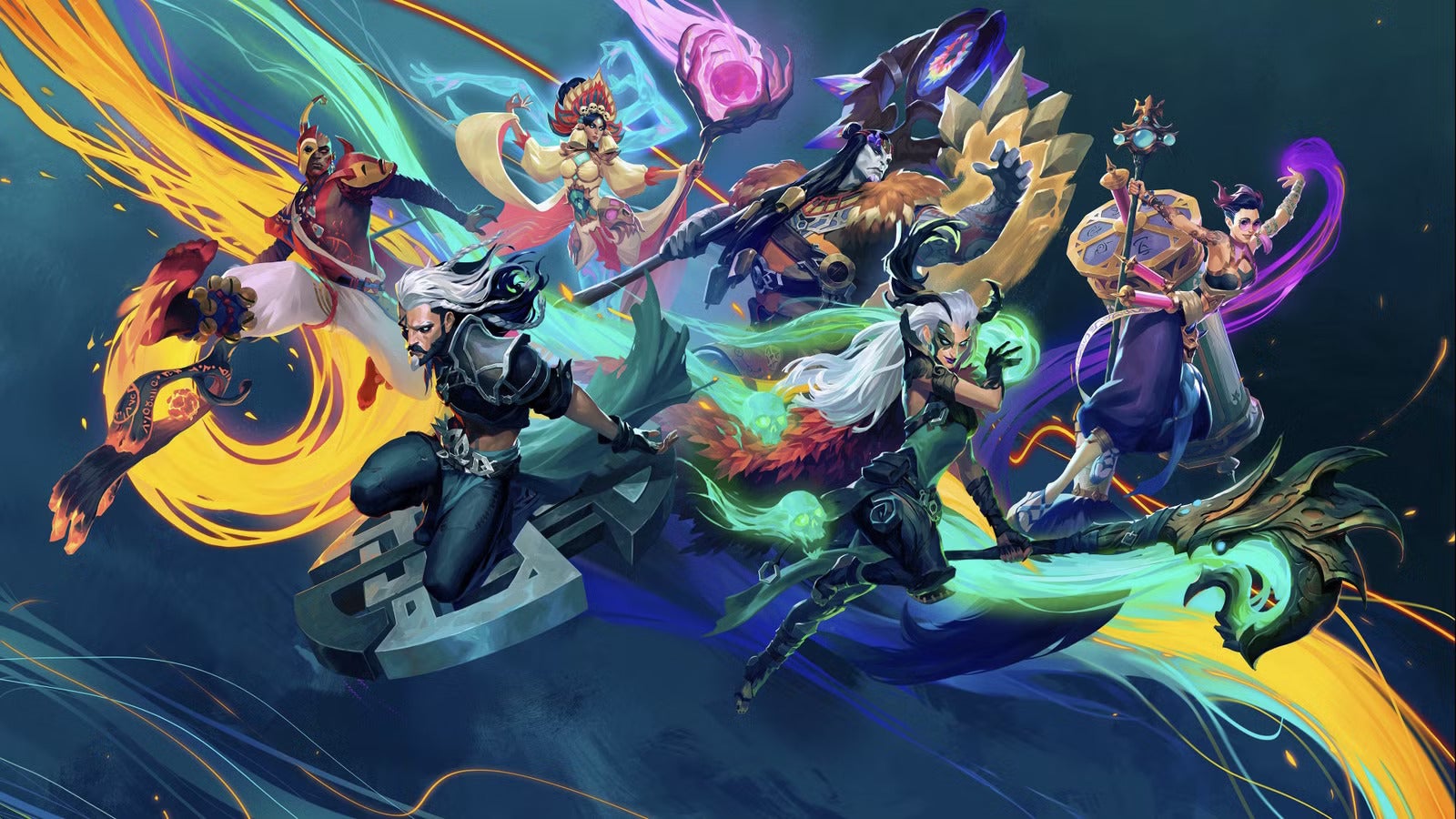
Early Access offers a valuable opportunity for developers to iterate with community feedback, but it also carries inherent risks. Players engaging with Early Access titles often expect rough edges, but there’s a fine line between a promising work-in-progress and a game that feels incomplete or lacking a clear vision. For a multiplayer game, a small or dwindling Early Access player base can create a negative feedback loop: fewer players mean longer matchmaking times, which leads to more players leaving, further exacerbating the problem. If the core loop isn’t compelling enough to attract and retain a critical mass early on, the game struggles to build momentum, regardless of future updates.
Financial Implications of a Failed Live-Service Game:
While specific financial figures related to Spellcasters Chronicles are not public, the investment in developing a multiplayer game, even for Early Access, is substantial. This includes costs for engine development (or licensing), art assets, server infrastructure, network programming, and a dedicated team. Announcing a shutdown just three months post-launch implies that the operational costs were not being offset by revenue (from sales or in-game purchases), and the projected future revenue looked insufficient to justify continued investment. The decision to cut losses quickly, while painful, is often a financially prudent one to prevent further expenditure on a non-performing asset. The ability to reassign staff to other projects, particularly Star Wars Eclipse, is a key factor in mitigating the financial and human resource impact of the closure.
The ‘Safe Bet’: Star Wars Eclipse:
Guillaume de Fondaumière’s characterization of Star Wars Eclipse as the "safe bet" is illuminating. This project aligns perfectly with Quantic Dream’s established strengths: a rich, pre-existing narrative universe (Star Wars), a focus on storytelling, and presumably, a single-player, choice-driven experience. The brand recognition of Star Wars itself provides a massive built-in audience and marketing advantage. By doubling down on this project and reallocating resources from Spellcasters Chronicles, Quantic Dream is effectively consolidating its focus on what it does best and what its audience expects, positioning Star Wars Eclipse as the studio’s primary driver for the foreseeable future. This strategic recalibration minimizes risk by leveraging proven competencies and a globally recognized IP.
Official Responses: Navigating a Difficult Announcement
Quantic Dream’s official communication regarding the shutdown of Spellcasters Chronicles has been delivered with a measured, professional tone, characteristic of a studio managing a challenging but necessary business decision. The primary announcement was disseminated through a LinkedIn post, a platform often favored for corporate updates that aim for directness and transparency with professional stakeholders and the wider industry.
The Core Message and Acknowledgment of Market Realities:
The central tenet of the studio’s message is the acknowledgement that Spellcasters Chronicles "has not reached the audience needed to ensure its long-term sustainability." This statement, while succinct, points to critical performance indicators such as player acquisition, retention rates, and potential monetization, all of which likely fell short of internal targets. The reference to "today’s particularly challenging market environment" serves as an important contextual frame, suggesting that external pressures beyond the game’s intrinsic quality played a role in its struggle. This framing allows the studio to acknowledge the difficulty without placing sole blame on the development team or the game itself.
The "Difficult Decision" and Refocusing Efforts:
The phrase "difficult decision to refocus our efforts on our other projects" is a standard but genuine expression of corporate regret when a project is cancelled. It implies that significant investment, time, and creative energy were poured into Spellcasters Chronicles, making its termination a regrettable necessity rather than a capricious choice. The emphasis on "refocusing" highlights a strategic pivot, indicating that the studio is not retreating but rather re-channeling its resources into more promising avenues.
Commitment to Employees: "Fairness, Care, and Respect":
Perhaps one of the most crucial aspects of Quantic Dream’s statement is its pledge to handle the internal reorganization "with fairness, care, and respect." In an industry frequently criticized for its treatment of employees during studio closures or project cancellations, this commitment is vital. It specifically mentions prioritizing "reassignments to support other productions," which is a positive sign for the affected staff. This suggests an effort to retain talent and integrate them into existing teams, rather than resorting to widespread layoffs. This approach helps preserve institutional knowledge, maintains morale, and strengthens the remaining projects, particularly Star Wars Eclipse.
Guillaume de Fondaumière’s Prior Insights:
The earlier comments from co-CEO Guillaume de Fondaumière, made just months before the shutdown announcement, provide invaluable insight into the studio’s mindset. His characterization of Spellcasters Chronicles as a "risky, bold, new move" and a "wild card" demonstrates that the studio entered this venture with eyes wide open to the potential for failure. He openly discussed the difficulty of defining a target audience for innovation and the hope that "you’re going to attract a sufficient amount of players around the world to sustain the project." This pre-emptive acknowledgement of risk lends credibility to the current decision, showing it was a calculated gamble that simply didn’t pay off, rather than a miscalculation of market trends. His explicit differentiation between Spellcasters Chronicles and Star Wars Eclipse (as the "safe bet") also foreshadowed the current strategic realignment, making the shift less surprising for those who followed the studio’s statements.
The official responses reflect a studio grappling with a commercial setback but doing so with a clear strategic vision and a commitment to its workforce. The focus is firmly on moving forward, learning from the experience, and strengthening the projects that align with its core competencies.
Implications: A Clearer Path Forward and Industry Lessons
The shutdown of Spellcasters Chronicles carries significant implications for Quantic Dream, its employees, and the broader video game industry. While a commercial failure, this strategic pivot could ultimately lead to a more focused and potentially stronger future for the French developer.
Reinforcing Quantic Dream’s Identity and Future Strategy:
The most immediate implication for Quantic Dream is a definitive reaffirmation of its core identity. For years, the studio has been lauded for its distinctive narrative-driven single-player experiences. Spellcasters Chronicles represented a foray into unfamiliar territory, and its quick demise effectively closes that chapter, at least for the foreseeable future. This outcome suggests that Quantic Dream will likely double down on its strengths, focusing its creative and technical expertise on crafting the compelling stories and interactive dramas that its loyal fanbase expects.
This sharpened focus is particularly beneficial for Star Wars Eclipse. By reallocating resources and talent from Spellcasters Chronicles, development on the highly anticipated Star Wars title could be accelerated and enriched. The "safe bet" is now undeniably the studio’s primary focus, with potentially increased manpower and undivided attention. This could lead to a more polished, ambitious, and cohesive final product, benefiting from the full weight of Quantic Dream’s collective experience in narrative design and cinematic presentation.
Impact on Employees and Internal Reorganization:
The commitment to "fairness, care, and respect" during the internal reorganization is critical. The reassignment of staff rather than immediate layoffs is a positive sign, mitigating the human cost of the project’s cancellation. However, internal reorganizations, even with reassignments, can be disruptive. Employees might need to adapt to new teams, new project pipelines, or even new roles. While it’s a better outcome than unemployment, the shift can still affect morale and workflow. The success of this transition will depend on effective leadership, clear communication, and support for the affected individuals as they integrate into new production teams. A well-managed transition can turn a setback into an opportunity to consolidate talent and strengthen the studio’s overall capabilities.
Lessons for the Gaming Industry: The Live-Service Trap:
The Spellcasters Chronicles saga offers a potent lesson for the wider video game industry. The allure of the live-service model – with its potential for recurring revenue, long-term player engagement, and community building – remains strong. However, it is a notoriously difficult market to crack. Even established developers with significant resources frequently struggle to launch and sustain successful live-service titles.
The key takeaways include:
- The Power of Specialization: Studios that venture too far from their core competencies often face an uphill battle. Players come to expect a certain type of experience from a developer, and radical shifts, while occasionally successful, are inherently high-risk.
- Market Saturation: The live-service market is exceptionally competitive, dominated by giants. New entrants need a truly unique selling proposition, flawless execution, and significant marketing to stand out.
- The Cost of Failure: Cutting losses quickly, as Quantic Dream has done, can be a financially prudent decision, preventing a prolonged drain on resources. However, it also highlights the substantial upfront investment that can be lost.
- Early Access as a Double-Edged Sword: While Early Access can foster community and provide valuable feedback, it also exposes a game to public scrutiny in its formative stages. If initial engagement is low, it can be incredibly difficult to recover.
Player Trust and Future Ventures:
While Quantic Dream has offered refunds, the closure of Spellcasters Chronicles might subtly impact player perception. Players who invested time and money in an Early Access title only for it to be cancelled can become wary of future early access or live-service offerings from that studio. However, given Quantic Dream’s established reputation for single-player titles, this impact is likely to be minimal, especially as the studio refocuses on its proven strengths. The unwavering commitment to Star Wars Eclipse is expected to reassure fans that the studio’s narrative ambition remains intact.
In conclusion, the short, ambitious life of Spellcasters Chronicles serves as a poignant reminder of the volatile nature of the modern gaming industry. For Quantic Dream, it marks a strategic course correction, allowing the studio to consolidate its expertise and dedicate its considerable talent to projects that align more closely with its proven legacy and future aspirations, particularly the highly anticipated Star Wars Eclipse. The focus is now firmly back on cinematic storytelling, where Quantic Dream has consistently excelled.











No comments yet. Be the first to join the conversation!