TOKYO, Japan – July 3, 2026 – In a move that will undoubtedly send ripples of excitement through the fan communities of both retro gaming and the critically acclaimed STEINS;GATE franchise, Spike Chunsoft has officially announced the global release of STEINS;GATE Octet of Shifting Space. This long-dormant, retro-style visual novel, originally a niche PC release from 2011, is now poised to debut on modern platforms including PlayStation 5, Nintendo Switch, PC via Steam, and notably, the yet-to-be-officially-confirmed "Switch 2." The announcement signifies not only a remarkable expansion of the STEINS;GATE universe but also a fascinating experiment in bridging disparate gaming eras, offering a unique blend of cutting-edge platform accessibility with a deliberately anachronistic gameplay experience.
This unexpected re-emergence of STEINS;GATE Octet of Shifting Space highlights Spike Chunsoft’s dedication to its beloved IPs, extending their reach to a global audience and introducing a new generation of players to a distinct, historically-inspired take on interactive storytelling. While details for its western acquisition remain under wraps, the publisher has confirmed its commitment to bringing this intriguing title to players outside of Japan, promising further announcements in due course.
The game, which reimagines the STEINS;GATE premise through the lens of a 1980s 8-bit PC adventure game, promises an experience unlike any other in the visual novel genre. Departing from the familiar choice-based narratives, Octet of Shifting Space reintroduces the classic text parser gameplay, challenging players to navigate its world through typed commands. This bold design choice, coupled with authentic visual and audio recreations of vintage hardware, positions the title as a significant release for enthusiasts of both interactive fiction and gaming history.
Adding another layer of intrigue to the announcement, the PlayStation 5, Switch 2, and Switch versions of STEINS;GATE Octet of Shifting Space will be included as an early purchase bonus with the physical edition of the highly anticipated STEINS;GATE RE:BOOT in Japan. This strategic bundling suggests a concerted effort by Spike Chunsoft to cross-promote its various STEINS;GATE offerings, encouraging fans to delve deeper into the multifaceted lore of its time-traveling saga.
Main Facts: A Retro Revival for the Modern Age
Spike Chunsoft, a name synonymous with genre-defining visual novels and intricate RPGs, has pulled back the curtain on a truly unique project: the western release of STEINS;GATE Octet of Shifting Space. This announcement marks a pivotal moment for fans of the acclaimed STEINS;GATE series, offering a rare glimpse into an obscure corner of its extended narrative, presented in a deliberately anachronistic style.
Western Expansion: Platforms and Steam
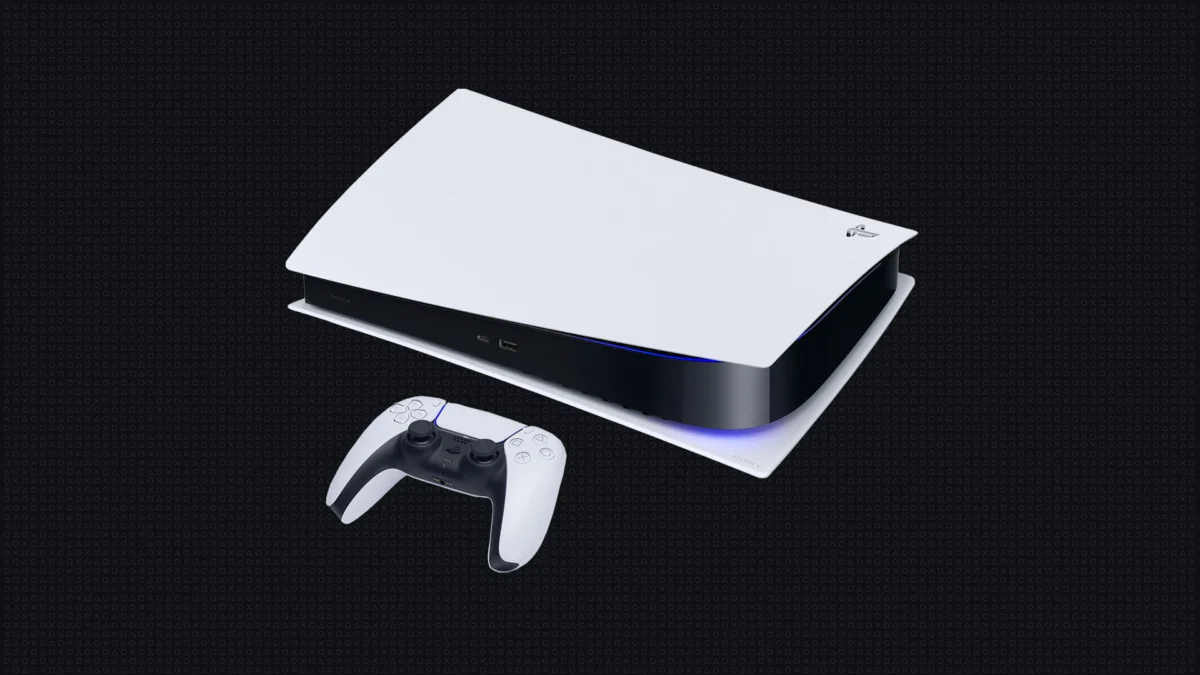
The core of the announcement centers on the expansion of STEINS;GATE Octet of Shifting Space beyond its original Japanese PC release. The game is slated to arrive on a diverse array of contemporary platforms: PlayStation 5, Nintendo Switch, and PC via Steam. This broad accessibility ensures that a vast global audience, irrespective of their preferred gaming ecosystem, will have the opportunity to experience this distinct spin-off. The inclusion of Steam, in particular, caters to the PC gaming community, which has historically been a strong base for visual novels and indie titles. This multi-platform approach underscores Spike Chunsoft’s strategy to maximize reach and cater to the diverse preferences of its international fanbase. The mention of "Switch 2" among the target platforms has also ignited significant discussion and speculation, hinting at potential future hardware from Nintendo.
Bundling Strategy: The RE:BOOT Connection
In a strategic move designed to maximize player engagement and provide added value, the PlayStation 5, "Switch 2," and Switch versions of STEINS;GATE Octet of Shifting Space will be offered as an early purchase bonus alongside the physical edition of STEINS;GATE RE:BOOT in Japan. This bundling strategy is a shrewd marketing tactic, encouraging early adoption of the flagship RE:BOOT title while simultaneously reintroducing Octet of Shifting Space to a wider audience. For Japanese consumers, this offers a compelling incentive, transforming a single purchase into a dual dive into the STEINS;GATE universe, blending the cutting-edge presentation of RE:BOOT with the nostalgic charm of Octet. Details for western acquisition of Octet of Shifting Space are yet to be revealed, suggesting a potentially separate digital release or an alternative bundling approach tailored for international markets.
A Glimpse into the Past: Overview of Octet of Shifting Space
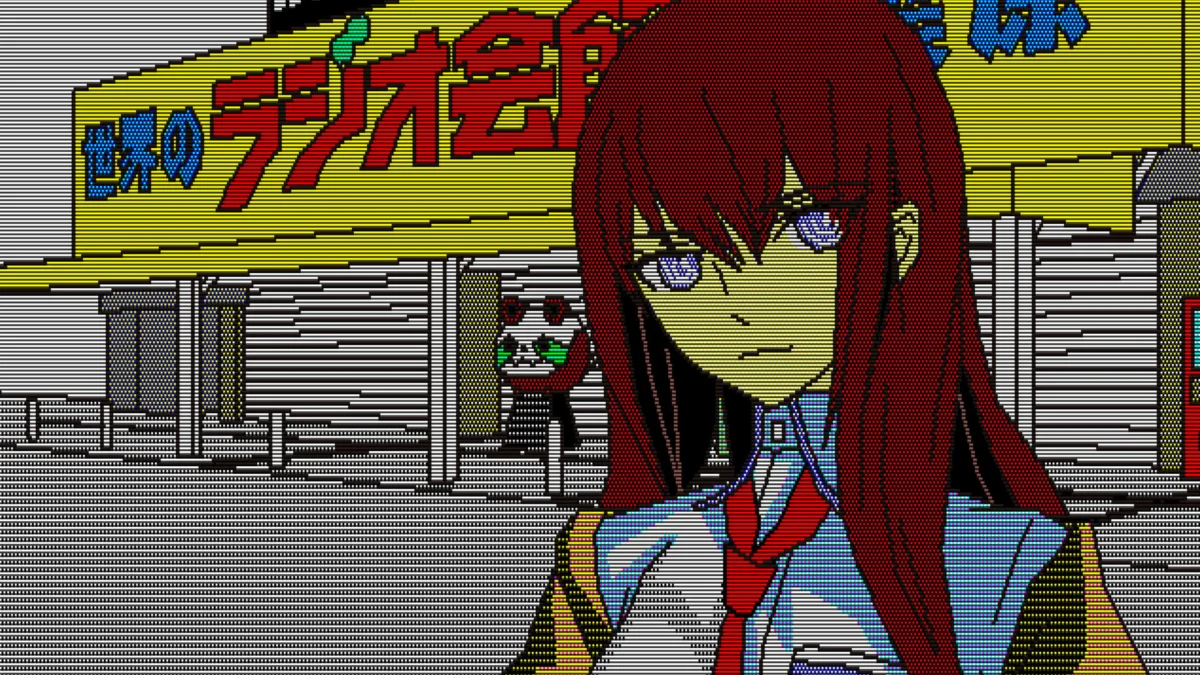
At its heart, STEINS;GATE Octet of Shifting Space is an adaptation of the 2011 Windows XP/Vista/7 title, brought to consoles and Steam for the first time. The game’s premise is delightfully meta: "What if STEINS;GATE were recreated on a PC from the 1980s?" This foundational concept informs every aspect of its design, from its visuals to its gameplay mechanics. It eschews the modern visual novel’s typical choice-based system in favor of the text parser gameplay that defined early adventure games of the 1980s. Players assume the role of Rintaro Okabe, tasked with exploring Akihabara to recover the stolen IBN 5100, advancing the narrative by freely entering English commands. The game promises "classic screen-drawing visuals," faithfully recreating the gradual rendering of graphics line by line, and offers various "graphics modes" inspired by vintage hardware, including 8-color digital RGB and green monochrome monitors. The audio experience is equally authentic, utilizing FM synthesis and PSG sound chips, with music personally crafted by the series’ renowned composer, Takeshi Abo. This deliberate embrace of retro aesthetics and mechanics positions Octet of Shifting Space as more than just a game; it’s a meticulously crafted homage to a bygone era of computing and interactive entertainment.
Chronology: From Niche Origin to Global Anticipation
The journey of STEINS;GATE Octet of Shifting Space from a relatively obscure Japanese PC release to a globally anticipated multi-platform title is a testament to the enduring appeal of the STEINS;GATE franchise and Spike Chunsoft’s commitment to its legacy.
From Niche PC Release to Global Stage: Tracing Octet‘s Journey
STEINS;GATE Octet of Shifting Space first saw the light of day on October 28, 2011, exclusively for PC in Japan. At the time, it was a unique spin-off, a nostalgic experiment designed for a specific audience within the burgeoning STEINS;GATE fandom. Its retro aesthetic and text parser gameplay made it a curiosity, a delightful divergence from the main series’ established visual novel format. For over a decade, the game remained largely confined to its original platform and region, known primarily to dedicated fans and collectors. The current announcement represents its grand re-introduction, not just to a wider Japanese audience through console releases, but to the entire global gaming community. This leap from a niche 2011 PC title to a 2026 multi-platform release on current and next-generation consoles, alongside Steam, signifies a remarkable revival and a deliberate effort to make a piece of STEINS;GATE history accessible to all.
The STEINS;GATE Saga: A Timeline of Key Releases
To fully appreciate the significance of Octet of Shifting Space, it’s essential to place it within the broader timeline of the STEINS;GATE series. The original STEINS;GATE visual novel launched in 2009, quickly establishing itself as a masterpiece of science fiction and interactive storytelling. Its complex narrative, memorable characters, and groundbreaking themes of time travel and causality garnered critical acclaim and a devoted fanbase. This success spawned numerous adaptations and spin-offs:
- 2009: Original STEINS;GATE visual novel (PC, Xbox 360).
- 2011: STEINS;GATE Octet of Shifting Space (Original PC release). This positions Octet as a relatively early spin-off, created when the franchise was still solidifying its identity.
- 2011-Present: Various console ports, anime adaptations, manga, drama CDs, and light novels expanded the universe.
- 2015: STEINS;GATE 0 (sequel visual novel).
- Ongoing: Continuous support and new entries, culminating in the upcoming STEINS;GATE RE:BOOT.
This rich history underscores Octet of Shifting Space‘s role as a unique artifact within a beloved, continually evolving franchise, now being brought into the modern spotlight.
STEINS;GATE RE:BOOT: A Parallel Launch
The release of STEINS;GATE Octet of Shifting Space is intrinsically linked to the launch of STEINS;GATE RE:BOOT, a new iteration of the foundational game. Spike Chunsoft has detailed the release schedule for RE:BOOT:
- Japan (August 20): PlayStation 5, Xbox Series, Switch 2, PlayStation 4, Switch, and PC via Steam.
- West (August 20): Xbox Series and PC versions.
- West (October 29): PlayStation 5, Switch 2, PlayStation 4, and Switch versions.
The decision to bundle Octet of Shifting Space with the physical edition of RE:BOOT in Japan is a clear indication of a synergistic marketing strategy. It aims to leverage the anticipation for the main game to reintroduce the spin-off, offering a comprehensive package for dedicated fans. Furthermore, the announcement of a Digital Deluxe Edition for STEINS;GATE RE:BOOT, including a digital visual book, soundtrack, and footage from the "STEINS;GATE 15th LIVE: ONE WORLD" event with English subtitles, reinforces Spike Chunsoft’s commitment to delivering premium content and celebrating the franchise’s enduring legacy. This parallel launch ensures a renewed focus on the entire STEINS;GATE universe, catering to both newcomers and long-time enthusiasts.
Supporting Data: Diving Deep into the Retro Experience
The official overview provided by Spike Chunsoft offers a wealth of detail regarding the design philosophy and unique features of STEINS;GATE Octet of Shifting Space. These elements are not merely aesthetic choices but fundamental components that define the game’s identity and appeal.
Embracing the 80s Aesthetic: Visual and Audio Design
The core conceit of STEINS;GATE Octet of Shifting Space is its unwavering commitment to an 8-bit PC adventure game aesthetic, directly inspired by the hypothetical scenario of a 1980s recreation of STEINS;GATE. This isn’t just a superficial skin; it’s a deep dive into the technical limitations and creative solutions of that era. The game deliberately evokes the "look and feel" of vintage computing, a choice that resonates with the broader themes of time and alternate realities present in the STEINS;GATE narrative. By transporting players to a digital past, the game itself becomes a form of "time machine," allowing a different kind of temporal displacement experience. This approach provides a refreshing contrast to the high-fidelity graphics and streamlined interfaces of modern visual novels, offering a nostalgic journey for older players and a unique educational experience for younger ones.
Text Parser Mechanics: A Return to Core Adventure Gaming
One of the most radical departures from modern visual novel conventions is Octet of Shifting Space‘s embrace of text parser gameplay. Instead of simply clicking choices, players must "freely enter English commands" to advance the story. This mechanic, once the cornerstone of adventure games like Zork or Maniac Mansion, demands a different kind of engagement. Players must use their "imagination and deduction skills" to determine the correct actions, testing the limits of their vocabulary and logical thinking. For example, instead of choosing "Examine poster," a player might type "LOOK POSTER" or "INSPECT WALL." This system fosters a deeper sense of immersion and agency, as success hinges entirely on the player’s ability to communicate effectively with the game world. It reintroduces an element of intellectual challenge often absent in contemporary narrative games, requiring players to think critically about their environment and objectives, much like a true scientific investigation, mirroring the scientific endeavors of the Future Gadget Lab. This deliberate design choice serves as a powerful homage to the roots of interactive storytelling, differentiating Octet from the vast majority of visual novels today.
The Lure of Classic Screen-Drawing: Evoking Nostalgia
Further enhancing its retro credentials, the game meticulously recreates the "classic screen-drawing visuals" characteristic of early adventure games. In the 1980s, due to limited processing power, graphics were often rendered by drawing each line sequentially before filling in colors. Octet of Shifting Space faithfully emulates this process, allowing players to witness images gradually materialize on screen. This seemingly archaic method taps into a potent vein of nostalgia for those who remember the dawn of computer gaming. The "anticipation of watching graphics gradually appear" was once an integral part of the gaming experience, building suspense and wonder. While modern players accustomed to instantaneous rendering might find this slow pace unusual, the game thoughtfully includes an option to "skip the drawing animation at any time with the press of a button," ensuring accessibility for all preferences. This attention to detail in visual rendering is not merely stylistic; it’s an educational and immersive tool that transports players back to the technical realities of vintage computing.
Authentic Audio Immersion: Takeshi Abo’s Contribution
The auditory landscape of STEINS;GATE Octet of Shifting Space is as meticulously crafted as its visuals. The game offers "Graphics modes inspired by Classic PCs," recreating not only visual limitations but also the distinct sound profiles of 1980s hardware. This includes the recreation of "FM synthesis and PSG sound chips," technologies that defined the sonic identity of early computer games. FM synthesis (Frequency Modulation synthesis) was responsible for the rich, often metallic and complex tones, while PSG (Programmable Sound Generator) chips typically produced simpler, wave-based sounds. The game even goes so far as to replicate "differences in hardware specifications, such as three FM channels plus three PSG channels," showcasing an unparalleled commitment to historical accuracy. The music for Octet of Shifting Space was "personally handled by Composer Takeshi Abo," a name synonymous with the STEINS;GATE series’ evocative and iconic soundtracks. Abo’s involvement ensures that despite the technical limitations of the retro sound emulation, the emotional depth and thematic resonance characteristic of the STEINS;GATE universe remain intact, translated through the unique palette of 8-bit audio. His expertise is crucial in making the vintage sound feel authentic yet still deeply connected to the franchise’s identity.
The STEINS;GATE Legacy: Contextualizing the Franchise
The STEINS;GATE franchise, part of the larger Science Adventure series, has cemented its place as a pillar of modern visual novels. Its intricate narratives, grounded in speculative science, delve into themes of time travel, causality, parallel worlds, and the ethical implications of technological advancement. The original STEINS;GATE game captivated audiences with its "Mad Scientist" protagonist Rintaro Okabe, his Future Gadget Lab members, and their accidental discovery of a method to send messages to the past. The series is celebrated for its compelling character development, emotional depth, and mind-bending plot twists. Octet of Shifting Space provides a playful yet faithful extension of this universe, allowing players to revisit familiar characters and settings, albeit in a radically different format. The hunt for the IBN 5100, a key plot device in the original STEINS;GATE that allows access to legacy computer systems, is a perfect narrative thread to tie into the retro PC aesthetic of Octet. This continuity, combined with the stylistic departure, offers both fan service and a fresh perspective on the beloved saga.
Official Responses: Spike Chunsoft’s Vision and Intentions
Spike Chunsoft’s official overview serves as the primary "official response," outlining their rationale and the core design principles behind the revival of STEINS;GATE Octet of Shifting Space. Their statements clearly articulate a deliberate strategy to honor gaming history while simultaneously expanding a beloved intellectual property.
Spike Chunsoft’s Vision: The Publisher’s Perspective
The publisher’s description of STEINS;GATE Octet of Shifting Space is less a conventional press release and more a concise mission statement. Their intent is clear: to adapt a "title originally released in 2011 for Windows XP / Vista / 7" and make it available on "game consoles and distributed on Steam" for the very first time. This move alone speaks volumes about their recognition of the game’s unique value and its potential to reach a much broader audience than its initial niche PC release allowed. By framing the game around the premise of "What if STEINS;GATE were recreated on a PC from the 1980s?", Spike Chunsoft effectively communicates the core creative inspiration. This isn’t merely a port; it’s a meticulously crafted homage designed to "capture the look and feel of an 8-bit PC adventure game." Their emphasis on compatibility with "both software keyboards and USB keyboards for modern gaming platforms" demonstrates an understanding of contemporary player expectations while maintaining the integrity of the retro control scheme.
Bridging Eras: Modernizing a Retro Concept
Spike Chunsoft’s narrative highlights a careful balance between preserving authenticity and ensuring modern playability. While they are "recreating the text parser gameplay that defined adventure games of the 1980s," they also acknowledge that this might be unfamiliar to a new generation of players accustomed to choice-based visual novels. The challenge posed to players to "Use your imagination and deduction skills to discover the right actions and uncover the path forward" underscores the intellectual engagement they aim to foster. Furthermore, the inclusion of features like skipping "the drawing animation at any time with the press of a button" demonstrates a thoughtful approach to user experience, catering to players who appreciate the retro aesthetic but might prefer a faster pace. The detailed descriptions of "Classic Screen-Drawing Visuals," "Graphics Modes Inspired by Classic PCs," and the authentic "FM synthesis and PSG sound chips" all point to a development philosophy rooted in meticulous historical recreation. By bringing Takeshi Abo back to personally handle the music, Spike Chunsoft ensures that the game’s sound design is not only technically accurate but also emotionally resonant with the STEINS;GATE universe. This careful curation of both retro elements and modern conveniences positions Octet of Shifting Space as a bridge between gaming eras, offering a nostalgic journey without sacrificing accessibility. The stated commitment to announce "details on how to obtain STEINS;GATE Octet of Shifting Space in the west at a later date" further solidifies their intention for a comprehensive global release strategy, building anticipation among international fans.
Implications: A Multifaceted Impact on Fans, Industry, and Genre
The announcement of STEINS;GATE Octet of Shifting Space‘s global multi-platform release carries significant implications for various stakeholders, from dedicated fans to the broader gaming industry and the visual novel genre itself.
Significance for Fans: A Deeper Dive into the STEINS;GATE Lore
For the fervent fanbase of STEINS;GATE, this release is nothing short of a treasure. Octet of Shifting Space represents a previously hard-to-access piece of the franchise’s history and lore. While it’s a spin-off with a unique presentation, it still promises to expand upon the adventures of Rintaro Okabe and the Future Gadget Lab. The narrative hook of the IBN 5100 being stolen "once again" suggests a self-contained story that resonates with key elements of the main series, offering new perspectives on familiar characters and potentially shedding light on unexplored facets of the STEINS;GATE universe. This provides a compelling reason for long-time fans to re-engage with the franchise, offering a fresh narrative experience that stands apart from the more traditional visual novel format. The text parser gameplay, while challenging, will be seen by many as a unique way to immerse themselves in Okabe’s shoes, actively participating in his investigations rather than passively selecting choices. It’s a collector’s item, a historical artifact, and a new story all rolled into one.
The Retro Gaming Renaissance: A Niche Market Opportunity
STEINS;GATE Octet of Shifting Space arrives amidst a vibrant retro gaming renaissance, where players and developers alike are rediscovering the charm and innovation of past eras. This game perfectly taps into that market, offering an authentic 8-bit PC adventure experience without requiring players to seek out vintage hardware. Its meticulous recreation of classic screen-drawing, FM synthesis, and PSG sound chips appeals directly to enthusiasts who appreciate gaming history and the unique challenges presented by older game designs. For Spike Chunsoft, this represents a shrewd move to capture a niche but passionate segment of the gaming community. It demonstrates an understanding that not all innovation lies in pushing graphical fidelity, but sometimes in expertly reinterpreting and presenting the past. The success of Octet could pave the way for other publishers to revisit and modernize their own forgotten retro gems, further fueling this burgeoning market.
Speculation on "Switch 2": Industry Buzz and Future Platforms
Perhaps one of the most intriguing aspects of the announcement is the explicit mention of "Switch 2" as a target platform. While Nintendo has remained tight-lipped about any successor to the highly successful Nintendo Switch, its inclusion in an official publisher’s press material adds significant weight to ongoing industry rumors. This could be an accidental leak, a placeholder based on internal communications, or a deliberate soft reveal by Spike Chunsoft, potentially with Nintendo’s implicit consent. Regardless of the intent, it immediately elevates STEINS;GATE Octet of Shifting Space beyond a mere game announcement, transforming it into a talking point about the future of console gaming. For players, it fuels anticipation for new hardware, and for analysts, it provides a rare, albeit unofficial, data point in the speculation surrounding Nintendo’s next move. This unexpected detail has given the announcement an additional layer of relevance beyond its immediate context.
Strategic Release Timing: Enhancing the RE:BOOT Experience
The decision to bundle Octet of Shifting Space with the physical edition of STEINS;GATE RE:BOOT in Japan is a masterful stroke of marketing. It strategically links a lesser-known, distinct spin-off with a major new release of the foundational game. This not only adds significant value to the RE:BOOT package, potentially boosting its physical sales, but also serves as an excellent onboarding mechanism. New players introduced to the STEINS;GATE universe through RE:BOOT might then be curious to explore Octet, appreciating its unique take on the series after experiencing the main narrative. Conversely, long-time fans who might have otherwise overlooked Octet are now given an easy opportunity to acquire it. This dual-release strategy maximizes visibility for both titles, reinforces the breadth of the STEINS;GATE franchise, and encourages a deeper dive into its lore and history.
The Future of Visual Novels: Innovation through Retro Revival
Finally, STEINS;GATE Octet of Shifting Space pushes the boundaries of what a modern visual novel can be. By rejecting the genre’s current conventions (primarily choice-based narratives and high-fidelity 2D art) in favor of text parser gameplay and 8-bit aesthetics, Spike Chunsoft challenges preconceptions. It demonstrates that innovation doesn’t always mean moving forward; sometimes it means looking back. This bold experiment could inspire other visual novel developers to explore alternative gameplay mechanics, different artistic styles, and a broader range of historical influences. It suggests that the genre is far from creatively exhausted, capable of surprising players with novel experiences derived from forgotten traditions. Octet of Shifting Space is more than just a nostalgic trip; it’s a testament to the enduring power of storytelling and interactive design, proving that a truly compelling narrative can transcend technological limitations and stylistic trends. Its global release ensures that this fascinating experiment will be evaluated by a worldwide audience, potentially influencing the future direction of interactive fiction.