

In the hyper-competitive digital landscape of 2026, the mandate for brands is clear: maintain a robust, consistent, and engaging social media presence or risk obsolescence. As consumers increasingly turn to social platforms as their primary touchpoint for brand interaction, the "always-on" expectation has shifted from a competitive advantage to a non-negotiable operational standard. Recent industry data confirms this trend, with four in five consumers planning to maintain or increase their engagement with brand content throughout the year.
However, the relentless pace of content production has become a significant stressor for marketing teams. Enter "content batching"—a sophisticated productivity methodology that transforms the chaotic, reactive nature of social media management into a streamlined, high-output workflow.
The Core Concept: Efficiency Through Consolidation
At its heart, social media content batching is the practice of grouping similar tasks—ideation, production, editing, and scheduling—into concentrated, dedicated sessions. By eliminating the constant "context switching" that occurs when a marketer jumps between writing a caption, designing a graphic, and answering customer queries in real-time, teams can achieve a state of "flow."
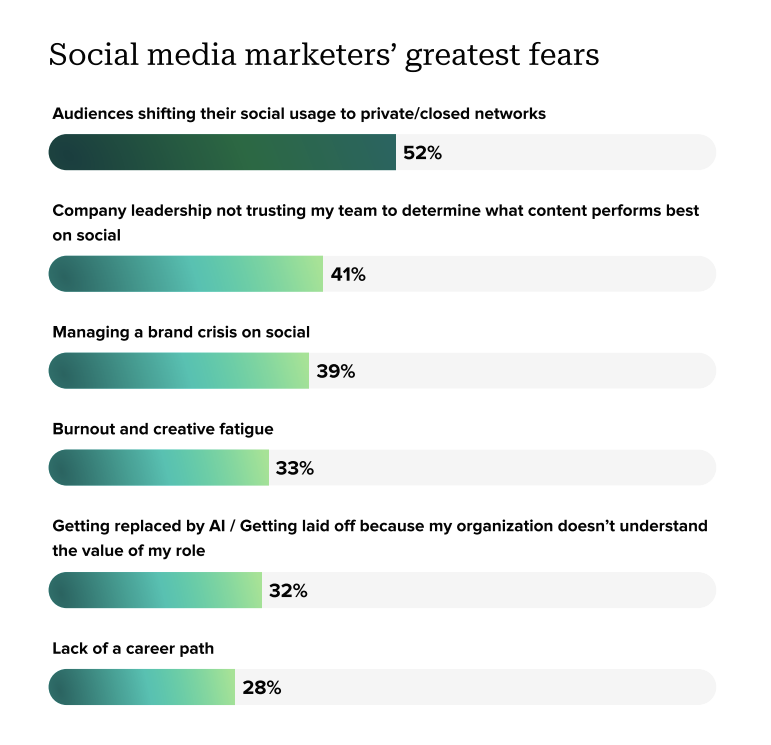
This technique isn’t just about speed; it is about cognitive preservation. According to the 2025 Sprout Social Index, 94% of practitioners feel the pressure to remain "chronically online" to succeed, a reality that contributes to a pervasive fear of burnout and creative fatigue among 33% of the industry. By carving out specific blocks of time for creative deep work, teams can reclaim their mental energy, ensuring that content quality doesn’t suffer under the weight of last-minute deadlines.
The Chronology of a Batching Workflow
To transition from a reactive model to a strategic, batched approach, teams must adopt a rigorous four-phase framework. This structure ensures that no step in the creative process is skipped, even when working at scale.
Phase 1: Strategic Ideation
The process begins with the "content pillar" audit. Brands must identify the core themes—such as product education, culture, or influencer partnerships—that anchor their voice. By brainstorming within these pillars, creators ensure that every piece of content serves a broader business objective, such as driving sales or increasing brand affinity.

Phase 2: Production and Asset Creation
This is the operational heart of the strategy. Rather than creating content daily, teams should dedicate specific days to specific production tasks. For instance, a "filming day" allows for the capture of all video requirements, while an "editing day" enables the refinement of visuals. This separation allows for higher creative focus and the ability to experiment with storytelling angles that are often missed when rushing to post.
Phase 3: The Collaborative Review
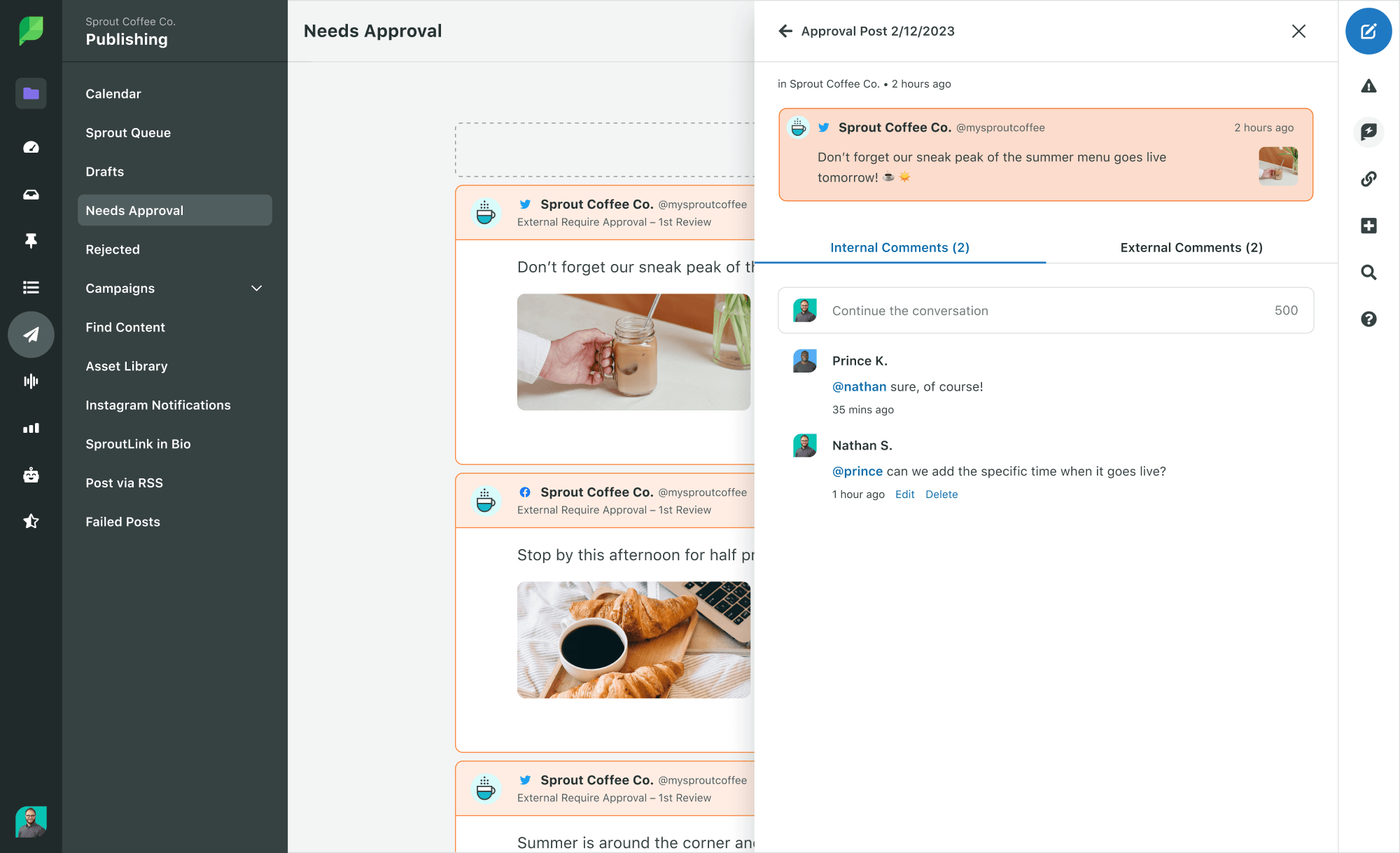
Before distribution, content must pass through a rigorous approval filter. In larger organizations, this often involves multiple stakeholders. Using a centralized management tool is essential here to avoid the "email ping-pong" effect. By utilizing platforms like Sprout Social, teams can establish multi-step approval workflows that create a clear, traceable path for sign-offs, fostering accountability and reducing friction.
Phase 4: Distribution and AI-Optimized Scheduling
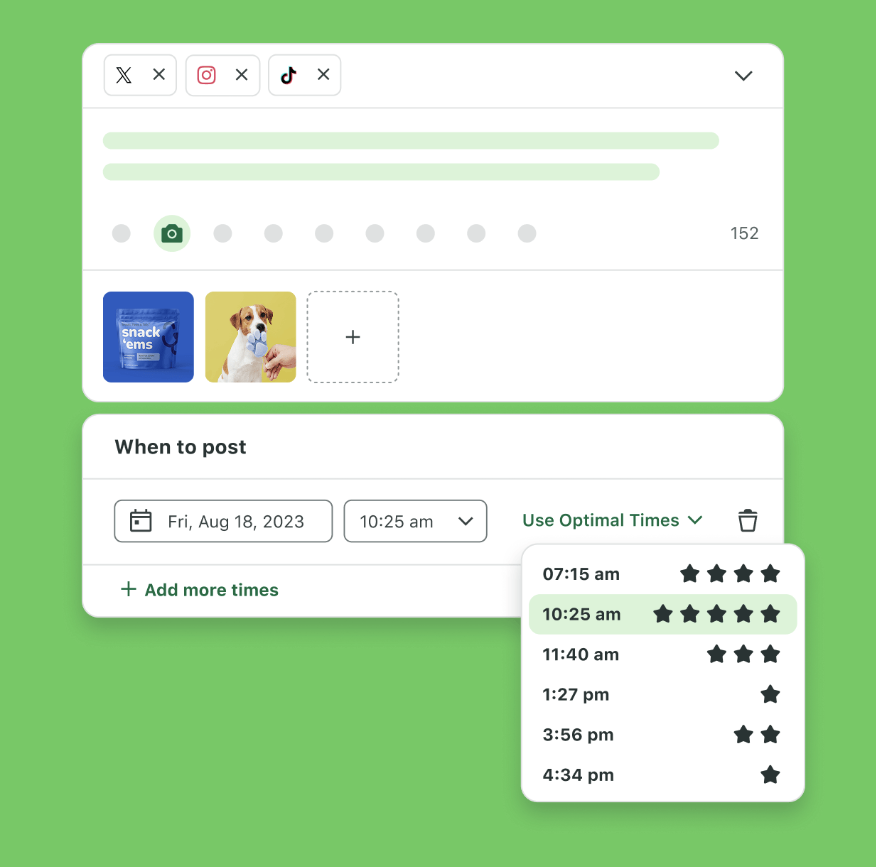
The final step involves populating a content calendar. Modern social media management platforms have moved beyond simple scheduling; they now incorporate AI-driven tools like ViralPost®, which analyze engagement patterns to determine the optimal moment to hit "publish." Once scheduled, the content enters an automated delivery cycle, freeing the team to focus on community management and long-term strategy.
Supporting Data: Why "Always-On" Requires New Tactics
The necessity for this structural change is backed by hard data. The 2026 Social Media Content Strategy Report highlights a shift in consumer behavior: users are no longer looking for sporadic updates; they are looking for cohesive narratives.
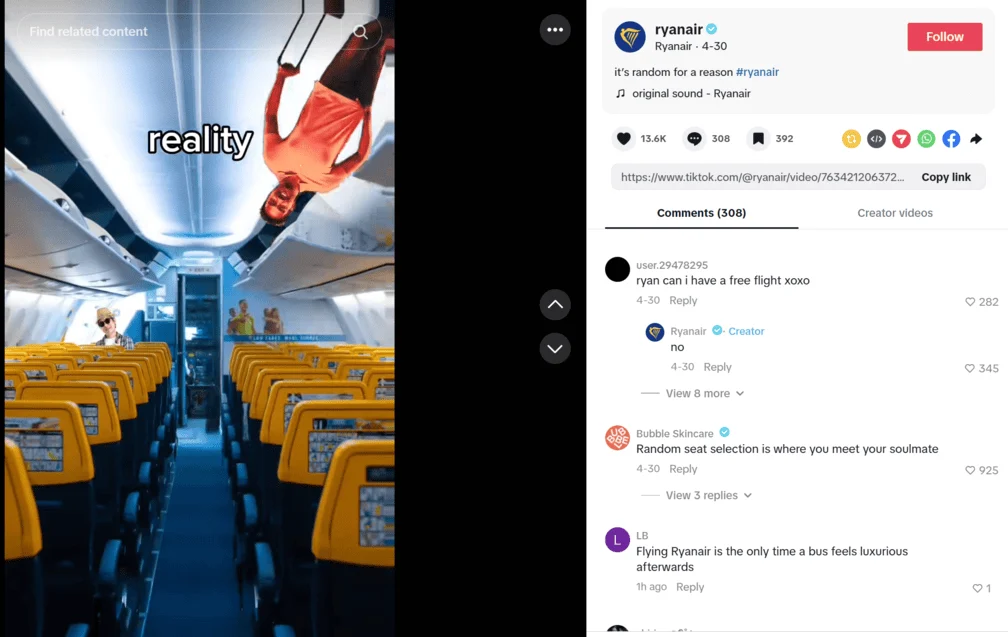
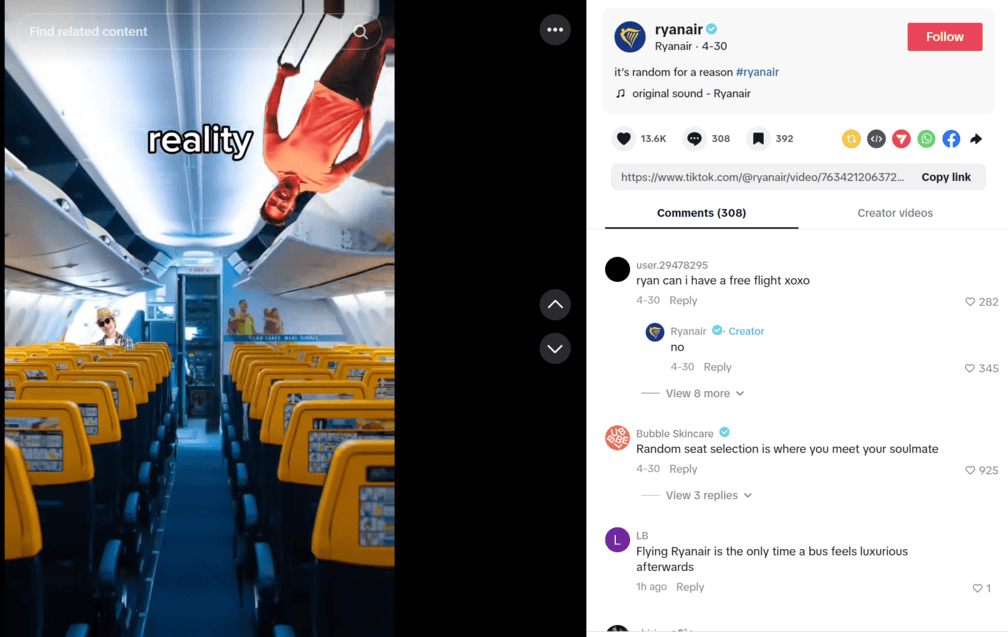
Furthermore, the "Ryanair Effect" demonstrates how brands can maintain a unified identity while tailoring execution to specific platforms. By batching content, a brand can see its entire monthly output side-by-side. This visual overview makes it significantly easier to maintain consistent color palettes, typography, and brand voice across disparate channels like LinkedIn, where the tone is professional, and TikTok, where it is inherently chaotic and humorous.
Official Industry Perspectives
Marketing leaders are increasingly advocating for this shift in resource allocation. The consensus among industry experts is that the time "reclaimed" from manual posting is not meant to be left idle; it is meant to be reinvested into high-level strategic planning.
"The goal is to stop acting like a factory line and start acting like a media company," says one industry analyst. "When you batch your content, you aren’t just saving hours; you are creating the breathing room necessary to analyze performance data and pivot your strategy based on what your audience actually wants, rather than just what you have time to produce."
The Toolkit: Essential Infrastructure for 2026
Transitioning to a batching model requires the right stack of tools. For visual creation, platforms like Canva have become essential for their vast template libraries, which allow non-designers to create professional-grade assets. For more complex, high-fidelity production, the Adobe Creative Suite remains the industry gold standard for customized, high-impact visuals.
However, the most critical component is the Centralized Social Media Management Platform. A tool that acts as a "single source of truth" is non-negotiable. It must allow for:

- Unified Calendars: A visual bird’s-eye view of all content across all platforms.
- Automated Reporting: Real-time data visualization that identifies which content themes are driving ROI.
- Approval Workflows: A digital bridge between the creative team and leadership.
Implications for Future Growth
The long-term implications of adopting a batching workflow are profound. Beyond the immediate relief of reduced stress and better work-life balance, the primary benefit is data-driven agility.
Because batching creates a clean, organized repository of content, it becomes significantly easier to analyze what works. Using automated reporting tools, brands can identify "high-performing content buckets" at the post or profile level. This allows for a cyclical improvement process:
- Analyze: What did the data say about last month’s batch?
- Optimize: What tweaks can we make to the creative in the next batch?
- Scale: How can we double down on the formats that drive the most traffic or conversions?
Operational Scalability
The beauty of the batching model lies in its scalability. Whether you are a solo entrepreneur or part of a global marketing department, the principles remain identical, only the time-allocation shifts.
- For the Solo Practitioner: The strategy is about compression. By focusing on two highly intense, distraction-free days, one can produce a full week of output, leaving the remaining three days free for business growth, networking, and high-level strategy.
- For Mid-Sized Teams: The strategy is about collaboration. Longer batching periods allow for iterative feedback loops. When team members aren’t constantly interrupted by the need to "post something now," they have the space to provide constructive input, leading to more polished and effective campaigns.
Conclusion: The Path Forward
In the final analysis, content batching is not merely a "productivity hack"—it is a strategic necessity for any brand that intends to remain relevant in the digital ecosystem of 2026. The shift from manual, real-time posting to a planned, batched, and AI-optimized strategy marks the maturation of social media from a side project to a core business pillar.
By reclaiming time from the "always-on" grind, marketers can finally return to the most important part of their jobs: building genuine connections with their audience. As the tools for management and analysis become more sophisticated, the brands that win will be those that use this technology to work smarter, not harder.
Frequently Asked Questions
Q: Does batching content make it feel less authentic?
A: On the contrary. Because you are spending more time on the planning phase, your storytelling becomes more intentional. Batching gives you the space to connect ideas and develop series, which creates a more cohesive and professional brand image.
Q: What if news breaks and my pre-scheduled content becomes irrelevant?
A: Batching does not mean "set it and forget it" without oversight. Modern scheduling platforms allow you to pause or swap out content in seconds. The goal is to have a steady baseline of evergreen content, leaving you the time to react to news cycles when they happen.
Q: Is there a specific time of week that is best for batching?
A: This depends on your team’s workflow, but many successful teams prefer mid-week (Tuesday or Wednesday) for planning, and the end of the week (Thursday or Friday) for production and final scheduling, ensuring the following week is ready to go by Monday morning.












No comments yet. Be the first to join the conversation!