

As the 2026 FIFA World Cup approaches its June 11 kickoff, the global sports landscape is bracing for a marketing blitz of unprecedented scale. Amidst the flurry of corporate sponsorships and broadcast deals, consumer packaged goods (CPG) giant Unilever is positioning itself not just as a spectator, but as a central player in the digital conversation. By deploying a “social-first” strategy that effectively marries the emotional resonance of traditional television with the viral, communal power of social media, Unilever is launching its most ambitious sports partnership activation to date.
Main Facts: A Pivot to "Many-to-Many" Engagement
Unilever’s 2026 World Cup campaign represents the operational crystallization of a strategic pivot initiated last year: the pledge to shift 50% of its total digital marketing budget toward social-first tactics. The core objective is to move away from the "one-to-many" broadcast model—historically the bedrock of CPG advertising—toward a "many-to-many" approach.
The campaign utilizes a vast portfolio of personal care powerhouses, including Dove, Dove Men+Care, Rexona, Degree, Axe, and Lynx. These brands are not simply running commercials; they are embedding themselves into the fabric of fan culture through:
- The "Locker Room" Content Hub: A 24/7 digital nerve center staffed by creators, sports analysts, and soccer experts. This hub is designed to produce real-time content that reacts to matchday developments, ensuring Unilever brands remain relevant in the fast-moving social media discourse.
- Hyper-Local Influencer Networks: Following CEO Fernando Fernandez’s vision of having an influencer in every “ZIP code and municipality,” the campaign deploys a global roster of creators ranging from athletes and sportscasters to lifestyle, fashion, and beauty influencers.
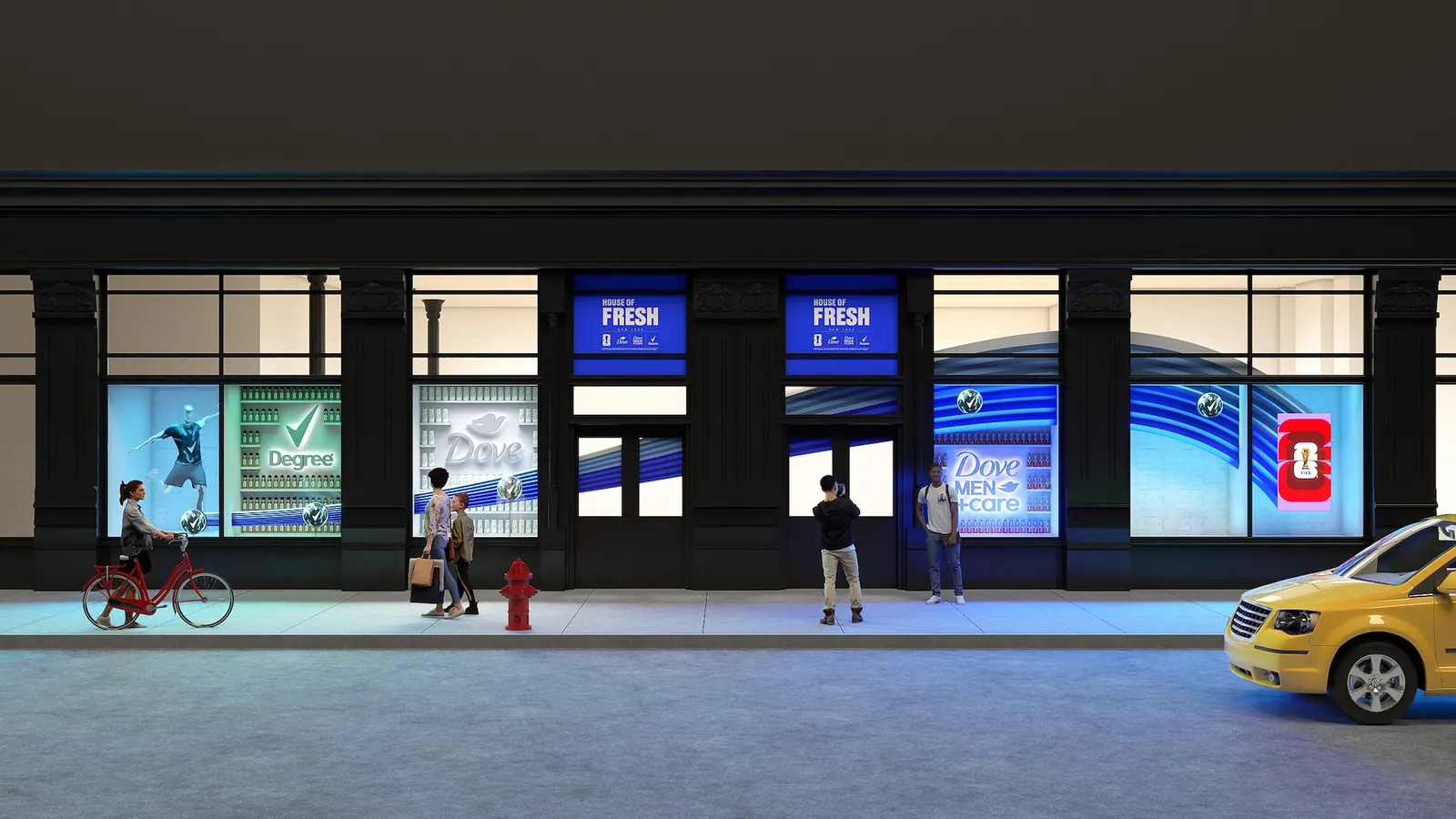
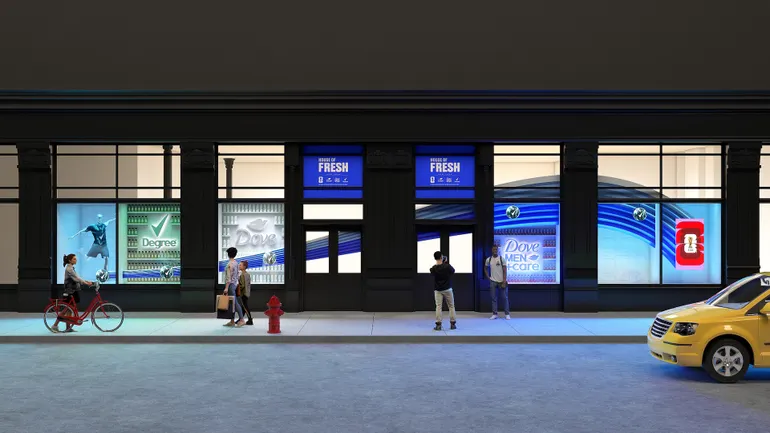
- "House of Fresh" Experiential Activations: Physical hubs in host cities—specifically Mexico City, New York, and Miami—that are purpose-built to facilitate user-generated content (UGC). These spaces serve as physical anchors for the digital campaign, encouraging fans to create and share their own matchday stories.
Chronology: The Road to the 2026 World Cup
The road to this massive activation has been paved by a series of structural and strategic shifts within Unilever over the past 24 months:
- 2024: Unilever begins a significant ramp-up in U.S. sports marketing investment, effectively doubling its budget compared to previous years. This period marks the internal transition toward valuing social-first tactics as primary drivers of brand desire.
- Early 2025: As part of a broader corporate restructuring, Unilever announces the spinoff of its ice cream business and the divestment of its food unit. This transition signals a narrower, more intense focus on its personal care and beauty portfolios.
- Q1 2026: Amidst leadership changes—including the departure of Chief Growth and Marketing Officer Esi Eggleston Bracey and the promotion of Leandro Barreto to the top marketing role—the company finalizes its World Cup engagement strategy.
- May 2026: Unilever officially unveils the "House of Fresh" and the "Locker Room" initiatives, setting the stage for the tournament kickoff.
- June 11, 2026: The World Cup begins, serving as the ultimate stress test for the company’s real-time content infrastructure and global creator network.
Supporting Data: Why Social-First?
Unilever’s decision to commit half of its digital spend to social media is backed by a shift in consumer behavior. With linear TV viewership fragmenting, the CPG giant has identified that younger demographics—the primary consumers of its personal care lines—are increasingly sourcing their cultural relevance from niche influencers and community-led social platforms like TikTok and YouTube.
The investment is substantial. According to internal insights shared with Marketing Dive, the company’s spend on U.S. sports marketing has seen a near-doubling in the last two years. By leveraging paid media to optimize creator content, Unilever aims to extend its reach beyond the 90 minutes of a soccer match, creating an "always-on" halo effect that sustains engagement throughout the tournament’s duration.
The strategy acknowledges a complex reality: while the World Cup remains a unifying event, global economic uncertainty and regional geopolitical conflicts have created a volatile environment for attendance and consumer sentiment. By focusing on "freshness and confidence" rather than purely traditional brand messaging, Unilever aims to provide a reliable, positive emotional touchpoint for fans regardless of the external climate.
Official Responses and Strategic Vision
The leadership team at Unilever has been transparent about the intent behind this massive undertaking. Afke van de Klashorst, vice president of integrated brand experience at Unilever Personal Care, emphasized that this is a departure from traditional sponsorship.
"Our ambition is for our brands to show up in spaces where fandom lives and in ways that are authentic, native to social, and meaningful," van de Klashorst stated. "This activation reflects how we’re engaging with sport not just as sponsorship, but as a platform to build brand desire and cultural relevance to drive superior growth."
Sarah Potter, influencer and media director at Unilever Personal Care, highlighted the tactical execution of the campaign, noting, "We will be using paid media to continually optimize our creator content to reach our audiences and extend content visibility throughout the tournament and beyond. We will be amplifying content across a range of platforms, such as TikTok and YouTube."

This sentiment is echoed by the broader organizational push for "many-to-many" marketing. By moving away from the rigid structure of traditional broadcast, Unilever is betting that the agility of its "Locker Room" hub and the authenticity of its diverse influencer roster will result in higher conversion rates and more meaningful brand-consumer relationships.
Implications for the CPG Industry
Unilever’s World Cup activation is more than just a campaign; it is a potential case study for the entire CPG sector. Several key implications emerge from this strategy:
1. The Death of "Broadcast-Only" Marketing
The industry is observing a fundamental shift. For decades, CPG brands relied on massive, one-time TV ad buys to drive awareness. Unilever’s strategy suggests that in a digital-first world, the "reach" of TV must be supplemented—or even superseded—by the "engagement" of social media. The ability to react in real-time to tournament highlights, controversies, and viral moments is now as important as the ad itself.
2. Influencers as the New Distribution Channel
By decentralizing its marketing through influencers in diverse ZIP codes, Unilever is essentially building its own distribution network for content. This bypasses the need for traditional media gatekeepers, allowing the brand to enter existing, trusted communities rather than trying to shout at them from the outside.
3. Experiential as Content Engine
The "House of Fresh" spaces in New York, Miami, and Mexico City serve as a reminder that even in a digital-first era, physical activations are essential for generating authentic UGC. By designing these spaces specifically to be "Instagrammable" or "TikTok-friendly," Unilever is effectively crowdsourcing its marketing creative, as fans become the creators of the brand’s visual narrative.

4. Navigating Corporate Restructuring
The campaign also highlights the agility required by modern conglomerates. Even while undergoing a massive corporate restructuring—cutting 7,500 jobs and spinning off major business units—Unilever has maintained its commitment to long-term brand-building. Under the new leadership of Leandro Barreto, the focus remains on "superior growth" through modernized marketing, suggesting that the company’s structural shakeup is intended to streamline, rather than shrink, its marketing ambitions.
Conclusion
As the world turns its eyes to the 2026 FIFA World Cup, Unilever’s strategy will be under the microscope. The success of the "Locker Room" and the "House of Fresh" will likely dictate the future trajectory of global CPG advertising. If the company can successfully translate the communal, raw energy of social media into tangible brand loyalty, it will have set a new benchmark for how global brands navigate the increasingly complex intersection of sports, culture, and commerce.
In a world where consumers are increasingly skeptical of polished corporate messaging, Unilever’s gamble on authenticity, creator-led storytelling, and 24/7 responsiveness may well be the blueprint for the next decade of marketing. The game has begun, and for Unilever, the pitch is everywhere.












No comments yet. Be the first to join the conversation!