In a move that signals a seismic shift in European media strategy, the Spanish government has officially greenlit a €6.4 million ($7.4 million) investment in the Las Palmas-based animation powerhouse, Amuse Animation. This capital injection, facilitated through the Spanish Society for Technological Transformation (SETT), underscores a rapidly evolving national policy: Spain is no longer content to simply be a tax-incentive haven for international productions; it is now actively positioning itself as a primary equity stakeholder in the global intellectual property (IP) market.
The investment, announced on July 16, 2026, marks the second significant state-backed deal in the Canary Islands animation sector in less than two months, following the €25 million commitment to Anima Kitchent. Together, these moves signal a coordinated effort by the Ministry for Digital Transformation to cement Spain’s reputation as a global "Audiovisual Hub."
The Strategic Anatomy of the Deal
The investment in Amuse Animation is not a simple grant; it is a sophisticated financial maneuver designed to scale the studio’s operational capacity. Under the terms of the agreement, the SETT will acquire a 48% stake in the studio. This is part of a broader €13.2 million capital increase, which blends public funds with private capital to ensure the company has the liquidity required for aggressive international expansion.
For Amuse, this infusion of capital is earmarked for a clear strategic objective: the evolution from a production-focused entity into a full-scale global franchise manager. The studio, which has built a formidable reputation in the preschool entertainment sector since its inception in 2014, intends to move beyond just "producing" content to "owning and exploiting" its own IP. This includes an integrated approach to development, spanning the entire pipeline from creative concept to global licensing, merchandising, and cross-platform distribution.
A Decade of Growth: The Chronology of Amuse Animation
To understand the significance of this investment, one must look at the trajectory of Amuse Animation over the last twelve years.
- 2014: Amuse Animation is founded, quickly identifying the preschool digital landscape as an underserved market with massive growth potential.
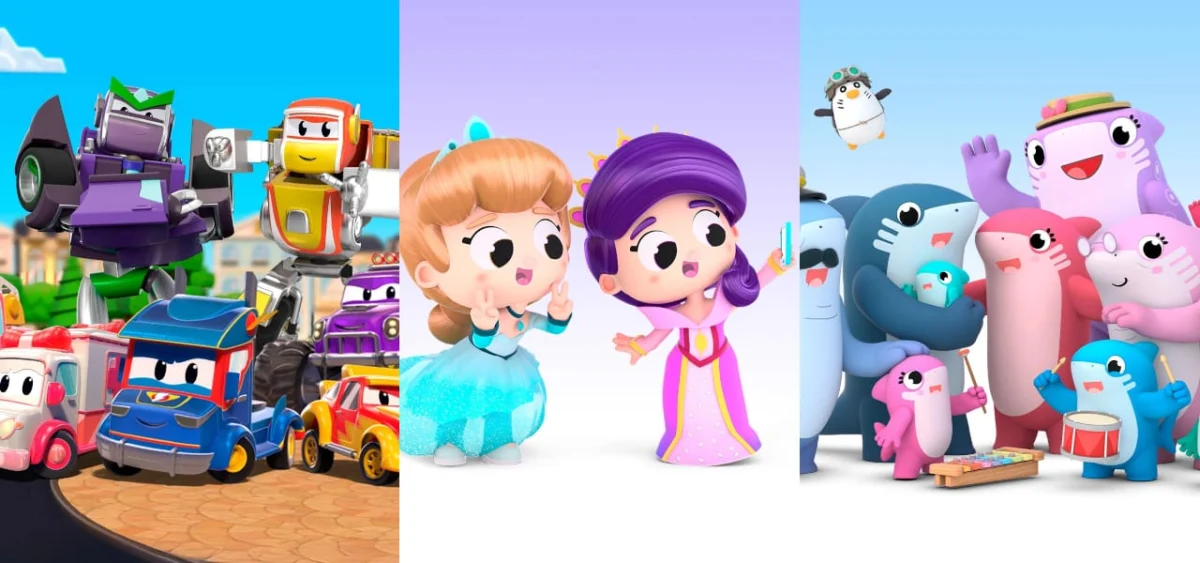
- 2017–2022: The studio establishes its reputation as a digital-first powerhouse, securing massive viewership numbers on platforms like YouTube and SVOD services. Its flagship series—Car City, Shark Academy, and Increditales—begin to generate billions of cumulative views.
- 2023: Recognizing the need for global reach, the company expands its physical presence, opening strategic offices in Paris and Shanghai. This move allows the studio to bridge European creative sensibilities with Asian market production efficiencies.
- 2025: The studio hits a milestone, with its content localized into 27 languages and reaching an audience of over 600 million monthly viewers.
- 2026 (July): The Spanish government identifies Amuse as a "strategic engine" for the nation’s digital transformation, leading to the current €6.4 million investment.
Data-Driven Dominance: Why the Government Invested
The Spanish Ministry for Digital Transformation did not choose Amuse Animation by accident. The studio’s metrics provide a compelling case for the high-yield potential of animation as an exportable asset.
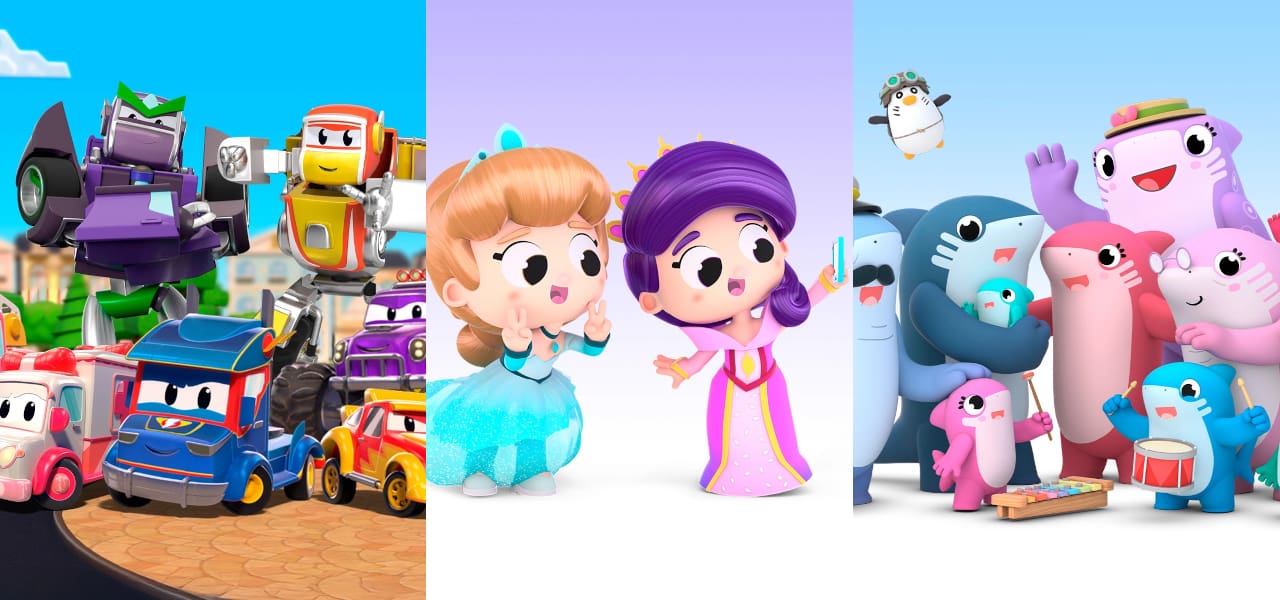
The studio’s current library consists of over 30 original intellectual properties. Unlike traditional television productions that rely on linear broadcasting schedules, Amuse’s "digital-first" model ensures that their content is "always-on." This has resulted in a massive footprint:
- Reach: Over 600 million monthly views across digital platforms.
- Localization: Content is currently distributed in 27 languages, proving the universal appeal of their visual storytelling.
- Portfolio: A library of 30+ original IPs that are ripe for merchandising and licensing expansion—a key factor for the government’s desire to see more "Spanish-owned" global brands.
The economic impact of this investment is expected to be immediate. The government projects the creation of 40 direct, highly skilled jobs within the studio, and a further 150 indirect positions in the surrounding ecosystem, including animation software engineers, translators, marketing specialists, and legal consultants.
Official Responses and Political Vision
The investment is a cornerstone of the "Spain Audiovisual Hub" initiative, a government policy designed to boost the country’s competitiveness in the digital age.
"Spain is strengthening its leadership in audiovisual production, with the Canary Islands serving as a strategic engine," stated Ángel Víctor Torres, Spain’s minister of territorial policy and democratic memory, during the announcement.
The focus on the Canary Islands is intentional. The region has become a magnet for international studios, thanks to its unique combination of specialized tax incentives, high-quality infrastructure, and a burgeoning pool of local talent. By injecting direct capital into a studio like Amuse, the government is signaling that it wants the economic benefits of these productions to remain within Spanish borders, rather than just serving as a "tax-friendly" backdrop for foreign companies.
Implications for the Future of Spanish Animation
The implications of this deal are far-reaching, both for the studio and the broader Spanish economy.
.png)
1. The Shift to "IP Ownership"
Historically, many European animation studios have operated as "work-for-hire" service houses for major American or Asian conglomerates. While profitable, this model leaves the studio vulnerable to the whims of the client. By supporting Amuse in its transition to an IP-owner model, the Spanish government is encouraging a more sustainable and lucrative business structure that keeps the long-term value of the content within the country.
2. Ecosystem Maturation
The investment is designed to have a "multiplier effect" on the Canary Islands’ production ecosystem. The influx of capital will increase demand for local services, including post-production facilities, sound design, and specialized legal services for international distribution. Furthermore, the government has explicitly tied the investment to partnerships with local universities and vocational training programs, ensuring that the next generation of animators is trained with the skills needed to support this expanding industry.
3. A New Model for State-Led Growth
For the international animation industry, the Amuse deal serves as a case study in how governments can effectively participate in the "creative economy." By acting as a venture partner through the SETT, the Spanish government is not just subsidizing an industry; it is making a calculated bet on the future of digital entertainment. If successful, this model could be replicated in other sectors, with the government acting as an "anchor investor" to help companies achieve the scale necessary to compete with the giants of Hollywood and East Asia.
The Road Ahead
As Amuse Animation begins its next phase of growth, the pressure to perform will be significant. With 48% of the company now tied to public investment, the studio is under the spotlight. However, the firm has already demonstrated an uncanny ability to navigate the complexities of the global digital market.
The synergy between the studio’s proven digital track record and the government’s robust financial support creates a unique environment for innovation. If Amuse can successfully pivot its 30+ IPs into global consumer product franchises, it will likely serve as the blueprint for how mid-sized European studios can survive and thrive in an increasingly consolidated global media landscape.
For now, the message from Madrid is clear: the Canary Islands are open for business, and the Spanish government is ready to be a long-term partner in the business of telling stories—provided those stories have the potential to conquer the global stage.