

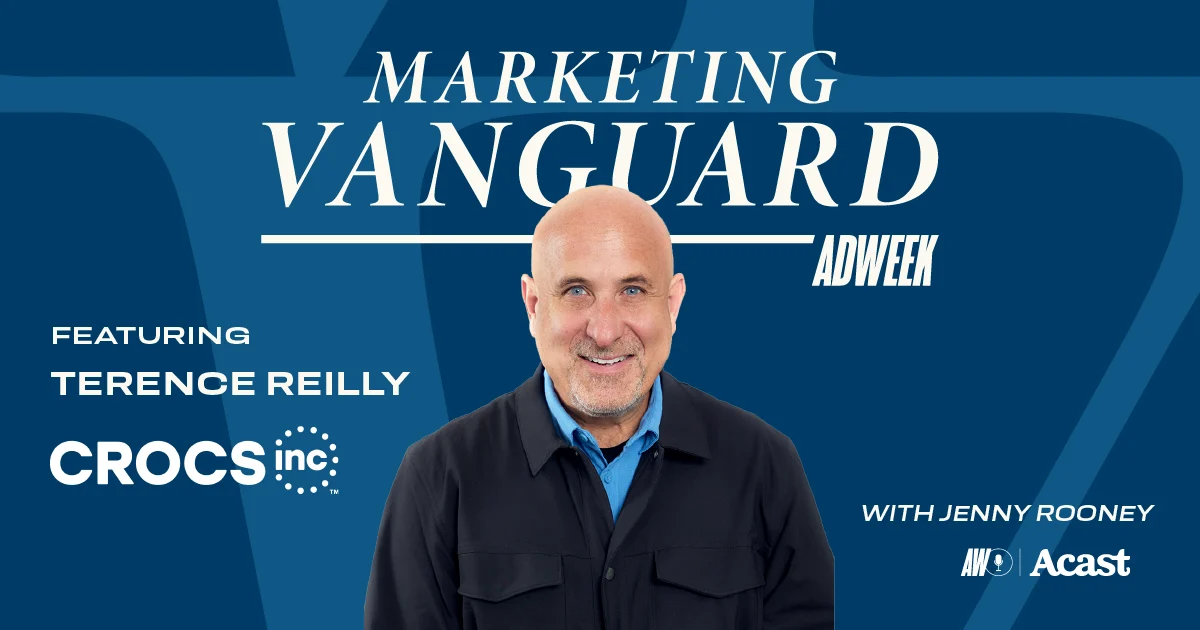
In the high-stakes world of consumer marketing, the gap between a stagnant legacy brand and a global cultural phenomenon is often measured in risk, intuition, and the audacity to embrace the absurd. Few executives have mastered this transition as effectively as Terence Reilly. With a career trajectory that reads like a masterclass in brand transformation, Reilly has served as the architect behind the meteoric rise of Stanley 1913 and the radical reinvention of Crocs.
Currently serving as the Chief Brand Officer at Crocs, Inc.—a role he assumed after steering the ship at HeyDude and leading the transformative era at Stanley—Reilly has become the industry’s foremost authority on taking the “uncool” and making it inescapable.
The Chronology of a Turnaround Specialist
Terence Reilly’s career is defined by a consistent ability to identify the dormant potential in heritage brands. His professional journey spans financial services, retail, and consumer goods, with pivotal leadership roles at Footaction, Famous Footwear, and eventually, the brands that would define his legacy.
- The Crocs Genesis: During his initial tenure as CMO of Crocs, the brand was widely perceived as a functional utility—a polarizing piece of foam that was frequently the butt of fashion jokes. Reilly didn’t shy away from the stigma; he leaned into it.
- The Stanley Surge: As president of Stanley 1913, Reilly oversaw the brand’s transition from a rugged, masculine hardware-store staple to a Gen-Z accessory icon. It was here that he mastered the art of the viral moment, most notably the legendary TikTok car-fire campaign.
- The Return: After a successful stint leading HeyDude, Reilly returned to Crocs, Inc. as Chief Brand Officer one year ago, tasked with sustaining the momentum of a brand that had successfully moved from the “ugly” bin to the center of global pop culture.
The Anatomy of a Viral Phenomenon
The most tangible evidence of Reilly’s strategic vision is the Stanley car-fire campaign. When a video surfaced of a woman’s car completely incinerated, save for her Stanley tumbler—which still held ice—the internet reacted with awe. Rather than responding with a standard, sanitized corporate statement, Reilly authorized the company to engage directly with the consumer.
The brand didn’t just comment; they gifted the consumer a new car. The result was a masterclass in reactive marketing: 100 million views and an estimated $50 million in additional revenue. This was not a pre-planned media buy; it was the result of a culture that prioritized speed and genuine human connection over rigid brand guidelines.
Strategies for the Modern CMO: Lessons in Leadership
In an era defined by AI-generated content and a growing sense of “collaboration fatigue,” Reilly argues that the most effective marketing isn’t found in a dashboard, but in the human elements of the organization.
The Gift of Trust and Time
Reilly’s leadership philosophy is rooted in a simple but radical concept: the gift of trust and time. In large organizations, the pressure to appease boards and shareholders often creates a culture of paralysis. Reilly posits that this is the death knell for innovation.
“You’ll figure it out. You’ll get it done. I trust you to do it,” is the mantra he instills in his teams. By removing the fear of immediate professional ruin, he grants his staff the psychological safety required to experiment, fail, and iterate. He argues that brand leaders must shift their perspective: marketing is not heart surgery. When the stakes are reframed as opportunities rather than liabilities, teams are liberated to produce their best work.
Insight Surfacing: The Intern Advantage
One of the most profound revelations from Reilly’s career involves his partnership with Post Malone. The collaboration, which became a defining moment for Crocs, did not emerge from an expensive market research firm or a boardroom brainstorming session. It originated from a junior intern who noticed the artist wearing Crocs in a hotel lobby.
Reilly emphasizes that CMOs often look for signals in the wrong places. “Insight surfacing”—the process of actively soliciting and documenting observations from frontline employees—is, in his view, the most underutilized tool in the corporate toolkit. The people closest to the product and the culture are the ones who can identify the next wave, provided they are given a channel to communicate those findings directly to leadership.
Risk as a Competitive Advantage
Perhaps the most defining trait of Reilly’s approach is his inversion of the “fail fast” rhetoric. While many companies preach failure as a virtue, few actually reward it. Reilly brings a New Jersey-bred competitiveness to his roles, treating marketing as a domain where calculated risk is the primary differentiator.
To operationalize this, he mandates the public celebration of both wins and losses. By documenting failures, the team learns what does not resonate, turning a corporate liability into a learning asset. He challenges his peers to stop viewing brand criticism as a threat to be managed and instead view it as a metric of relevance.
The “Dignity” Framework: Embracing the Meme
Perhaps the most iconic visual representation of Reilly’s philosophy was a framed meme he kept in his office during his time at Crocs. It read: “Those holes are where your dignity leaks out.”
For most brand managers, such a meme would be a cause for PR intervention. For Reilly, it was a strategic compass. He utilized the Reggie Jackson principle: “They don’t boo nobodies.”
When a brand is being memed, it has achieved the first, hardest step of marketing: awareness. The second step is relevance. By owning the mockery rather than defending against it, Reilly turned the “ugly shoe” narrative into a badge of honor. This inversion of the traditional defensive marketing posture is, in his estimation, the secret to building authentic brand narratives in a cynical, hyper-connected age.
Implications for the Future of Brand Management
As we look toward the future, the lessons from Terence Reilly’s tenure offer a blueprint for brands struggling to stay relevant in a landscape saturated with noise.
- Humanity Over Automation: While AI can optimize ad spend and predictive modeling, it cannot replicate the cultural intuition of an employee who sees a trend on the ground.
- The Death of the "Safe" Play: In a crowded market, neutrality is invisible. Brands that are willing to be polarized—to be loved by some and mocked by others—are the ones that eventually capture the cultural zeitgeist.
- Operationalizing Speed: The ability to move at the speed of social media is now a core business function. If a brand takes weeks to approve a post that needs to happen in an hour, they have already lost the opportunity.
Conclusion: Defining What’s Next
As the industry gathers for events like Brandweek to discuss the future of the profession, Reilly remains a beacon for those looking to move beyond the status quo. His career proves that the most powerful brand assets are not necessarily the products themselves, but the stories told around them, the willingness to be vulnerable to public opinion, and the courage to trust one’s team to navigate the unknown.
For the modern marketer, the path forward is clear: move faster, fear the criticism less, and listen to the people who are actually interacting with your brand. As Reilly has demonstrated, the difference between a legacy product and a global icon is often just one bold decision away.
For more insights on navigating brand transformation, industry leaders are encouraged to join the conversation at Brandweek 2026.












No comments yet. Be the first to join the conversation!