

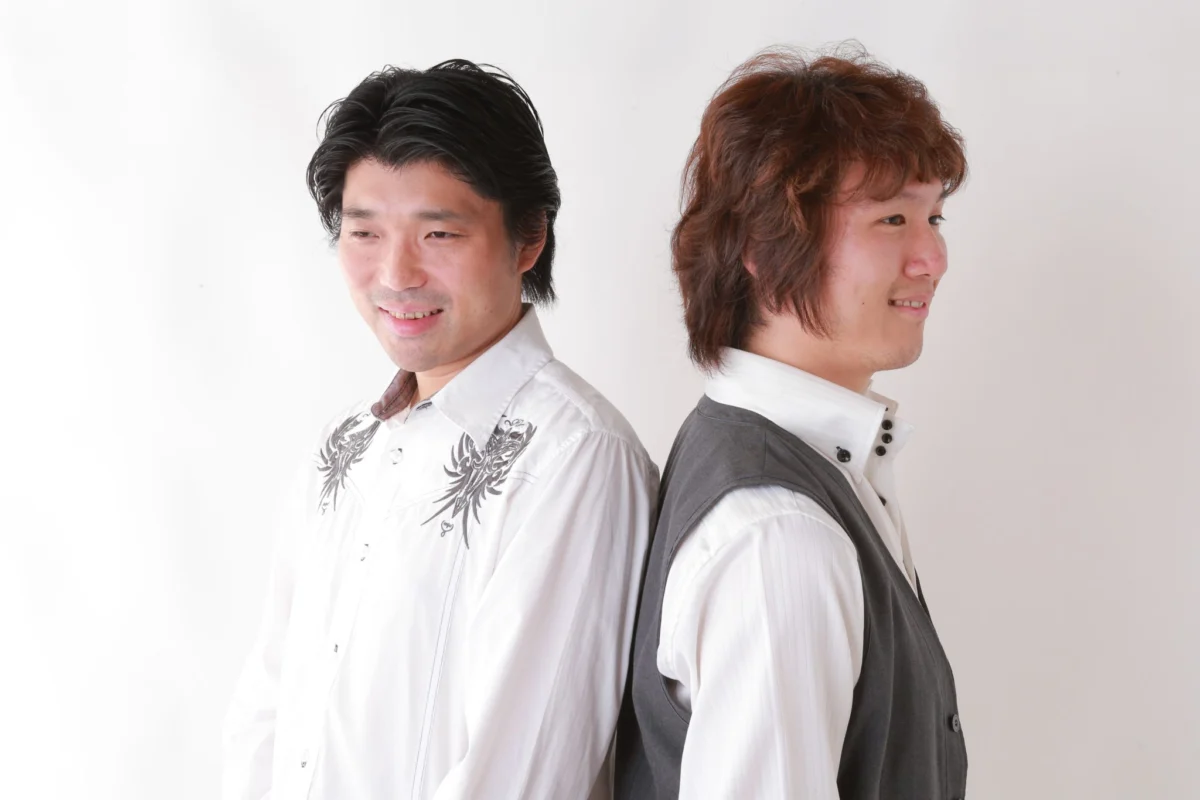
The iconic melodies of The Legend of Zelda have long transcended their humble origins as 8-bit or MIDI-compressed sound chips. They have become the modern world’s folk music—a shared cultural lexicon of adventure, heroism, and mystery. Celebrating the 40th anniversary of the legendary Nintendo franchise, the prolific jazz duo GENTLE LOVE has returned with a transformative new release: Prescription for Sleep: Ocarina of Time.
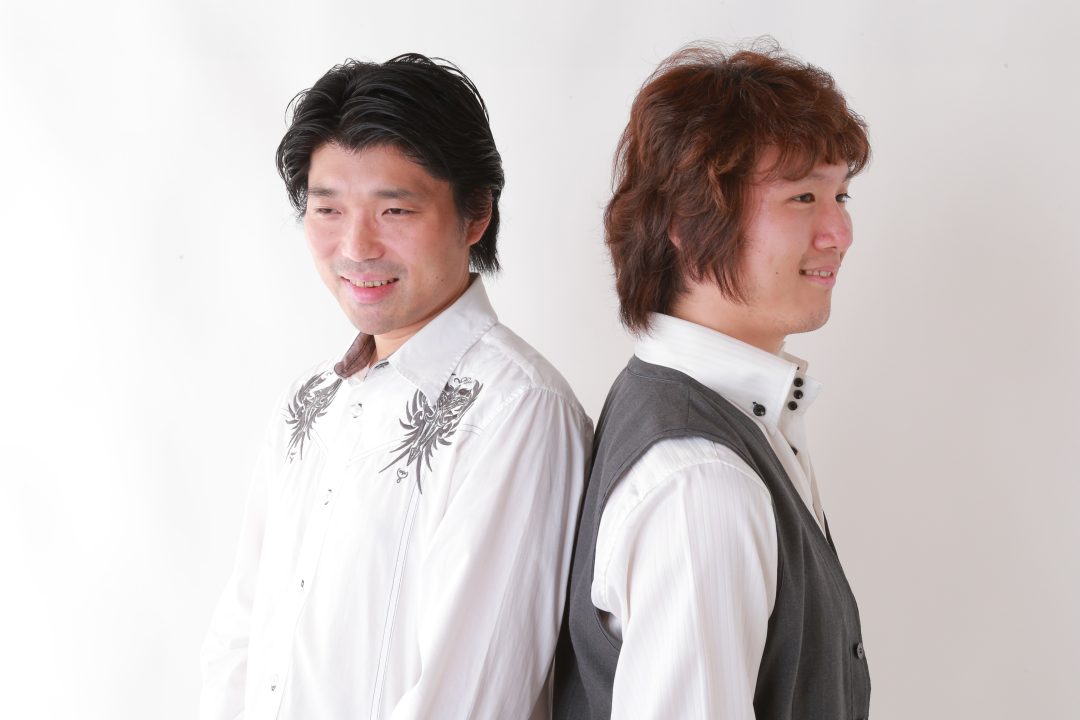
Released via Scarlet Moon Records, this album marks a significant milestone for the duo, comprising saxophonist Norihiko Hibino—famed for his contributions to the Metal Gear Solid series—and pianist AYAKI, whose extensive credits include Etrian Odyssey, Persona Q, and Streets of Rage. Together, they have taken Koji Kondo’s foundational score for the 1998 Nintendo 64 masterpiece Ocarina of Time and deconstructed it into a lush, improvisational jazz odyssey.
The Architecture of Nostalgia: A Chronological Evolution
The history of The Legend of Zelda music is a timeline of technological advancement. From the sparse, chiptune majesty of the 1986 original to the orchestral complexity of Breath of the Wild, Koji Kondo’s work has remained the heartbeat of the series. Ocarina of Time, in particular, occupies a sacred space in gaming history. Its score was the first to effectively utilize the concept of "diegetic" music—music played by characters within the world—through the titular ocarina.
GENTLE LOVE’s approach to this material is not one of mere cover performance, but of chronological and stylistic expansion. By taking tracks that originally lasted mere seconds or looped indefinitely, the duo has stretched them into four-to-seven-minute suites. This expansion allows for a "sonic exploration" that respects the source material while inviting the listener into a deeper, more meditative headspace. It is a transition from the frantic energy of a 1990s action game to the slow, smoky atmosphere of a late-night jazz club.
Supporting Data: An Anatomy of the Soundscape
What separates Prescription for Sleep: Ocarina of Time from other tribute albums is its raw, unpolished intimacy. The production captures the physical reality of the instruments: the soft click of saxophone keys, the resonant vibration of piano wires, and the audible, sharp intake of breath from Hibino during particularly demanding solos.
Track Highlights and Interpretive Choices
- The Title Theme: The album opens with a tentative, delicate rendition of the Title Theme. AYAKI’s piano work echoes the feeling of dawn breaking over Hyrule Field, while Hibino’s sax replaces the traditional ocarina, transforming the melody into a soulful, yearning dialogue.
- Battle: Often overlooked due to its repetitive, rhythmic nature, the "Battle" theme is completely overhauled. It sheds its aggressive, "farty" horn roots and adopts a Pink Panther-esque, lounge-jazz swagger that feels entirely original.
- Lon Lon Ranch ~ Epona: As the longest track on the album (seven minutes), this piece begins with a nod to Erik Satie’s Gymnopédies No. 1. It serves as a masterclass in pacing, slowly ramping up from pastoral melancholy to a vibrant, multi-layered crescendo.
- Requiem of Spirit: In the game, this is a brief, functional jingle. Here, it is reimagined as a sophisticated call-and-response session, reminiscent of the legendary Miles Davis track So What. It showcases the duo’s ability to find massive depth in the smallest of musical motifs.
The Human Element: Professional Perspectives
The brilliance of this record lies in the chemistry between Hibino and AYAKI. Their musical relationship is one of balance. Hibino, known for his emotionally charged, fiery saxophone leads, relies on AYAKI’s grounded, rhythmic precision to keep the album from veering into chaos.
In their official communications regarding the album, the duo emphasized that their goal was not to replicate the game’s sound, but to provide a "prescription" for the listener. This is music designed for rest, reflection, and recovery—a "lullaby" that simultaneously demands the listener’s attention through its technical complexity.
The inclusion of the final track, "Remembrance (Original)," is a testament to the duo’s deep understanding of the source material. Despite being a wholly original composition, it captures the feeling of Ocarina of Time—the loneliness of the Master Sword, the shifting light over the fields, and the crushing weight of a hero’s destiny—better than many direct arrangements. It is a meta-composition that proves GENTLE LOVE has not just studied the game, but internalized its soul.
The Implications: Where Gaming Meets High Art
The release of Prescription for Sleep: Ocarina of Time signals a broader trend in the music industry: the legitimization of video game scores as "standards" akin to the Great American Songbook. Just as jazz legends once took Broadway show tunes and reimagined them through improvisation, contemporary artists are now treating the works of Koji Kondo, Nobuo Uematsu, and Yasunori Mitsuda with the same level of reverence.
Cultural Impact
- Genre Blending: This album bridges the gap between the gaming community and the jazz purist demographic, demonstrating that the barriers between these musical worlds are largely artificial.
- Extended Longevity: By re-recording these tracks, GENTLE LOVE ensures that the melodies of Ocarina of Time remain relevant to a new generation of listeners who may not have played the original game but are drawn to the aesthetic of lo-fi and smooth jazz.
- The "Sleep" Concept: The Prescription for Sleep series has carved out a niche in the streaming market, proving that there is a significant demand for "functional" music—scores that serve a therapeutic purpose, whether for relaxation, study, or sleep.
Conclusion: A Timeless Tribute
Prescription for Sleep: Ocarina of Time is an album of remarkable duality. It is simultaneously a relaxing companion for the weary listener and a complex study for the attentive jazz enthusiast. The juxtaposition of the technical skill displayed by Hibino and AYAKI with the raw, imperfect, and human sounds of the recording process creates a listening experience that feels lived-in and honest.
If one were to imagine a tavern in Hyrule—a place where the heroes and creatures of that world go to rest after the quest is done—this is exactly the music that would be playing in the corner, under the flickering torchlight. By dressing these fan-favorite melodies in new, sophisticated clothes, GENTLE LOVE has done more than celebrate a 40-year legacy; they have ensured that these songs will continue to resonate for decades to come.
Whether you are a long-time Zelda fan looking to revisit the magic of your childhood or a jazz lover searching for something fresh, this album offers a rare, high-quality synthesis of two worlds. It is, in every sense, a masterful performance that pedestals the timelessness of Koji Kondo’s original vision, proving that while the graphics of 1998 may age, the music remains forever young.












No comments yet. Be the first to join the conversation!