Raul Delapena Setiawan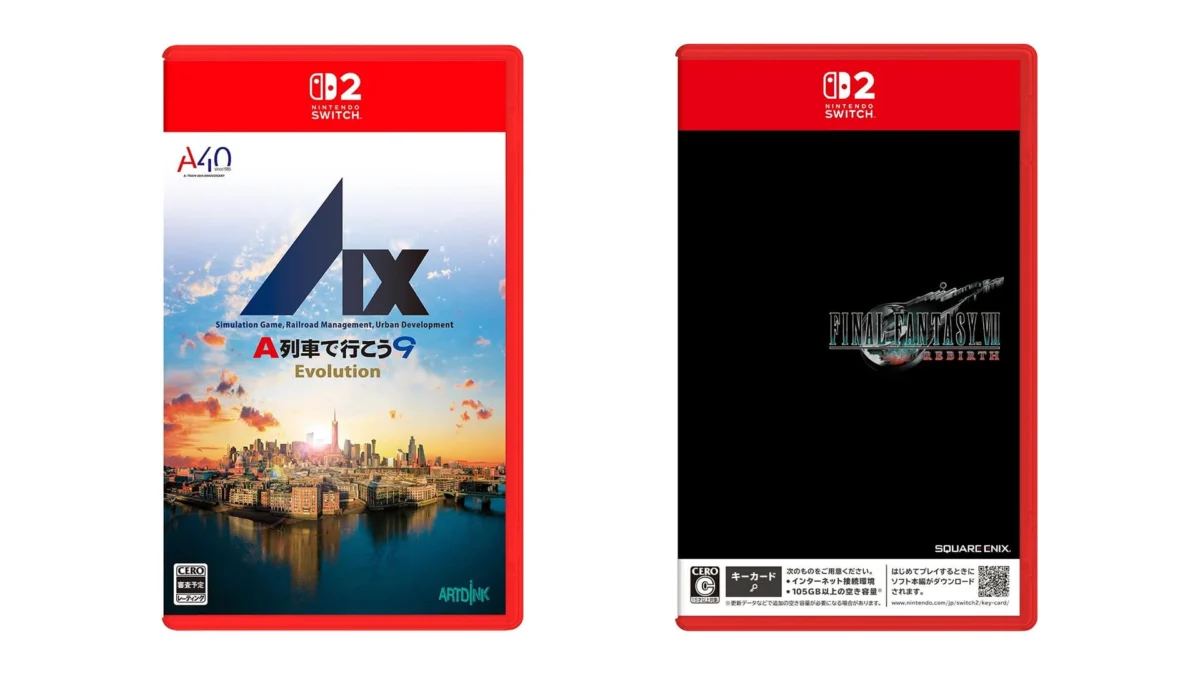
TOKYO, Japan – The Japanese video game market is buzzing with a fresh wave of highly anticipated releases this week, offering a diverse palette of experiences ranging from railway management simulations and legendary RPG epics to classic beat-’em-ups and hyper-competitive puzzle games. Among the most prominent titles hitting digital storefronts and physical shelves are A-Train9 Evolution, slated for a mysterious "Switch 2" debut, and the critically acclaimed Final Fantasy VII Rebirth, surprisingly announced for both Xbox Series and the aforementioned unconfirmed Nintendo "Switch 2." These revelations have sent ripples of speculation throughout the industry, particularly concerning the future of Nintendo’s hardware strategy.
Further enriching this week’s lineup are the multi-platform launch of River City Saga: Journey to the West for PlayStation 5, Nintendo Switch, and PC, alongside the highly anticipated return of a cult classic, Tetris the Grand Master 4: Absolute Eye, exclusively for the Nintendo Switch. This confluence of releases underscores the vibrant and dynamic nature of the Japanese gaming sector, catering to a wide array of player preferences and platform allegiances, while simultaneously fueling intense discussions about next-generation console cycles.
Unveiling the Week’s Premier Titles and Their Significance
This week’s releases are not merely new additions to a vast library; they represent significant milestones and strategic moves by their respective publishers. The dual mention of a "Switch 2" alongside flagship titles like A-Train9 Evolution and Final Fantasy VII Rebirth has dominated industry discourse, overshadowing even the immediate excitement of the games themselves.
A-Train9 Evolution on the Horizon of "Switch 2": A Simulation’s Next Stop
For long-time fans of intricate simulation games, the release of A-Train9 Evolution is a noteworthy event. Developed by Artdink, the A-Train series has carved out a niche as a highly detailed railway management and city-building simulator, beloved for its depth and strategic complexity. Players are tasked with constructing vast railway networks, managing train schedules, developing surrounding infrastructure, and observing the economic and social impact of their decisions on a burgeoning metropolis. The "Evolution" moniker typically implies significant enhancements to gameplay mechanics, graphical fidelity, and content, pushing the boundaries of what players expect from the franchise.
The particularly striking aspect of this release, however, is its specified platform: "Switch 2." This designation, appearing in official release schedules, has ignited a firestorm of speculation across gaming communities and financial markets alike. Nintendo has maintained a characteristic silence regarding any successor to the immensely successful Nintendo Switch, making any official mention of a "Switch 2" a seismic event. For a game as complex as A-Train9 Evolution, which historically has demanded considerable processing power on PC and PlayStation platforms, a "Switch 2" release implies a substantial leap in hardware capabilities for Nintendo’s next console. This suggests a system capable of handling sophisticated simulations that require robust CPU performance and memory, potentially broadening the scope of genres viable on Nintendo platforms beyond its traditional focus on first-party titles and family-friendly experiences. The implication is that Nintendo might be preparing a machine that can more directly compete with the technical prowess of current-generation consoles, or at least significantly close the gap.
Final Fantasy VII Rebirth Expands Horizons to Xbox Series and "Switch 2": A Strategic Shift
Perhaps the most astonishing announcement of the week is the expansion of Final Fantasy VII Rebirth‘s availability to Xbox Series and, once again, the unconfirmed "Switch 2." Originally launched as a PlayStation 5 exclusive, Final Fantasy VII Rebirth is the second installment in Square Enix’s ambitious remake project of the seminal 1997 RPG, Final Fantasy VII. It garnered widespread critical acclaim for its stunning visuals, expansive world design, refined combat system, and compelling narrative that continues to diverge from and build upon the original’s legacy. Its initial exclusivity to PS5 was a significant win for Sony, reinforcing the console’s appeal to RPG enthusiasts.
The subsequent announcement of Xbox Series and "Switch 2" versions marks a significant strategic pivot for Square Enix. For Xbox, which has historically struggled to gain a significant foothold in the Japanese market against the dominance of PlayStation and Nintendo, securing a title of Rebirth‘s caliber is a monumental victory. It signals a potential renewed effort by Microsoft to penetrate the Japanese market by offering compelling, culturally relevant content. This move could encourage more Japanese developers to consider the Xbox platform, gradually chipping away at the long-standing platform preference.
The "Switch 2" mention for Final Fantasy VII Rebirth is equally, if not more, perplexing and exciting. Given the game’s graphically intensive nature, running on the current Nintendo Switch would be an insurmountable technical challenge without significant compromises or a cloud-streaming solution. However, its inclusion in the "Switch 2" lineup reinforces the narrative that Nintendo’s next console is poised for a substantial power upgrade. This could mean a native port is genuinely feasible, potentially leveraging advanced upscaling technologies or a dramatically more powerful custom SoC. The prospect of experiencing such a visually rich and narratively deep RPG on a future Nintendo portable-hybrid system is undoubtedly tantalizing for fans worldwide and underscores the potential for a truly next-generation experience from Nintendo.
River City Saga: Journey to the West – A Classic Beat-’em-up Reimagined
Adding a dose of retro-inspired action to the week’s releases is River City Saga: Journey to the West. This title is the latest iteration in the venerable Kunio-kun series, known internationally as River City Ransom. Since its debut in the late 1980s, the series has cultivated a devoted following for its unique blend of side-scrolling beat-’em-up action, light RPG elements, and often humorous, over-the-top character designs. The games typically feature high school delinquents Kunio and Riki fighting their way through rival gangs and absurd scenarios.
This particular installment takes the classic formula and injects it with a fresh thematic twist, drawing inspiration from the iconic Chinese literary classic, Journey to the West. Players can expect to embody characters reminiscent of Sun Wukong, Xuanzang, Zhu Bajie, and Sha Wujing, as they embark on an epic quest filled with martial arts, powerful enemies, and the series’ signature irreverent charm. The multi-platform release across PlayStation 5, Nintendo Switch, and PC ensures broad accessibility, allowing a wide audience of new and old fans to experience this unique fusion of traditional folklore and street-brawling action. This strategy maximizes the game’s reach, catering to console players who prefer a couch-co-op experience and PC gamers who appreciate the genre’s enduring appeal.
Tetris the Grand Master 4: Absolute Eye – The Ultimate Puzzle Challenge Returns
For the discerning puzzle game enthusiast, the release of Tetris the Grand Master 4: Absolute Eye on Nintendo Switch is a cause for celebration. The Tetris the Grand Master (TGM) series, developed by Arika, is legendary among competitive Tetris players for its brutally fast gameplay, unforgiving difficulty, and unique mechanics that reward precision and mastery. Unlike more casual iterations of Tetris, TGM games are designed to push players to their absolute limits, featuring progressively faster block drops, invisible "ghost" pieces, and a strict grading system that demands flawless execution.
The TGM series has historically been somewhat niche, often confined to Japanese arcades and later digitally released on specific platforms, making new entries highly anticipated events. Absolute Eye promises to continue this tradition, offering an unparalleled challenge that will test even the most seasoned Tetris veterans. Its exclusive release on the Nintendo Switch is a shrewd move, capitalizing on the console’s massive install base and its reputation as a haven for both casual and competitive puzzle games. The Switch’s portable nature also lends itself well to quick, intense sessions, making it an ideal platform for a game designed for high-score chasing and skill refinement. This release solidifies the Switch’s position as a versatile platform capable of hosting both mainstream blockbusters and specialized, hardcore experiences.
Chronology of Anticipation and Release
While the article focuses on "this week’s" releases, the journey to these launches has been marked by various stages of anticipation. For titles like Final Fantasy VII Rebirth, the excitement has been building since the original Final Fantasy VII Remake‘s release, with fans eagerly awaiting each new chapter. The initial PS5 exclusivity period for Rebirth created a focused period of engagement for Sony’s console, before the recent, surprising multi-platform announcements broadened its future scope.
A-Train9 Evolution has a lineage stretching back decades, with each new iteration generating buzz within its dedicated simulation community. The "Switch 2" reveal, however, has instantly shifted the narrative from a standard game launch to a pivotal moment in hardware speculation.
Similarly, River City Saga: Journey to the West follows a long line of Kunio-kun games, maintaining a consistent presence in the Japanese market. Its announcement and subsequent release continue the tradition of bringing new, imaginative twists to a beloved formula. Tetris the Grand Master 4: Absolute Eye represents a long-awaited comeback for a series that has remained somewhat dormant, making its return a significant event for its dedicated fanbase who have patiently awaited a new challenge.
The collective impact of these releases within a single week creates a concentrated period of consumer activity and industry discussion, highlighting the dynamic flow of new content into the market.
Supporting Data: Market Dynamics and Accessibility
The Japanese video game market presents a unique ecosystem, characterized by strong brand loyalties, specific genre preferences, and evolving retail landscapes. Nintendo’s Switch continues to dominate hardware sales, making it an essential platform for any developer seeking broad reach. The PlayStation 5, while gaining traction, still trails the Switch significantly, while Xbox Series consoles remain a distant third. This context makes the Final Fantasy VII Rebirth announcement for Xbox Series particularly noteworthy, signaling a potentially more aggressive multi-platform strategy from Square Enix, or a significant investment from Microsoft to secure such a high-profile title for its less dominant Japanese market.
The article also highlights the ongoing shift between physical and digital distribution. While physical media retains cultural significance in Japan, digital sales continue to grow, driven by convenience and the proliferation of digital-only titles. The inclusion of digital-only sections in release lists, as seen in the original source, reflects this trend.
International Accessibility and Play-Asia Partnership:
For international players eager to access these Japanese-exclusive or early-release titles, the role of import retailers like Play-Asia is crucial. The mention of Gematsu’s partnership with Play-Asia, offering a "small percentage of money from purchases" and a "GEMATSU2025" coupon code for a five percent discount, underscores the symbiotic relationship between gaming journalism, specialized retail, and the global player base. This mechanism facilitates cross-border gaming, allowing enthusiasts worldwide to experience titles that might otherwise be region-locked or delayed for Western release. It also highlights the growing interconnectedness of the global gaming community, where demand for niche Japanese titles extends far beyond national borders.
Furthermore, the availability of prepaid cards for PlayStation Network and Nintendo accounts, along with direct top-ups for popular gacha games, speaks to the sophisticated digital infrastructure supporting the Japanese market. Gacha mechanics, prevalent in mobile and some console games, represent a significant revenue stream and are deeply ingrained in Japanese gaming culture, necessitating robust and accessible digital payment solutions.
Official Responses and Industry Positioning
While the original snippet does not contain direct official responses from Nintendo, Square Enix, Artdink, or Arika, the implications of these releases, particularly the "Switch 2" mentions, speak volumes about their likely strategies and positioning.
Nintendo’s Enigmatic Silence: Nintendo’s characteristic secrecy regarding new hardware is legendary. The repeated, albeit indirect, appearance of "Switch 2" in third-party release schedules suggests a delicate dance between maintaining secrecy and allowing partners to plan for a future console. It could be an intentional leak to gauge public reaction, an accidental inclusion from a developer privy to advanced information, or even a placeholder for a yet-to-be-named system. Regardless, it signals that the industry is very much aware of an impending hardware refresh from Nintendo, and developers are already preparing their software accordingly. The fact that A-Train9 Evolution, a complex simulation, and Final Fantasy VII Rebirth, a graphically demanding RPG, are linked to this unconfirmed platform, implies a significant power upgrade.
Square Enix’s Multi-Platform Gambit: The decision to bring Final Fantasy VII Rebirth to Xbox Series and a potential "Switch 2" reflects a broader strategic shift at Square Enix towards maximizing market penetration. While PlayStation has long been a primary home for Final Fantasy, diversifying its reach across major platforms allows the company to tap into wider audiences and revenue streams. This move aligns with a growing trend among major publishers to avoid strict exclusivity where possible, especially for titles with high development costs, aiming to recoup investments faster and reach more players globally. It could also be a response to evolving platform holder relationships and a desire to maintain flexibility in a competitive market.
Developer Focus on Core Audiences: For developers like Artdink (A-Train) and Arika (Tetris the Grand Master), these releases underscore a commitment to their niche but dedicated fanbases. Artdink’s decision to target "Switch 2" for A-Train9 Evolution indicates confidence in Nintendo’s future hardware to support their technically demanding simulations. Arika’s choice of the current Switch for Tetris the Grand Master 4 leverages the console’s popularity and suitability for puzzle games, ensuring their hardcore Tetris experience finds its targeted audience. Arc System Works, with River City Saga, continues to demonstrate how beloved retro IPs can be successfully refreshed and expanded for modern platforms, tapping into both nostalgia and new player interest.
Implications for the Future of Gaming
The combined impact of this week’s Japanese game releases carries significant implications for the broader video game industry, particularly concerning console hardware cycles, platform competition, and market globalization.
The "Switch 2" Conundrum: The most immediate implication is the heightened anticipation and speculation surrounding Nintendo’s next console. If "Switch 2" is indeed in the pipeline, and capable of running titles like Final Fantasy VII Rebirth, it suggests Nintendo is preparing a system that bridges the gap between its traditional focus on innovation and portability, and the raw power of its competitors. This could lead to a more direct competition with PlayStation and Xbox for multi-platform releases, potentially altering the landscape of third-party support for Nintendo platforms. The industry will be watching closely for any official announcements from Nintendo, which would undoubtedly reshape development roadmaps and consumer expectations.
Evolving Platform Dynamics: The expansion of Final Fantasy VII Rebirth to Xbox Series signals a persistent effort by Microsoft to strengthen its presence in the crucial Japanese market. While an uphill battle, securing such a high-profile, culturally significant RPG could be a catalyst for change, potentially encouraging more Japanese developers to consider Xbox as a viable platform. This could lead to a more competitive console market in Japan, offering consumers greater choice and fostering innovation.
The Power of Niche and Nostalgia: The continued success and release of titles like A-Train9 Evolution and River City Saga: Journey to the West highlight the enduring appeal of niche genres and beloved classic IPs. Developers are increasingly recognizing the value of catering to dedicated fanbases, even as they also pursue broader market opportunities. This trend ensures a rich and diverse gaming ecosystem, preventing market saturation by only blockbuster titles. The return of Tetris the Grand Master also reinforces the idea that highly specialized, challenging experiences have a vital place in the market, particularly on platforms like the Switch that can cater to both casual and hardcore players.
Global Accessibility and Digital Commerce: The detailed information about accessing Japanese titles via import retailers, prepaid cards, and direct top-ups underscores the increasing globalization of the gaming market. Players worldwide are no longer confined by regional release schedules or platform exclusivity to the same extent as in previous generations. This interconnectedness fosters a more inclusive gaming community, allowing for a wider appreciation of diverse gaming cultures and preferences. The continued growth of digital distribution further facilitates this trend, making it easier than ever for players to discover and purchase titles from different regions.
In conclusion, this week’s Japanese game releases are far more than just a list of new software. They are a snapshot of a dynamic industry in flux, grappling with next-generation hardware rumors, evolving platform strategies, and an increasingly globalized market. The revelations surrounding "Switch 2" and the surprising platform expansions of major titles suggest an exciting and potentially transformative period ahead for the video game industry, with Japan once again at the forefront of innovation and strategic development.

 Lina Irawan
 Sagoh
Sagoh