Siti Muinah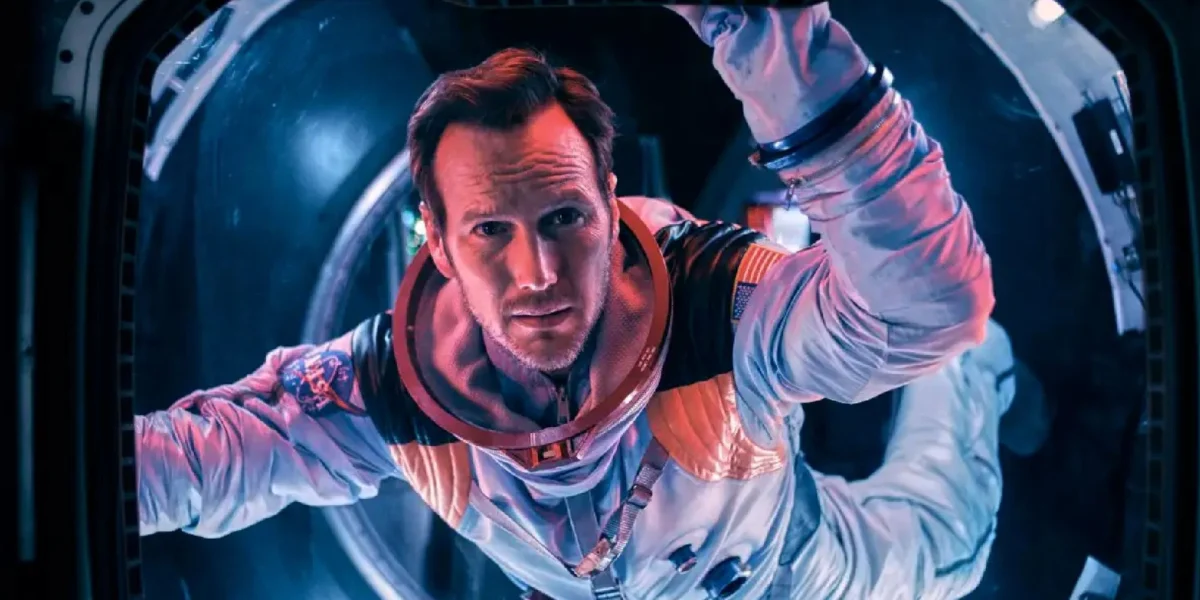
For over three decades, Roland Emmerich has been the undisputed architect of cinematic apocalypse. From the high-stakes alien resistance of Independence Day (1996) to the climate-ravaged landscape of The Day After Tomorrow (2004) and the apocalyptic spectacle of 2012 (2009), the German filmmaker turned the destruction of iconic landmarks into a high-art blockbuster language. His films were not merely movies; they were events, defined by a specific alchemy of "disaster porn" and human stakes that kept audiences returning to theaters for decades.
However, the 2022 release of Moonfall marked a jarring deviation from this formula. Grossing less than $70 million worldwide against a massive production budget, the film was a definitive box office failure that signaled a potential disconnect between the director’s signature style and the expectations of the modern multiplex audience.
The Anatomy of a Master: Emmerich’s Early Blueprint
To understand why Moonfall faltered, one must first recognize the architecture of an Emmerich hit. Born in West Germany, Emmerich’s cinematic identity was forged in a childhood "obsession with special effects and monumental disasters." By the time he transitioned to Hollywood, he had mastered the art of the "high-concept hook."
Films like Stargate (1994) and Independence Day operated on a simple, irresistible premise. They were "spectacle-first" films that utilized a "cryptic title" strategy. When audiences saw the poster for The Day After Tomorrow, the visual shorthand—the Statue of Liberty entombed in a frozen wasteland—did the heavy lifting. The explanation for the disaster was always secondary; whether it was climate change or an alien invasion, the plot served as a vehicle to put relatable movie stars through extreme, visceral, and terrifyingly imaginable scenarios.
Chronology of a Downward Trajectory: From ‘Independence Day’ to ‘Moonfall’
The trajectory of Emmerich’s career can be categorized into three distinct eras: the Rise of the Blockbuster (1992–2000), the Golden Age of Disaster (2004–2012), and the Struggle for Relevance (2016–2022).
- 1994–1998: Emmerich established his dominance. Despite critical derision—most notably regarding his 1998 Godzilla remake—his films performed exceptionally well. He understood the "blockbuster prize," crafting scenes of destruction that felt grand and earned their place on the big screen.
- 2004–2009: This was the peak of the Emmerich brand. The Day After Tomorrow and 2012 leaned into the "imaginable disaster" trope. These films were grounded by high-stakes emotional arcs, such as fathers trying to reach their children during a global cataclysm.
- 2022: Moonfall arrived in a post-pandemic landscape. By this point, the "disaster movie" genre had evolved. Marvel and DC had shifted the goalposts of what "world-ending" spectacle looked like, and Emmerich’s attempt to recapture his glory days felt to many like a relic of a bygone era.
The Problem with ‘Moonfall’: Complexity Over Spectacle
The fatal flaw of Moonfall lies in its refusal to embrace the simplicity that once defined the director’s success. Where Independence Day asked the audience to simply accept that aliens were attacking, Moonfall insists on a labyrinthine sci-fi mythology.
In the film, the moon is revealed to be a hollow, ancient Dyson sphere, a megastructure built by our ancestors to transport humanity to Earth millions of years ago. To make matters more convoluted, the plot introduces rogue AI and ancient stellar-origin myths. This exposition occupies the screen time that should have been dedicated to the "giant waves and mass destruction" that audiences actually paid to see.
By prioritizing a "bafflingly convoluted sci-fi explanation" over the emotional grounding of its characters, Moonfall fails to create the human moments that made Independence Day a classic. In his earlier work, the destruction was the backdrop; in Moonfall, the lore is the wall, and it separates the audience from the spectacle.
Supporting Data: Budgetary Constraints and Production Realities
The failure of Moonfall was not merely a failure of narrative; it was a failure of production logistics. The film was shot during the height of the COVID-19 pandemic, a period that wreaked havoc on Hollywood production schedules and budgets.
Emmerich himself acknowledged these difficulties in interviews, particularly with VFXVoice. He noted that strict COVID-19 protocols led to a loss of production days and a significant increase in costs, which ultimately compromised the film’s visual polish. When a film relies entirely on its CGI-heavy spectacle to survive, any reduction in quality due to budgetary shortfalls or compressed production timelines becomes immediately apparent to the viewer.

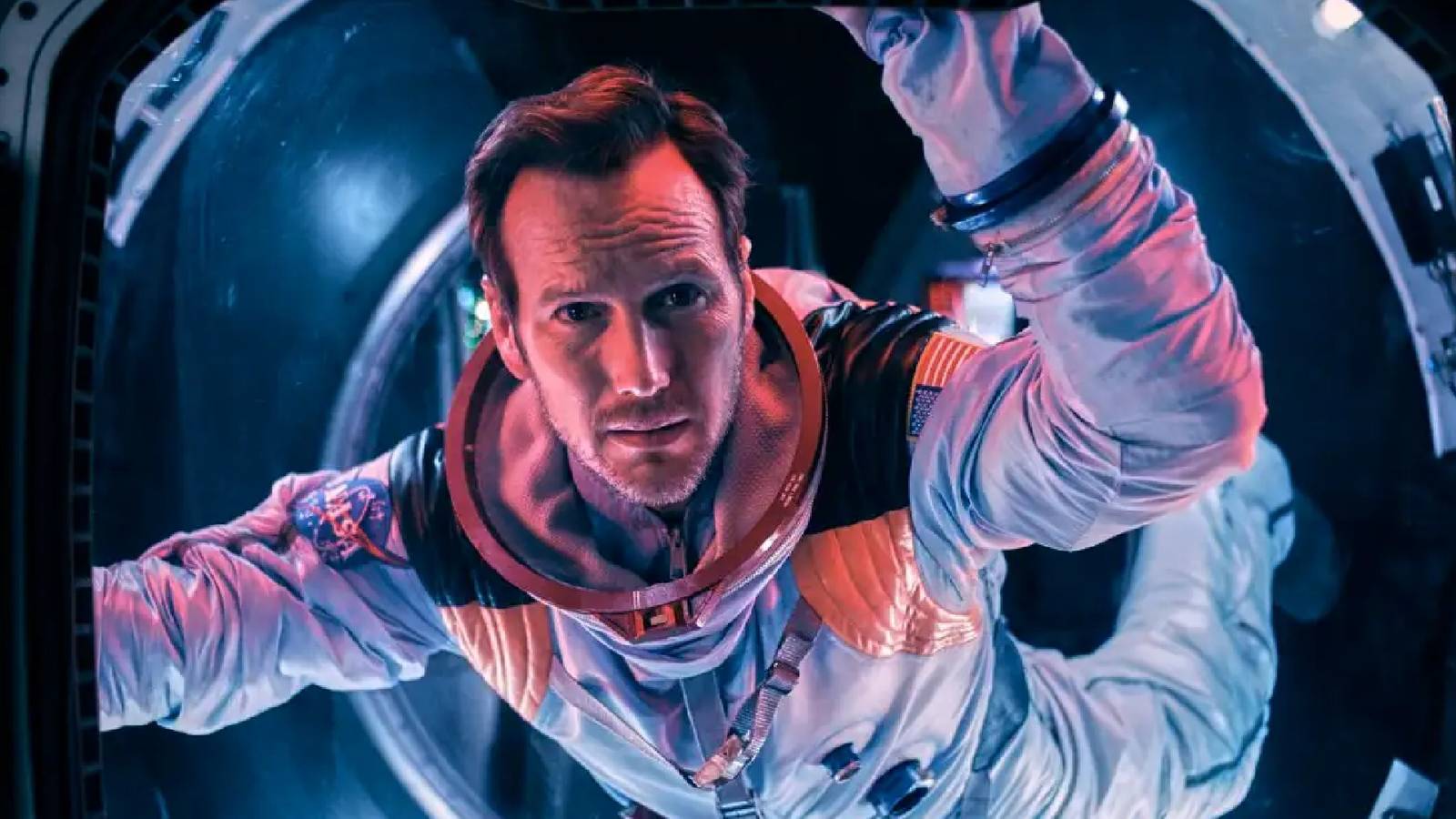
Furthermore, the film’s cast—led by Patrick Wilson and Halle Berry—was undeniably talented, yet they were hindered by a script that lacked the charisma of past Emmerich protagonists. Brian Harper (Wilson), the disgraced astronaut archetype, suffered from a "rote disinterest." Compared to the iconic, witty charm of Will Smith’s Captain Steve Hiller in Independence Day, the characters in Moonfall felt like cardboard cutouts designed only to deliver exposition about the moon’s internal structure.
Official Responses and Industry Context
The critical and commercial reception of Moonfall was cold. With a global gross of less than $70 million, it stood as a stark reminder of the risks involved in "original" (non-franchise) big-budget filmmaking. While the industry has long viewed Emmerich as a safe bet for a return on investment, the box office performance of Moonfall triggered a period of inactivity for the director.
Critics pointed to the "dated stereotype" of the conspiracy theorist character, K.C. (John Bradley), as a symptom of a film that felt out of touch with contemporary tropes. The reliance on figures like Elon Musk as cultural shorthand for "eccentric genius" further cemented the film’s reputation as being stuck in the mid-2010s, unable to adapt to the changing sensibilities of the 2020s.
The Implications: Is the Disaster Genre Obsolete?
The failure of Moonfall invites a larger, more existential question about the future of the disaster genre. Can a film simply be about "destruction" in 2026?
The success of films like Steven Spielberg’s War of the Worlds (2005) proved that disaster movies work best when they are anchored in a deep, palpable sincerity—a sense that the stakes for the individuals on the ground matter as much as the collapsing skyline. Moonfall lacked that human core. It treated the world-ending event as a puzzle to be solved rather than a tragedy to be survived.

For Roland Emmerich, the path forward is uncertain. He has not released a feature film since the failure of Moonfall, and the genre he helped define is currently dominated by massive, interconnected cinematic universes. The "disaster movie" remains a staple of Hollywood, but it is one that requires more than just high-budget explosions; it requires a reason for the audience to care about the planet that is being destroyed.
Whether Emmerich can reclaim his title as the Master of Disaster remains to be seen. If he intends to return to the director’s chair, he must look back to his roots—not to the complexity of the science, but to the simplicity of the fear and the humanity of those caught in its wake. Until then, Moonfall stands as a cautionary tale: a reminder that even the biggest spectacle in the world cannot save a movie that has lost its heart.

 Jia Lissa
 Iffa Jayyana