Lina Hope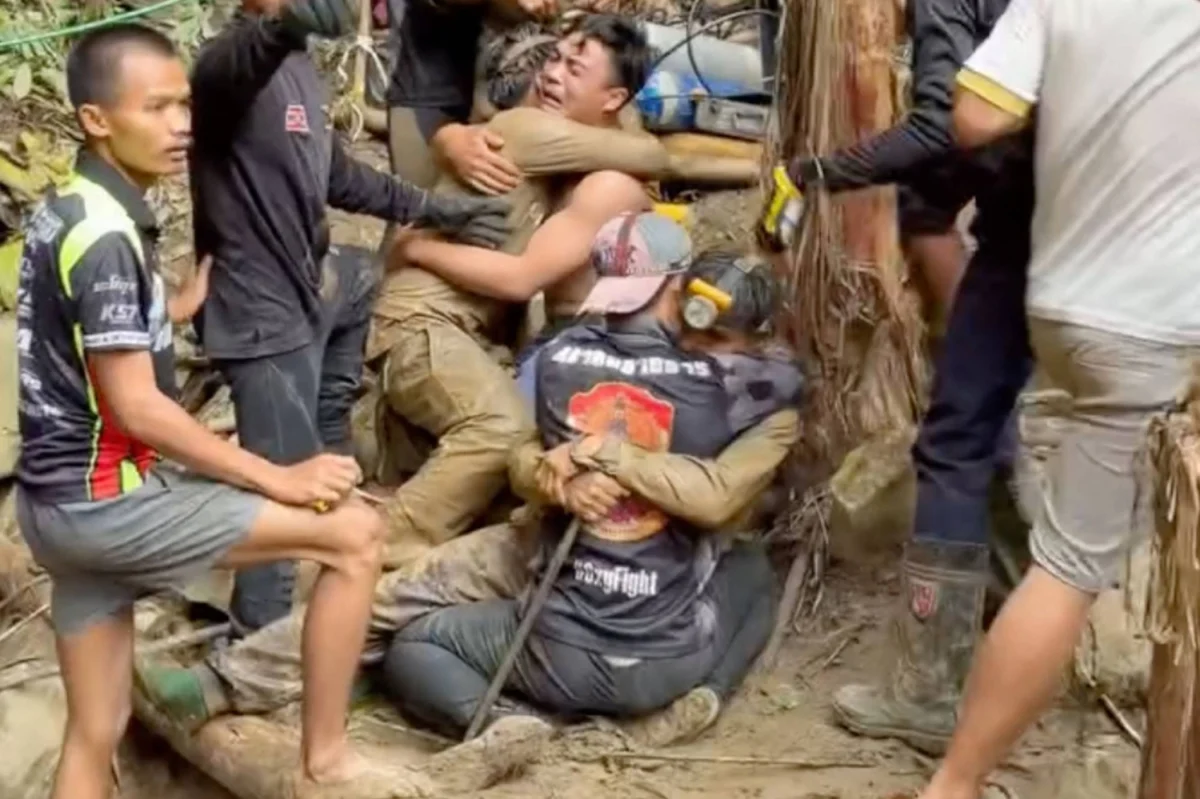
By Beatrice Siviero
Reporting from Vientiane, Laos
The mood at the makeshift command center in Xaysomboun province is a harrowing blend of exhaustion and desperate optimism. As rescue crews, bolstered by international cave-diving experts, scramble to finalize a high-risk operation, the mission has entered a critical new phase. After more than a week of isolation in the dark, waterlogged belly of a mountain, survivors of the cave entrapment are now providing the very intelligence needed to save those still missing.
On Saturday, a pivotal moment in the search effort occurred when rescuers successfully extracted several individuals from the semi-submerged cavern. Images from the scene—showing men embracing as they emerged into the humid air of the Laotian interior—have provided a rare glimmer of hope in a disaster that many feared would end in total tragedy.
The Chronology of the Crisis
The ordeal began when a group of men entered the cave system in central Xaysomboun, a rugged and often unforgiving province located northeast of the capital, Vientiane. What started as an expedition or local excursion quickly turned into a life-or-death struggle when sudden, heavy seasonal rains caused water levels to surge, effectively blocking the exit and transforming the limestone passages into a series of interconnected, deadly traps.
For over seven days, the trapped men lived in a state of suspended animation. With oxygen supplies dwindling and the threat of hypothermia mounting as the water levels continued to fluctuate, the survivors faced psychological and physical trials that are difficult to comprehend.
One survivor, speaking from his hospital bed, recounted the harrowing experience, admitting that as the days stretched on, he had reached a point of total resignation, "waiting to die" in the stifling, silent darkness. The psychological toll of the ordeal is now a primary concern for medical staff overseeing the survivors’ recovery, even as their cognitive recall is being leveraged for the search effort.
Intelligence from the Depths: A Strategic Shift
The current rescue strategy has undergone a radical transformation. Initially, search teams were forced to operate in a vacuum, relying on limited topographical maps and the intuition of local guides. However, the debriefing of the rescued men has fundamentally altered the mission’s trajectory.
Laotian rescue officials confirmed on Sunday that the insights provided by the survivors are "substantial." The men have been able to describe the subterranean geography—the specific bottlenecks, the treacherous currents, and the pockets of air that might be harboring the final two missing individuals.
"The information we are gathering from the survivors is being used to build the search plan for the remaining two people," a spokesperson for the rescue group stated. This intelligence is invaluable, as it allows divers to bypass sections of the cave that are deemed structurally unsound or completely flooded, focusing their limited air supply and physical stamina on areas where the missing men are most likely to have sought refuge.
The Technical Challenges of Cave Rescue
Cave diving is widely considered one of the most dangerous disciplines in the world. When combined with the unpredictable conditions of a semi-submerged system in a remote province, the risk factor increases exponentially.
Rescue teams are battling several major environmental hazards:
- Silt and Visibility: The rising water carries significant sediment, turning the cave passages into a murky, zero-visibility environment. Divers are forced to navigate by feel, relying on guide lines and internal compasses.
- Currents: The same narrow passages that the men traversed are now conduits for rapid water flow, creating strong currents that can easily sweep away even an experienced diver.
- Oxygen Depletion: The deeper the rescuers go, the more complex the logistics become. Each dive requires specialized equipment and careful management of breathing gas mixes to avoid decompression sickness and nitrogen narcosis.
- Structural Instability: The limestone geology of Xaysomboun is susceptible to shifts. The constant pressure of water and the potential for rockfalls create a high-stakes environment where a single mistake could lead to a secondary catastrophe.
The inclusion of foreign cave-diving specialists has been a game-changer. These experts bring not only advanced rebreather technology but also decades of experience in navigating "tight" cave systems—passages so narrow that divers must remove their tanks to push them through ahead of their bodies.

Official Responses and International Cooperation
The Lao government has been working closely with international aid organizations and private experts to manage the disaster. The response has been characterized by a high degree of transparency compared to similar past incidents, with authorities providing regular updates to the families gathered at the cave entrance.
"We are doing everything humanly possible," said a local government liaison. "We have the support of the international community, and we have the best intelligence we could hope for, thanks to the bravery of those who have already made it out."
The international community has responded with offers of equipment and personnel, highlighting the global concern for the plight of the missing men. Embassies in Vientiane are coordinating with their respective governments to ensure that if further specialized gear or medical support is required, it can be flown in at a moment’s notice.
Implications for Future Safety and Infrastructure
As the rescue operation continues, questions are inevitably being raised about the safety regulations surrounding the exploration of remote cave systems in Laos. Xaysomboun, known for its pristine natural beauty and challenging terrain, is increasingly becoming a destination for adventure tourism and local exploration.
Experts argue that this incident will likely trigger a nationwide review of cave access policies. Potential outcomes may include:
- Mandatory Registration: Implementing a system where anyone entering known cave systems must register with local authorities.
- Enhanced Signage and Warning Systems: Installing sensors that monitor water levels and provide early warnings of flooding risks.
- Specialized Training: Providing local rescue teams with more advanced training in swift-water and cave-specific rescue techniques to reduce reliance on international assistance.
The Human Element: A Community in Wait
Beyond the technical logistics and the official reports, the story of the Xaysomboun cave rescue is, at its core, a human one. The families of the missing men have maintained a vigil at the site, their lives currently dictated by the fluctuating water levels and the brief, daily briefings from the command center.
The survivors, despite their physical exhaustion and the trauma of their ordeal, have reportedly been insistent on assisting the rescuers. Their willingness to relive their darkest moments in the cave in order to help find their friends is a testament to the bonds formed in extreme conditions.
"They are heroes in their own right," said one of the rescue team leaders. "They endured the impossible, and now they are helping us do the impossible."
A Race Against the Clock
As of Sunday evening, the search for the final two men is in its most critical phase. Meteorologists have warned of potential further rainfall in the region, which could jeopardize the entire rescue operation. The window of opportunity to reach the missing men is narrowing.
Rescuers are currently staging the next entry. The plan is to utilize a "leapfrog" method, where teams move through the cave in relay, establishing relay stations to ensure the safety of the divers and to maximize the amount of time they can spend searching the deeper, more remote chambers of the cavern.
The world watches with bated breath. The story of the Xaysomboun cave, which began as a routine excursion, has become a global symbol of the enduring human spirit—a story of people who, when confronted with the crushing weight of the earth and the rising tide of uncertainty, chose to hold on, to survive, and ultimately, to reach back for those left behind.
In the coming hours, the outcome of this daring operation will be known. Regardless of the result, the events in Xaysomboun have already secured their place as a defining moment in the history of search and rescue in Southeast Asia, highlighting both the extreme vulnerabilities of our natural world and the immense power of human resilience and cooperation.


 Neng Nana
 Asro
Asro