

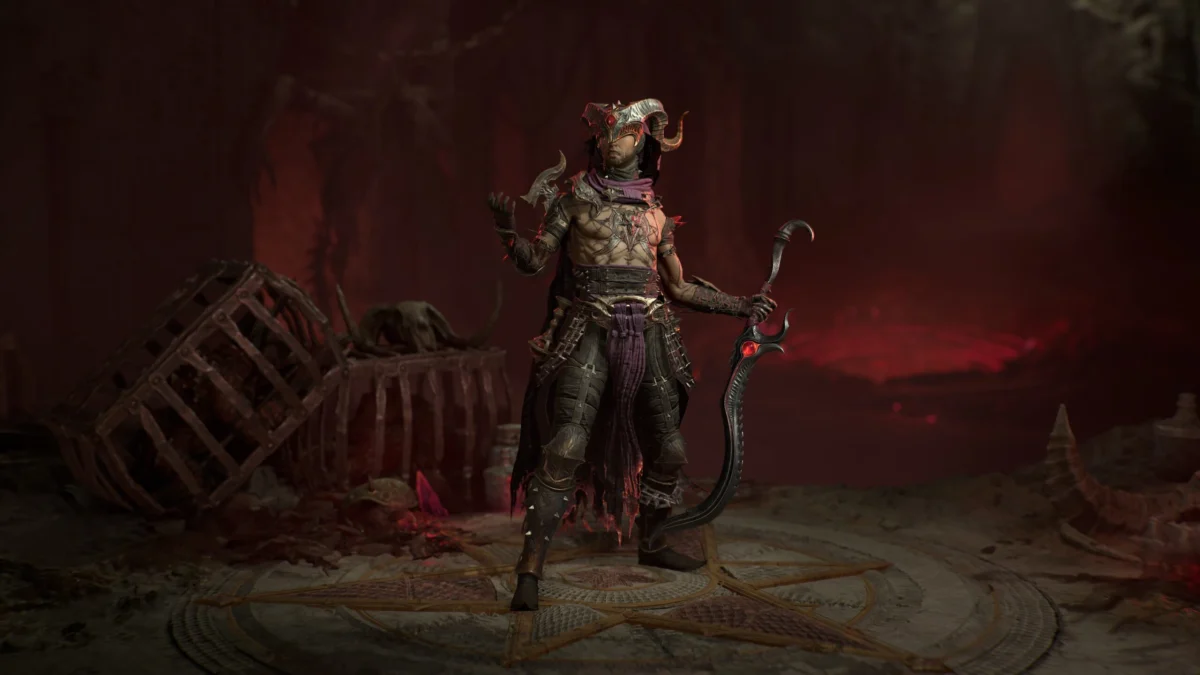
The landscape of Sanctuary is set to shift once more. Following months of speculation and a tantalizing, mysterious marketing campaign, Blizzard Entertainment has finally pulled back the veil on the "Warlock"—the second, and perhaps most anticipated, new class arriving in the Lord of Hatred expansion for Diablo 4. While early access players have already begun mastering the divine steel of the Paladin, the Warlock promises an entirely different, morally gray approach to the eternal conflict between the High Heavens and the Burning Hells.
During a comprehensive Developer Update, Blizzard showcased the Warlock’s mechanics, lore, and specialized archetypes, painting a picture of a class that thrives on the very darkness the player is sworn to destroy.
The Core Concept: Pragmatism in the Face of Abyss
The Warlock represents a fascinating narrative and mechanical counterpoint to the Paladin. Where the Paladin draws upon holy light and absolute purity to cleanse the world, the Warlock adopts a philosophy of "pragmatic corruption." In the lore of the Diablo universe, this is a dangerous path; Warlocks are practitioners of forbidden arts who believe that to defeat the legions of Hell, one must be willing to wield their own weapons against them.
Mechanically, the Warlock is a hybrid class, blending the high-output damage of a traditional caster with the tactical complexity of a pet-summoner. This dual-identity is reflected in their resource management system, which requires players to balance two distinct meters: Wrath and Dominance.
- Wrath: Acting as the primary resource for direct spellcasting, Wrath is expended whenever the Warlock unleashes shadow-infused damage or dark elemental attacks.
- Dominance: This is the lifeblood of the class’s summoning mechanics. Dominance dictates the Warlock’s capacity to bind demons to their will. If a player lacks sufficient Dominance, they cannot exert control over their summoned entities, forcing a constant tactical tug-of-war between offensive output and battlefield management.
Chronology: The Road to the Reveal
The journey toward the Warlock’s reveal has been a masterclass in community engagement. Since the announcement of the Lord of Hatred expansion, the community has been divided into camps, debating which classes would round out the roster.
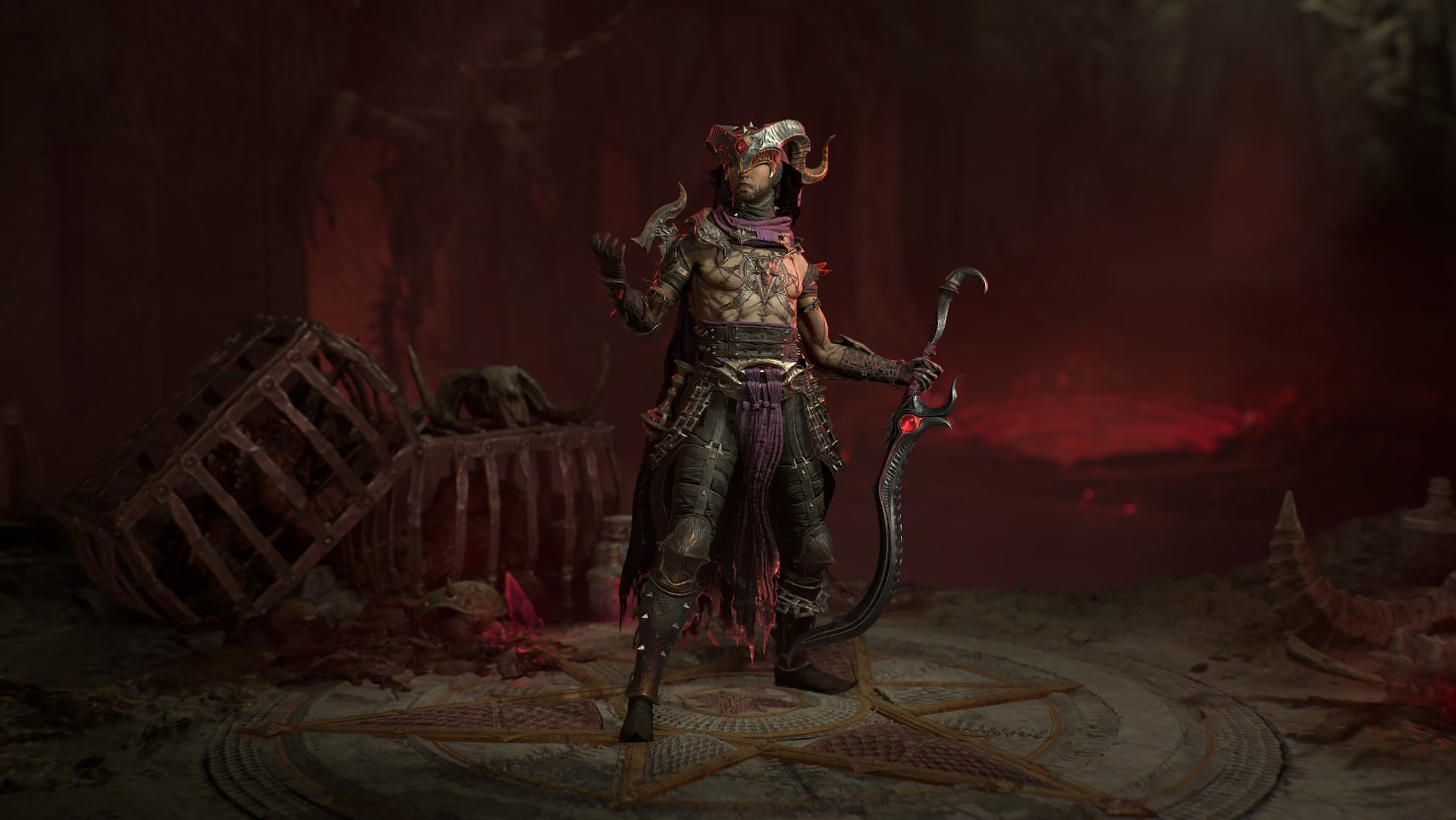
- Initial Expansion Tease: At the initial reveal of Lord of Hatred, Blizzard confirmed two new classes. The Paladin was revealed almost immediately, with pre-purchase incentives offering early access to the class, effectively setting the stage for a "Light vs. Dark" expansion theme.
- The Mystery Phase: For months, the second class remained a shadow in the marketing materials. Blizzard kept the player base guessing, dropping subtle hints regarding "forbidden arts" and "demonic pacts."
- The February Reveal: In February, the developer officially unveiled the Warlock, confirming its status as a master of shadow-craft and demonic manipulation. However, gameplay remained strictly under wraps.
- The Developer Update: The recent, exhaustive developer showcase provided the first concrete look at the Warlock’s animation, UI, and skill loop, confirming that the class would be fully playable upon the expansion’s release on April 28.
Specialized Archetypes: Customizing the Darkness
At level 30, the Warlock gains access to their unique class mechanic: the infusion of Soul Shards. By embedding these shards into their own bodies, players can specialize into one of four distinct archetypes. Each path fundamentally alters the player’s playstyle and visual flair:
1. The Legion
The Legion archetype is designed for players who wish to embrace the fantasy of a commander. These Warlocks focus on overwhelming their foes with sheer numbers. By summoning hordes of lesser demons, they function as a traditional "necromantic" summoner, though with a distinct shadow-aesthetic.
2. The Vanguard
A surprising twist on the caster archetype, the Vanguard is built for those who prefer to be in the thick of the fray. These Warlocks utilize shadow-arts to bolster their own physical presence, dealing heavy damage at close-to-mid range. They function similarly to a battle-mage, balancing survivability with aggressive, high-risk spellcasting.
3. The Mastermind
The Mastermind is the thinking player’s choice. This archetype focuses on "shadowcraft," utilizing debuffs and damage-over-time effects to slowly erode enemy health bars. By manipulating the battlefield through shadows, the Mastermind excels at crowd control and isolating high-priority targets.
4. The Ritualist
The Ritualist is the ultimate expression of the Warlock’s theme. These players specialize in summoning the most powerful, high-tier demons from the Burning Hells. While these summons are devastating, they require the most significant investment of the "Dominance" resource, making the Ritualist a high-skill, high-reward path for veteran players.

Supporting Data and Technical Implementation
The Warlock arrives with a suite of new Unique items tailored to these specific playstyles. Similar to the implementation of the Spiritborn class, Blizzard is ensuring that the Warlock’s gear loop feels distinct from the existing classes.
The integration of Soul Shards serves as the "class engine." By tying shards to specific demons, Blizzard allows for a modular skill tree. A player could theoretically pivot their build by swapping out their Shards, provided they have the necessary equipment. This level of flexibility is intended to extend the endgame lifespan of the class, encouraging experimentation with different demon-synergies.
Furthermore, the team behind Diablo 4 has emphasized that the Warlock’s shadow-based damage will interact uniquely with existing status effects in the game, such as Vulnerable and Stagger. This integration suggests that the Warlock will not exist in a vacuum but will instead be a vital component of party-based endgame activities like The Pit or high-tier Nightmare Dungeons.
Official Responses and Developer Insight
In the recent Developer Update, the team at Blizzard stressed that the Warlock was designed to address the "crave for complexity" that many high-level players have expressed.
"The Warlock isn’t just about clicking a button to summon a minion," a lead developer noted during the stream. "It’s about the management of the demon. You are the conduit for their power, and if you lose focus, that power can be fickle. We wanted to make sure that playing a Warlock felt like a constant balancing act between power and madness."

The developers also addressed the balance between the Paladin and the Warlock. By positioning the Paladin as a "tanky" frontline support and the Warlock as a "volatile" tactical force, Blizzard aims to ensure that both classes offer distinct experiences that do not cannibalize each other’s roles in a group setting.
Implications for the Future of Sanctuary
The release of the Warlock on April 28 represents a significant pivot for Diablo 4. With the game having already established its foundational systems, the expansion serves as a "content refresh" that tests how much complexity the game engine can handle.
If the Warlock is received well, it may signal a shift toward more specialized, mechanic-heavy classes in future expansions. Conversely, if the resource management proves too cumbersome, it may force a balance pass on the "Dominance" system.
Beyond the class itself, the lead-up to Lord of Hatred has been supported by a series of seasonal updates. The upcoming "Season of Slaughter" acts as a bridge, keeping the player base engaged with high-octane, mindless combat to contrast with the more methodical, tactical gameplay promised by the Warlock.
As the release date approaches, the anticipation is palpable. Players are already theory-crafting builds, debating the efficacy of specific Soul Shard combinations, and preparing their inventories for the new loot tables. Whether the Warlock becomes the definitive class for solo-play or the most sought-after partner for high-tier raiding remains to be seen, but one thing is certain: the face of the eternal struggle has been irrevocably altered.

For now, players must wait until April 28 to see if they have the willpower to master the darkness, or if they will simply be consumed by it. As the Lord of Hatred draws near, the Warlock stands ready to unleash the very horrors they once sought to keep at bay.











No comments yet. Be the first to join the conversation!