

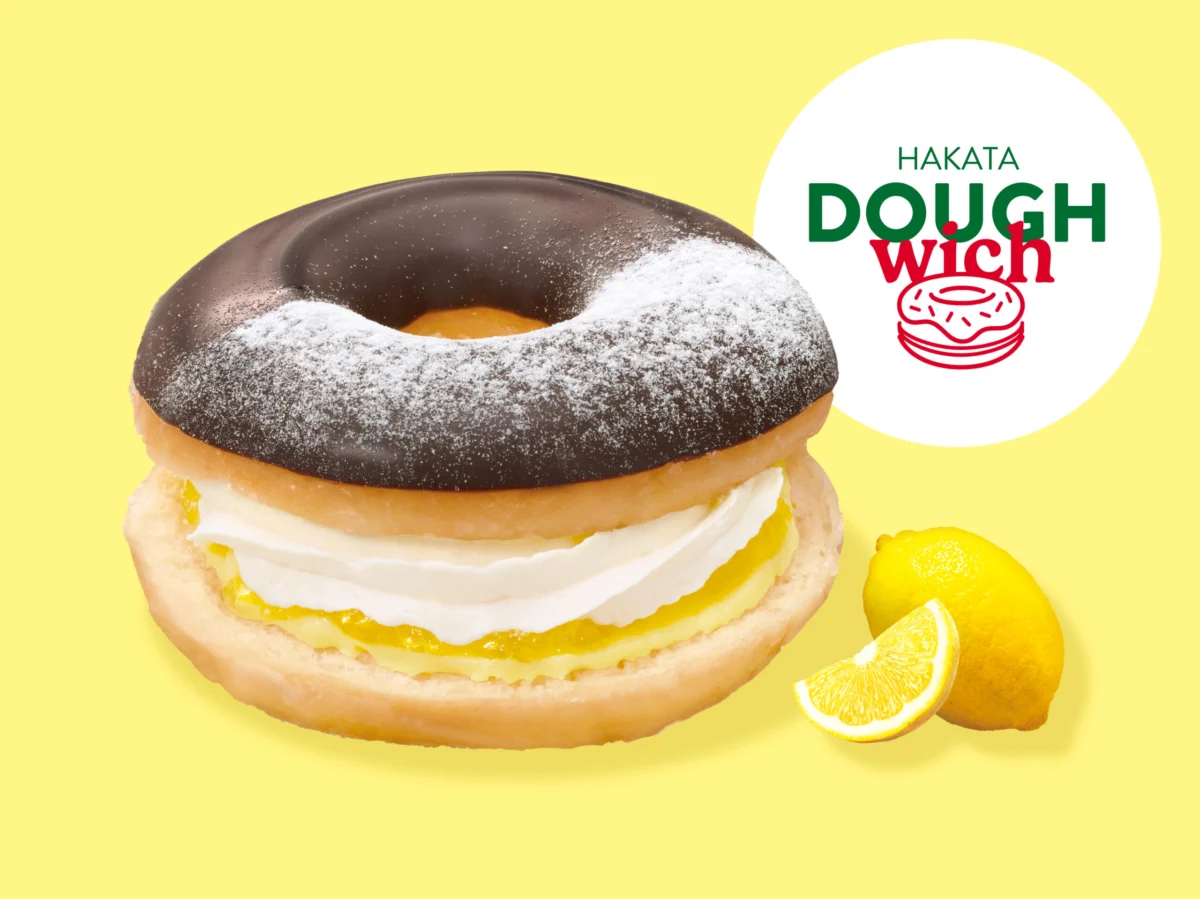
In the highly competitive landscape of Japanese confectionery, where seasonal flavors and limited-edition releases drive consumer behavior, Krispy Kreme Japan has carved out a unique niche. By moving beyond national campaigns and embracing "micro-regionalism," the brand has successfully transformed the humble doughnut into a destination-based luxury item. The latest development in this strategy is the "Krispy Kreme Premium Doughwich," a culinary innovation currently available exclusively at the Amu Plaza Hakata store in Fukuoka Prefecture.
Main Facts: The Evolution of the "Premium Doughwich"
The Krispy Kreme Premium Doughwich represents a departure from the brand’s traditional ring-shaped offerings. Rather than focusing on a hole-centered design, the Doughwich utilizes a structural approach that mirrors the popularity of high-end sandwiches and dessert burgers currently trending in Japan’s urban food scenes.
At its core, the Doughwich features Krispy Kreme’s signature yeast-raised dough, renowned for its pillowy, light texture. This base is horizontally sliced and filled with a decadent array of creams, sauces, and local ingredients, effectively turning the doughnut into a "sandwich-style" pastry.
The concept, which launched in late 2025 to coincide with the opening of the Amu Plaza Hakata branch, was designed specifically to capitalize on the vibrant food culture of Kyushu. Unlike the standard menu items found at thousands of locations globally, these creations are hyper-localized, often incorporating regional flavors that reflect the specific culinary heritage of Fukuoka and its surrounding prefectures.
Chronology: From Concept to Summer Success
The history of the Premium Doughwich is relatively short but marked by rapid, strategic iterations.
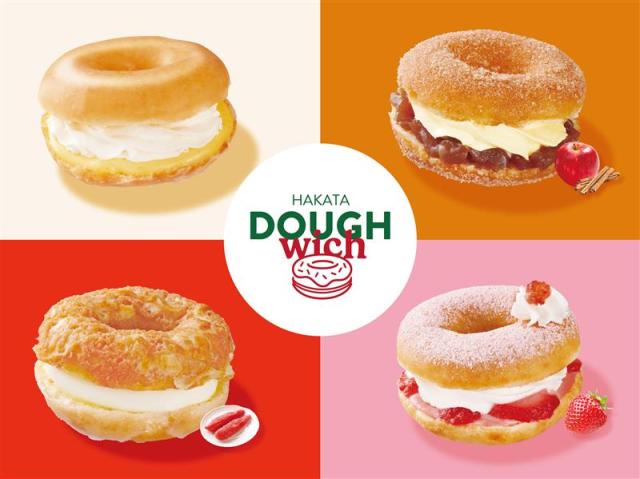
- Late 2025 (Launch Phase): Krispy Kreme Japan unveiled the Amu Plaza Hakata location, introducing the inaugural "Premium" series. This launch included four distinct varieties: Original Glazed Whipped Cream & Custard, Cinnamon Apple & Custard, Original Glazed Amaou Strawberry & Whipped Cream, and the adventurous Original Glazed Hakata Mentaiko & Cheese—the latter being a bold nod to the region’s famous spicy cod roe.
- Early 2026 (Market Validation): The initial lineup saw significant traction, not only among local residents but also among domestic tourists. The "Premium" branding successfully positioned the items as a must-have Fukuoka souvenir, a phenomenon known as omiyage culture, where travelers purchase unique local goods to bring home.
- June 2026 (Seasonal Pivot): Following the success of the launch lineup, Krispy Kreme announced the first major seasonal update: the "Setouchi Lemon & Cream Doughwich." This release signaled a pivot toward summer-centric flavor profiles, moving away from the heavier custard profiles toward more acidic, refreshing fruit-based offerings.
Supporting Data: The Ingredients of Success
The "Setouchi Lemon & Cream" edition, which hit shelves on June 3, 2026, and is scheduled to remain available through late September, serves as a masterclass in seasonal ingredient marketing.
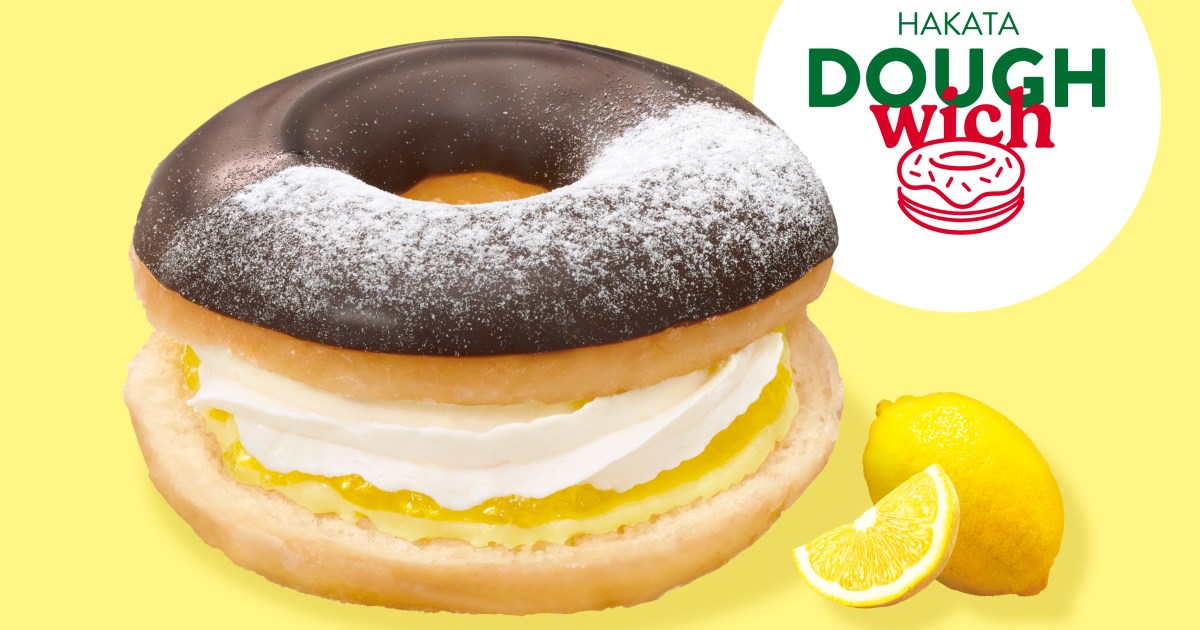
The product utilizes lemons sourced from the Seto Inland Sea region—a geographical area widely regarded in Japan as the premier producer of high-quality citrus. The construction of this specific Doughwich involves:
- Chocolate-Glazed Base: A departure from the standard glaze, providing a rich, dark backdrop for the filling.
- Setouchi Lemon Cream: A zesty, light cream filling that serves as the structural heart of the dessert.
- Setouchi Lemon Sauce: A concentrated, tart infusion that balances the inherent sweetness of the dough.
- Custard Whipped Cream: An airy layer designed to bridge the gap between the tartness of the lemon and the sugar of the doughnut.
Priced at 486 yen (approximately US$3.05), the item sits at a premium price point compared to standard glazed doughnuts. This price reflects not only the complexity of the assembly but also the "scarcity premium"—the fact that a consumer cannot purchase this item anywhere else in the world, providing an intrinsic value that justifies the cost to the consumer.
Official Responses and Strategic Positioning
Krispy Kreme Japan’s regional strategy is an intentional attempt to fragment its brand identity to appeal to the Japanese preference for exclusivity. In official statements regarding the "Premium" series, the company has emphasized the importance of "micro-market catering."
By isolating specific, high-traffic transit hubs like Amu Plaza Hakata, Krispy Kreme ensures that its supply chain for these complex, labor-intensive products remains manageable. Unlike a national rollout, which would require uniformity, the regional strategy allows the brand to test experimental flavors—such as the aforementioned Mentaiko (cod roe) and Cheese—without risking the brand’s reputation on a wider, more conservative national scale.
This approach is part of a broader trend among Western chains in Japan to "Japanize" their menus. While global giants like McDonald’s or Starbucks often release seasonal lattes or pies across the country, Krispy Kreme’s decision to limit products to single stores in Nagoya, Hokkaido, and Tokyo suggests that they are leveraging "FOMO" (fear of missing out) to drive foot traffic to specific physical locations.
Implications: The Future of Regional Gastronomy
The success of the Doughwich series carries several implications for the future of retail food in Japan:
1. The "Destination Retail" Model
The Doughwich demonstrates that food can serve as a "destination anchor." By offering a product that cannot be found elsewhere, Krispy Kreme effectively turns a standard shopping mall kiosk into a culinary tourist destination. This forces consumers to visit the physical store, thereby increasing the likelihood of additional, ancillary purchases.
2. The Rise of Hyper-Local Flavors
As Japanese consumers become increasingly sophisticated, the demand for ingredients with clear geographical provenance (such as Setouchi lemons or Amaou strawberries) is rising. This "local-first" philosophy is likely to be replicated by other international brands looking to differentiate themselves from local wagashi (traditional Japanese sweets) shops.
3. Sustainability of the Model
While the Doughwich is currently a success, the model faces the challenge of scalability. The labor-intensive nature of preparing these "sandwich-style" doughnuts limits the volume a single store can produce. If demand continues to outstrip supply, Krispy Kreme may be forced to either expand the number of participating stores—thereby diluting the "exclusivity" factor—or automate the process, which could risk the perceived quality of the handcrafted product.
4. Cultural Integration
The inclusion of savory options like Mentaiko & Cheese proves that Krispy Kreme is willing to take risks that align with local palates. This cultural integration is the hallmark of successful international chains in the Japanese market. By respecting local tastes rather than imposing global standards, the brand has managed to maintain relevance in a market that is notoriously difficult for foreign food companies to penetrate.
Conclusion
The "Krispy Kreme Premium Doughwich" is more than a fleeting summer treat; it is a strategic maneuver that highlights the importance of regional identity in a globalized economy. As the Amu Plaza Hakata store continues to serve as the exclusive testing ground for these creations, it remains a focal point for industry analysts watching the evolution of Japan’s luxury snack sector. Whether this model of "exclusive, location-dependent innovation" will eventually expand to other global markets remains to be seen, but for now, it remains a uniquely Japanese phenomenon that perfectly encapsulates the intersection of premium branding and local culinary pride.
Visitors to Fukuoka through September 2026 will find the Setouchi Lemon & Cream Doughwich at the Amu Plaza Hakata B1F location, standing as a testament to the fact that, in the world of modern confectionery, the location of the purchase is just as important as the taste of the product itself.












No comments yet. Be the first to join the conversation!