

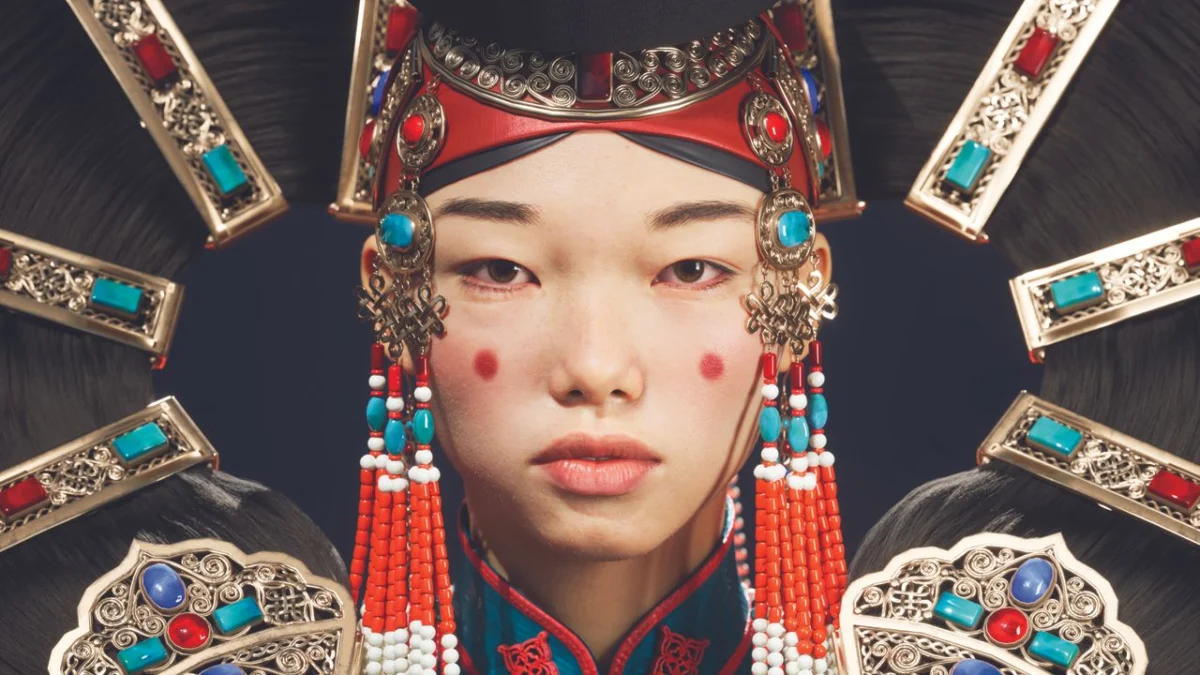
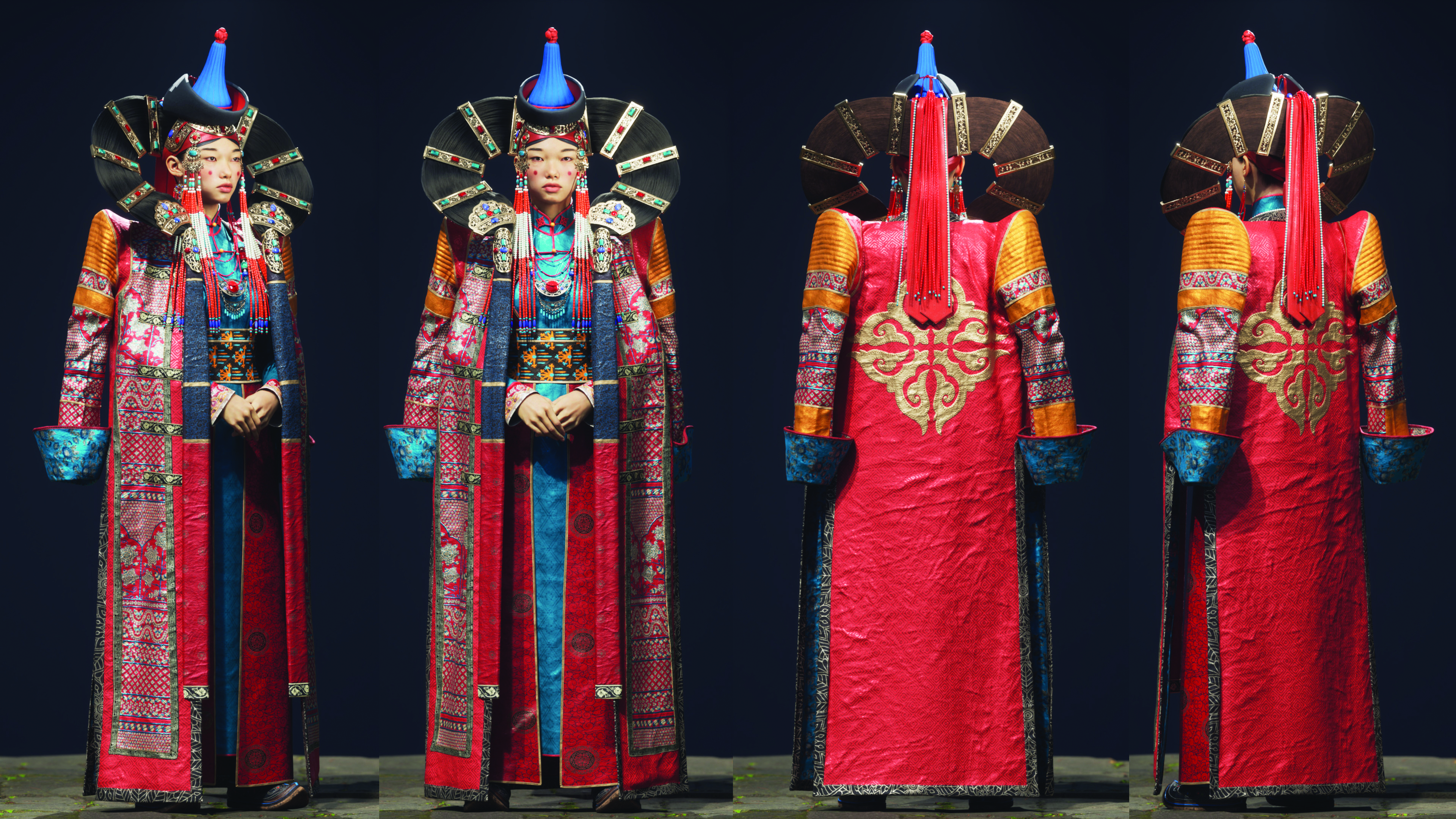
In the realm of digital artistry, the bridge between historical research and cutting-edge 3D technology is often a difficult one to cross. However, 3D character artist Melvin Okoronkwo has managed to transcend this gap, producing a breathtakingly realistic render of Lady Kököchin—the historical Mongolian princess of the Bayaut tribe. Through a sophisticated synthesis of industry-standard software and meticulous attention to cultural detail, Okoronkwo has not only created a piece of art but has also set a new benchmark for how historical figures can be reimagined through digital media.
The Genesis of a Digital Icon: Main Facts and Inspiration
The inspiration for this project was born from the screen. Okoronkwo, who specializes in the hyper-realistic depiction of humans and the complexities of digital hair grooming, found himself captivated by the aesthetic and cultural richness displayed in the Netflix series Marco Polo.
"The main inspiration for this piece was the TV show Marco Polo on Netflix, as I quickly fell in love with the Mongolian nomadic culture," Okoronkwo explains. "I find the traditional Mongolian clothing interesting, especially the ceremonial ones. My Lady Kököchin piece pays homage to the real-life princess of the Bayaut tribe of Mongolia."
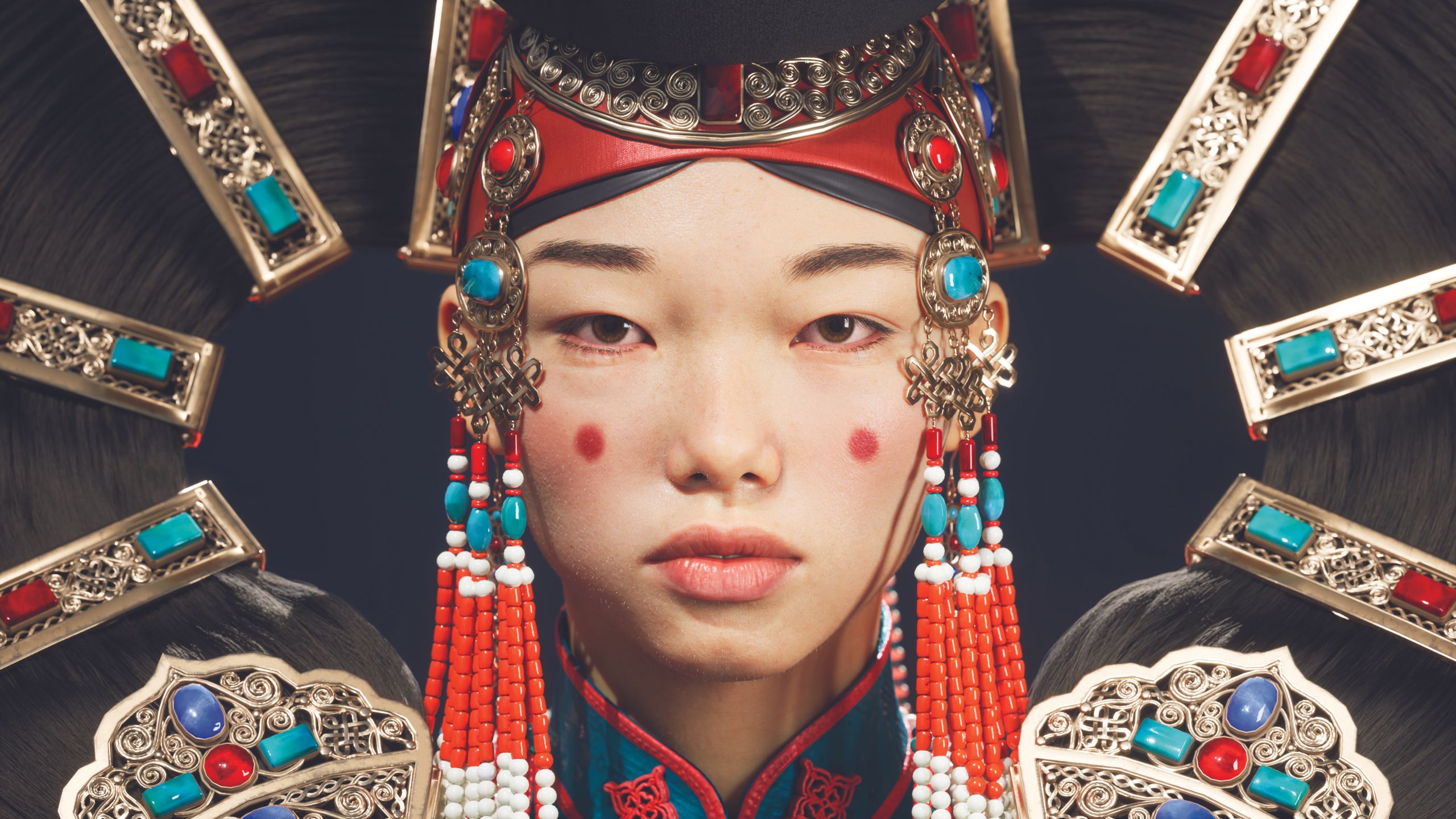
The primary goal was to manifest a visual representation of a noble Mongolian woman that felt authentic to the period. To achieve this, Okoronkwo moved beyond the screen and into the archives. He cross-referenced historical imagery, specifically focusing on the appearance of Queen Genepil—the last queen consort of the Bogd Khan of Mongolia—and blended these historical silhouettes with the intricate, multi-layered aesthetics of traditional Mongolian wedding attire.
A Chronological Breakdown: From Concept to Final Render
The creation of a high-fidelity digital human is a multi-stage process that demands both artistic vision and technical discipline. For Okoronkwo, the workflow was structured into a sequence of deliberate steps, ensuring that the final output would be both historically grounded and visually stunning.
Stage 1: Foundational Modeling
The base of the character was developed using MetaHuman Creator. By utilizing this tool, Okoronkwo established a high-quality anatomical foundation, which provided the essential geometry for facial structure and bodily proportions. This served as the "skeleton" for his artistic expression.
Stage 2: Sculpting and Detail
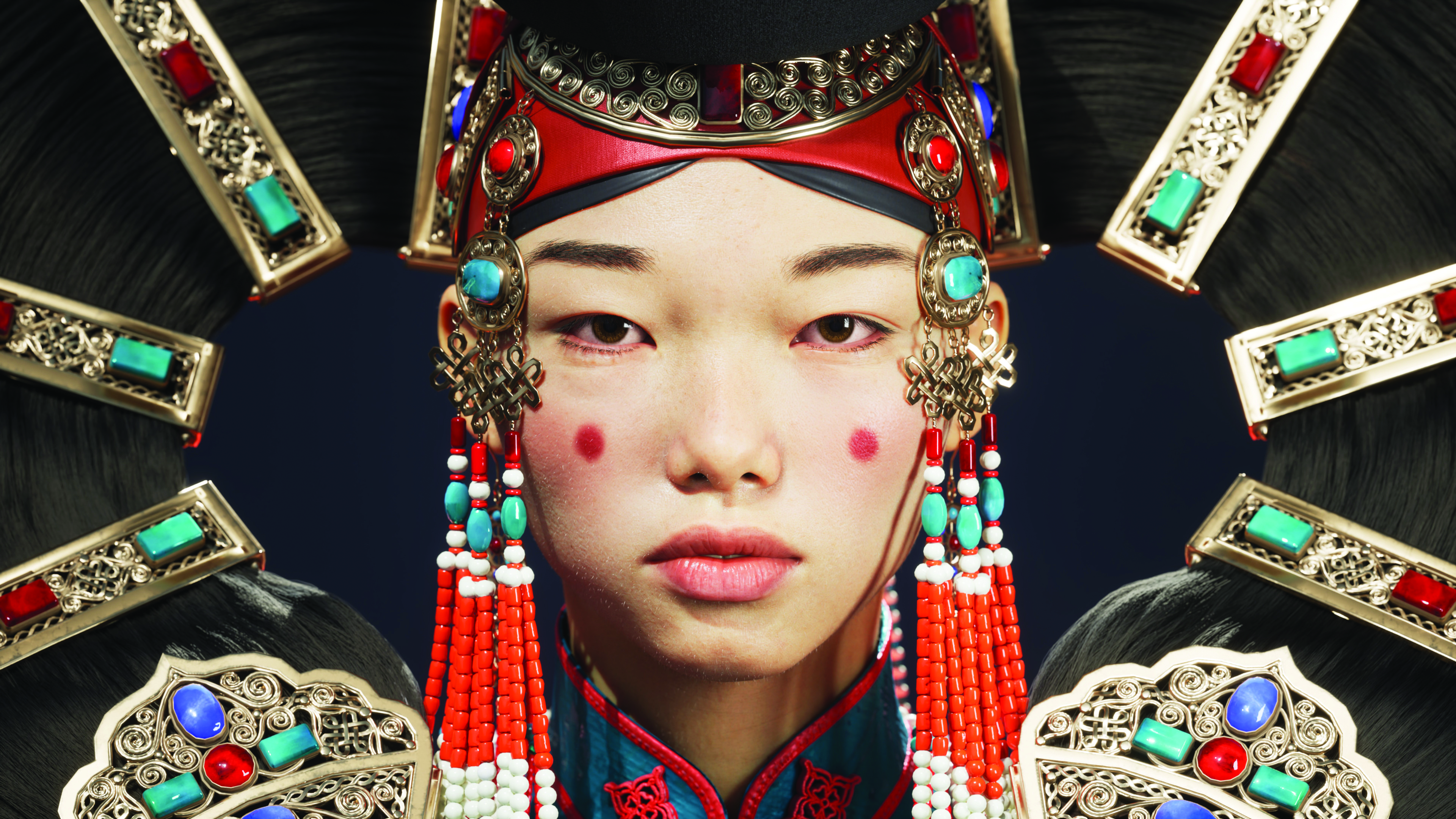
Once the base was established, the project moved into ZBrush. This is where the character truly began to take form. Okoronkwo focused on the micro-sculpting of the face, ensuring that the skin texture and underlying muscle structure felt alive. The transition from the generic MetaHuman base to the specific, individualized features of a historical princess required hours of precision sculpting, particularly in the eye sockets, jawline, and cheekbones.
Stage 3: The Challenge of Complexity
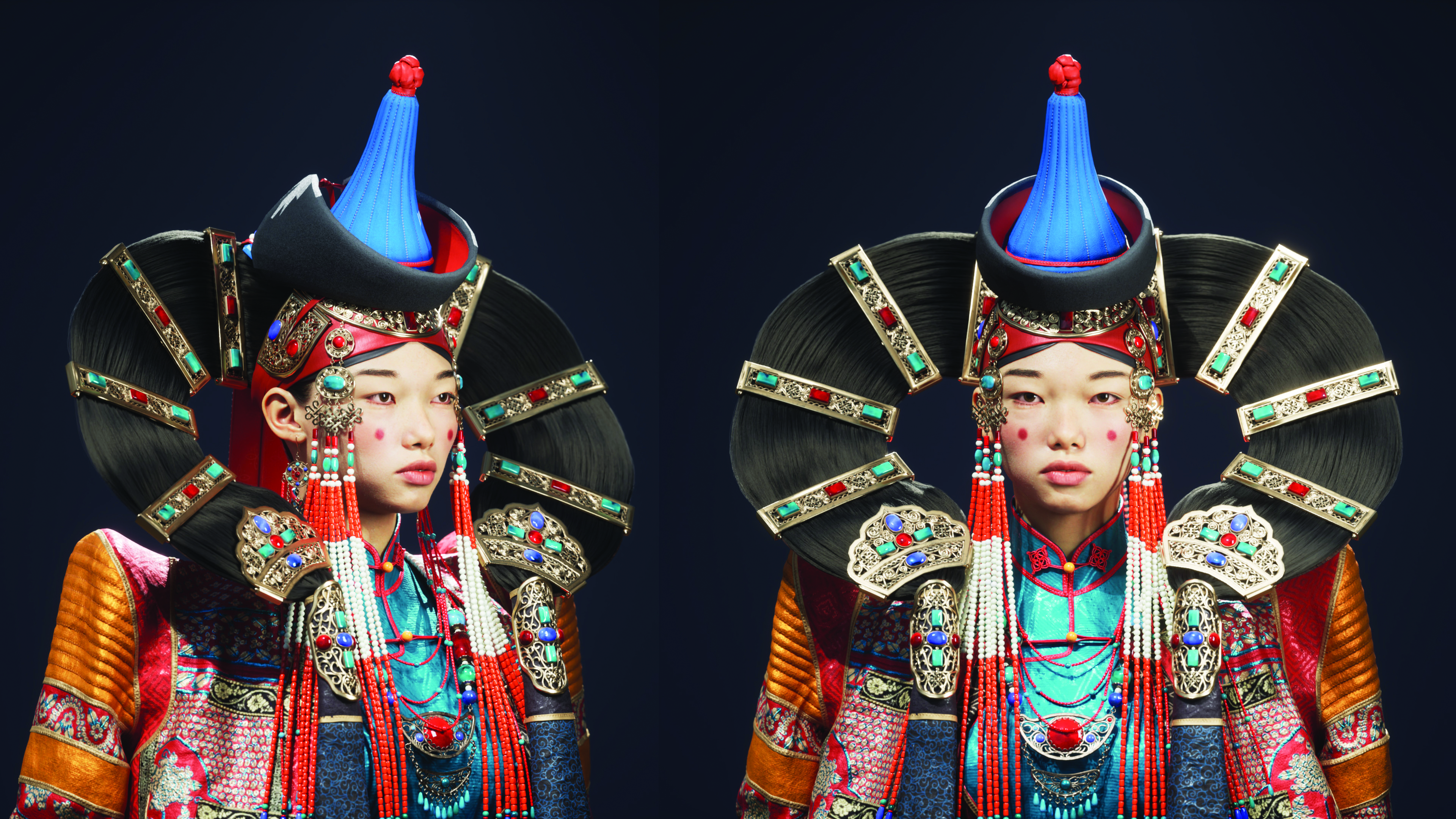
The most difficult aspect of the project was undoubtedly the clothing and accessories. Unlike a standard character model, Lady Kököchin required a complex headdress and ornate jewelry—elements that do not exist in a vacuum.
"The challenges were sourcing accurate references for the headdress and jewellery," says Okoronkwo. "In some cases, I had to improvise, such as how the wings are fastened at the back of the headdress." This improvisation was not merely a guess; it was an educated artistic decision based on the structural logic of traditional Mongolian metalwork and textile patterns.
Stage 4: Texturing and Rendering
With the geometry finalized, the model moved to Substance 3D Painter. Using VFace as a base, Okoronkwo applied high-resolution skin textures. The interaction of light with the skin, the jewelry, and the fabric was carefully managed to achieve a cinematic look that blurs the line between a digital render and a photograph.
Supporting Data: The Tools of the Trade
The level of detail achieved by Okoronkwo is only possible through the use of a professional-grade digital pipeline. Below is a breakdown of the software and hardware components that powered the creation of Lady Kököchin:
- MetaHuman Creator: Utilized for the initial generation of the character’s core anatomy, significantly accelerating the early development phase.
- ZBrush: The primary tool for digital sculpting. It allowed for the fine-tuning of facial features and the creation of complex surface details that give the model its lifelike quality.
- Substance 3D Painter: The engine for texturing. By using VFace data, Okoronkwo was able to replicate the translucency and pore-level detail of human skin, which is notoriously difficult to capture in 3D.
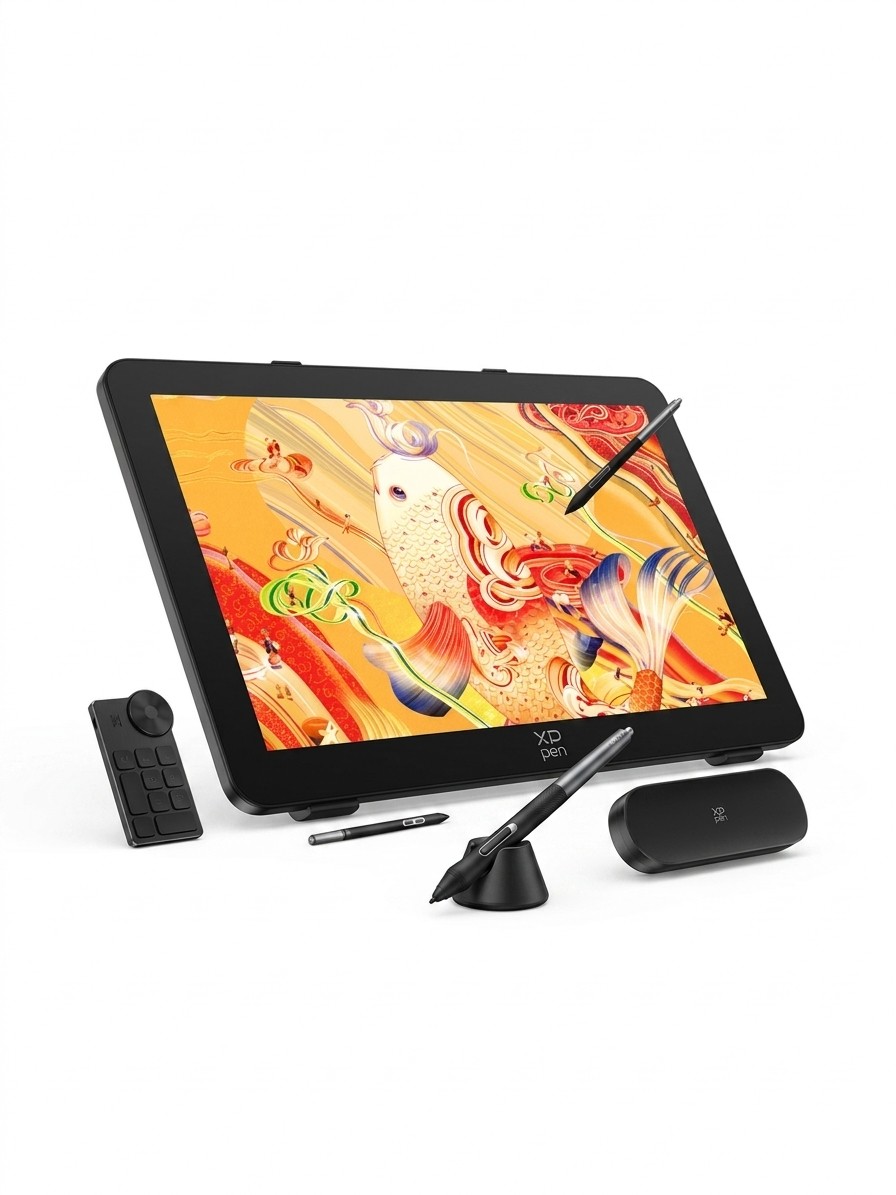
- High-End Hardware: Projects of this magnitude require significant processing power. Artists in this field typically utilize top-tier drawing tablets—such as the XPPen Artist Pro 27 or the Huion Kamvas Pro 16 Plus—to maintain precision during the sculpting and painting phases.
The Implications of Hyper-Realistic Digital Art
The work of artists like Melvin Okoronkwo holds significant implications for the future of digital media, film, and historical education.
Bridging the Gap in Historical Documentation
When historical documents are sparse—as they often are for nomadic cultures where oral tradition was prioritized over written records—visual reconstructions like Lady Kököchin serve as a vital bridge. By combining available photographic evidence with a deep study of traditional costume, artists create a "living" history that allows audiences to engage with the past in a way that dry academic texts cannot.
The Evolution of Character Design
The methodology used here—blending automated tools like MetaHuman with the artisan-level control of ZBrush—represents the current gold standard in the 3D industry. As these tools become more accessible, we can expect a surge in the quality of character design in both independent and AAA projects. However, as Okoronkwo’s work proves, software is merely a tool; the artist’s ability to "improvise" and "source accurate references" remains the decisive factor in quality.
Cultural Representation
There is an increasing demand for diverse and historically accurate representation in media. By focusing on the Bayaut tribe and incorporating authentic Mongolian attire, Okoronkwo provides a blueprint for how artists can celebrate cultural heritage with respect and technical rigor. His piece does not just look like a "generic princess"; it possesses the specific, identifiable markers of a culture that is often overlooked in mainstream Western media.
Conclusion: The Path Forward
Melvin Okoronkwo’s Lady Kököchin is more than a technical demo; it is a masterclass in how research and software can coalesce. As the 3D industry continues to evolve, the ability to replicate the nuances of the human condition—the way light catches a piece of jewelry, the subtle weight of a heavy headdress, and the expression of a person from a different era—will continue to be the mark of a true master.
For aspiring artists looking to follow in his footsteps, the lesson is clear: mastery of the software is only the start. To create something that truly resonates, one must first be a student of the subject matter. As Okoronkwo continues his work at Mortar Studios, he stands as a testament to the fact that when technology meets historical passion, the results are nothing short of transformative.
For those interested in exploring the tools used to create such work, industry professionals recommend staying up-to-date with the latest in drawing tablet technology. Whether it is the color accuracy of the XPPen series or the mobility of the Wacom Movink, the right hardware is essential for achieving the precision required for high-end 3D portraiture.










No comments yet. Be the first to join the conversation!