After years of obsessively testing everything from entry-level earbuds to high-end planar magnetic cans costing upwards of $5,000, I have reached a rare conclusion: the most exciting innovation in personal audio right now isn’t happening in the luxury sector. It is happening at the $35 price point.
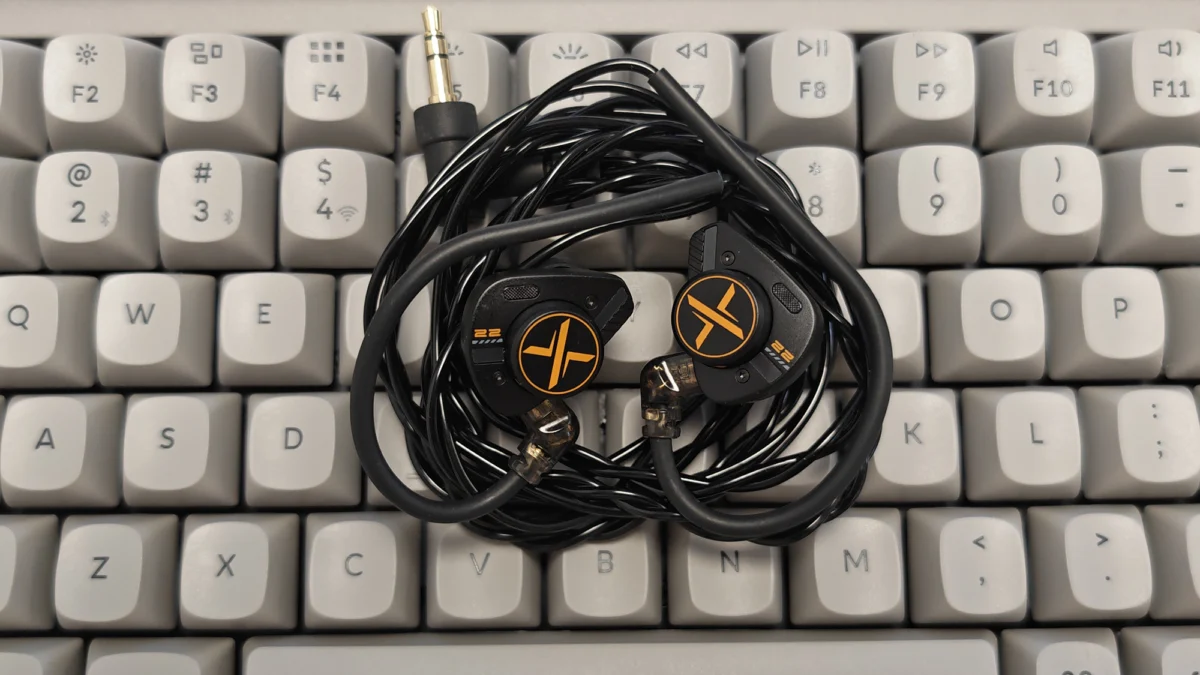
The OoopusX Op.22 In-Ear Monitors (IEMs) have arrived, and they are not just another generic entry in a saturated market. They are a genuinely disruptive force that challenges the status quo of what budget-conscious music lovers should expect from their equipment. If you are looking for the absolute best value in audio today, look no further.
The Core Proposition: Two Sound Profiles in One Shell
The primary challenge for budget audio equipment is usually a "one-size-fits-all" tuning that fails to satisfy diverse listening habits. Most entry-level headphones rely on a aggressive "V-shape" sound signature—boosting the bass and treble while recessing the all-important mid-range—to create an illusion of excitement. While this can be fun for a while, it often leaves the listener feeling like they are missing out on the nuance of vocals and complex instrumentation.
The OoopusX Op.22 solves this by offering a dual-nature sound profile that is accessible, practical, and highly effective.
The Balanced Neutral Mode
Out of the box, the Op.22 offers a balanced, neutral tuning that serves as an excellent gateway for those looking to transition from commercial-grade consumer headphones to the world of true audiophile sound. By elevating the mid-range frequencies, these IEMs allow the listener to actually hear the texture of a guitar string or the breathy nuances of a vocal performance, rather than having those details buried under a mountain of muddy bass.
The Basshead Experience
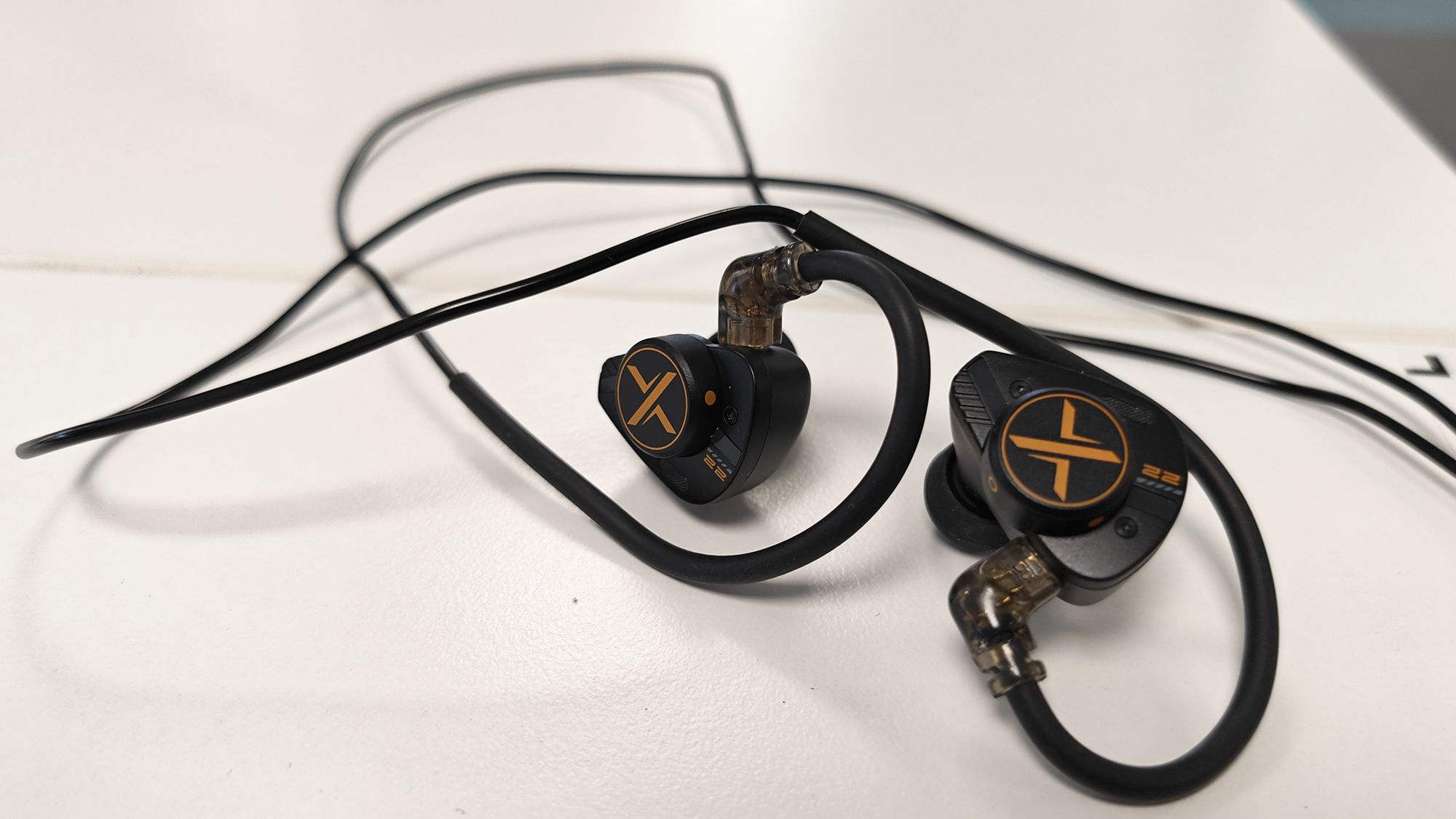
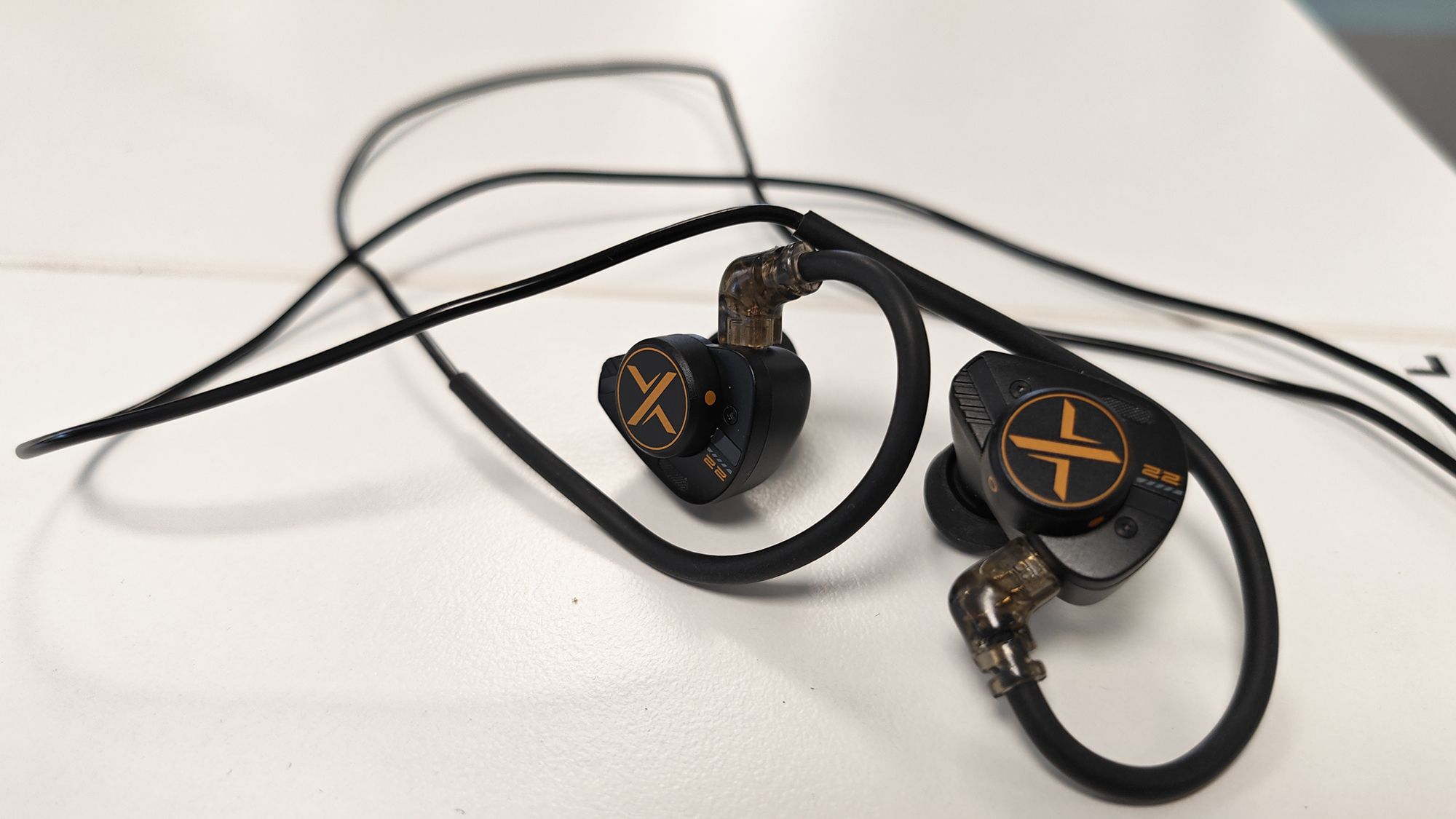
The true "killer feature" of the Op.22, however, is the physical rotary dial integrated into each earpiece. A simple twist of the dial engages a hardware-level adjustment that adds 6dB of sub-bass punch. This isn’t a digital EQ tweak that introduces distortion; it is a physical shift in the acoustic chamber that transforms the IEMs into a "basshead’s" dream. For fans of EDM, hip-hop, or any genre that relies on sub-bass weight, this toggle makes the Op.22 an incredibly versatile companion.
A Brief History of Adjustable Bass in IEMs
The concept of user-adjustable bass is not entirely new, but its history is littered with failed implementations. To understand why the Op.22 is a significant achievement, one must look at the evolution of this technology over the last 15 years.
The Sennheiser IE8 Legacy (2008)
The lineage of bass-adjustable monitors can be traced back to the legendary Sennheiser IE8, released in 2008. At the time, the IE8 was a marvel of engineering, allowing users to tune the bass response via a small screw-like mechanism. It set the precedent for the "tunable IEM," but it also highlighted the pitfalls of the technology.
The Pitfalls of Early Adopters
In the years that followed the IE8, several brands—including KZ with their IE80 model—attempted to replicate this success. However, these iterations often missed the mark. The mechanism frequently resulted in what audio engineers call "mid-bass bloat." Instead of adding clean, deep sub-bass, these dials would muddy the entire sound spectrum, leaking into the mids and turning a clear mix into a swampy, indistinct mess.
For a long time, the "bass dial" became a punchline in the audiophile community—a gimmick that usually indicated a lack of refinement in the driver’s core performance. The OoopusX Op.22 is the first product in years to successfully reclaim this feature, proving that with modern acoustic design, the technology can be both functional and elegant.
Performance Metrics and Technical Reality
When we talk about $35 equipment, the conversation must remain grounded in the reality of manufacturing costs. You are not buying $5,000 reference-grade headphones, and the Op.22 makes no claims to be such. However, within the context of the sub-$50 price bracket, it stands as a titan.
The Importance of the Seal
The performance of the Op.22 is contingent on one critical factor: the physical seal. Because these IEMs rely on an acoustic chamber to facilitate their bass-boost mechanism, achieving a tight, airtight fit with the correct ear tips is non-negotiable. If the seal is broken, the sub-bass loses its impact, and the sound profile collapses.
Addressing Expectations
It is important to manage expectations regarding "texture." While the sub-bass is punchy, deep, and satisfying, it lacks the surgical, microscopic definition found in flagship monitors costing thousands of dollars. You are not getting the ultra-fast transient response of a multi-thousand-dollar electrostatic driver. What you are getting is a fun, addictive, and genuinely high-quality sound profile that makes music feel alive. The mids remain clean even when the bass dial is cranked to the maximum, which is a testament to the sophisticated crossover and driver integration OoopusX has achieved.
The Industry Implication: Is the "Premium" Tier Under Threat?
The success of the Op.22 poses an uncomfortable question for high-end audio manufacturers: if a $35 pair of IEMs can offer this level of sonic enjoyment and functional versatility, what are consumers paying for when they spend $500, $1,000, or $5,000?
Diminishing Returns
The audiophile industry has long been defined by the law of diminishing returns. As you move up the price ladder, you pay exponentially more for incremental gains in clarity, soundstage, and resolution. The Op.22 acts as a "floor-raiser." It effectively shrinks the gap between budget gear and mid-tier gear, forcing brands to justify their higher price points through better build materials, customer service, or proprietary technology that actually matters, rather than just "luxury" branding.
The Rise of Value-Driven Design
We are entering a golden age of budget audio. Thanks to advancements in driver manufacturing and 3D printing for acoustic housings, companies are now able to deliver high-fidelity sound at prices that were unthinkable a decade ago. The Op.22 is a beacon of this trend. It demonstrates that the most important factor in a headphone purchase isn’t the prestige of the logo, but the competence of the engineering team behind the driver.
Final Verdict: Should You Buy It?
The answer is a resounding "yes."
If you are a student, a budget-conscious audiophile, or someone who simply wants a reliable pair of daily-driver IEMs that can adapt to different genres of music, the OoopusX Op.22 is a mandatory purchase. It is rare that I can recommend a piece of technology so unequivocally, but at $35, the risk is negligible and the reward is substantial.
The OoopusX Op.22 is not just a "good for the price" product; it is a good product, period. It manages to take a feature previously relegated to the "gimmick" bin of history and refine it into a legitimate tool for the modern music listener. Whether you prefer the neutral, vocal-forward profile or the deep, cinematic punch of the sub-bass boost, the Op.22 delivers a premium experience that defies its humble price tag.
As the market continues to evolve, the Op.22 will likely be remembered as a turning point—a moment where the "cheap" segment of the audio market finally grew up and started setting the standard for the rest of the industry. Don’t wait for a sale; at $35, the OoopusX Op.22 is already the deal of the year.